
International Digger - Derrick Trucks For Sale
International digger derrick trucks for sale. Compare boom torque, sheave height, chassis options, floor strength, tare weight, and corrosion resistance.
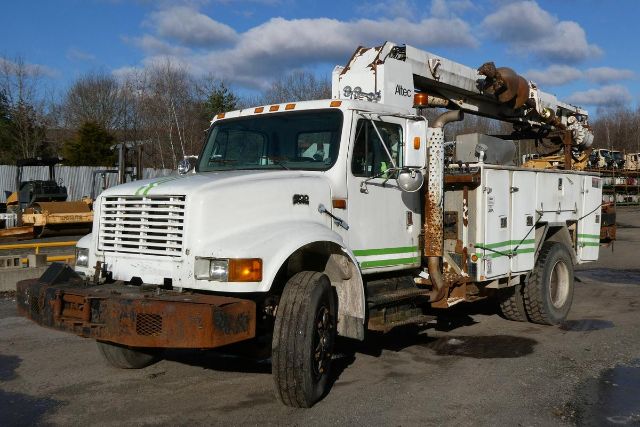

Selling a international digger - derrick truck? List your international digger - derrick truck for sale to reach thousands of commercial buyers.
International Digger - Derrick Trucks
Durability starts with the subframe and deck. A torsion box understructure that spreads outrigger loads into the International double C channel frame reduces twist and crack propagation. Deck floors in 3/16 inch or 1/4 inch treadplate with crossmember spacing at 8 to 12 inches handle cribbing, poles, and steel slings without oil canning. Outrigger housing welds, pedestal mounting bolts, and turntable bearing fasteners should be inspected for elongation or fretting, these are indicators of past overloads. Pole racks, headache racks, and tie downs should be tied into frame rails, not just the floor skin, to keep the bed from scalloping over time.
Tare weight drives payload and stability, more boom and reach mean more steel in the subframe and outriggers. A 6x4 tandem with 20k front and 40k rear axles improves capacities but adds several thousand pounds, a 4x4 front drive axle also adds weight and height. Aluminum or galvanneal service bodies with e coat and powder coat save weight versus all steel, stainless hardware and sealed harnesses slow corrosion in deicing climates. International frames with high RBM ratings and painted inner liners resist rust bleed at fishplates, look for clean flanges, intact undercoating, and minimal blistering around outrigger boxes.
Thermal integrity in this class refers to hydraulic temperature control and dielectric insulation in insulated models. High capacity reservoirs, return line filtration, and fan cooled oil coolers keep hydraulic oil in the target range so valves and motors hold speed in summer heat. Cold weather packages use low temperature hydraulic fluid, arctic rated hoses, block heaters, intake grid heaters, battery blankets, and heated breathers to prevent cavitation and slow starts. Fiberglass upper booms and non conductive sheaves maintain insulating value when clean and dry, verify recent dielectric test dates and ratings per the placard, many digger derricks are not intended for live line work. Proper hose routing and UV stable loom protect the system from thermal cycling and sun exposure.
Frequently Asked Questions about International Digger - Derrick Trucks
Which International chassis pairs best with a given digger derrick size
For small to mid range derricks with sheave heights in the 35 to 55 foot class, the International 4300 or HV507 with a single rear axle is common. For 60 to 80 foot and higher torque augers, the HV607 or WorkStar 7400 and 7500 with 20k front and tandem rears provide better stability and axle capacity. Heavier booms may require longer wheelbases and full length frame reinforcements, so match GVWR, axle ratings, and wheelbase to the derrick maker’s subframe and outrigger spread requirements.
What should I look for to judge deck and subframe strength on a used digger derrick
Check treadplate floors for oil canning, ripples near the pedestal, and cracks around outrigger cutouts. Inspect pedestal mounting plates for movement, elongated bolt holes, or rust jacking. Look at outrigger cylinders and boxes for weld repairs and bent pads, and verify the turntable bearing is tight by slewing the boom while watching for pedestal flex. Examine crossmember spacing under the bed and the interface plates to the International frame rails, uniform fasteners and intact paint film usually indicate less distortion and better load distribution.
How does tare weight affect capacity and compliance on these trucks
Higher tare weight consumes payload and can push axle loads over legal limits even when the gross is under GVWR. Big booms, 6x4 tandems, front drive axles, and steel service bodies add significant weight. Balance the build with aluminum or galvanneal bodies, right sized outrigger packages, and the correct wheelbase to keep front axle loading within rating with the boom stowed. Verify actual curb weight with full fuel and tools, then compare to GVWR and each axle rating to understand usable payload for poles, hardware, and crew gear.
What corrosion resistance features matter for long service life
Look for galvanneal or aluminum bodies with e coat primer and powder coat topcoat, stainless door hardware, sealed LED lighting, and grommeted harness passages. International frames that have intact undercoating, clean flange edges, and no blistering around reinforcement plates tend to hold up better. Outrigger boxes trap moisture, so good drain paths and periodic cleaning matter. Fiberglass boom sections should have sound gelcoat with no fiber bloom, and steel components should show uniform paint without underfilm rust at seams.
How do I evaluate thermal and dielectric integrity before purchase
Confirm the hydraulic reservoir size, presence of a fan cooled oil cooler, and recent fluid and filter service. On a hot day, operate the auger and winch continuously and watch for slowing functions, heat related fade points to undersized cooling. For cold weather, confirm block heaters, grid heaters, and arctic rated hoses, then observe cold start performance and pump noise. If the unit is insulated, review the dielectric test date and voltage class on the placard, inspect the fiberglass for contamination or cracks, and verify that winch rope, sheaves, and controls match the stated insulation rating.