
Used 2017 International Trucks For Sale
Used 2017 International trucks, including ProStar, LT, DuraStar and WorkStar, with SCR engines, durable frames, corrosion protection, and smart weight.
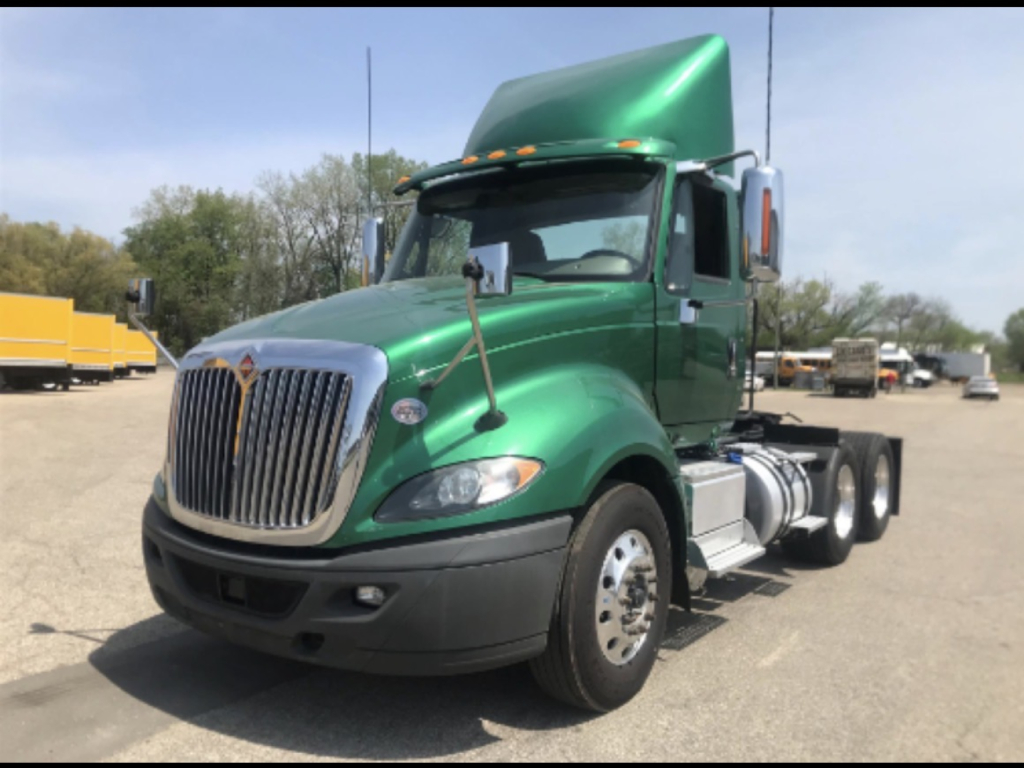
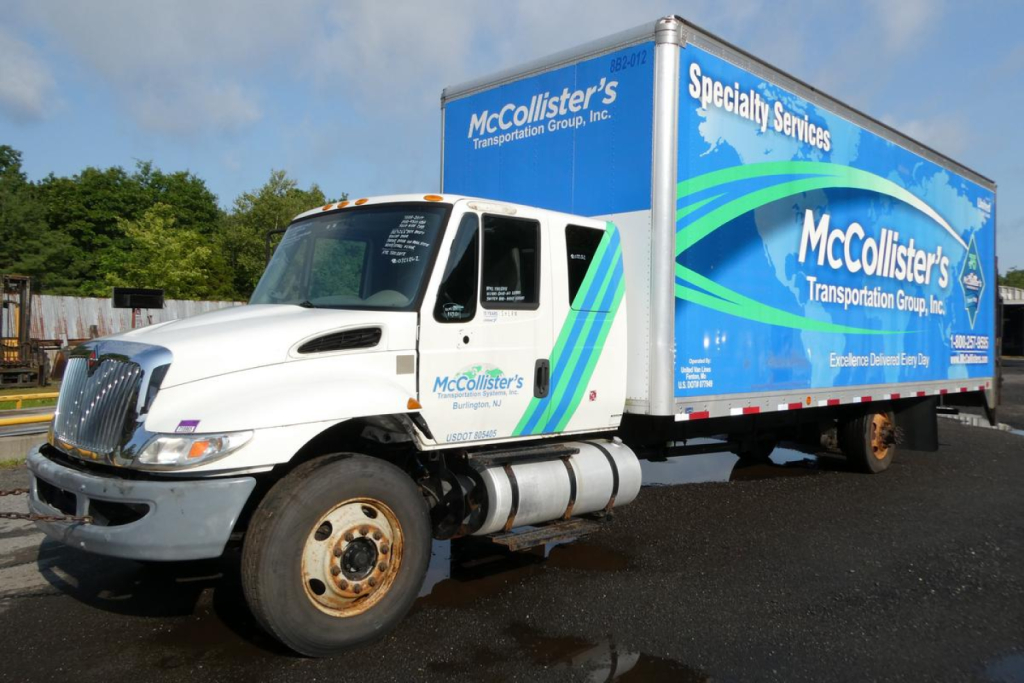
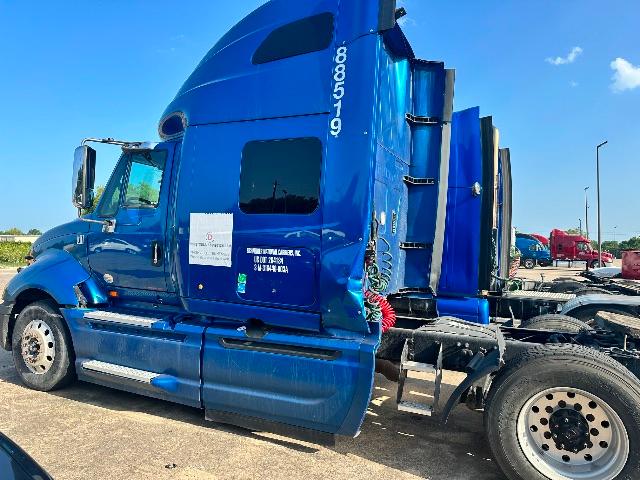

Selling a used 2017 international truck? List your used 2017 international truck for sale and reach thousands of commercial buyers.
Used 2017 International Trucks
Tare weight varies by configuration, which affects payload and operating cost. A 2017 International tandem axle day cab tractor commonly scales 16,500 to 19,000 pounds depending on fuel tank size, wheelbase, suspension, and wheel material; a 56 to 73 inch sleeper often runs 18,500 to 22,000 pounds. Medium duty 26,000 GVWR DuraStar box trucks with a 24 to 26 foot body typically tare 13,500 to 16,500 pounds; heavier reefer bodies and rail liftgates can add 800 to 1,200 pounds. Weight saving choices include aluminum wheels, single 100 to 120 gallon fuel tanks, 6x2 axles in highway applications, and air disc brakes in place of cast drums. Balance weight reduction with traction, brake performance, and tire life, since lighter components can change ride quality and stopping distances.
Box and reefer buyers should focus on floor strength and thermal integrity, since these drive productivity and cargo claims. Common van body floors use hardwood or laminated oak with 12 inch on center crossmembers; forklift packages tighten spacing to 8 or 4 inches and add wear strips or 1.6 inch plank, yielding typical dynamic forklift ratings around 10,000 to 12,000 pounds. Look for 12 to 24 inch scuff liners or full height liners, aluminum or UHMW wear bands at the rear, and properly recessed E track to protect freight. Refrigerated bodies from Morgan, Great Dane, Utility, or Kidron use foam in place polyurethane walls 2.5 to 4 inches thick with thermal breaks, sealed seams, and high durometer door gaskets; inspect for delamination, moisture intrusion, and floor channel corrosion. Thermal performance also matters in sleepers, where intact insulation, tight door seals, and functioning bunk HVAC or a battery APU reduce idle time and driver fatigue.
Chassis corrosion resistance on 2017 International trucks is aided by e coated steel cabs, 120 ksi frame rails with OEM paint systems, aluminum fuel tanks, and stainless or coated fasteners; real world protection still depends on prior use and wash practices. Inspect frame flanges near suspension hangers, fifth wheel brackets, crossmembers, battery boxes, body subframes, and aluminum steel interfaces for paint loss, pitting, or pack rust. Verify air and electrical routing, sealed connectors, and loom condition, since chafe points lead to intermittent faults. Review aftertreatment health by checking DPF ash load, SCR conversion efficiency, DEF dosing history, and any NOx sensor or doser codes; many fleets target DPF cleaning between 250,000 and 400,000 miles depending on duty cycle. Spec items that add uptime include air disc brakes, hub odometers, block heaters, engine hour meters, and factory telematics for fault code visibility.
Frequently Asked Questions about Used 2017 International Trucks
Which engines are common in used 2017 International trucks and how do they differ?
Most units will feature the International N13 13 liter or Cummins ISX15, ISL9, and ISB6.7. The N13 pairs well with mid 400 horsepower highway and regional specs, it uses SCR with DEF that eased EGR demand and improved reliability versus earlier designs. Cummins options offer broad dealer coverage, from 200 to 500 horsepower and up to 1850 lb ft, with familiar parts availability and well documented maintenance intervals. Choose by duty cycle and weight, ISB6.7 and ISL9 fit medium duty delivery, N13 and ISX15 suit heavier GCW and long haul where low rpm torque and taller axle ratios help fuel economy.
What tare weight should I expect from a 2017 International day cab, sleeper, or 26 foot box truck?
A tandem day cab tractor typically scales 16,500 to 19,000 pounds as spec drives variance, fuel tank capacity, wheelbase, suspension type, and wheel material matter. A mid roof sleeper with a 56 to 73 inch bunk commonly runs 18,500 to 22,000 pounds, depending on aero packages, fairings, APU, and battery count. A 26,000 GVWR DuraStar with a 24 to 26 foot dry van body often lands 13,500 to 16,500 pounds before liftgate or reefer unit, refrigerated bodies and rail liftgates can add 800 to 1,200 pounds. Weight saving options include aluminum wheels, a single fuel tank, 6x2 drive for highway use, and air disc brakes, always balance weight against traction and brake durability.
How do I evaluate floor strength on a 2017 International box or reefer truck?
Check the body tag for crossmember spacing and floor material, standard dry van floors are hardwood or laminated oak with 12 inch on center crossmembers, forklift ready packages tighten spacing to 8 or 4 inches and add thicker plank or wear strips. Ask for the dynamic forklift rating, many bodies are rated around 10,000 to 12,000 pounds, verify scuff liners, E track installation, and rear threshold protection to prevent edge damage. On reefers, inspect for soft spots, corrosion in aluminum channels, liner cracks, and door seal compression set, confirm insulation integrity and that the drain paths are clear to maintain thermal performance.
What corrosion protection do 2017 International trucks offer and where should I inspect first?
Cabs use e coated steel, frame rails are 120 ksi steel with factory coatings, and many builds use aluminum tanks and stainless or coated hardware. Focus on frame flanges near suspension hangers, fifth wheel mounts, crossmembers, body subframes, battery boxes, step assemblies, and areas where aluminum meets steel. Look for bubbling paint, pack rust, and loose fasteners, examine coolant tube clamps and air tank straps, and review wash records if the truck ran in high salt regions.
What emissions and service checks matter before buying a used 2017 International truck?
Pull a health report for the aftertreatment, review DPF ash load, SCR efficiency, and any active or historical codes for NOx sensors, DEF doser, and DEF quality. Confirm parked regen counts align with duty cycle, inspect wiring and harness protection around the aftertreatment and doser. Check coolant type and service history, most use long life OAT, pressure test the charge air cooler, verify valve set intervals or documentation, and on Allison equipped units confirm fluid meeting TES 668 and current filter service. A pre purchase inspection with scan data, smoke test for boost leaks, and brake measurements will validate uptime and help budget upcoming maintenance.