
Used International Hooklift Trucks For Sale
Browse used International hooklift trucks built for container handling, dump bodies, waste, scrap, municipal work, and multi-body fleet flexibility.
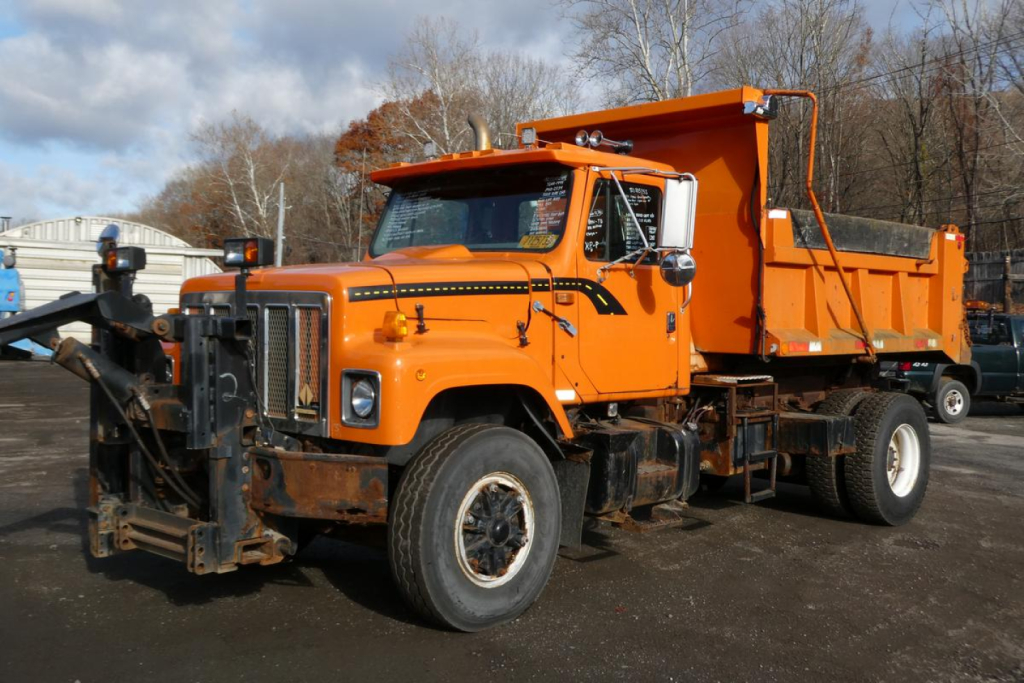
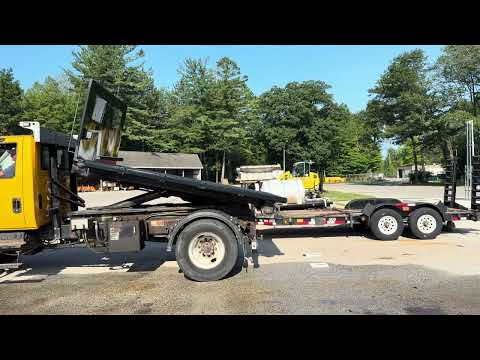

Have used international hooklift truck to sell? List it here to reach thousands of buyers.
Used International Hooklift Trucks
The first buying decision is usually chassis class and hoist capacity. Many used International hooklift trucks are spec'd as single-axle trucks with GVWRs in the medium-duty range, but heavier tandem and double-frame vocational setups are also common. Buyers should match hook height, body length compatibility, and lift rating to the containers already in service. Common details that matter include cab-to-axle measurement, wheelbase, rear axle rating, PTO-driven hydraulic system, transmission type, and whether the truck is set up for roll-off style work, dump inserts, salt spreaders, or flatbed service. If the truck has seen snow and ice duty, inspect plow mounts, front axle capacity, hydraulic plumbing, and frame condition closely.
International hooklift trucks are valued for straightforward vocational specs and broad parts support. Engines commonly found in used units include DT-series and other International diesel platforms, often paired with Allison automatic transmissions for stop-and-go work. Suspension can range from spring ride on municipal trucks to heavier vocational setups, and axle ratios are often chosen for low-speed pulling power rather than highway fuel economy. A buyer should look closely at hydraulic performance under load, PTO engagement, cylinder condition, hook and jib wear, body lock function, and any signs of frame cracking or corrosion around hoist mounting points. On older units, electrical condition matters too, especially if the truck has tarping systems, spreader controls, work lighting, or electric-over-hydraulic accessories.
A used International hooklift can be a cost-effective way to add versatility to a fleet, especially when one truck needs to serve several roles across the week. The right truck depends less on badge and more on the complete package: usable payload after the hoist is installed, legal axle weights with your containers, hydraulic speed, and compatibility with the bodies you already own. Buyers comparing listings should pay attention to actual application history, not just engine hours or odometer readings. A former municipal truck may offer low mileage and useful vocational equipment, but it can also bring corrosion, idle hours, and seasonal attachments that need evaluation before it goes back to work.
Frequently Asked Questions about Used International Hooklift Trucks
What should I check first on a used International hooklift truck?
Start with compatibility between the truck and your containers. Hook height, hoist rating, body length range, cab-to-axle dimension, wheelbase, and axle ratings all need to match the bodies you plan to run. After that, inspect the hydraulic system under load, including PTO engagement, lift cylinders, body locks, hoses, and control valves. Frame condition is critical, especially around hoist mounts, rear hinge points, and any double-frame sections.
Are International hooklift trucks commonly used for municipal work?
Yes. Many used International hooklift trucks come out of municipal fleets because the chassis adapts well to plows, sanders, dump bodies, leaf boxes, debris containers, and general public works service. That versatility is a benefit for buyers who want existing vocational equipment, but municipal history also means you should inspect for rust, corrosion from salt exposure, high idle hours, and wear on hydraulic and electrical systems tied to seasonal attachments.
What International models are most common in used hooklift listings?
The International 4300 is one of the most common medium-duty platforms in used hooklift listings, especially for lighter container and municipal applications. Older models such as the 2554 and heavier vocational International chassis also appear when the truck was spec'd for higher front axle ratings, double frames, or more demanding body swaps. The best choice depends on body size, payload target, and how much severe-service capacity your application requires.
Is an automatic transmission a good choice for a hooklift truck?
In many hooklift applications, yes. Allison automatic transmissions are common because they work well in stop-and-go routes, yard moves, municipal service, and frequent loading cycles. They simplify driver operation and are well suited to PTO-driven vocational equipment. Buyers should still confirm transmission model, PTO compatibility, maintenance history, and how the truck performs when engaging the hydraulic system under working conditions.
How important is payload on a hooklift truck compared with lift capacity?
Both matter, but payload often decides whether the truck will be practical in daily service. A hooklift may be able to pick up a body, but the truck still has to carry that body and its contents within legal axle and GVWR limits. Hoist equipment adds weight to the chassis, so buyers should look at empty weight, axle distribution, suspension ratings, and real operating container weights before assuming the truck can handle every body in the fleet.