
Used International Service/Utility Trucks For Sale
Browse used International service and utility trucks, including 4300-class chassis, work bodies, cranes, compressors, and fleet-ready specs.
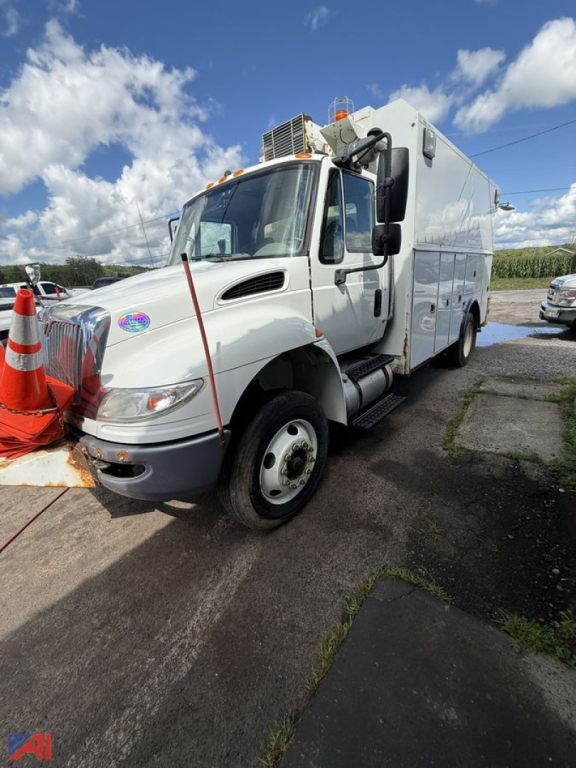
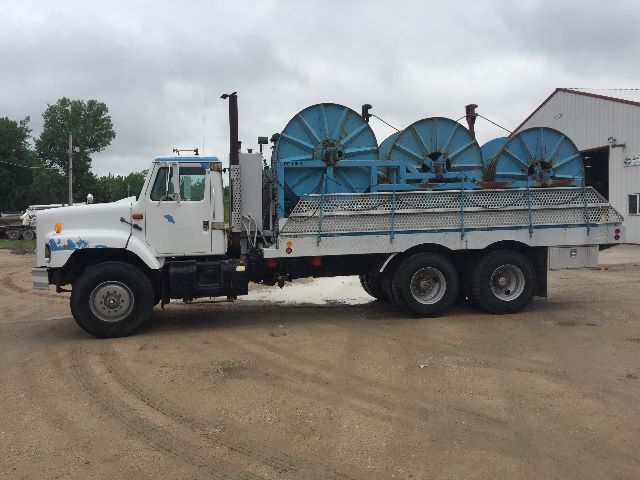

Have used international service/utility truck to sell? List it here to reach thousands of buyers.
Used International Service/Utility Trucks
A buyer should start with the body and mounted equipment before looking at mileage alone. A service truck with clean compartments, solid door seals, working outriggers, and a properly functioning crane or compressor can be more valuable than a lower-mile truck with neglected auxiliary systems. On International models, common considerations include GVWR, front axle capacity, wheelbase, PTO setup, hydraulic system condition, and whether the truck has a diesel engine suited to local emissions requirements. On older units, mechanical simplicity can be a plus for smaller fleets that do their own maintenance. On newer trucks, emissions components, idle hours, and service records deserve close attention because utility trucks often accumulate significant engine run time while stationary.
International service bodies are popular because the chassis is widely supported, parts availability is generally good, and the cab layout works well for vocational applications. Depending on the upfit, these trucks may serve as mechanic trucks, cable placer trucks, crane trucks, line trucks, or general utility service trucks. Buyers should verify crane certification history, reel or drum operation, PTO engagement, tool circuit performance, and the condition of frame-mounted accessories. If the truck has spent its life in municipal or utility fleet service, that can be a positive if preventive maintenance was documented, but rust in compartments, floor pans, and body mounts still needs a close inspection.
The right used International utility truck depends on payload, roadability, and the kind of work being done at the jobsite. A lighter service body may be ideal for mobile maintenance and contractor support, while a heavier chassis with pulling equipment or a knuckleboom fits infrastructure and field construction work. Pay attention to axle ratings, brake type, tire size, turning radius, and overall body length if the truck will work in tight urban areas. For many buyers, the best value is a truck with the correct upfit already installed and operating properly, because replacing hydraulic, lifting, or cable-handling equipment can quickly cost more than the chassis itself.
Frequently Asked Questions about Used International Service/Utility Trucks
What should I inspect first on a used International service or utility truck?
Start with the body and the work equipment, not just the engine and odometer. Check compartments, latches, body mounts, PTO operation, hydraulic functions, crane or boom performance, outriggers, reel systems, and any onboard compressor, welder, or generator. Utility trucks often spend long periods idling or powering accessories, so the condition of the mounted equipment can tell you more about real wear than mileage alone.
Are International 4300 trucks a common choice for service bodies?
Yes. The International 4300 is one of the more common medium-duty chassis used for service and utility applications. It offers a practical cab layout, vocational chassis options, and broad support in the used market. Buyers regularly find 4300-based units with mechanic bodies, cranes, compressors, and contractor-specific upfits, which makes it a familiar platform for fleets and independent operators.
Why do hours matter on a utility truck as much as miles?
Many service and utility trucks operate equipment while parked, sometimes for extended periods each day. PTO use, hydraulic operation, compressor run time, and jobsite idling all add wear that does not show up in the mileage reading. A lower-mile truck can still have substantial engine and accessory wear if it spent years powering tools or auxiliary systems at idle.
What are common applications for a used International utility truck?
Common applications include mobile mechanic service, cable pulling, electrical and telecom utility work, municipal maintenance, field repair, construction support, and line-service work. The exact use depends on the body style and mounted equipment. A truck with a crane and outriggers serves a different role than a standard enclosed service body or a cable puller with multiple drums.
Is fleet history a benefit when buying a used utility truck?
It can be. Municipal, government, and utility fleet trucks are often maintained on scheduled intervals and removed from service on a predictable replacement cycle. That can be a plus if records are available. Buyers should still inspect for rust, deferred repairs, damage around compartments and mounts, and the condition of the hydraulic and electrical systems, because hard vocational use can offset the benefits of routine maintenance.