
Used 2016 International Trucks For Sale
Shop used 2016 International trucks for vocational, regional, and highway work, including day cabs, severe-service, and specialty truck models.

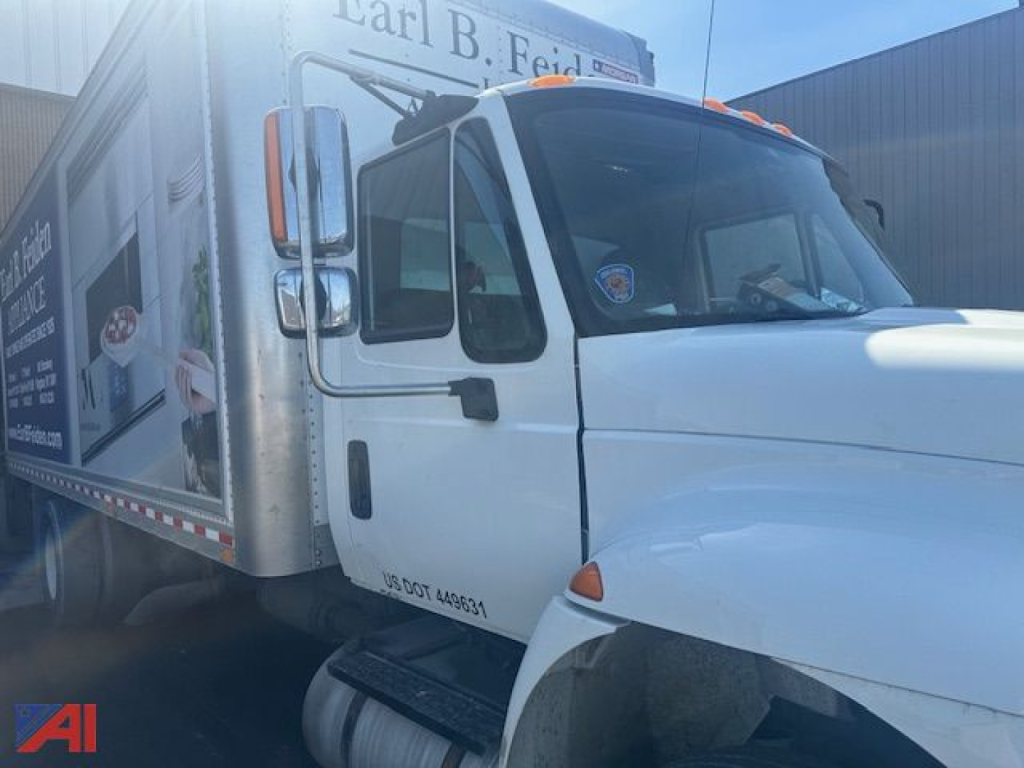
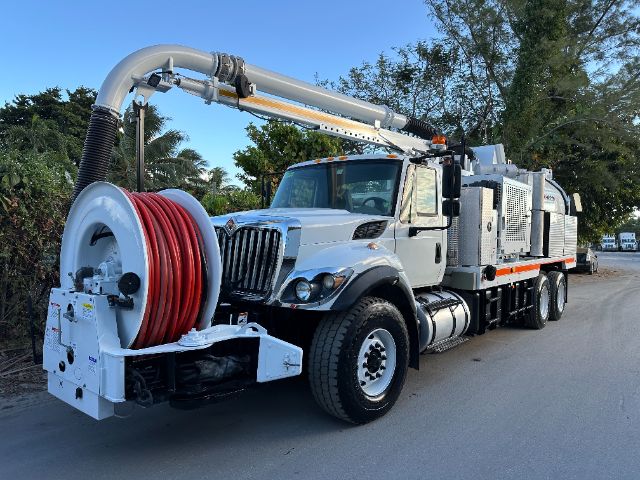
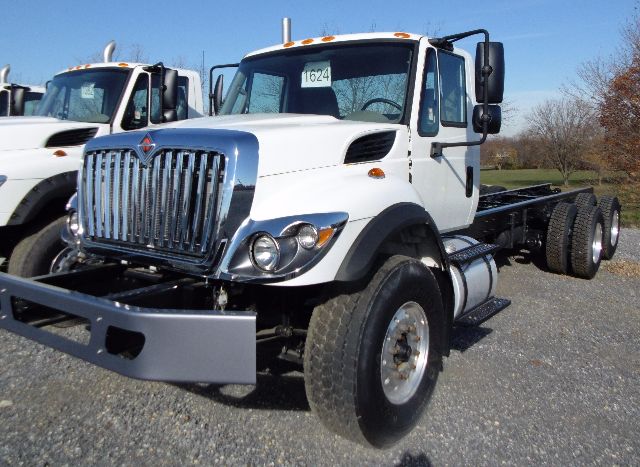

Selling a used 2016 international truck? List your used 2016 international truck for sale and reach thousands of commercial buyers.
Used 2016 International Trucks
Powertrain specs vary by application, but many 2016 International trucks are equipped with Navistar diesel engines or larger displacement vocational diesels paired with manual or automatic transmissions. On highway-oriented day cabs, it is common to see horsepower in the 350 to 410 HP range, 10-speed manual transmissions, air ride suspension, and rear axle ratios selected for fuel economy and regional hauling. Vocational units often lean toward automatic transmissions, PTO capability, heavier front axle ratings, and chassis layouts designed to support bodies such as dumps, vac systems, tank packages, cranes, or service equipment. Buyers should confirm axle ratings, suspension type, wheelbase, PTO setup, and frame condition early, because those items determine body compatibility and real-world productivity more than badge or trim level.
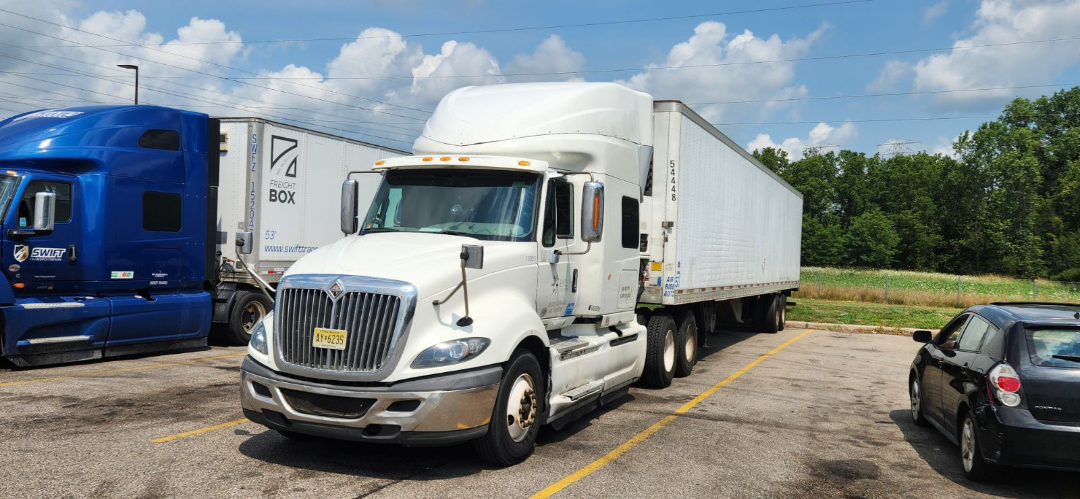
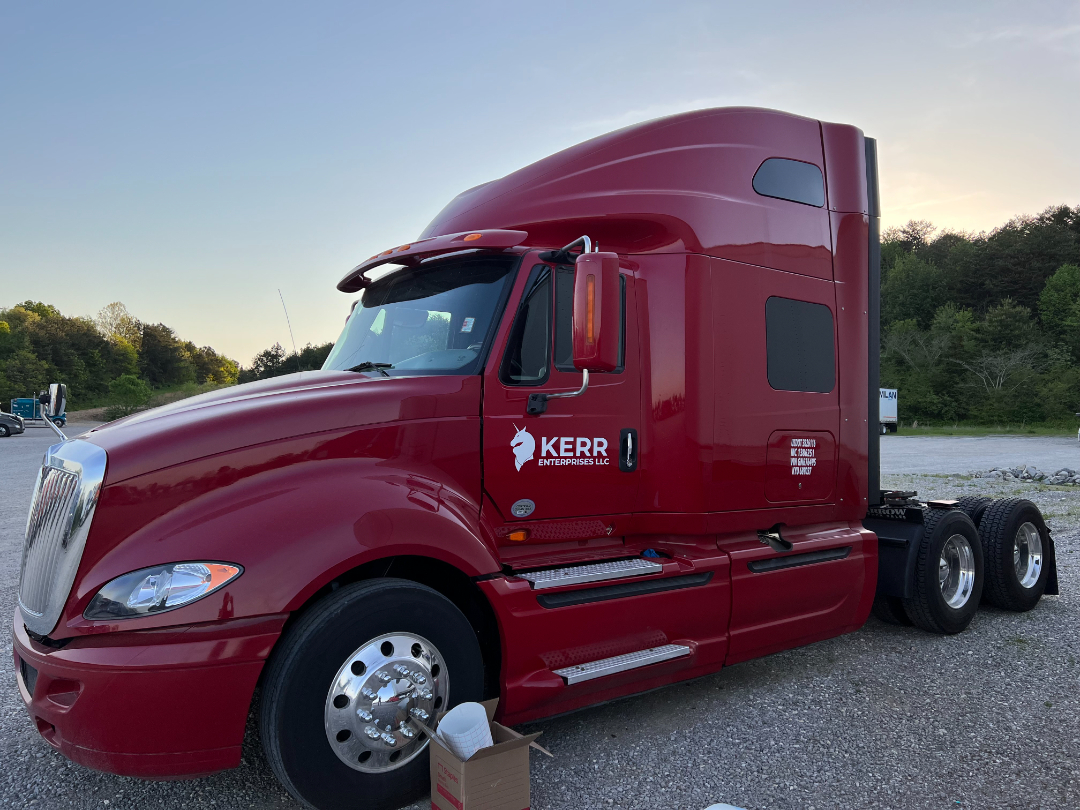
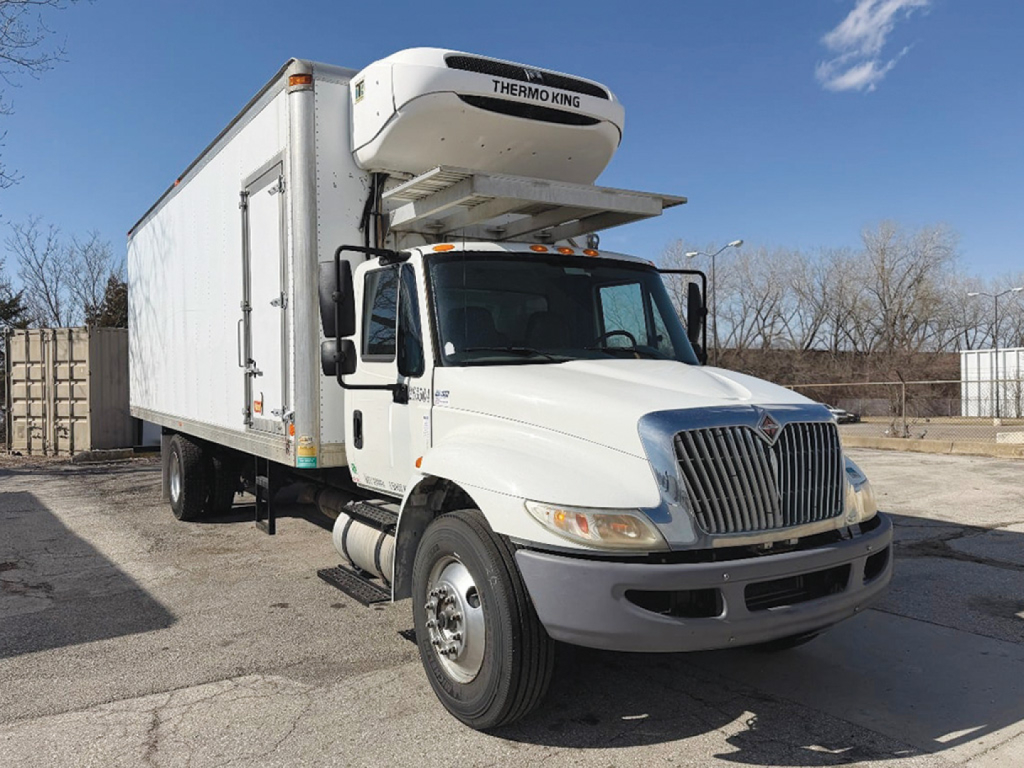
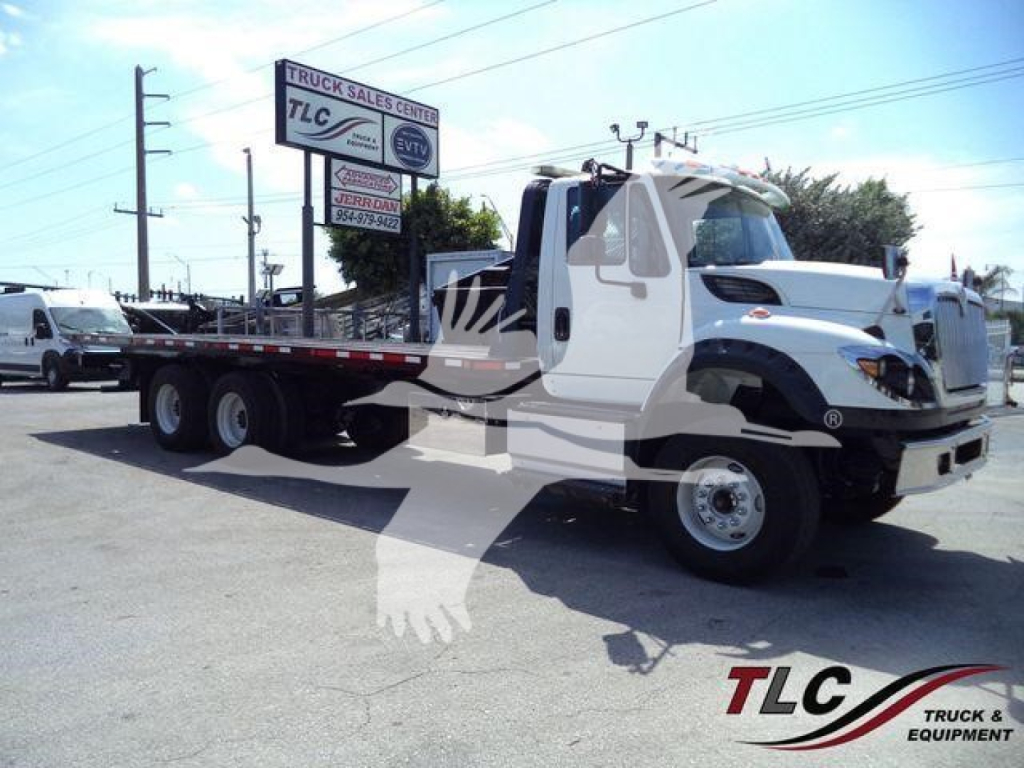
The 2016 International 8600 is typically a conventional day cab spec for regional freight, local delivery, and terminal work. Key checkpoints include rear axle rating, fifth wheel type, wheelbase, engine brake function, and whether the truck is set up as a single axle or tandem axle tractor. The 7400, by contrast, is more often found in severe-service or municipal use, where the value is in the complete package: body manufacturer, pump or blower specs, hydraulic system condition, PTO hours, and maintenance history. On specialty trucks such as vacuum or jetter units, engine miles matter less than total chassis hours, PTO hours, pump condition, tank capacity, and corrosion around the body, subframe, and rear structure.
For any used 2016 International truck, emissions history and service records deserve close attention. This model year falls into an era where buyers should verify aftertreatment performance, fault code history, regen behavior, injector condition, and any major engine or emissions repairs already completed. On vocational trucks, inspect crossmembers, spring hangers, steering components, hydraulic plumbing, and signs of frame drilling or body rework. On road tractors, pay attention to clutch wear on manual units, kingpin setting, tire wear patterns, and suspension bushings. A well-matched 2016 International truck can still be a productive fleet asset if the chassis spec, body setup, and maintenance history align with the job it is expected to do.
Frequently Asked Questions about Used 2016 International Trucks
What should I look for first when comparing used 2016 International trucks?
Start with the truck’s intended application, because a 2016 International day cab, dump truck, or vacuum truck will have very different chassis specs and operating costs. Confirm the model, axle configuration, wheelbase, engine, transmission, suspension, and PTO capability before comparing price. On vocational units, the body or equipment package often carries as much value as the chassis itself, so pump specs, tank capacity, dump body condition, and hydraulic performance should be reviewed early.
Are 2016 International trucks better suited for highway use or vocational work?
Both are common in this model year. International offered highway-friendly conventional day cab configurations for regional freight and terminal service, while models like the 7400 were widely used in municipal, construction, utility, and specialty applications. The right fit depends on the exact chassis and body spec. A highway tractor should be evaluated for drivetrain gearing, fifth wheel setup, and cab condition, while a vocational truck should be judged by axle ratings, PTO operation, body integrity, and equipment hours.
How important are PTO hours on a used 2016 International vocational truck?
PTO hours are very important on trucks running pumps, blowers, hydraulic systems, or other auxiliary equipment. A vacuum truck, jetter, or service truck may show moderate road miles but still have heavy wear on the PTO-driven systems. PTO hours help buyers understand actual equipment use, especially when evaluating pump condition, hydraulic performance, blower life, and maintenance intervals. On specialty trucks, PTO hours can be just as important as engine miles.
What engine and transmission setups are common in used 2016 International trucks?
Common setups include Navistar diesel engines in medium-duty and heavy-duty configurations, with horsepower often landing in the mid-300 to low-400 range depending on the truck’s job. Manual 10-speed transmissions are common in regional and day cab tractors, while automatic transmissions are frequently found in vocational and municipal trucks where stop-and-go operation and PTO use are routine. Buyers should match the transmission type and rear axle ratio to the job rather than focusing only on horsepower.
Do used 2016 International trucks require special attention to emissions systems?
Yes. Any used diesel truck from this period should be checked carefully for aftertreatment health, stored fault codes, regen history, and records of emissions-related repairs. Buyers should ask about DPF cleaning intervals, DEF system repairs, sensor replacements, and any prior engine derates. A truck with documented maintenance and stable emissions performance is usually a safer buy than one with limited records, even if the lower-priced truck appears cleaner at first glance.