
Used 2016 International Refrigerated Trucks For Sale
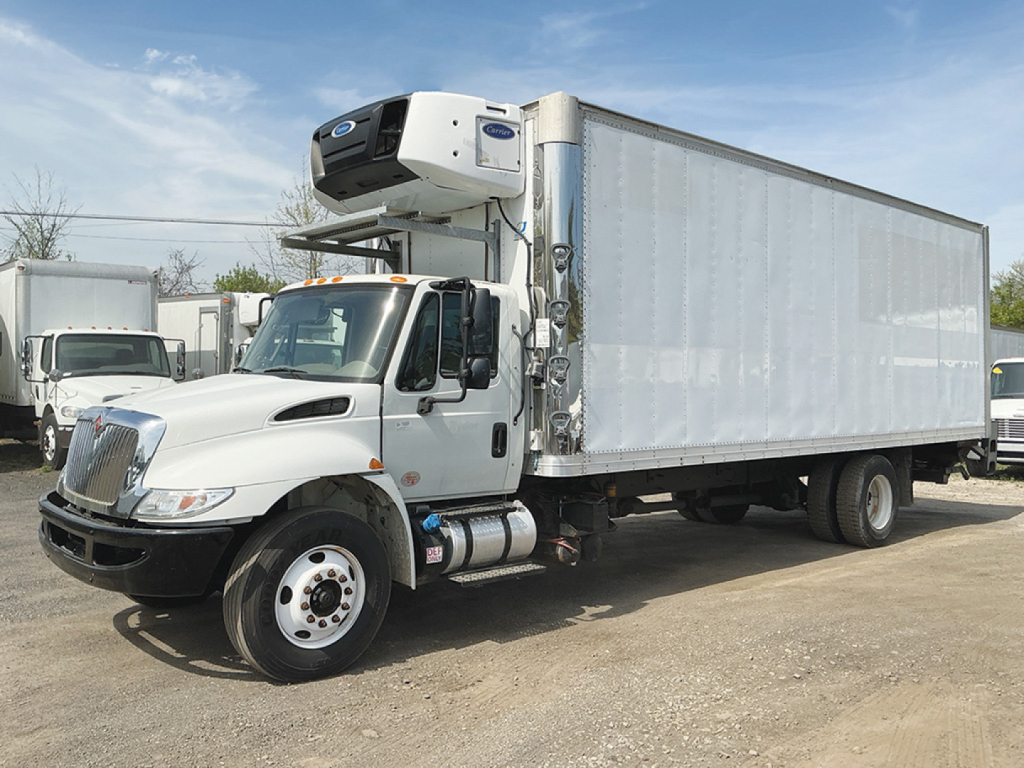
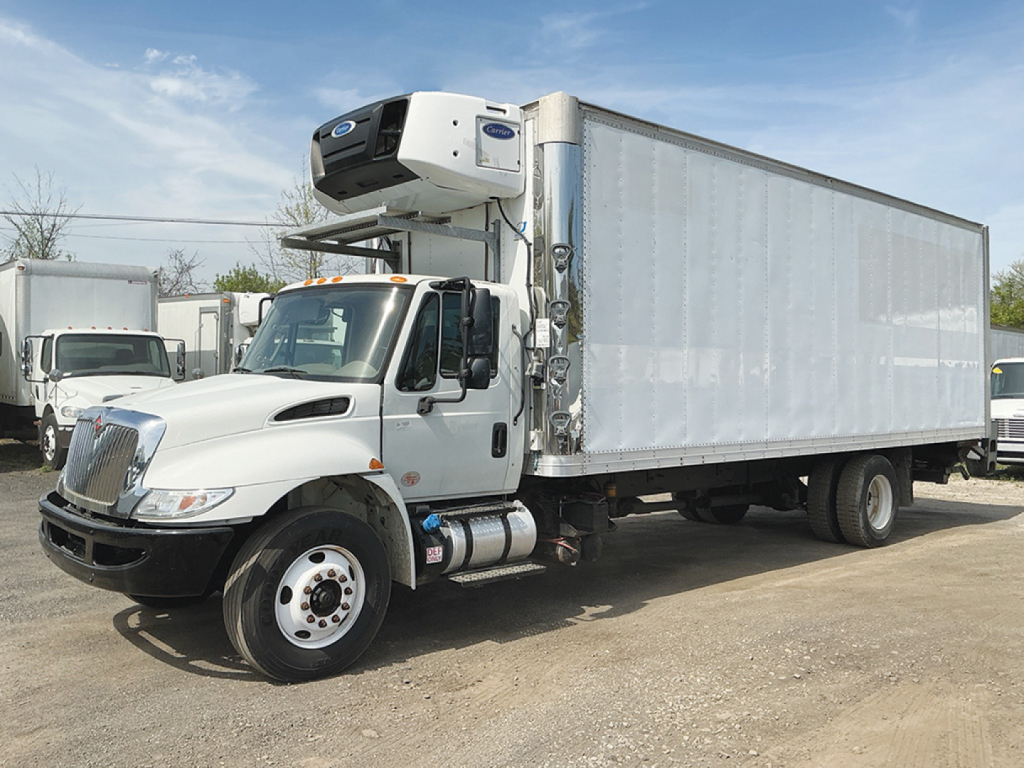
Shop used 2016 International refrigerated trucks, including 4300 reefer straight trucks with 26 ft bodies, diesel power, liftgates, and cold-chain capability.
Learn more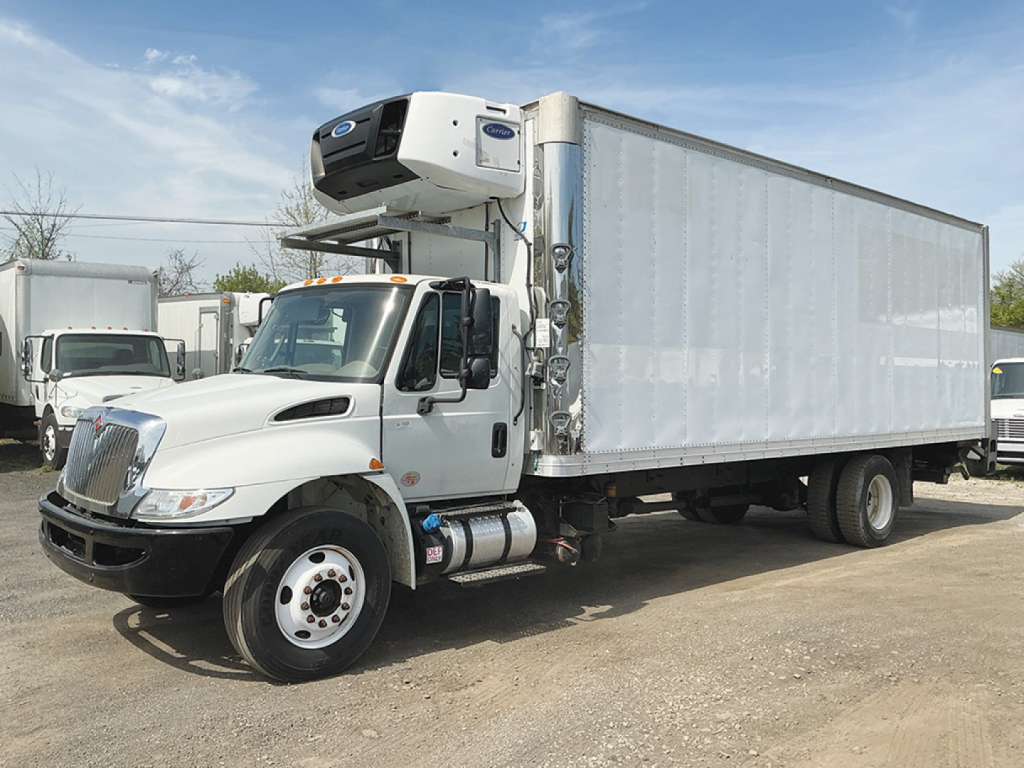
Have used 2016 international refrigerated truck to sell? List it here to reach thousands of buyers.
About Used 2016 International Refrigerated Trucks
The key buying decision is not just the chassis. It is the complete refrigeration package. A 2016 International reefer truck should be evaluated as a combination of engine, transmission, body insulation, and the refrigeration unit itself, often from Carrier or Thermo King. Look closely at reefer hours, pull-down performance, evaporator condition, door seal integrity, and whether the body has a flat aluminum floor, ducted air delivery, scuff liners, E-track, or a liftgate. Kemlite-style interior liners, stainless front corners, roll-up rear doors, and curb-side access doors are common on delivery-spec bodies and matter if the truck will see heavy hand-unload or route work.
On the chassis side, many 2016 International refrigerated trucks use the Cummins ISB with horsepower ratings around the mid-200s, paired with an Allison automatic. That is a proven combination for stop-and-go service and fleets that want simpler driver training. Wheelbase, rear axle ratio, suspension type, and tire size all affect turning radius, highway manners, and payload. A 26 foot body on a medium-duty International is often spec'd for city and suburban routes, but it can also handle regional runs if the refrigeration unit and body insulation are in good shape. Air ride suspension, aluminum fuel tanks, power accessories, and liftgate capacity can add real day-to-day value depending on the route profile.
Buyers comparing used 2016 International reefer trucks should pay attention to maintenance history on both sides of the truck. The engine and transmission matter, but deferred reefer service, damaged insulation, or poor door fit can cost just as much in lost product and downtime. Check for evidence of floor rot, patched liner panels, refrigerant leaks, corrosion around the unit mounting area, and uneven temperature control from front to rear. If the truck will be used for frozen goods, verify the unit can hold target temperature under load, not just while empty. For operators needing a dependable refrigerated delivery truck, also known as a reefer truck, the 2016 International platform remains a strong used-market option with broad parts support and familiar fleet-grade components.
Frequently Asked Questions
What is the most common configuration for a 2016 International refrigerated truck?
The most common setup is an International 4300 medium-duty straight truck with a 24 to 26 foot refrigerated van body, single rear axle, diesel engine, and Allison automatic transmission. Many are built for route delivery and include features such as a roll-up rear door, curb-side door, liftgate, scuff plate, E-track, and insulated body panels. This configuration is popular because it offers a good balance of payload, maneuverability, and cold-chain capability.
What should I inspect first on a used reefer truck?
Start with the refrigeration unit and the insulated body, not just the truck chassis. Check reefer hours, service records, operating temperature range, evaporator condition, condenser cleanliness, and how quickly the unit pulls down to temperature. Then inspect door seals, body insulation, interior liner condition, floor wear, and signs of water intrusion. A used refrigerated truck can look clean and still have expensive cold-box issues that affect product protection and operating cost.
Are 2016 International 4300 reefer trucks good for city delivery routes?
Yes. The International 4300 is commonly used in city and suburban refrigerated delivery because it is easier to maneuver than a larger Class 8 truck while still carrying a full 26 foot body in many specs. With an automatic transmission, medium-duty chassis, and typical single-axle layout, it fits food distribution, grocery replenishment, restaurant supply, and temperature-controlled parcel work. Route density, liftgate use, and stop frequency should still be matched to axle rating and payload capacity.
How important are reefer hours compared to engine miles?
Both matter, but reefer hours are critical because the refrigeration unit is a separate working system with its own maintenance needs and wear pattern. A truck with moderate chassis miles can still have a heavily used reefer unit if it spent long periods idling for temperature control. Buyers should compare engine miles, engine idle hours if available, reefer hours, and documented service intervals together. That gives a more accurate picture of total wear than mileage alone.
What body features add the most value on a used refrigerated straight truck?
The most useful body features depend on the freight, but liftgates, scuff liners, E-track, curb-side doors, and a durable aluminum floor are high-value items for many operators. Good interior liner condition and tight door seals matter just as much because they protect thermal performance. Stainless front radius panels and quality body construction can also help long-term durability, especially on trucks used in frequent dock contact and multi-stop delivery service.