
Used International Refrigerated Trucks For Sale
Browse used International refrigerated trucks built for cold-chain delivery, with reefer bodies, medium-duty chassis, and route-ready specs.
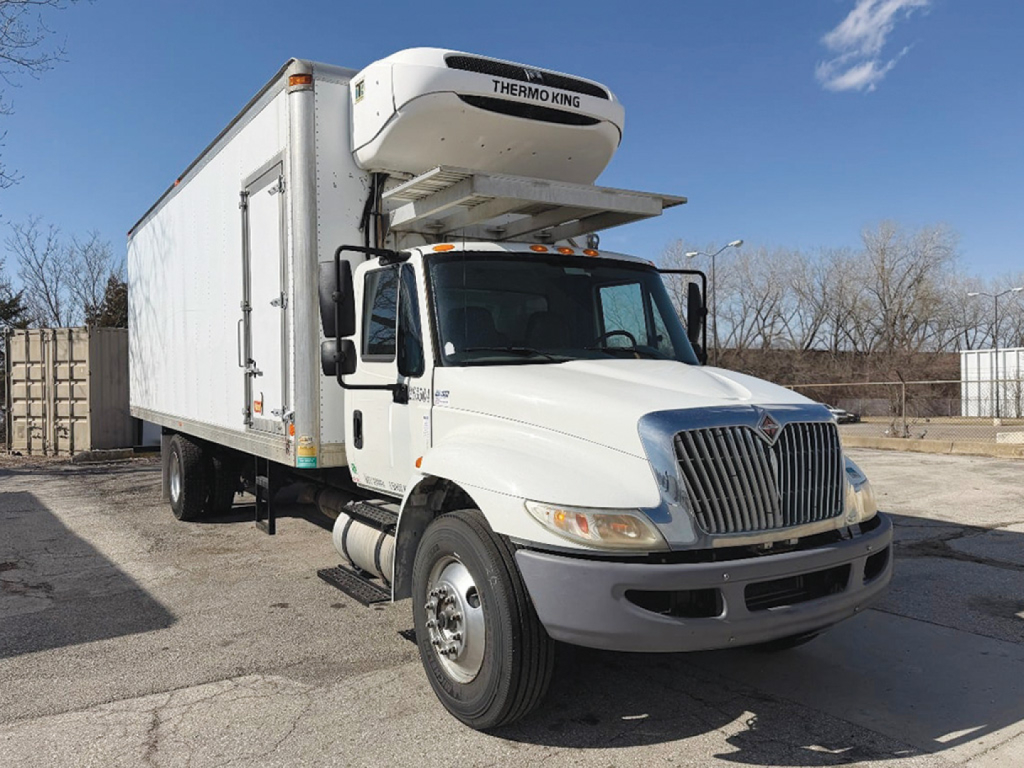
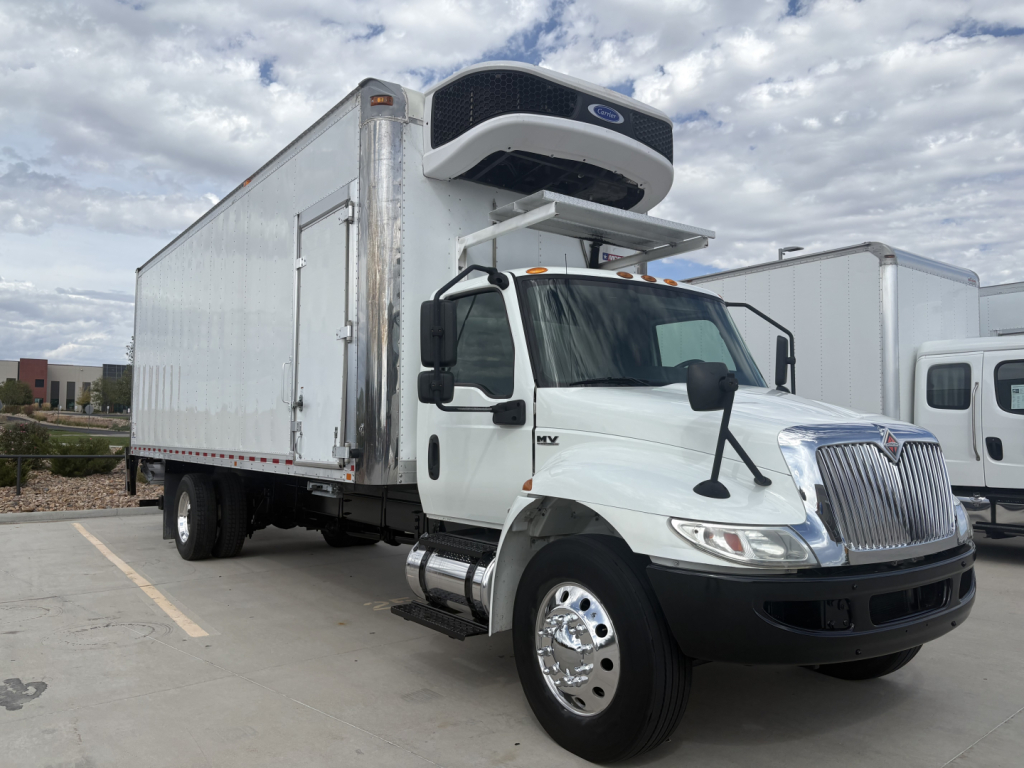
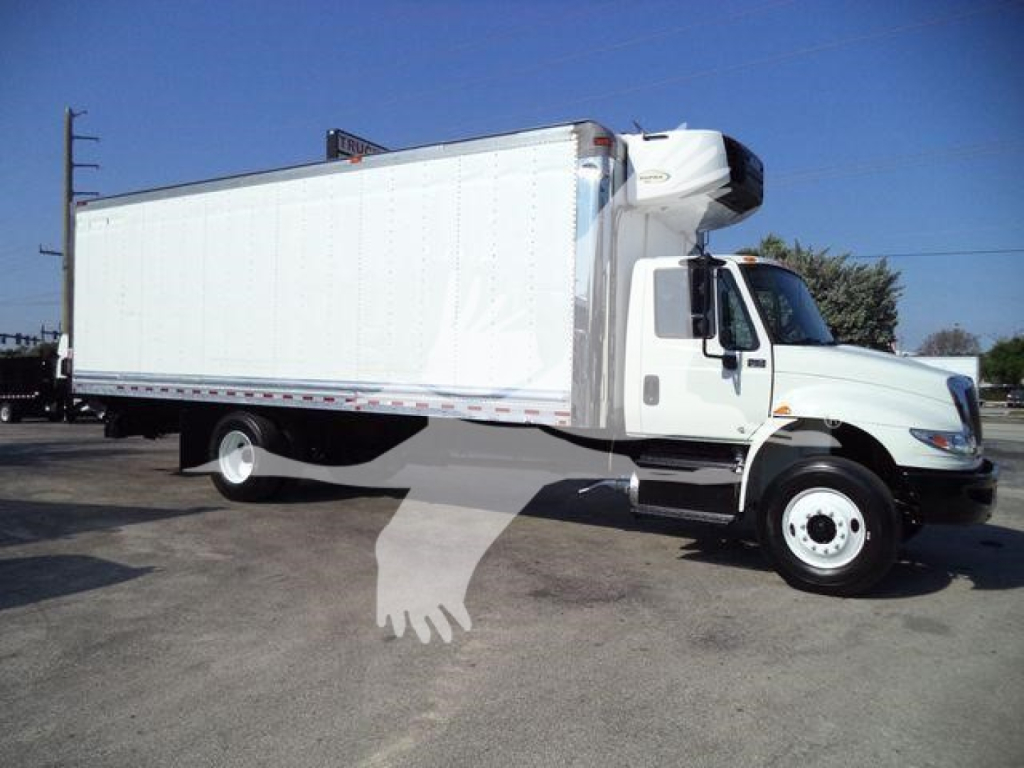
Selling a used international refrigerated truck? List your used international refrigerated truck for sale and reach thousands of commercial buyers.
Used International Refrigerated Trucks
International reefer trucks are typically built on Class 6 or Class 7 platforms, which makes them useful for city delivery while still offering enough GVWR for heavier palletized freight. Common powertrains vary by model year, with older units often carrying DT-series or MaxxForce diesel engines paired with automatic transmissions. Buyers should look closely at axle ratings, wheelbase, liftgate capacity if equipped, and the reefer unit brand and service history. A truck with a well-maintained refrigeration unit from Thermo King or Carrier can be far more valuable than a similar chassis with deferred reefer maintenance. Door seals, bulkheads, evaporator condition, floor wear, and evidence of insulation damage matter just as much as engine performance.
Body configuration affects daily usability. Multi-temp setups, side doors, curbside access, aluminum scuff liners, E-track, and liftgates can make a major difference for route delivery operations. If the truck will spend most of its life in urban stop-and-go service, turning radius, cab visibility, and ease of dock access should carry real weight. For longer regional runs, fuel capacity, driver comfort, and reefer run hours become more important. Buyers in hot climates should pay extra attention to pull-down performance and the truck's ability to hold setpoint under frequent door openings. Buyers in northern climates should also evaluate defrost function, door hardware condition, and corrosion on the body, frame, and crossmembers.
A strong used International refrigerated truck is one that balances chassis durability with dependable temperature control. Service records for both the truck and the reefer unit are a major advantage, especially when they document PM intervals, refrigerant work, compressor service, and repairs to insulation or door assemblies. The best choice depends on product type, route density, and required temperature range. Frozen freight, fresh produce, dairy, and mixed-load delivery all place different demands on the body and refrigeration package, so the smartest comparison is based on operating profile rather than just year, price, or odometer reading.
Frequently Asked Questions about Used International Refrigerated Trucks
What should I check first on a used International refrigerated truck?
Start with the refrigeration system and insulated body, then evaluate the chassis. Reefer unit hours, maintenance records, pull-down performance, temperature hold, evaporator condition, and door seal integrity are critical. After that, review engine condition, transmission operation, axle ratings, tire wear, brake life, and any signs of corrosion or body damage. A reefer truck can look sound mechanically but still become expensive quickly if the box leaks temperature or the refrigeration unit has been neglected.
Are International 4300 reefer trucks a good fit for local delivery?
Yes, the International 4300 is a common platform for refrigerated route work because it balances maneuverability, payload, and serviceability. It is frequently used for food and beverage delivery, school and institutional supply, produce routes, and other urban or regional cold-chain applications. The right fit depends on box length, GVWR, liftgate setup, and how many stops the route requires, but the 4300 is widely recognized as a practical medium-duty reefer chassis.
How important are reefer unit hours compared to truck mileage?
Both matter, but reefer unit hours often tell the more important story on a refrigerated truck. The truck's odometer reflects chassis use, while reefer hours reflect the operating life of the temperature-control system that protects the cargo. High reefer hours are not automatically a problem if service has been consistent, but buyers should expect closer inspection of the compressor, belts, controls, condenser, and overall cooling performance as hours increase.
What body features add the most value on a used refrigerated truck?
The most valuable features depend on the operation, but liftgates, side doors, multi-temp capability, strong insulated bulkheads, scuff liners, and secure cargo control systems are often high on the list. A clean insulated box with solid flooring and tight door hardware usually matters more than cosmetic cab appearance. For route delivery, buyers also tend to place higher value on easy rear access, reliable roll-up or swing doors, and body dimensions that match standard pallet counts.
Can an older used International reefer truck still be a smart buy?
Yes, if the truck has a documented maintenance history and the refrigeration system is still performing to spec. Many older International medium-duty trucks remain productive in local and regional service because parts support is strong and the chassis are familiar to many fleet shops. The key is confirming that the reefer body is structurally sound, the insulation is intact, and the cooling unit can maintain the required temperature range under real working conditions.