
Used 2016 International Conventional Sleeper Trucks For Sale
Shop used 2016 International conventional sleeper trucks, including ProStar models, with common specs, sleeper options, and long-haul features.
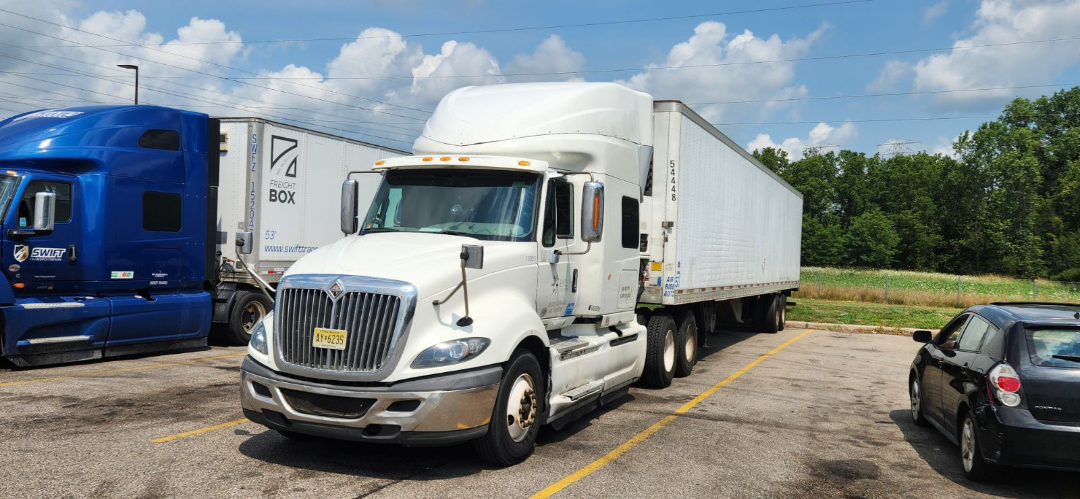
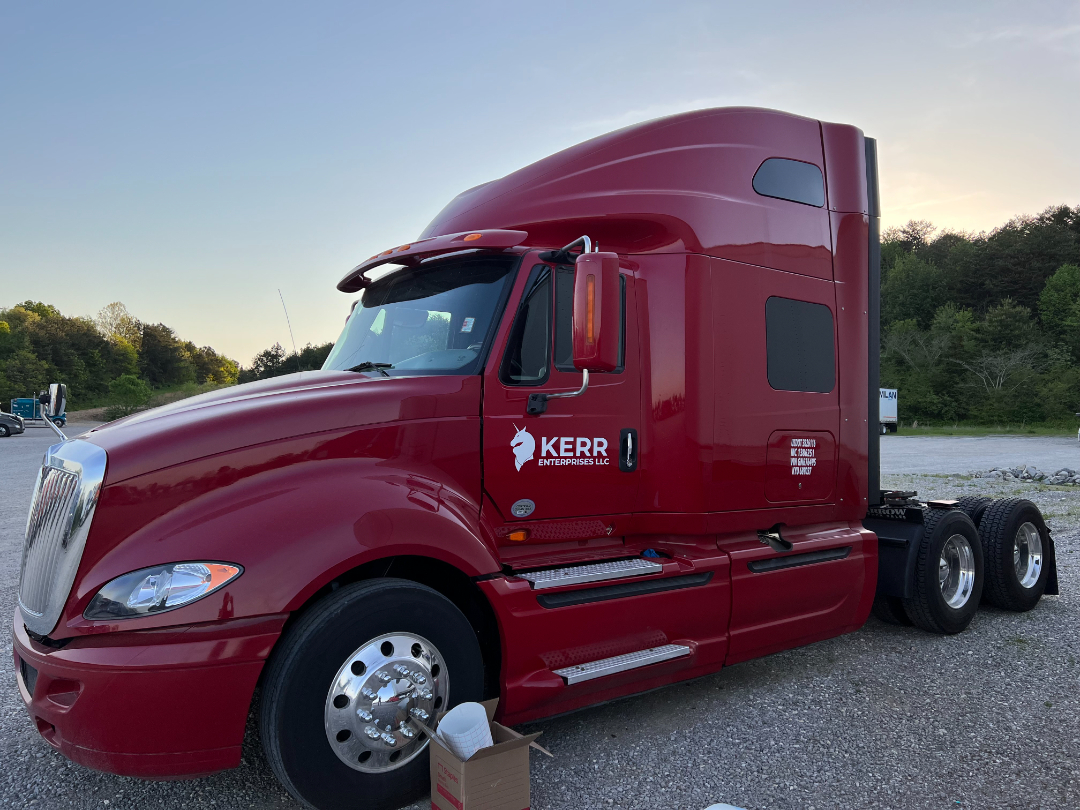
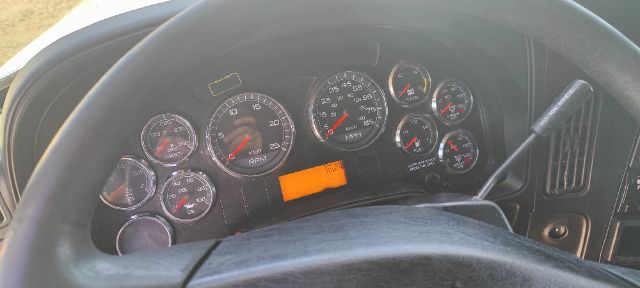
Selling a used 2016 international conventional sleeper truck? List your used 2016 international conventional sleeper truck for sale to reach thousands of commercial buyers.
Used 2016 International Conventional Sleeper Trucks
On 2016 International sleeper trucks, Cummins power is common, especially ISX and ISX15 configurations in the 400 to 450 horsepower range. Eaton Fuller automated and manual transmissions are both seen, along with tandem rear axles, air ride suspension, and highway gearing such as 2.64, 3.08, or 3.36 depending on the application. Sleeper sizes often fall in the 73-inch range, with mid-roof and high-roof layouts available, and many trucks include dual bunks, inverters, bunk heaters, dual fuel tanks, and sliding fifth wheels. Wheelbases, axle ratios, and fuel capacity matter more than they look on paper because they directly affect bridge compliance, trailer gap, ride quality, and how the truck performs in fuel-sensitive over-the-road service.
For a buyer comparing used 2016 International conventional sleepers, the key inspection points are mileage, idle hours, maintenance records, and emissions repairs. DPF, SCR, EGR, sensors, wiring, and aftertreatment service history deserve close attention on any 2016 emissions-era truck. Check for clutch wear or calibration issues on automated manuals, front end play, air system leaks, brake condition, and signs of uneven tire wear that could point to alignment or suspension problems. Inside the cab, look at bunk condition, HVAC performance, inverter setup, and any evidence of water intrusion around seals or marker lights. A well-kept sleeper with documented work can still make sense for an owner-operator, small fleet, or dedicated lane operation where uptime and operating cost have to stay balanced.
International conventional sleeper trucks from this year appeal to buyers who want a straightforward aerodynamic road tractor with familiar controls and a cab designed for daily use. They are commonly spec'd for dry van, reefer, and general freight work, but can also be found on dedicated contract lanes where fuel economy and driver comfort matter. If the truck has the right sleeper size, rear ratio, and service history for the route, a used 2016 International sleeper can be a cost-effective way to add highway capacity without stepping into late-model pricing.
Frequently Asked Questions about Used 2016 International Conventional Sleeper Trucks
What engine is most common in a used 2016 International conventional sleeper truck?
The most common engine in this category is a Cummins ISX or ISX15, typically rated around 400 to 450 horsepower. These engines are widely used in long-haul applications and are familiar to many independent shops and fleet maintenance departments. Buyers should verify the exact engine rating, mileage, overhaul history, and emissions-related repairs because two trucks with the same engine can have very different operating costs depending on how they were maintained.
What sleeper size is typical on a 2016 International ProStar?
A 73-inch sleeper is one of the most common configurations, usually in a mid-roof or high-roof setup. Many have dual bunks, storage cabinets, and room for driver amenities such as an inverter, microwave, or refrigerator. Sleeper layout matters because it affects driver comfort, storage capacity, and the truck's fit for solo versus team operations.
What should I inspect before buying a used 2016 International sleeper truck?
Start with maintenance records, engine hours, idle time, and any recent work on the aftertreatment system. Then inspect the DPF and SCR service history, transmission operation, clutch calibration on automated units, air ride suspension, brakes, tires, and steering components. Inside the cab, check HVAC performance, bunk equipment, electrical accessories, and signs of leaks or neglected interior wear. A pre-purchase inspection with ECM download is a smart step on any 2016 sleeper truck.
Is a used 2016 International conventional sleeper good for owner-operators?
It can be a solid owner-operator truck if the purchase price, maintenance condition, and route profile line up. A 2016 model often offers a lower entry cost than a newer sleeper while still providing an aerodynamic cab, highway sleeper amenities, and common drivetrain options. The decision usually comes down to emissions system condition, expected annual miles, and whether the truck's gearing and sleeper spec match the freight you plan to haul.
What axle ratios and driveline specs are common on 2016 International sleeper tractors?
Common setups include tandem drive axles with air ride suspension and highway-oriented rear axle ratios such as 2.64 or 3.36. The right ratio depends on freight weight, terrain, cruise speed, and transmission type. Lower numerical ratios usually support fuel economy on flat long-haul lanes, while higher ratios can be better for heavier loads or more varied terrain. Buyers should compare axle ratio, transmission gearing, and tire size together instead of looking at any one spec alone.