
Used International Vacuum Trucks For Sale
Browse used International vacuum trucks, including combo jetter and sewer units, with specs on debris body size, water capacity, blower, and PTO setup.
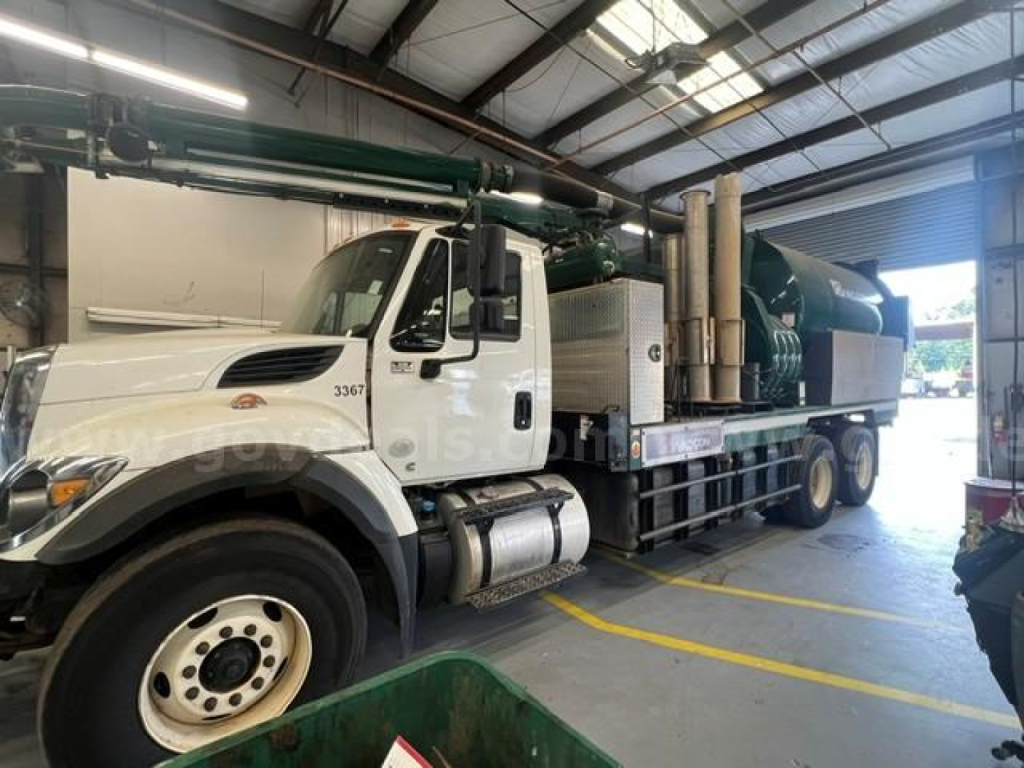
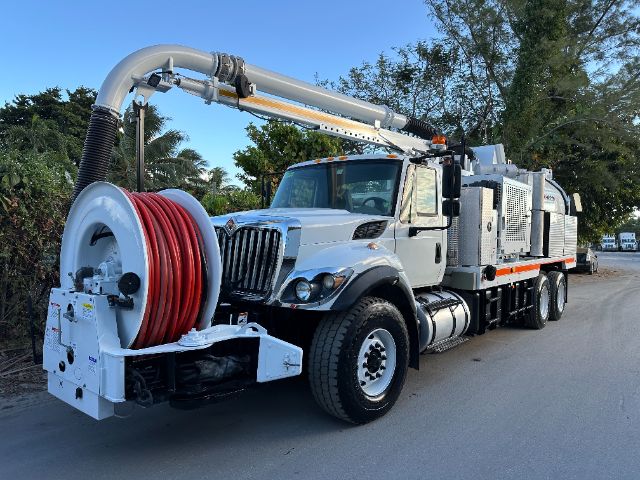
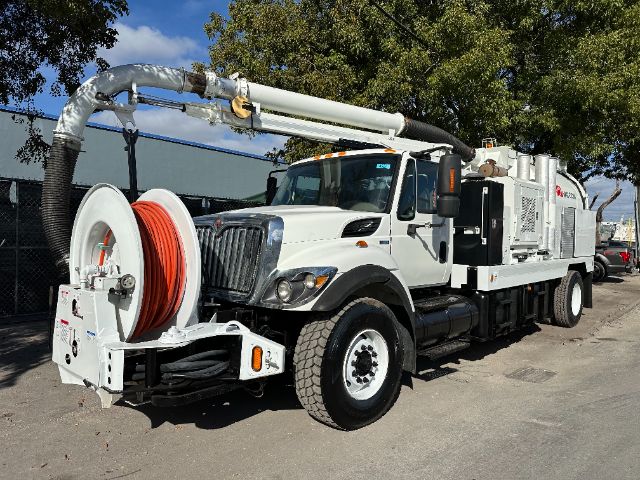
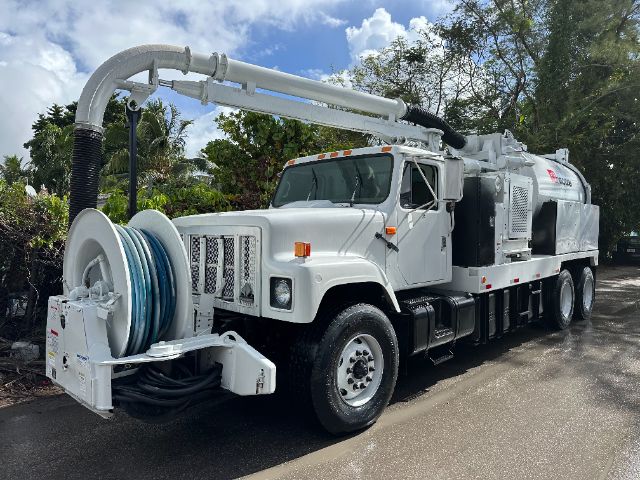
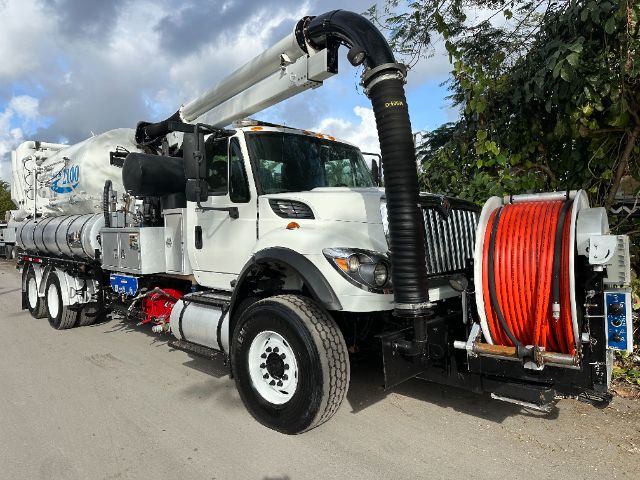
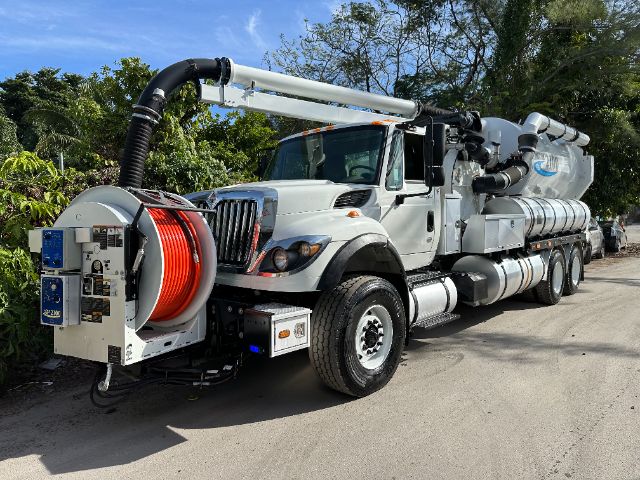
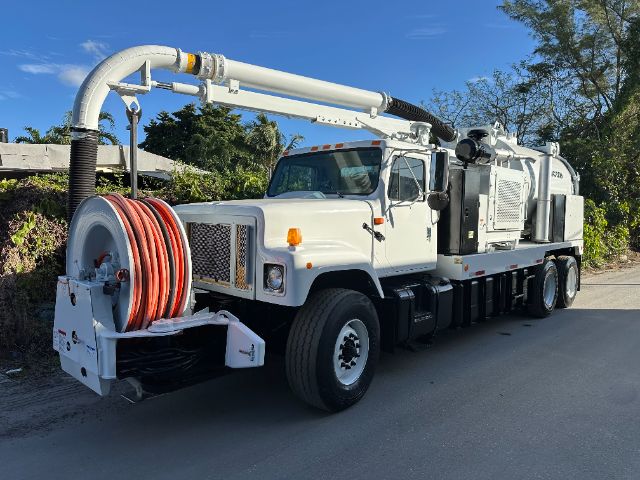
Selling a used international vacuum truck? List your used international vacuum truck for sale and reach thousands of commercial buyers.
Used International Vacuum Trucks
The body and vacuum package matter more than the badge on the hood. Buyers usually start with debris body capacity, freshwater capacity, blower model, water pump output, and PTO or pony motor configuration. A typical used International vacuum truck in this class may carry a 12-yard debris body with roughly 1,300 to 1,500 gallons of freshwater, supported by a Roots positive displacement blower and a jetter pump in the 60 to 80 GPM range at 2,000 to 2,500 PSI. That spec range fits a lot of municipal sewer cleaning work. If the truck will handle longer hose runs, heavier material, or more demanding daily production, pay close attention to blower condition, tank integrity, rear door seals and locks, hose reel operation, and dump body hydraulics.
Used vacuum trucks also need to be evaluated as two machines in one: the chassis and the vacuum system. Engine hours, PTO hours, mileage, and service history all matter, especially on ex-municipal units that may have low road miles but substantial operating hours. On International models, buyers often look at diesel engines such as the DT530, MaxxForce-era engines, or larger vocational diesels depending on year and chassis. Transmission type, axle ratings, suspension setup, brake configuration, and tire size affect how the truck carries a full debris load and how well it handles stop-and-go utility work. A clean operating report should include vacuum performance, jetter pressure stability, hydraulic function, boom or reel response if equipped, and confirmation that the rear door opens, seals, and locks correctly.
For many buyers, the best used International vacuum truck is the one with the right balance of vacuum package condition, legal payload, and serviceability. Older trucks can still be productive if the blower, pump, plumbing, hydraulics, and tank structure have been maintained, while newer units may offer lower hours, better cab ergonomics, and updated emissions systems that need their own inspection. It also helps to verify if the truck is a straight vacuum unit, a combo sewer cleaner, or a jet-vac configuration, since that determines how well it fits septic, municipal, contractor, or industrial applications. A careful review of maintenance records, corrosion around the tank and subframe, PTO engagement, and wear items on the hose reel and nozzles will usually tell you more than the odometer alone.
Frequently Asked Questions about Used International Vacuum Trucks
What should I look at first on a used International vacuum truck?
Start with the vacuum package, not just the chassis mileage. Debris body condition, freshwater tank capacity, blower model, pump output, rear door seals, hydraulics, hose reel function, and PTO or pony motor operation usually determine how productive the truck will be. After that, review engine hours, PTO hours, frame condition, suspension, brakes, and tire wear to understand total operating condition.
Are International vacuum trucks commonly used as combo jetter trucks?
Yes. Many International vacuum trucks on the used market are combo units equipped with both a vacuum system and a high-pressure water jetter. This setup is common for sewer and storm drain cleaning because the jetter breaks up material and the vacuum system removes it. Buyers should confirm GPM, PSI, hose reel setup, and freshwater capacity to make sure the truck matches the intended line cleaning work.
Is an ex-municipal International vacuum truck a good buy?
It can be. Ex-municipal trucks often have consistent maintenance records and vocational equipment that was serviced on schedule, but they may also have high engine idle time, PTO hours, and body wear from repetitive stop-and-go duty. The key is to compare mileage with operating hours and inspect corrosion, hydraulic systems, tank structure, and vacuum performance before making assumptions based on appearance alone.
What size debris body and water capacity are common on used International vacuum trucks?
A common setup in this category is a 12-yard debris body paired with about 1,300 to 1,500 gallons of freshwater. That size works well for municipal sewer cleaning, catch basin service, and general utility maintenance. Actual capacity should always be matched to axle ratings and local weight laws so the truck can carry a practical load without compromising legal payload.
How important are blower and pump specs on a used vacuum truck?
They are critical because they directly affect suction performance and cleaning capability. Positive displacement blowers from manufacturers like Roots are common, and jetter pumps are often rated around 60 to 80 GPM at 2,000 to 2,500 PSI on combo trucks. Buyers should verify those systems under operation, because worn blowers, weak pumps, leaking plumbing, or unstable pressure can turn an otherwise solid truck into a costly repair project.