
Used International Vacuum Trucks For Sale in Florida
Browse used International vacuum trucks in Florida, including combo sewer jetter units with 12-yard debris bodies and municipal-ready specs.
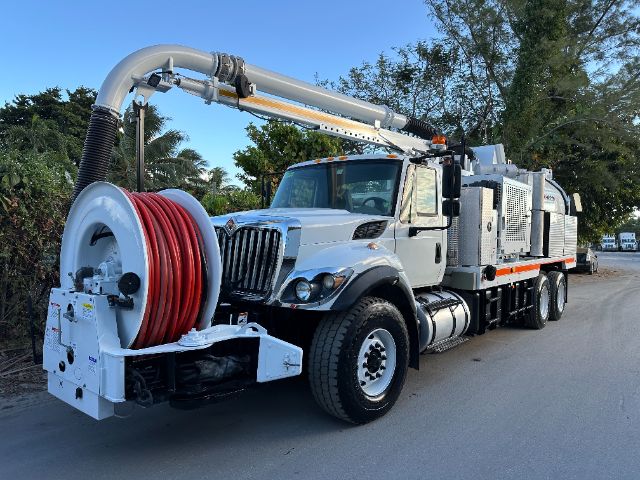
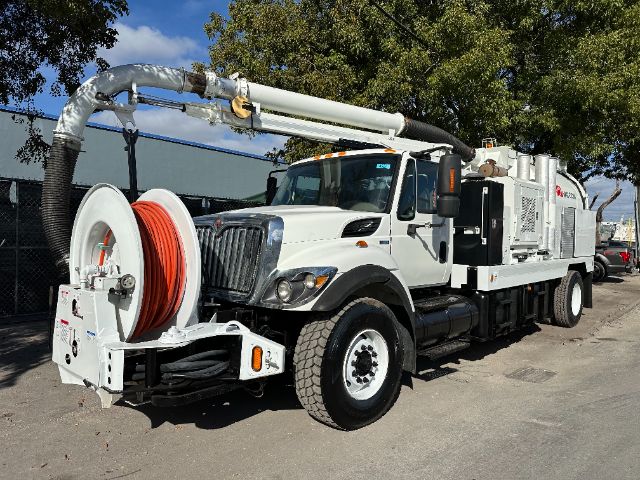
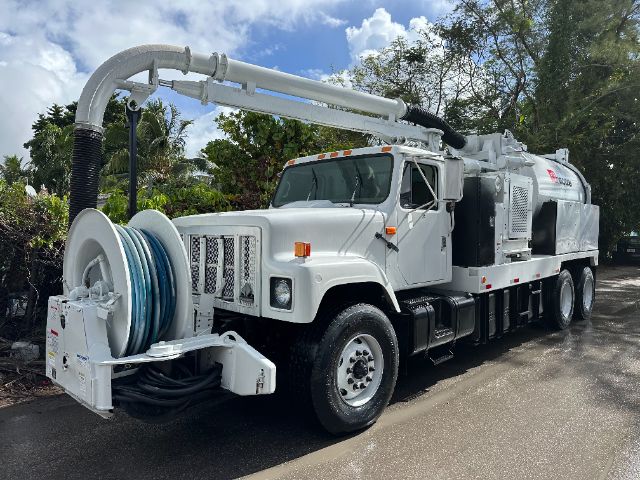
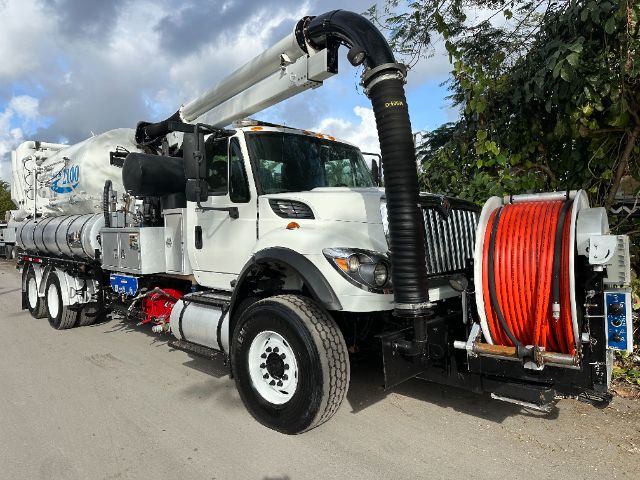
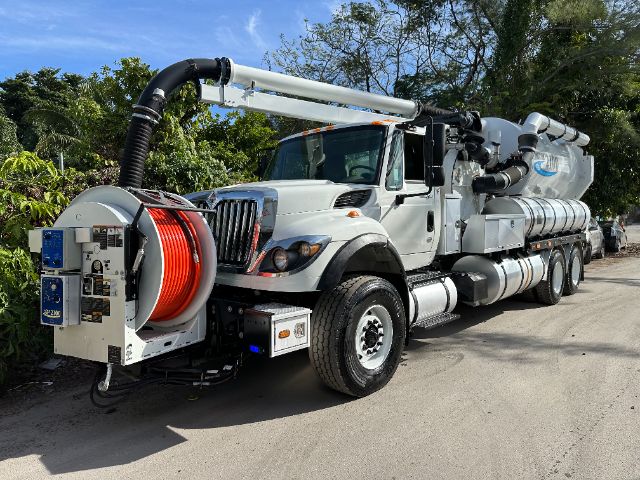
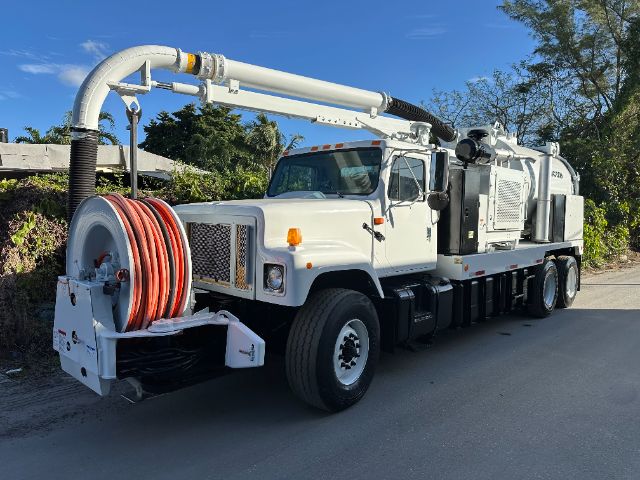
Selling a used international vacuum truck? List your used international vacuum truck for sale and reach thousands of commercial buyers.
Used International Vacuum Trucks in Florida
The most important buying decision is usually the body and vacuum package, not just the truck chassis. A typical used International vacuum truck in this class may have a 12-yard debris body, 1,000 to 1,500 gallons of freshwater capacity, and water pressure ratings around 60 to 80 GPM at 2,000 to 3,000 PSI. Common blower setups include Roots 824 or 827 series PD blowers, while the jetting side may use Bean, FMC, Giant, or similar pumps. Many units are combo trucks with a dedicated pony motor to run the vacuum and jetting systems, while others rely on PTO-driven setups. Buyers should compare pump hours, engine PTO hours, and total chassis miles together, because a low-mile municipal truck can still have substantial working hours on the vac system.
International chassis are popular in this segment because parts support is strong and these trucks are generally well suited to heavy vocational service. On used units, pay attention to corrosion around the debris tank, rear door seals, subframe, hose reels, water tank mounts, and hydraulic components. In Florida, rust is often less severe than in northern markets, but salt exposure, standing water, and municipal duty cycles can still affect body condition and fittings. Tire size, brake condition, axle ratings, and GVWR matter, especially on trucks carrying full water loads and heavy wet debris. If the truck is an ex-municipal unit, service records can be a major advantage, but buyers should still inspect blower condition, pump performance, filtration, boom operation if equipped, and evidence of leaks at valves, plumbing, or the dump system.
For most buyers, the right used International vacuum truck is the one that matches the work profile without overspending on capacity that will not be used. A contractor focused on storm drain cleaning may prioritize water capacity, hose reel function, and jetter output, while a municipal sewer department may care more about debris body size, rear door sealing, and overall reliability over long operating hours. International vacuum trucks are also referred to as sewer vacuum trucks, combo jetter trucks, vacuum jetter trucks, and in some applications sewer cleaners. Matching the chassis, blower, pump, and tank capacities to the intended work is what determines long-term value.
Frequently Asked Questions about Used International Vacuum Trucks in Florida
What is the difference between a vacuum truck and a combo vacuum jetter truck?
A vacuum truck is built primarily to suction liquids, sludge, slurry, and debris into a debris tank. A combo vacuum jetter truck adds a high-pressure water system that can clean sewer lines and break up blockages before the material is vacuumed out. Many used International vacuum trucks in this category are combo units, which are especially useful for municipal sewer maintenance, storm drain cleaning, and catch basin service because one truck can perform both functions.
What specs matter most on a used International vacuum truck?
The key specs are debris body capacity, freshwater tank size, blower model, water pump rating, chassis GVWR, and whether the unit uses a pony motor or PTO-driven system. Buyers should also review miles, engine hours, PTO hours, and blower or pump hours together. A truck with modest mileage can still show heavy vocational use if the vacuum and jetting systems have accumulated significant operating hours.
Are ex-municipal International vacuum trucks a good buy?
Ex-municipal trucks can be a strong value because many have scheduled maintenance records and were operated by trained staff. The tradeoff is that municipal duty can involve frequent idling, repeated PTO use, stop-and-go operation, and long system run times. That is why inspection should focus on the vacuum body, blower, water pump, hydraulics, rear door seals, plumbing, and controls just as much as the engine and transmission.
What body size and water capacity are common on used International combo trucks?
A common setup is a 12-yard debris body with 1,000 to 1,500 gallons of freshwater. That size works well for many sewer and stormwater applications because it balances useful capacity with a chassis that remains practical to maneuver in urban and municipal environments. Water pump output in this category is often around 60 to 80 GPM, with pressure ratings from roughly 2,000 to 3,000 PSI depending on the upfit.
What should I inspect before buying a used vacuum truck in Florida?
Inspect the debris tank, rear door, seals, hinges, hydraulic cylinders, plumbing, hose reels, blower, and water pump for leaks, wear, and repairs. Confirm that the dump body functions correctly and that the vacuum system builds and holds performance under load. In Florida, overall corrosion may be lighter than in snow-belt states, but moisture, coastal exposure, and standing water can still affect wiring, fittings, and structural components, so a full operational test is important.