
Used International Grapple Trucks For Sale
Used International grapple trucks with hydraulic loaders for waste, brush, and debris work. Compare chassis, boom reach, capacity, and body specs.
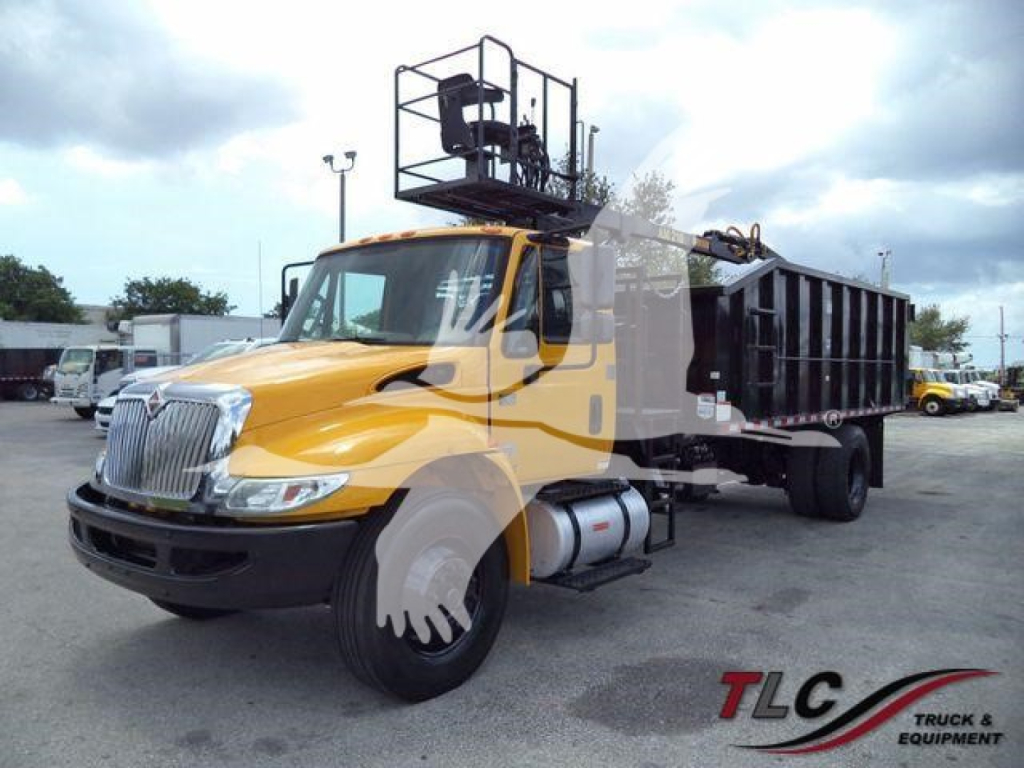
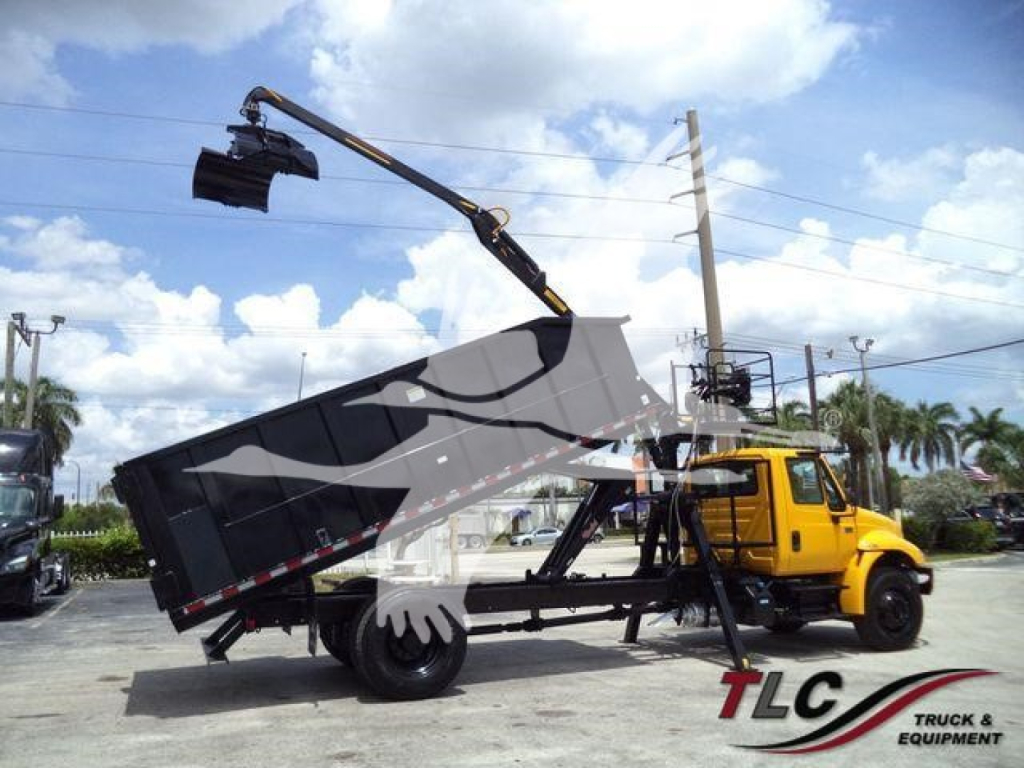
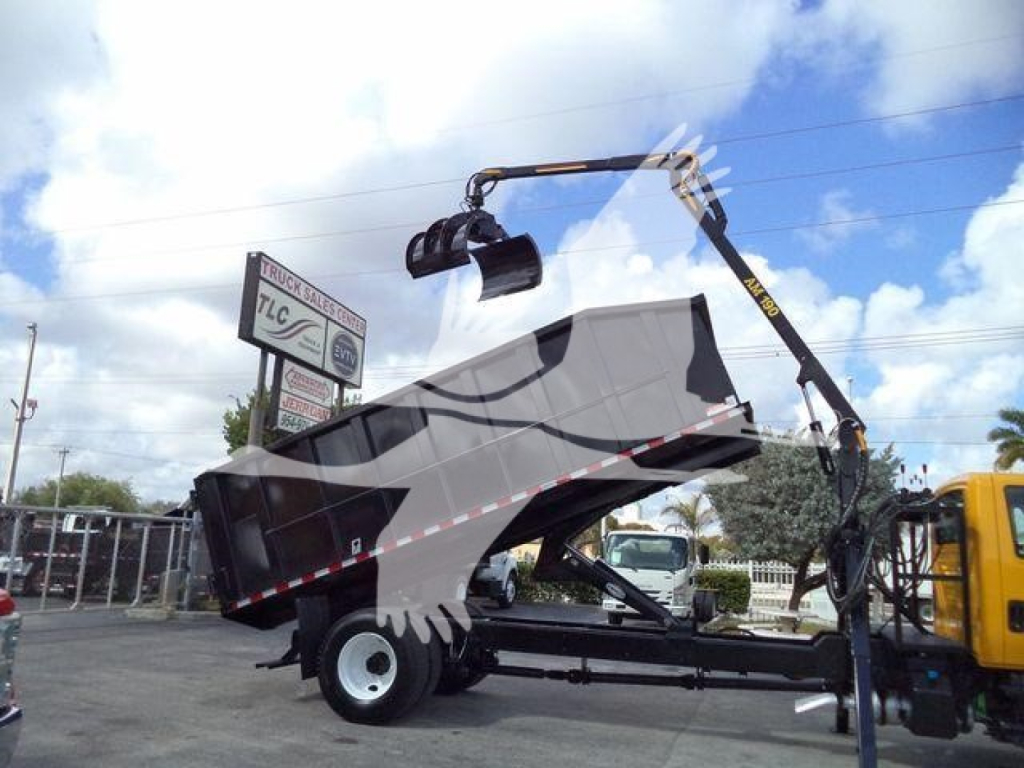
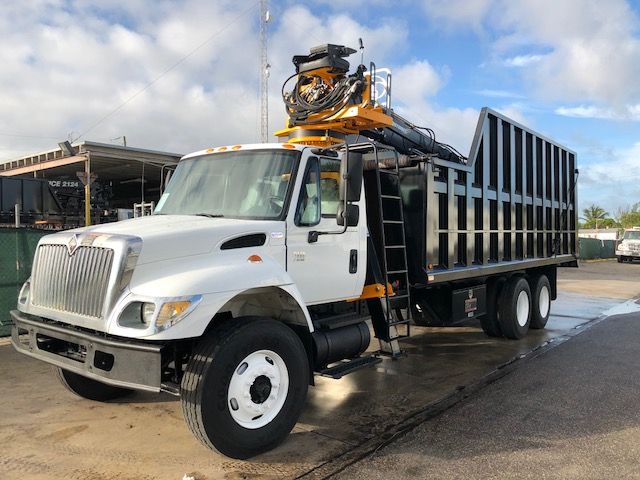
Selling a used international grapple truck? List your used international grapple truck for sale and reach thousands of commercial buyers.
Used International Grapple Trucks
A single-axle International grapple truck is often built for tighter residential routes, lighter debris, and lower GVWR requirements, while tandem-axle trucks are better suited for larger payloads, longer bodies, and heavier loader packages. Common setups include automatic or manual transmissions, diesel engines such as the DT466, HT570, or Cummins, and PTO-driven hydraulic systems powering the hoist and grapple. Reach and lift capacity matter more than many first-time buyers expect. A 20 to 21 foot boom may be ideal for roadside pickup and container loading, but the capacity at full extension can vary significantly from one loader to another. Compare rated lift at mid-reach and full reach, grapple opening width, turret seat or stand-up controls, and whether the truck uses manual valve controls or a more advanced hydraulic control package.
Body configuration is just as important as the loader. Used International grapple trucks may have steel dump bodies in the low-20-yard range or much larger high-side debris bodies around 40 to 50 yards depending on application. Waste and storm-debris trucks often prioritize cubic capacity over dense payload, while brush and construction cleanup fleets may need a body and hoist combination that can handle heavier material without overstressing the chassis. Check the hoist type, body floor condition, sidewall repairs, hinge wear, and tailgate sealing surfaces. On the loader side, inspect pin and bushing wear, boom cracks, hydraulic cylinder leakage, rotator condition, and signs of stress around the pedestal mount. These areas often tell you more about remaining service life than engine hours alone.
For many buyers, an International grapple truck stands out for parts availability, familiar cab layout, and a chassis platform that many municipal and private fleets have run for years. A used unit should still be evaluated like a vocational truck first and a boom truck second. Look at frame condition, brake type, suspension spec, tire size, axle ratings, and any evidence of corrosion from refuse or storm service. If the truck came out of government or municipal use, pay close attention to idle time, hydraulic function, and safety equipment compliance. A well-matched used International grapple truck can be a productive one-operator solution for loading and hauling brush, bulky waste, demolition debris, and recyclables, but the right choice depends on route density, material type, legal weight targets, and the loader’s real working envelope.
Frequently Asked Questions about Used International Grapple Trucks
What should I check first on a used International grapple truck?
Start with the loader and hydraulic system, because that is usually the most expensive vocational component to repair. Check boom pins, bushings, cylinders, hoses, rotator, grapple tines, pedestal mounting area, and PTO engagement. Then verify the chassis specs match the job, including GVWR, axle ratings, suspension, brake setup, and transmission. A truck with a strong engine and decent mileage can still be a poor buy if the grapple structure, dump body, or hydraulic system shows heavy wear.
Are single-axle or tandem-axle International grapple trucks better?
It depends on payload, body size, and operating environment. Single-axle trucks are easier to maneuver in residential areas, alleys, and tighter municipal routes, and they are often used for lighter brush or trash collection. Tandem-axle trucks usually support larger debris bodies, heavier loader packages, and higher legal payload capacity. If the truck will spend most of its time on storm cleanup, bulky waste, or high-volume debris routes, a tandem setup is often the better fit.
How much boom reach and lift capacity do I need on a grapple truck?
Buyers should match the loader to the actual pickup radius and material handled, not just choose the longest reach available. Many grapple trucks in this class have around 20 to 21 feet of reach, but lift ratings drop as extension increases. For example, a loader may handle substantially more weight at 10 feet than it can at full reach. If the truck will load brush piles from the curb, service transfer sites, or reach over tall body sides, compare the manufacturer’s lift chart carefully and look at the grapple opening and bucket style as part of the package.
What body size is common on a used International grapple truck?
Body size varies by application, with smaller dump-style bodies around the low-20-yard range and larger debris or waste bodies stretching into the 40- to 50-yard class. A larger body is useful for brush, storm debris, and low-density waste, but cubic capacity does not guarantee legal payload if the material is heavy. Buyers should consider body construction, hoist rating, floor thickness, sidewall condition, and how the truck was used previously. A body built for bulky waste may not be the best choice for dense construction debris.
Are municipal and government surplus grapple trucks a good option?
They can be, especially when service records are available and the truck was maintained on schedule. Government units often have specialized upfits, safety lighting, and fleet-standard service intervals, but they may also have high idle hours, route-type wear, and cosmetic corrosion from refuse or outdoor storage. Inspect hydraulic performance under load, confirm the grapple and dump functions operate smoothly, and look beyond odometer mileage. On this type of truck, work history and component condition matter more than the number on the dash.