
Used International Grapple Trucks For Sale in Florida
Used International grapple trucks for sale in Florida. Compare Durastar and 7400 specs, boom reach, body size, GVWR, and loader setup.
Selling a used international grapple truck? List your used international grapple truck for sale and reach thousands of commercial buyers.
Used International Grapple Trucks in Florida
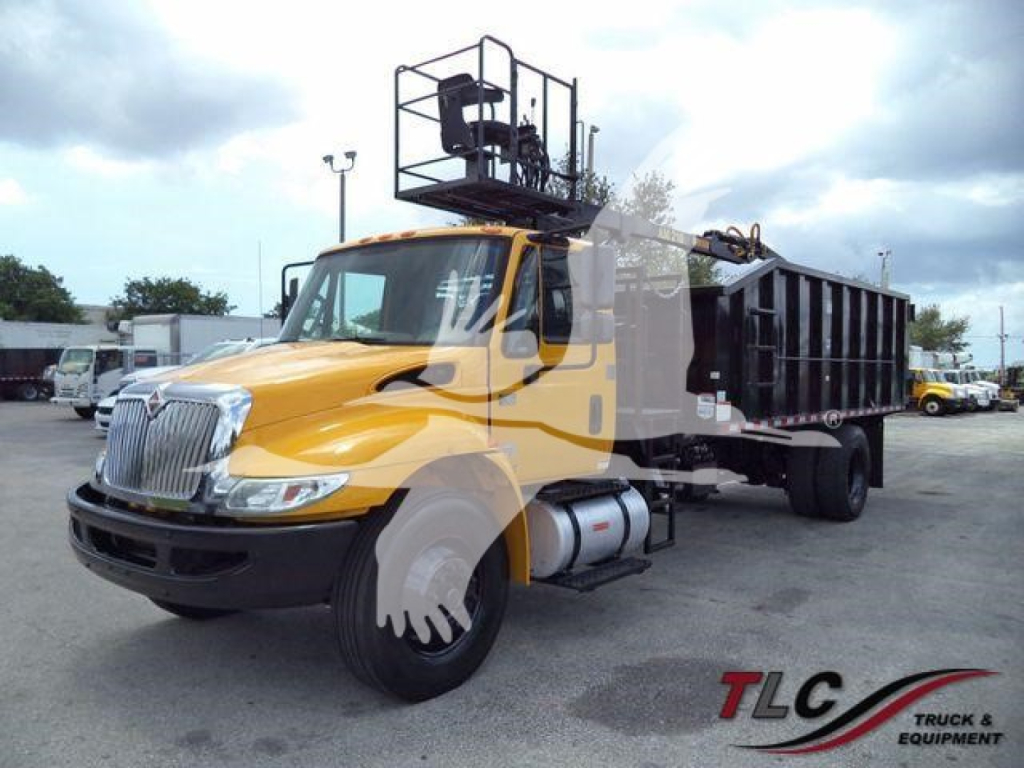
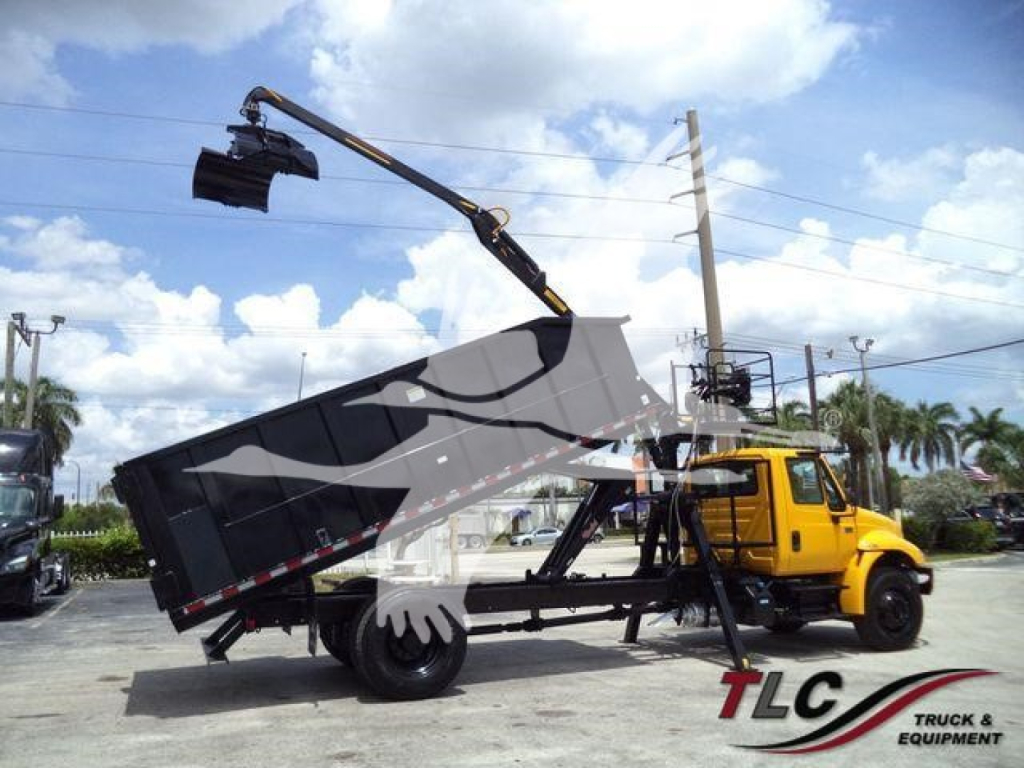
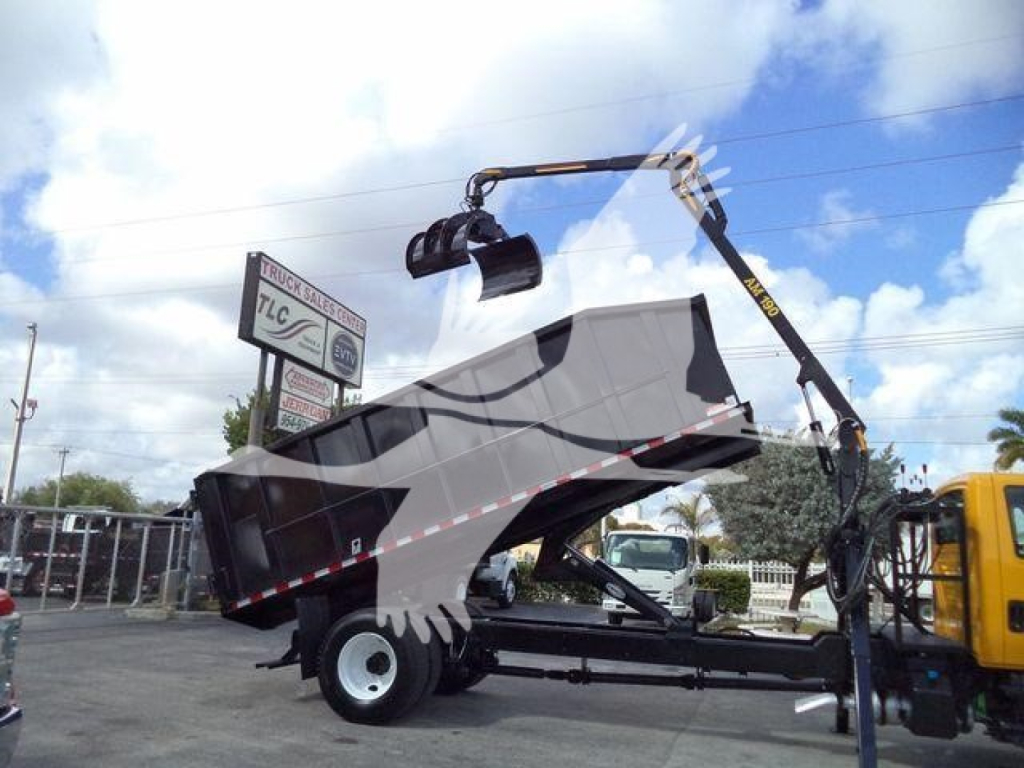
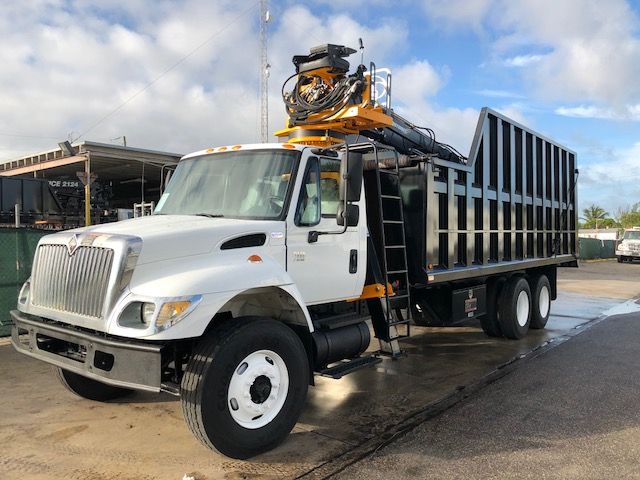
International chassis are popular in this segment because parts support is broad and the platforms are familiar to municipal fleets, tree contractors, and independent waste haulers. Engines commonly seen in this class include the DT466 and mid-range Cummins diesels, paired with manual transmissions such as an 8LL or with automatics on later units. A single-axle grapple truck may carry an 18-foot body in the low 20-yard range, while tandem trucks often move into much larger debris bodies, including 40-yard to 50-yard applications depending on axle rating and local operating requirements. Loader specs matter. Buyers should compare boom reach, lift capacity at mid-reach and full extension, turret seat or stand-up controls, grapple opening, and how the boom is mounted relative to cab protection and body length.
In Florida, corrosion tends to be less about road salt and more about moisture, hydraulic exposure, and hard use in storm cleanup environments. Check the floor, crossmembers, tailgate seals, and upper rail area for cracking or repairs, especially on trucks that handled brush, demolition debris, or mixed waste. Pay close attention to hydraulic cylinders, hose routing, valve banks, pump engagement, and slew performance under load. Outrigger condition is important because grapple trucks spend much of their service life loading off-camber shoulders, rights-of-way, and tight urban pickup points. If the truck is a CDL-exempt 26,000 GVWR single axle, verify that the installed body and loader do not leave the truck payload-light for your material stream. If it is a tandem or all-wheel-drive unit, review turning radius, bridge-sensitive routing, and maintenance history before focusing only on body volume.
A well-matched International grapple truck should be judged as a complete system: chassis, hoist, body, boom, and hydraulic package. Buyers comparing used units should look at frame reinforcement, rear suspension type, brake spec, tire size, pump hours if available, and evidence of proper lubrication at the boom pivots and rotator. For tree and storm work, reach and cycle speed often matter more than pure body capacity. For municipal debris and transfer work, body volume, axle capacity, and tailgate design can drive better productivity. Also known as a grapple loader truck or trash grapple truck, this equipment class earns its value when the loader and chassis are balanced for the material being handled, not simply when the body is as large as possible.
Frequently Asked Questions about Used International Grapple Trucks in Florida
What is the difference between an International Durastar 4300 grapple truck and an International 7400 grapple truck?
The main difference is chassis class and carrying capability. A Durastar 4300 is commonly configured as a single-axle truck around the 26,000 GVWR range, which can be useful for lighter debris routes, urban maneuverability, and some non-CDL applications depending on exact rating. An International 7400 is typically a heavier platform, often tandem axle, with more capacity for larger dump bodies, higher legal payload, and severe-duty debris work. The right choice depends on the weight of the material, route restrictions, and how much boom and body you need on the truck.
What should I inspect first on a used grapple truck?
Start with the hydraulic and loader system because that is where expensive wear usually shows up first. Inspect the boom structure, welds, pins, bushings, rotator, grapple tines, swing bearing, outriggers, and control station. Then check PTO engagement, pump noise, cylinder leaks, hose condition, and hoist function. After that, inspect the body floor, tailgate, frame rails, suspension, brakes, and tire wear. A truck with a decent chassis but neglected boom maintenance can turn into a costly rebuild very quickly.
Is a 26,000 GVWR grapple truck enough for debris and waste work?
It can be, but only for the right material stream and route profile. A 26,000 GVWR single-axle grapple truck is often used for lighter vegetative debris, tree service cleanup, and municipal routes where maneuverability matters. The limitation is payload once you factor in the weight of the chassis, body, boom, hydraulic system, and fuel. If you are loading wet storm debris, mixed C&D, or heavier waste, a tandem-axle truck usually gives better productivity because you spend less time restricted by legal weight.
What boom specs matter most on a grapple truck?
Reach and lift capacity matter most because they determine how efficiently the truck can load from a pile, roadside shoulder, or container area. Buyers should compare maximum reach, lift at mid-reach, lift at full extension, grapple opening, and control style. A truck with a long boom but weak capacity at extension may not perform well with bulky storm debris or dense material. You should also consider turret seat comfort, visibility, and the stability provided by the outrigger setup during repeated loading cycles.
Are International grapple trucks a good fit for Florida operations?
They are a common fit because the chassis are widely used in municipal and contractor fleets, and parts and service support are generally accessible. Florida buyers should pay special attention to heat, moisture, hydraulic wear, and signs of hard storm-response use rather than focusing only on rust. Trucks that have spent time in debris cleanup after major weather events can show accelerated wear in the body, hoist, and loader even if the engine hours or mileage look reasonable. A strong maintenance record is especially important in this market.