
Used 2000 International Trucks For Sale
Used 2000 International trucks with pre emissions power, durable frames, manageable tare weight, and strong parts support. Compare configurations.
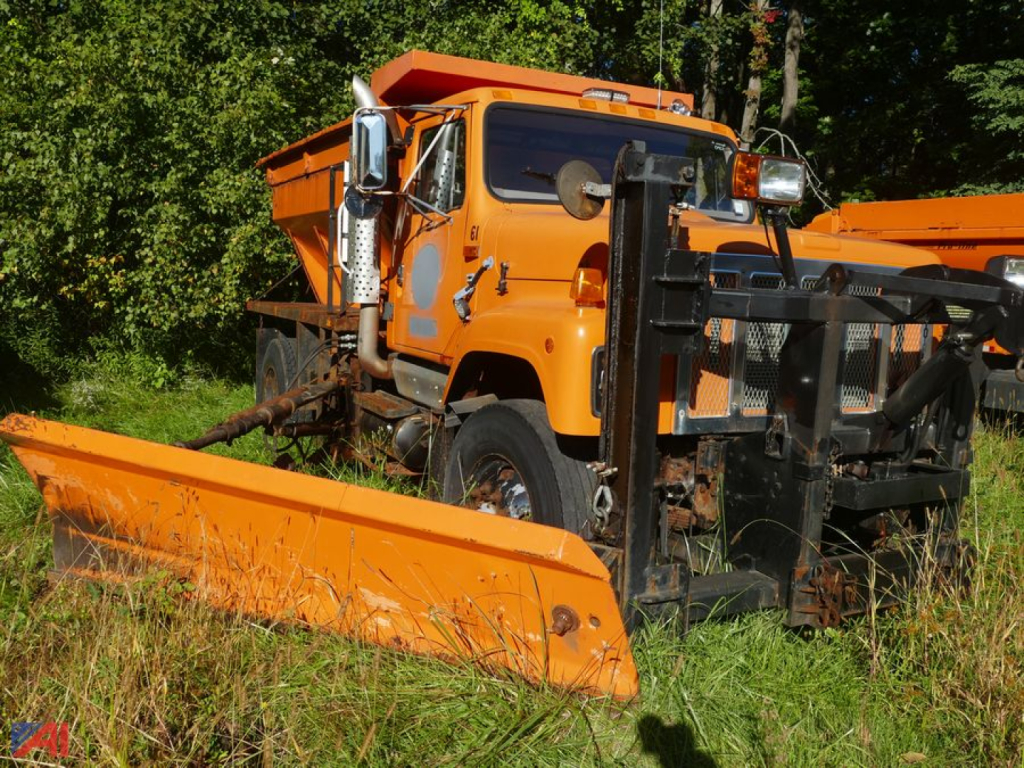
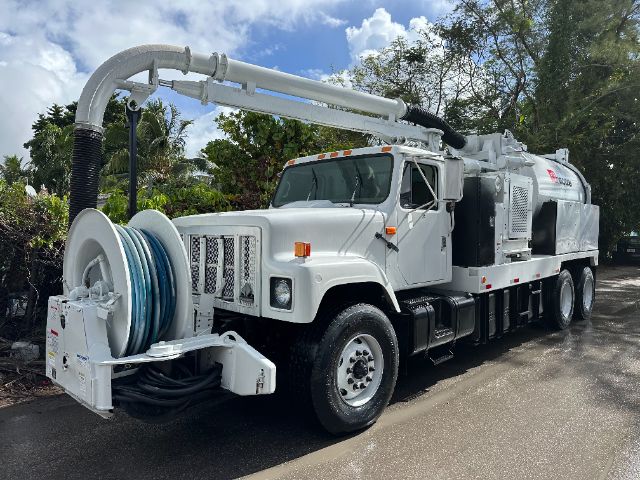
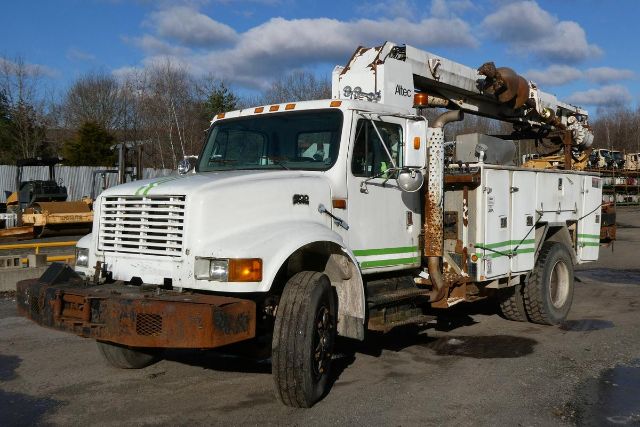

Selling a used 2000 international truck? List your used 2000 international truck for sale to reach thousands of commercial buyers.
Used 2000 International Trucks
Chassis durability is a strength in this era. Frame rails were offered in multiple section modulus and RBM ratings, with vocational models often spec’d with full or partial double frames and heavier crossmembers to handle body loads and torsion. On tractors, inspect the fifth wheel mount structure and rear crossmembers for integrity. On straight trucks, floor strength depends on the body, look for tight crossmember spacing under the cargo floor, intact rear threshold plates, stout scuff liner protection, and evidence of forklift traffic that has not bowed the floor or cracked welds. Sound cab floor pans and solid cab mounts matter for long term rigidity and quieter ride.
Tare weight is manageable by modern standards since there is no aftertreatment mass, but specs vary widely. Day cabs on 9200 or 9400 with aluminum wheels and single 100 to 120 gallon tanks weigh notably less than a long hood 9900 with set forward front axle, large sleeper, and dual tanks. Medium duty 4700 or 4900 with DT466E and Allison will be lighter than tandem highway tractors, but heavy vocational suspensions, double frames, and steel wheels add pounds quickly. Choosing aluminum wheels, single exhaust, and appropriate wheelbase can preserve payload and improve bridge weight distribution without compromising stability.
Corrosion resistance is good where paint and e coat have been maintained, yet age exposes weak spots. Focus on frame flanges near suspension hangers, rear crossmembers, battery boxes, cab steps, door bottoms, cab corners, and radiator support brackets for scaling or perforation. Thermal integrity reflects 2000 era insulation, door and window seals should be supple and sleepers should hold temperature without excessive idle. Verify HVAC performance, condenser and evaporator cleanliness, heater valve function, and that the charge air cooler and radiator are not leaking or plugging. Solid air system health is essential, dry tanks, a responsive air dryer, and tight fittings protect brakes and suspensions, and the simple wiring of this era is serviceable if harness connectors are clean and grounds are intact.
Frequently Asked Questions about Used 2000 International Trucks
Which engines are common in 2000 International trucks and how do they affect ownership costs
Typical engines include International DT466E or DT530E on medium duty chassis, and Cummins N14 or ISM and Caterpillar C10 or C12 on highway tractors. These pre emissions platforms avoid DPF and DEF systems, reducing complexity and heat load. Parts availability remains strong, with widely supported injectors, HEUI components on DT series engines, and plentiful in frame kits for Cummins and CAT. Fuel economy and durability depend on maintenance history and gearing, while overhaul costs are predictable and often lower than later emissions packages.
How do 4700 or 4900 straight trucks compare with 9200, 9400, or 9900 tractors on tare weight and payload
A 4700 or 4900 with a DT466E and Allison automatic typically carries less tare weight than a tandem highway tractor, leaving more payload for local and regional deliveries. A 9200 or 9400 day cab with aluminum wheels and a single tank is lighter than a 9900 long hood sleeper with set forward axle, heavier frame, and dual tanks. Spec choices like suspension type, wheelbase, fuel capacity, and wheel material can swing several hundred pounds, so prioritize components that support your duty cycle while protecting bridge weight limits and payload targets.
What corrosion points should I inspect on a 2000 International
Check frame flanges and web surfaces near suspension hangers, rear crossmembers, battery boxes, cab steps, and body mount brackets for scaling or cracking. Inspect cab corners, door bottoms, windshield pinch welds, and radiator support brackets for rust. Aluminum fuel tanks and steps resist corrosion but look for galvanic reaction at mixed metal joints. Undercarriage washing and fresh chassis paint extend life, and replacing worn cab mounts reduces flex that can open seams and allow moisture intrusion.
How do suspension choices affect ride, handling, and tire life on these trucks
Air ride drive suspensions improve ride quality and reduce cargo shock on tractors and straight trucks, while multi leaf or heavy vocational suspensions increase stability on uneven sites but add weight and stiffness. Set back steer axles help with turning radius, set forward axles offer axle load flexibility for bridge compliance. Matching suspension capacity to actual load and ensuring proper alignment, bushing condition, and tire inflation systems, where fitted, will stabilize handling and extend tire life.
How can I evaluate floor strength and body integrity on a 2000 straight truck
Open the rear and inspect the cargo floor for deflection, broken welds, and wear from forklift tine contact. Look underneath for tight crossmember spacing, intact outriggers, and rust free sill structures. Inside the body, check scuff liners, corner caps, and threshold plates for damage. On flatbeds, ensure deck fasteners are tight, stake pockets and rub rails are not torn, and the headboard is secure. Solid mounting to the chassis, correct U bolt torque, and sound body isolators preserve structural integrity.