
Used International Flatbed Trucks For Sale
Browse used International flatbed trucks with specs, body options, GVWR ranges, and hauling applications for construction, delivery, and equipment.
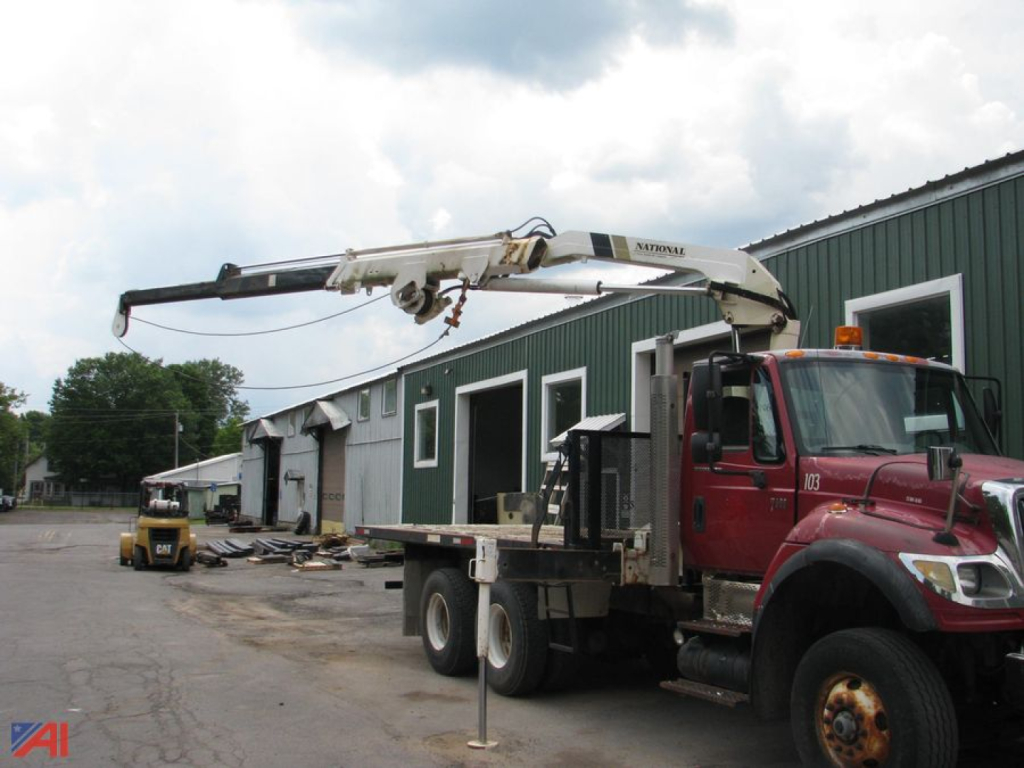
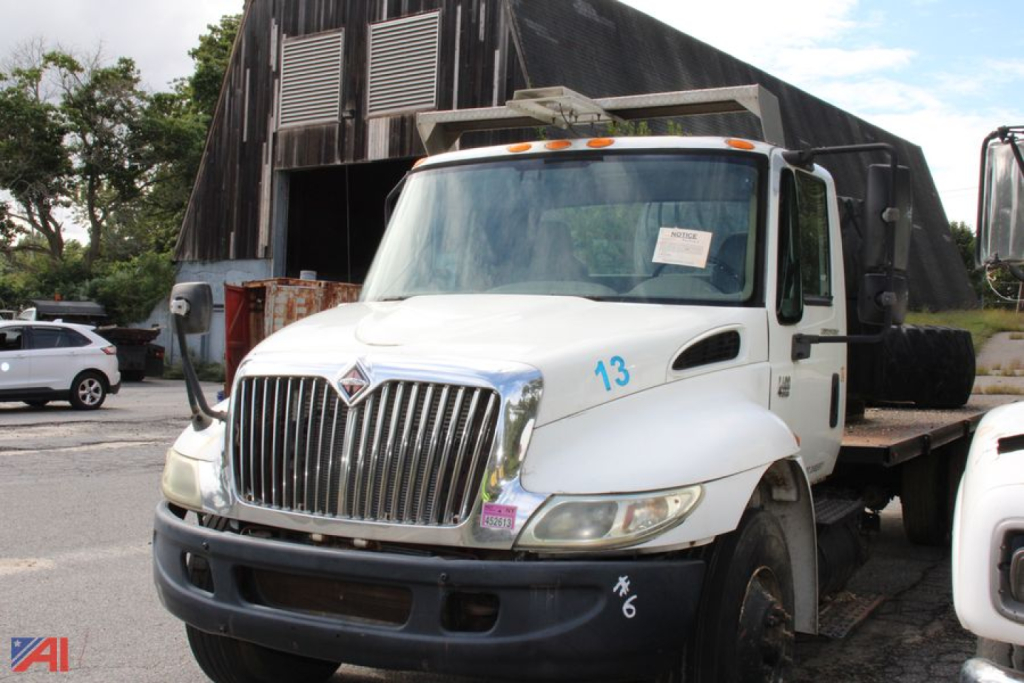
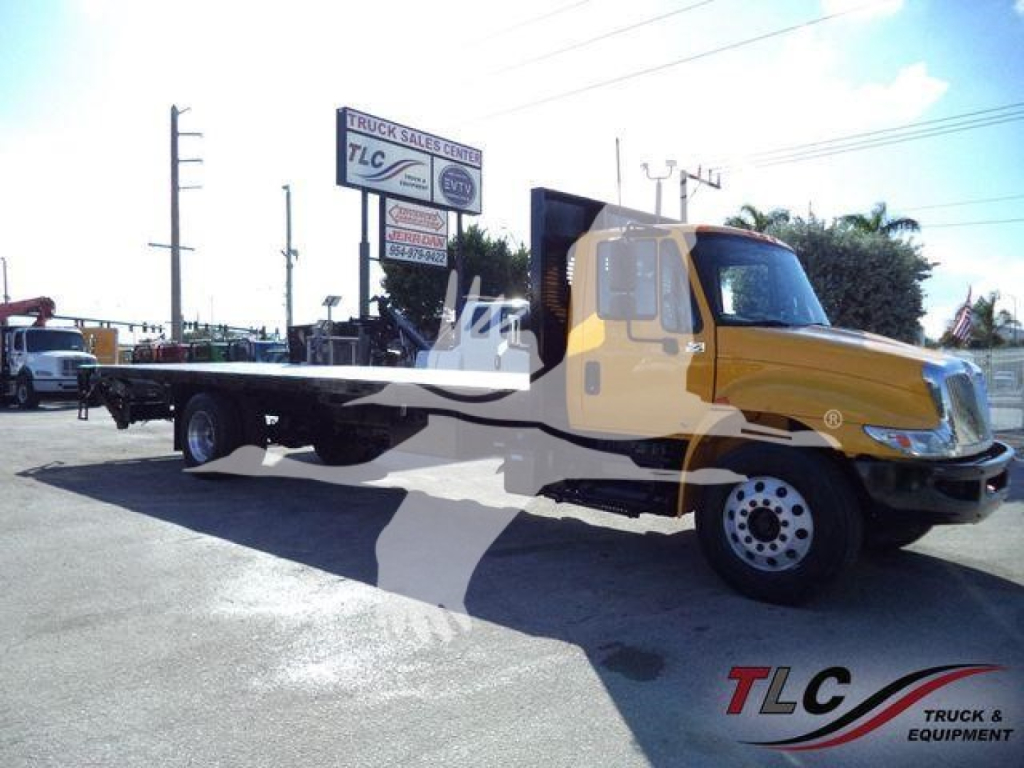
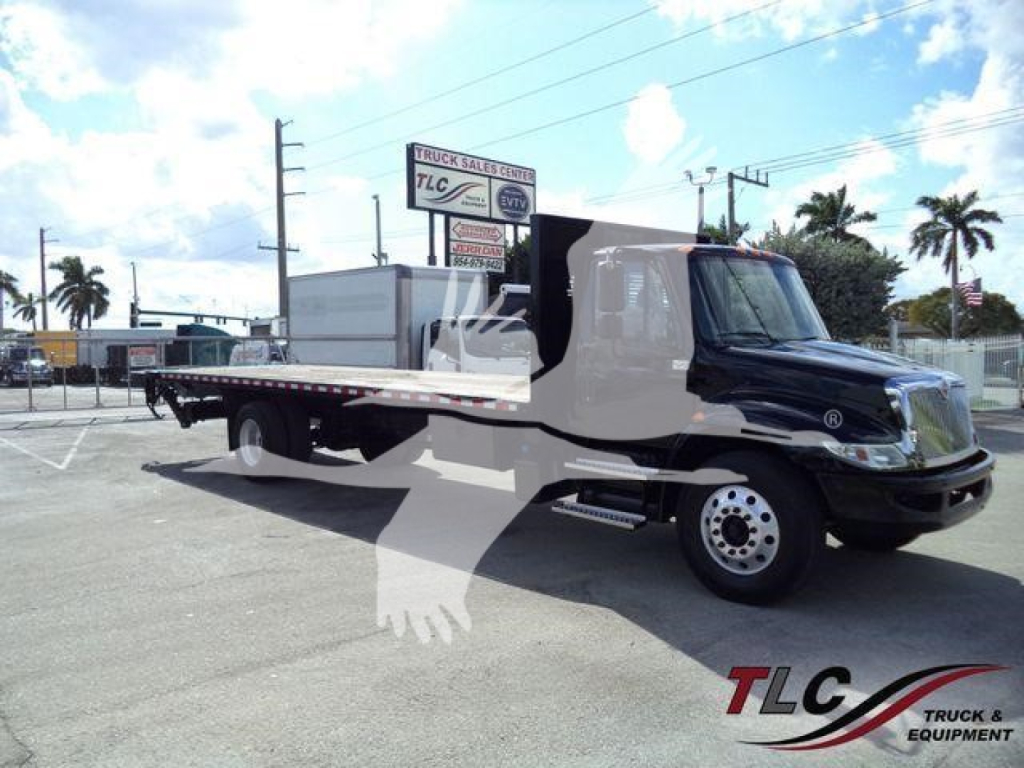

Selling a used international flatbed truck? List your used international flatbed truck for sale to reach thousands of commercial buyers.
Used International Flatbed Trucks
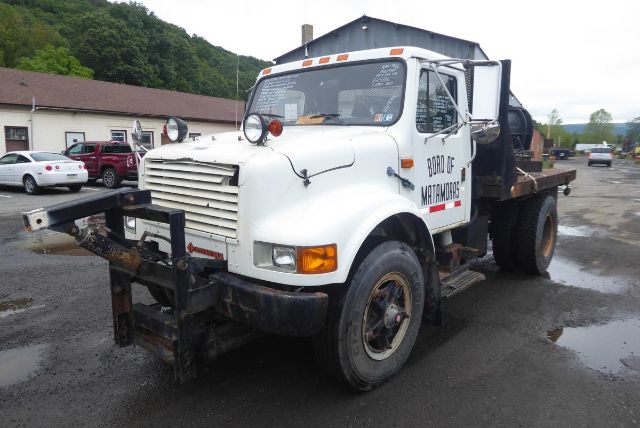
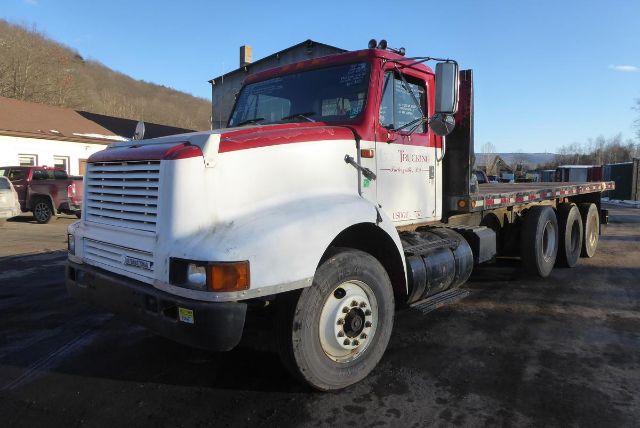
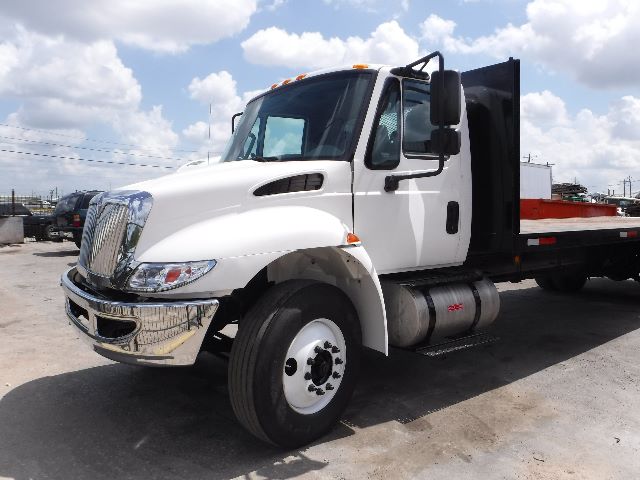
The first buying decision is usually payload and body configuration. International flatbed trucks can be found with steel or aluminum beds, fixed or removable side rails, headache racks, pintle hitches, gooseneck or kingpin-style towing setups, and toolboxes mounted underbody. Steel floors and headboards are common on vocational trucks that handle machinery, scrap, or building products. Bed length, cab-to-axle, and wheelbase matter because they determine usable deck space, turning radius, and how the truck carries concentrated loads. Buyers should also look closely at tie-down equipment such as rub rails, stake pockets, chain spools, winches, and D-rings, especially if the truck will be used for equipment hauling or secured material loads.
Powertrain choices vary widely across used International flatbed trucks. Older models may carry mechanical or early electronic diesel engines paired with Fuller manual transmissions or Allison automatics, while newer units often lean toward modern diesel platforms with more driver-friendly controls. Rear axle ratios, suspension type, and brake system should match the route profile. Spring suspension and lower-speed gearing can make sense for stop-and-go municipal or off-pavement work, while air ride, taller gearing, and higher horsepower are a better fit for regional hauling and better ride quality with mixed loads. On heavier trucks, double frames, lift axles, air brakes, and higher GVWRs are important indicators that the chassis was built for serious payload rather than light delivery duty.
Condition matters as much as specification on a used flatbed. Buyers should inspect the frame rails for corrosion, repairs, waviness, and signs of overloading, then move to the bed structure, crossmembers, floor wear, and headboard integrity. Check hydraulic provisions if the truck has rear auxiliary hydraulics for plows, cranes, or other attachments. Tire size, hub type, brake condition, and axle ratings should all align with the intended use and legal weight requirements in the operating area. International trucks are widely used in municipal fleets, contractor service, and local freight, so a well-matched flatbed can be a practical choice when the chassis, body, and payload rating are evaluated as one package rather than as separate components.
Frequently Asked Questions about Used International Flatbed Trucks
What should I look for first when buying a used International flatbed truck?
Start with GVWR, axle configuration, wheelbase, and bed length because those specs determine what the truck can legally and safely haul. After that, inspect the frame condition, body crossmembers, floor material, tie-down points, and headboard. A used flatbed that looks clean but has a mismatched chassis or weak body setup can be less useful than an older truck with the right ratings and deck configuration.
Which International models are commonly found as flatbed trucks?
Common examples include the International 4300 and CV515 in medium-duty applications, along with heavier models such as the 7300, 4700, and older 8200-series trucks. The exact use depends on how the chassis was spec'd. Some are built for local delivery and contractor work, while others are configured for heavier construction payloads, towing, or municipal service.
Are steel or aluminum flatbed bodies better on an International truck?
Steel beds are typically preferred for rough-duty work, concentrated loads, machinery, and jobsite abuse because they are durable and easier to repair. Aluminum beds reduce body weight and can improve usable payload, which helps in delivery and lighter freight applications. The better choice depends on the cargo, loading method, and how often the truck works in corrosive or high-impact conditions.
How important are wheelbase and cab-to-axle measurements on a flatbed truck?
They are critical because they affect bed length, load placement, turning radius, and the ability to mount accessories such as liftgates, cranes, or toolboxes. Cab-to-axle is especially important if you plan to swap bodies or need a specific deck size. A truck with the wrong wheelbase may carry the load poorly even if the engine and axle ratings look adequate on paper.
What signs of hard use should I watch for on a used flatbed?
Look for frame damage, cracked welds, sagging or repaired crossmembers, excessive deck wear, bent rub rails, and loose or missing tie-down hardware. On heavier International trucks, inspect double-frame sections, suspension mounts, lift axle components, and brake system condition. Uneven tire wear and bed misalignment can also point to overloading, poor maintenance, or previous structural damage.