
Used International Trucks For Sale in Florida
Used International trucks in Florida, from LT tractors to MV box trucks, with specs for payload, cooling performance, and corrosion resistance
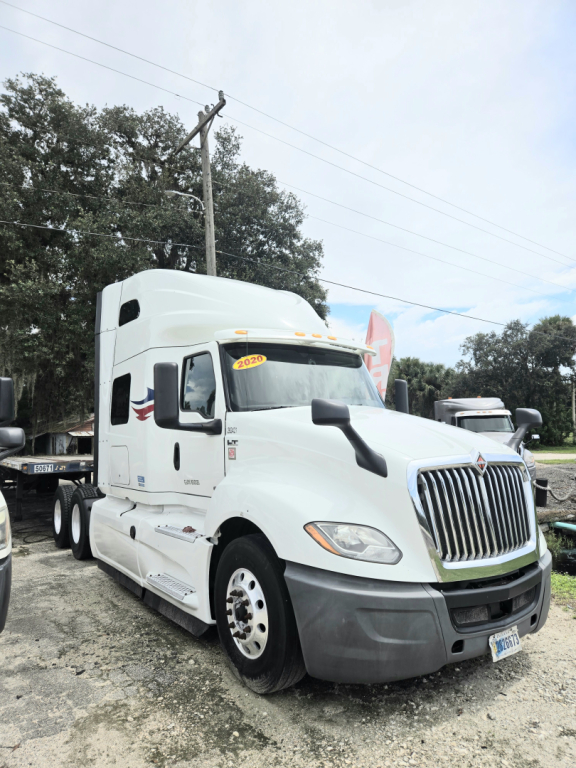
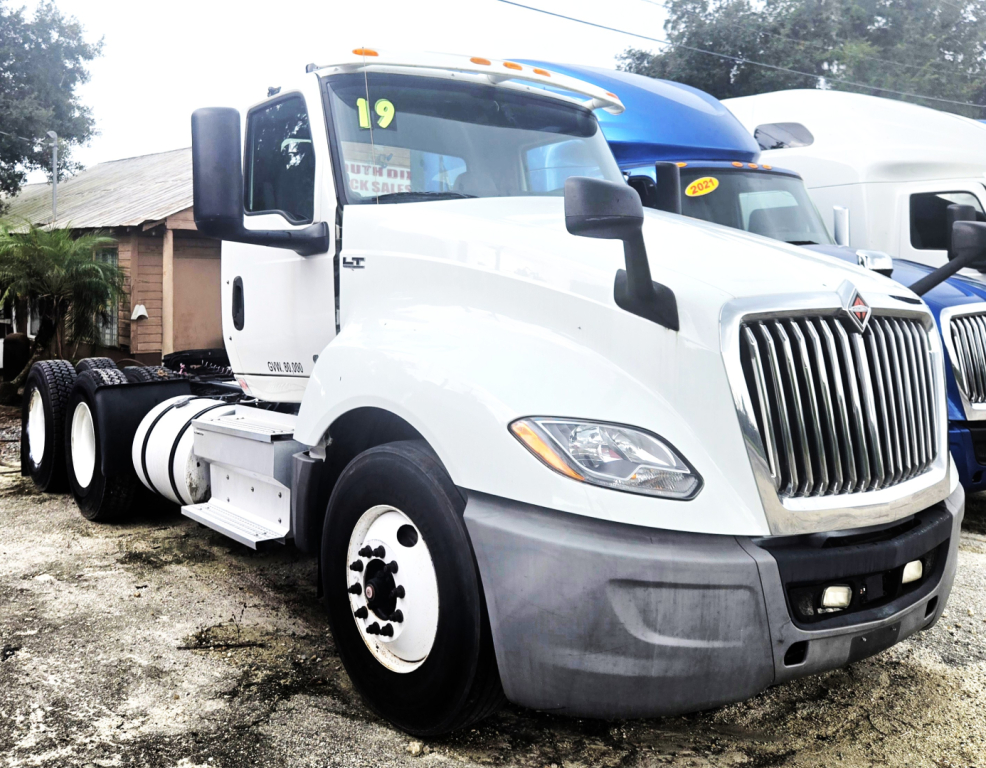
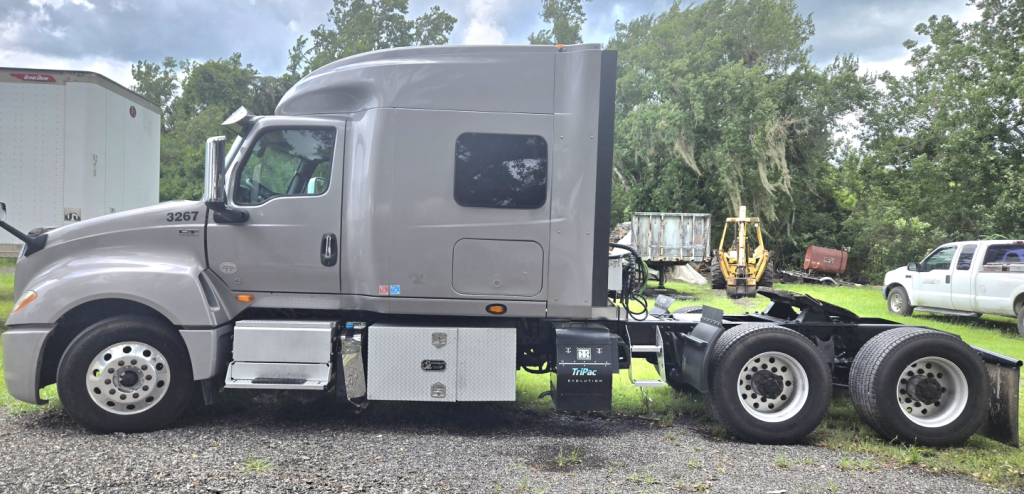
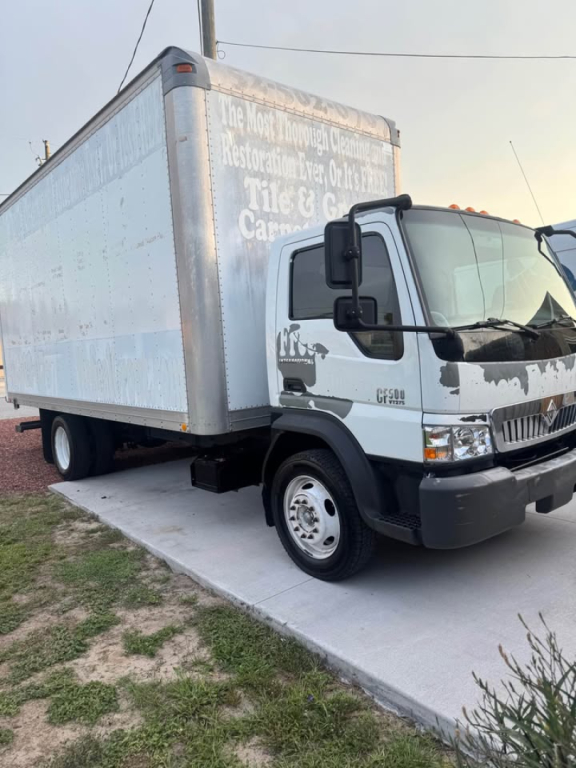
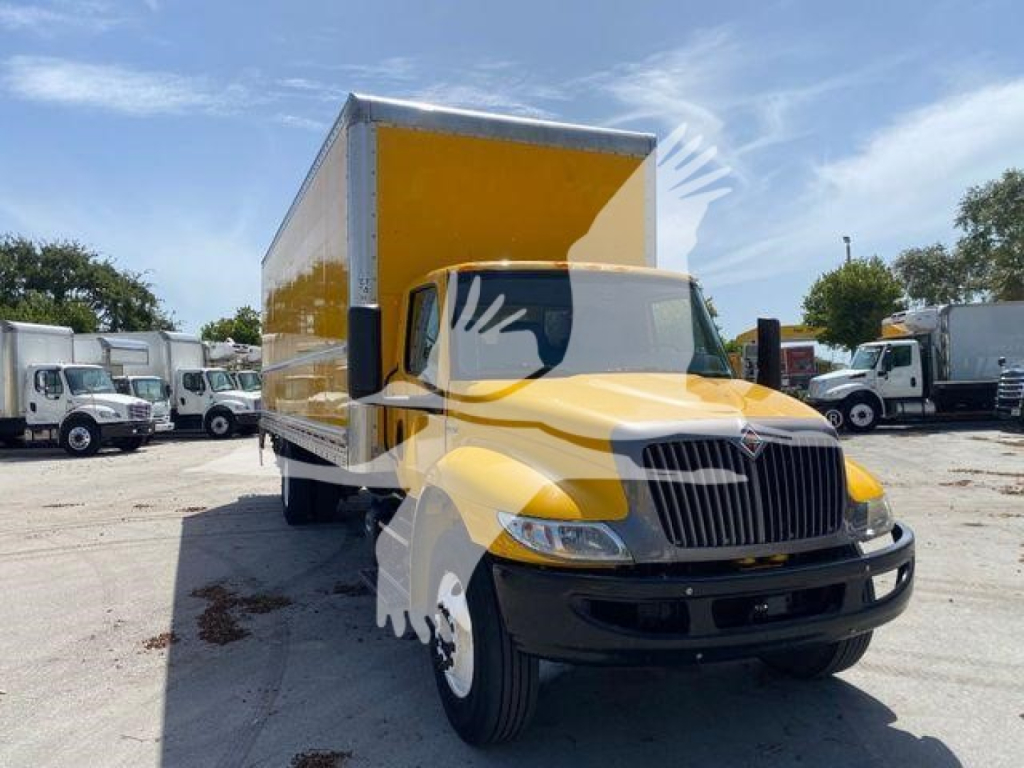
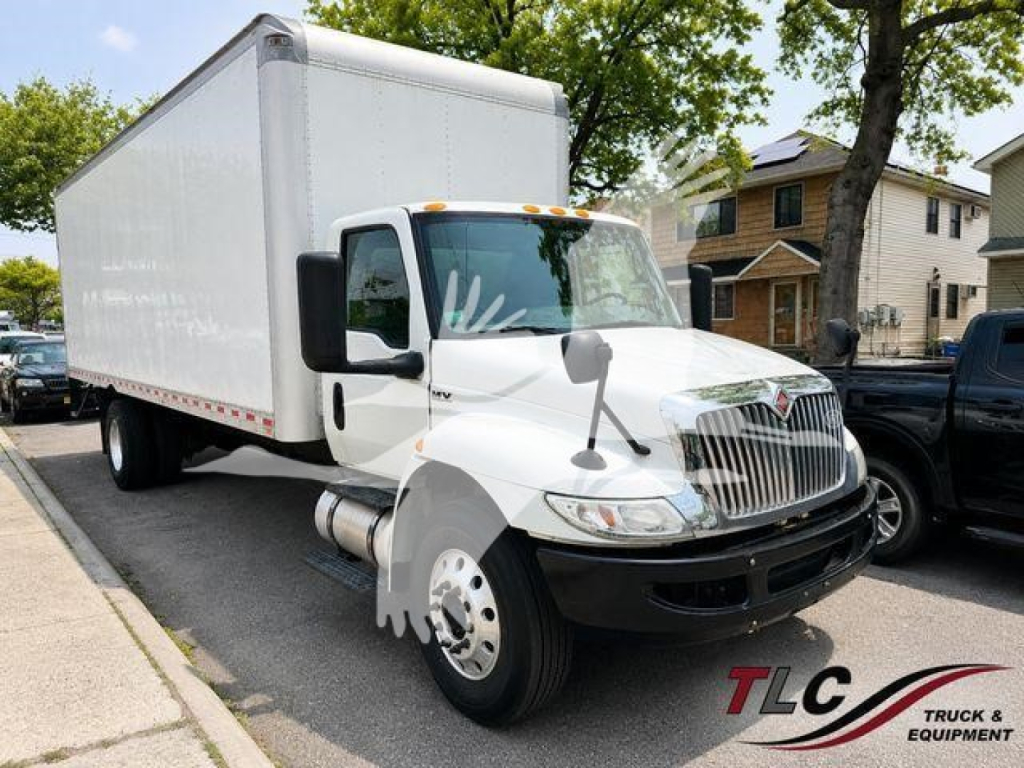
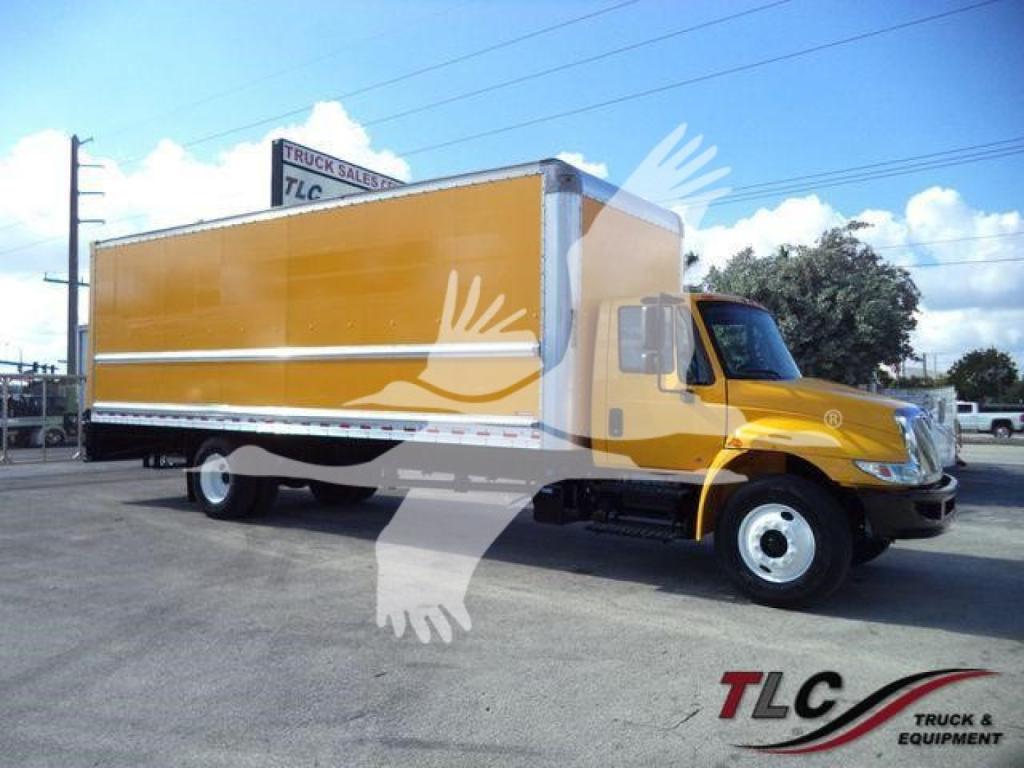
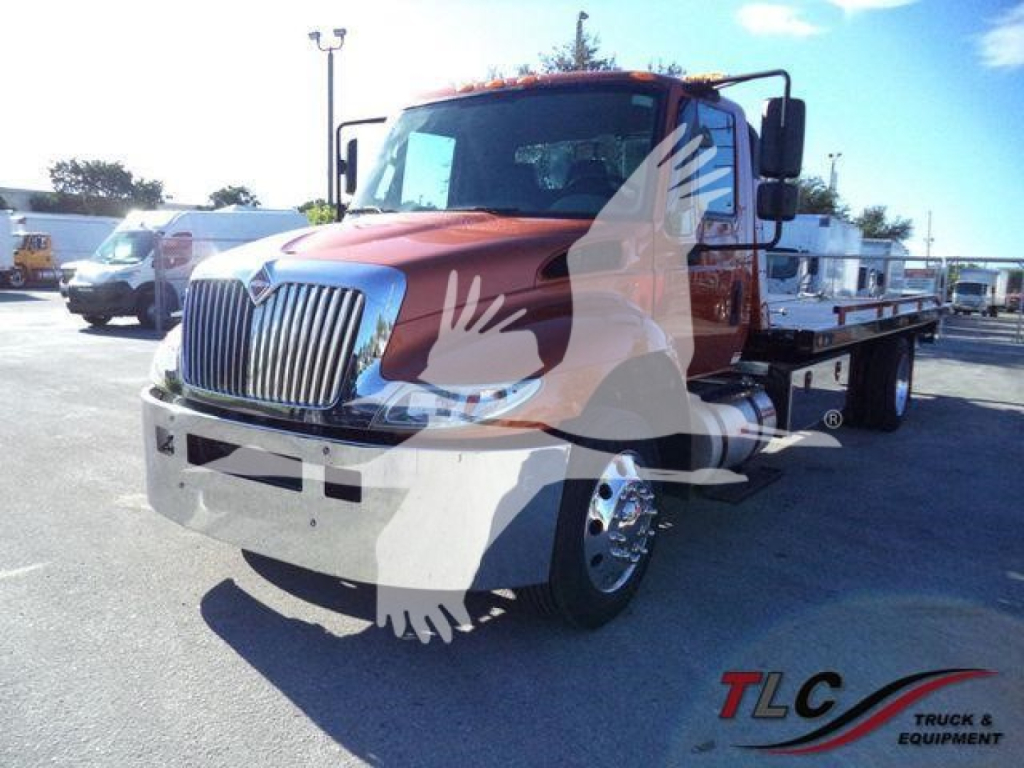
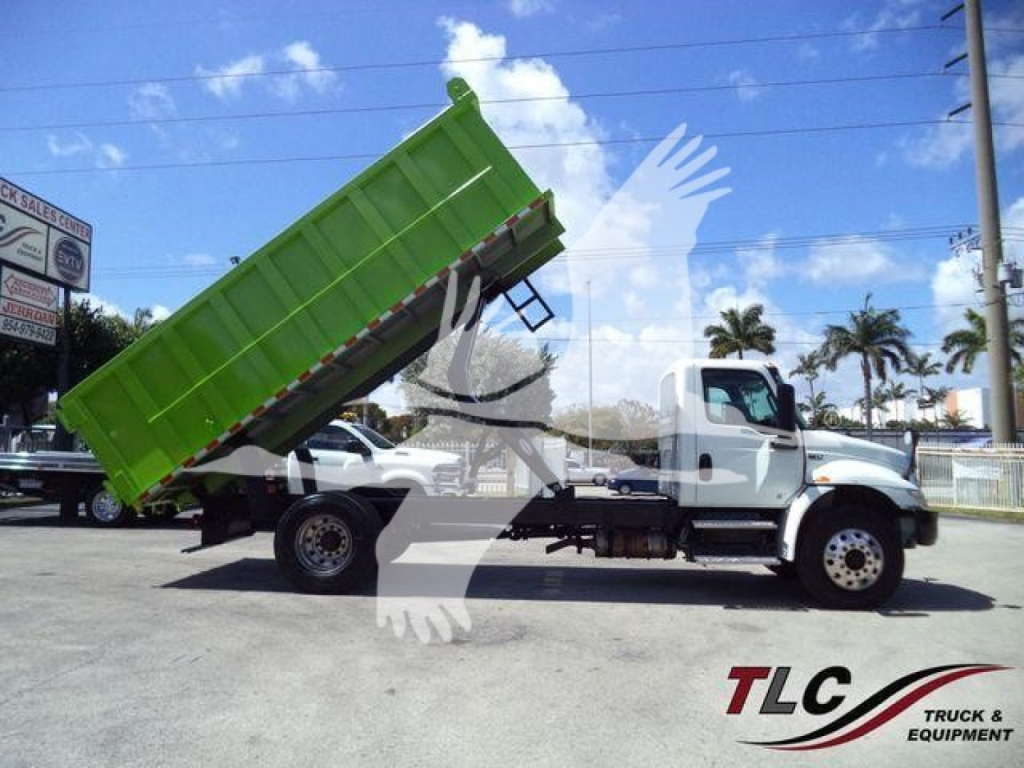
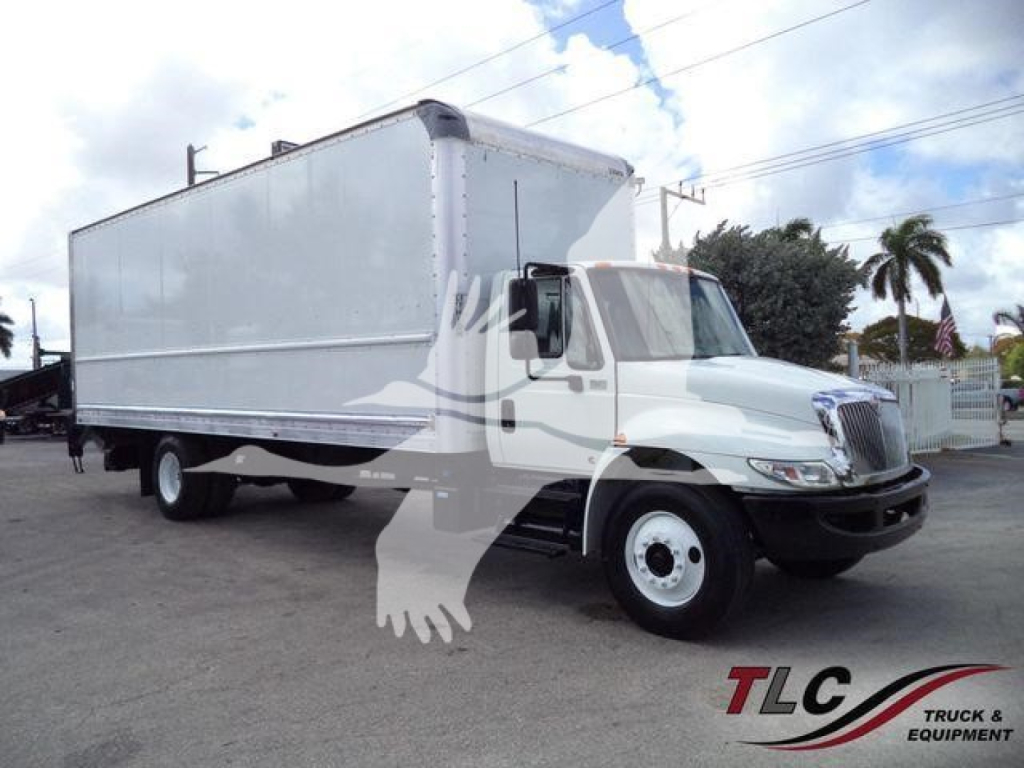

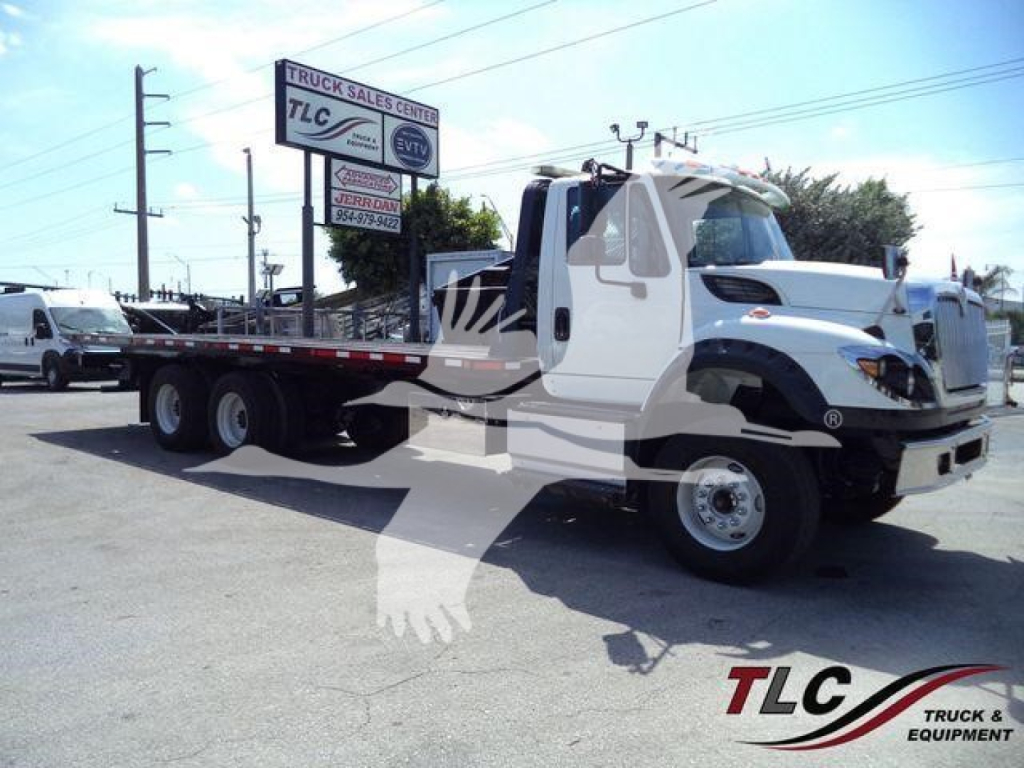
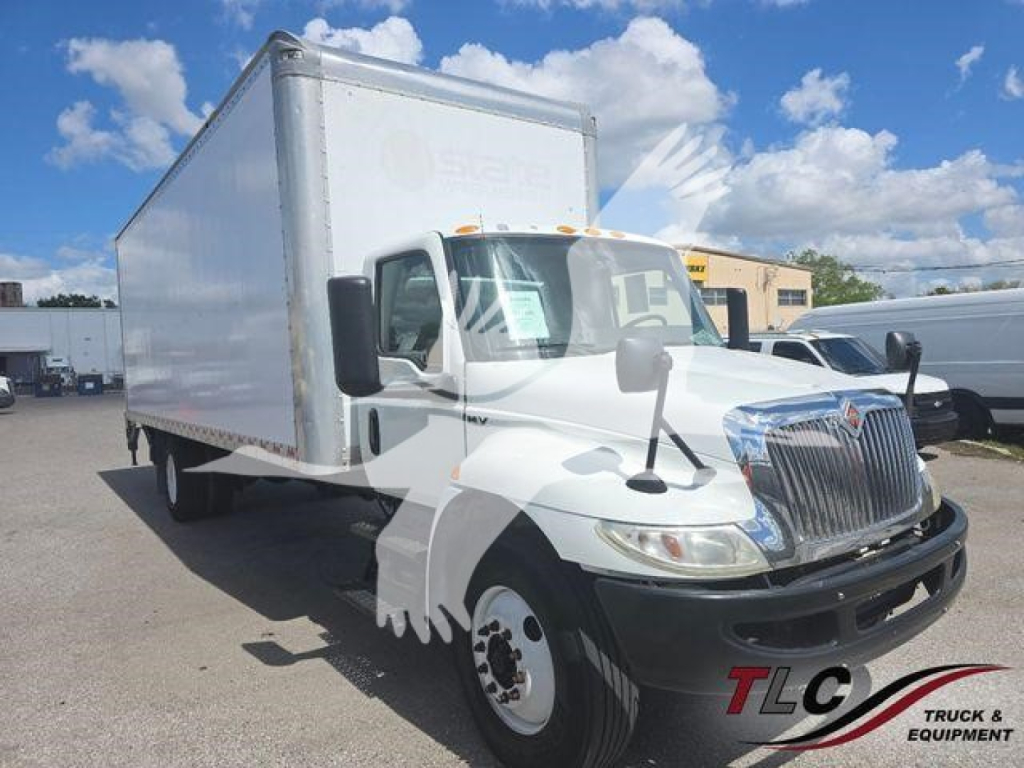
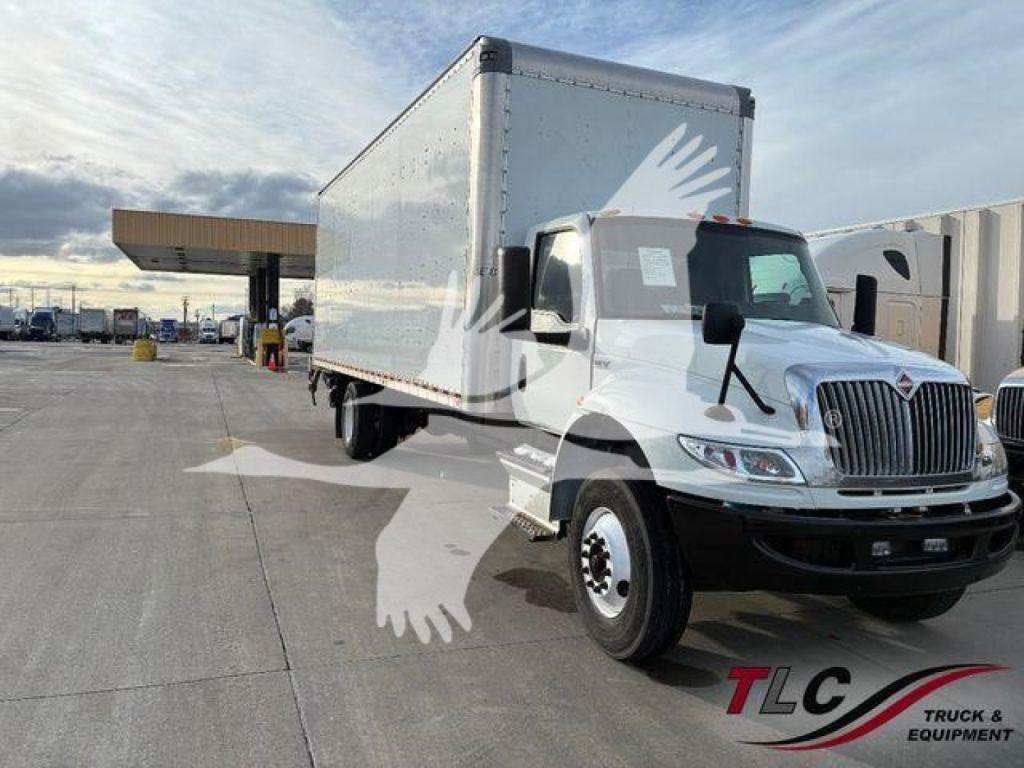
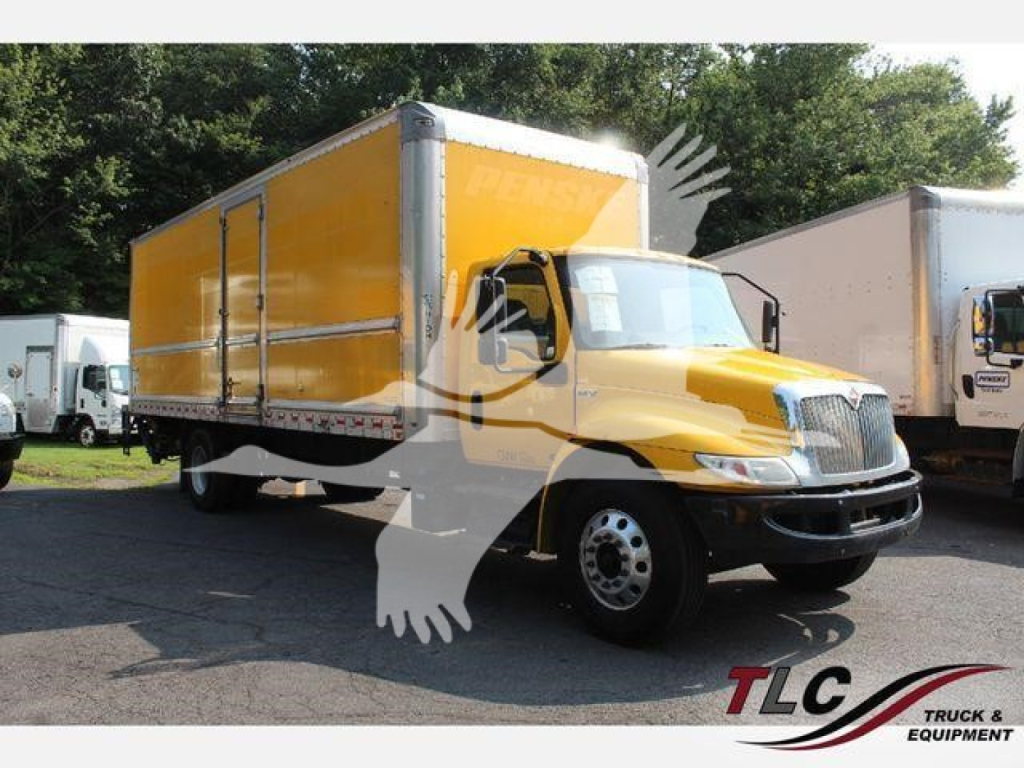
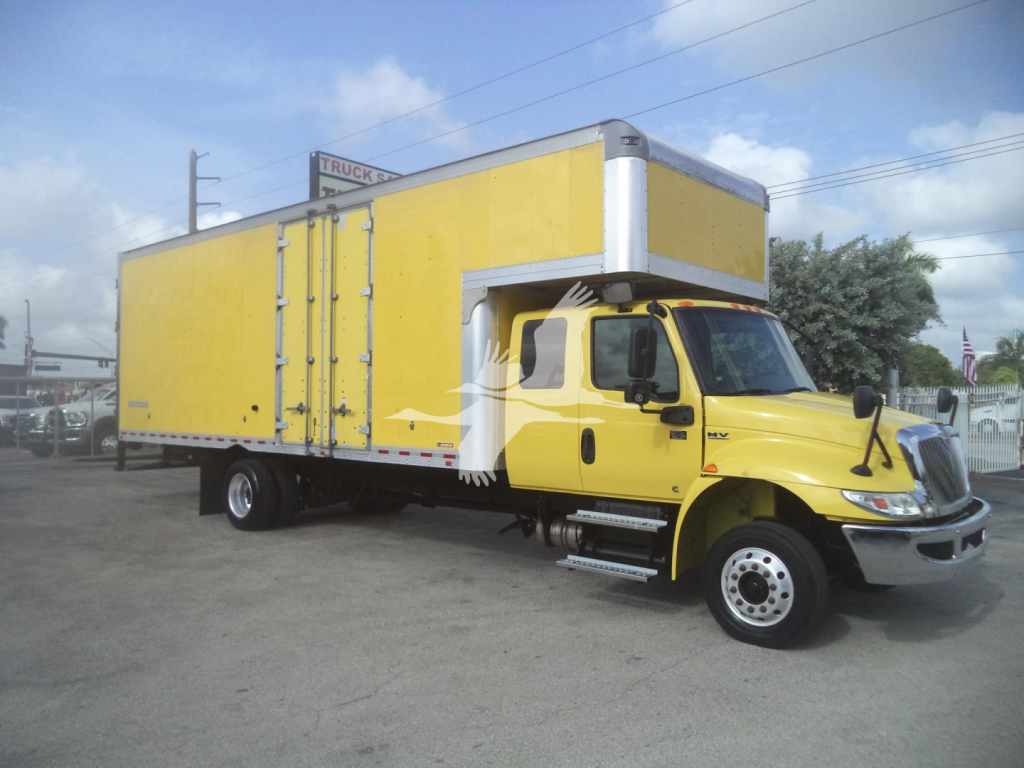
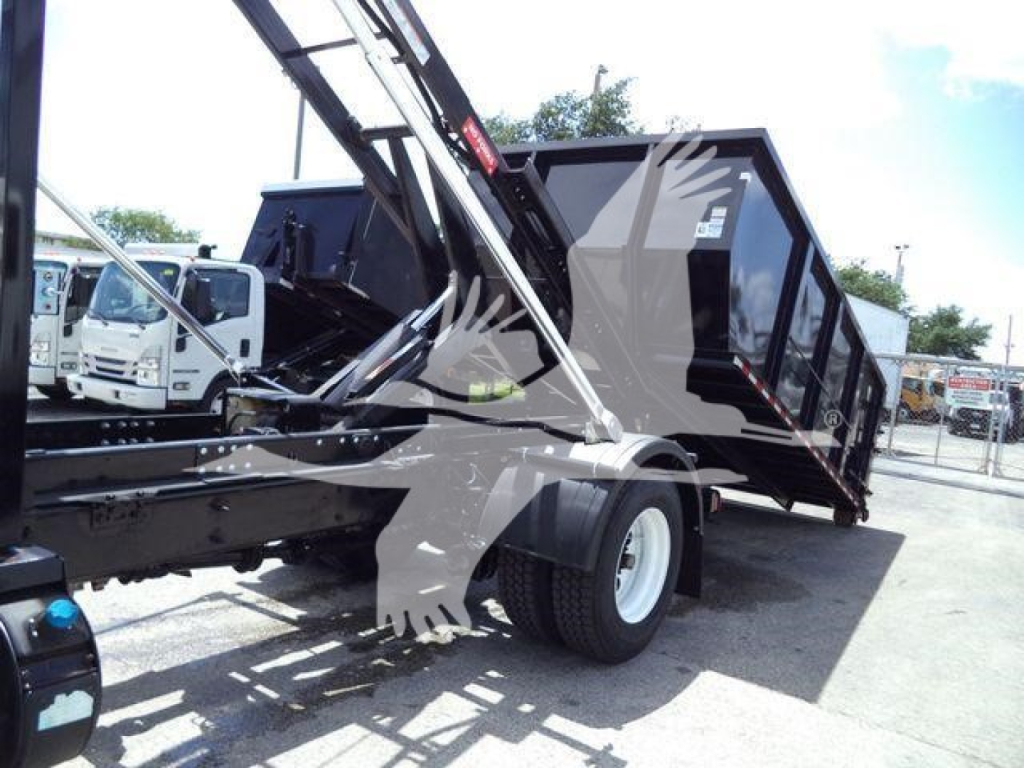
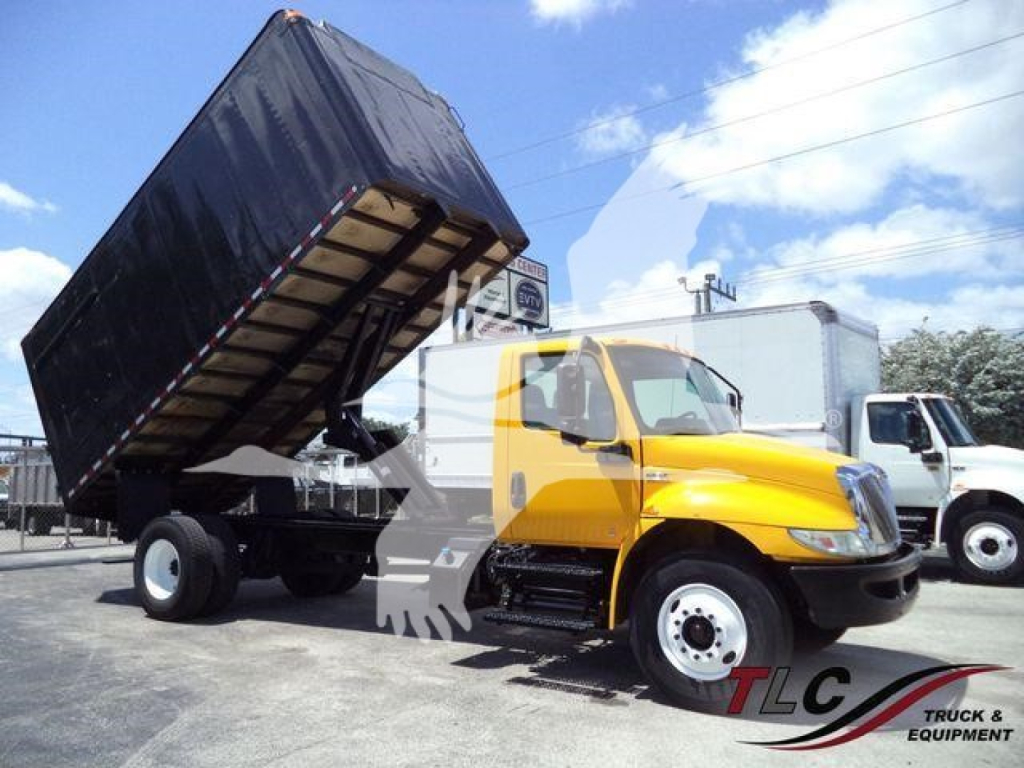
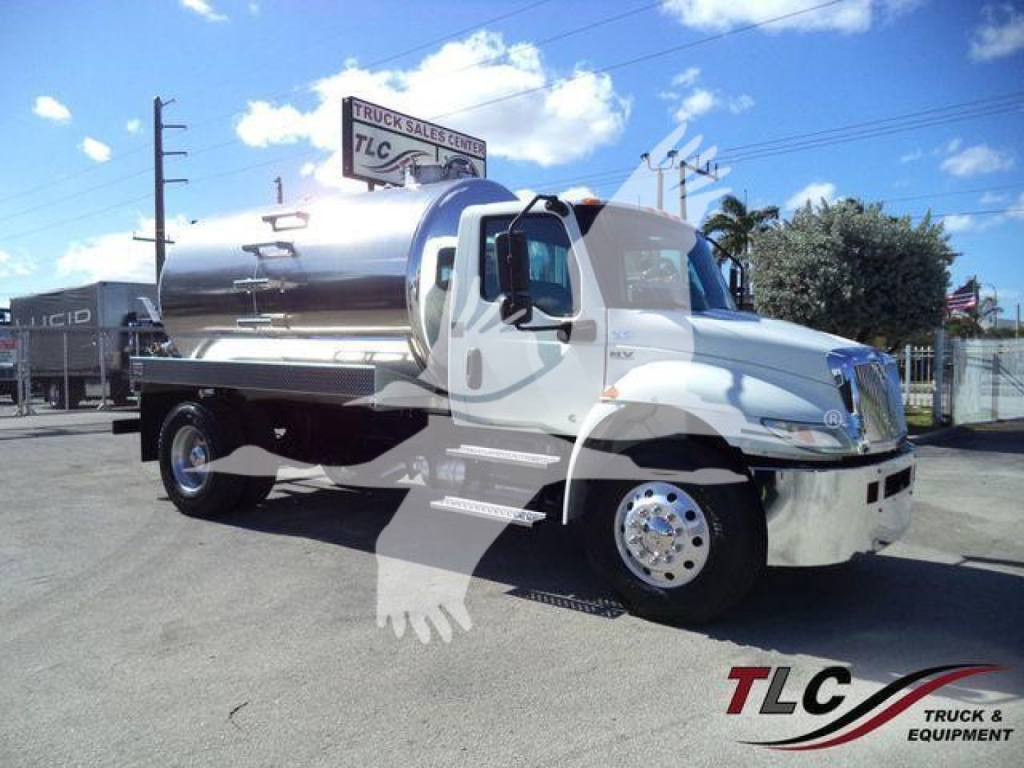
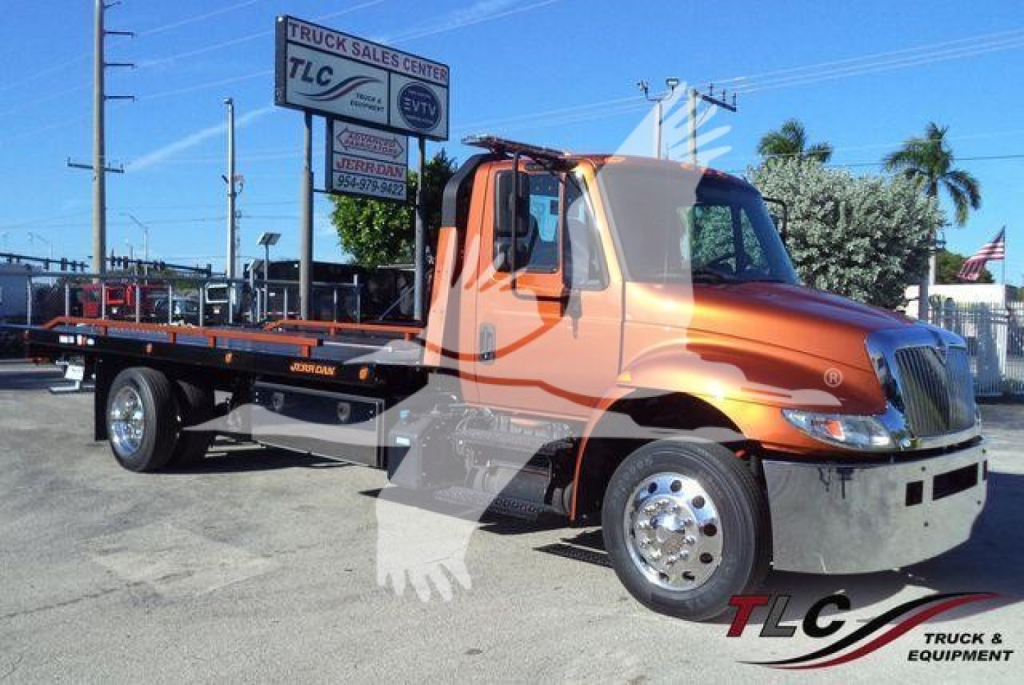
Showing 1 to 28 of 79 results
Selling a used international truck? List your used international truck for sale and reach thousands of commercial buyers.
Used International Trucks in Florida
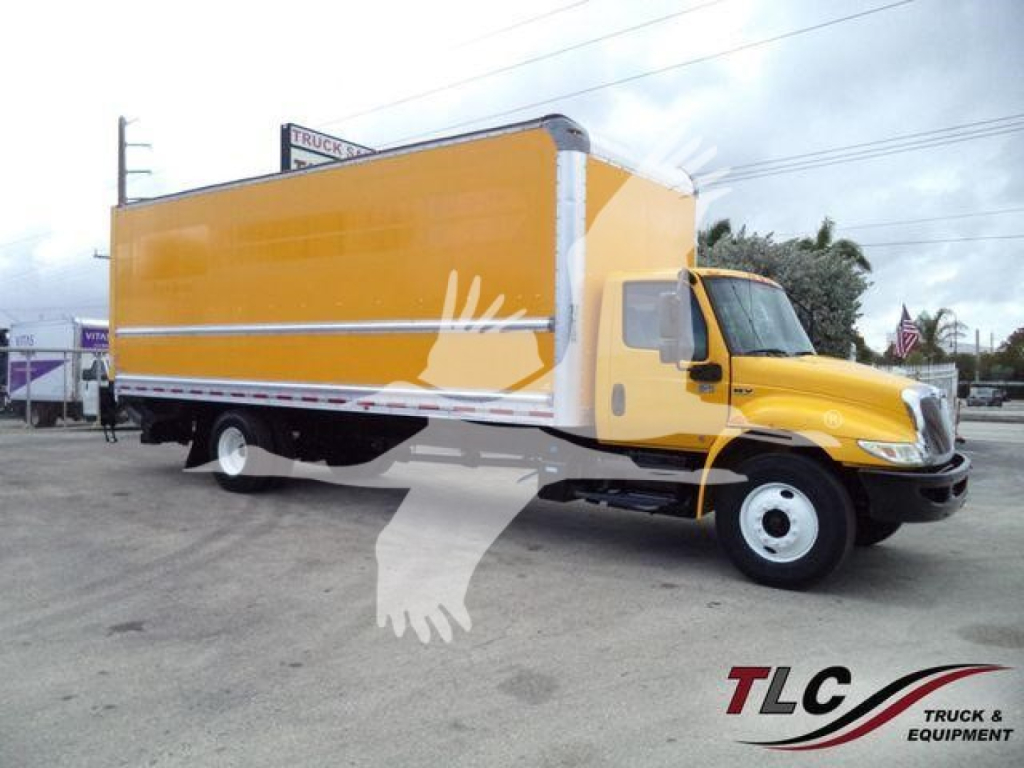
Floor strength is critical on International box and reefer straight trucks used at busy docks. Evaluate laminated hardwood or composite floors for forklift ratings, verify crossmember spacing, rear sill integrity, and the condition of scuff liners and wear bands. For refrigerated bodies, thermal integrity drives fuel burn and product protection. Inspect foam-in-place insulation thickness, look for delamination or water intrusion, check door seals, hinges, and drain paths, and verify that the evaporator and condenser are clean with no bent fins. Aluminum T floors shed water and improve air circulation, while flat floors simplify pallet movement, the right choice depends on your loading method and sanitation requirements.
Tare weight dictates payload and fuel economy, and International offers meaningful levers. The A26 is lighter than some alternatives, aluminum wheels, single 120 gallon tanks, and 6x2 configurations trim mass further, while full fairings, roof caps, and gap reducers improve aero efficiency on LT tractors. Sleeper size, double frames, heavy suspensions, and larger brake packages add durability but increase curb weight, select based on freight density and duty cycle. Match axle ratios to transmission type, for Florida highway lanes, a direct drive 2.47 to 2.64 final drive often balances startability with efficient cruise rpm.
Corrosion resistance matters in Florida’s coastal environment. International cabs use advanced coatings and sealed connectors, but inspection still pays. Check frame flanges, crossmember gussets, battery boxes, DEF tank brackets, radiator supports, brake chambers, and fifth wheel or body mount hardware for rust or galvanic activity. Look over harness routing for chafe, confirm intact loom and grommets, and review aftertreatment history, DPF, DOC, SCR health and doser function, since heat, humidity, and salt accelerate wear. Air disc brakes offer consistent stopping in wet conditions, while properly spec’d drums remain lighter and cost effective, base the choice on route mix and maintenance capability.
Frequently Asked Questions about Used International Trucks in Florida
Which International engine is a smart choice for Florida regional haul routes?
The International A26 is a strong fit for weight sensitive regional haul, it is compact, quiet, and efficient, especially when paired with an Eaton Endurant automated manual and a direct drive rear axle in the mid 2s. For heavier GCW or long combination vehicles, the Cummins X15 provides deep torque and wider gearing flexibility. In medium duty applications, the Cummins L9 and B6.7 pair well with Allison automatics for stop and go routes. In Florida heat, prioritize the heavy duty cooling package, a clean CAC, and a high capacity radiator to keep fan on time low and fuel economy high.
How do I evaluate floor strength and thermal integrity on an International box or reefer truck?
Check the body build sheet for floor material and forklift rating, look for laminated hardwood thickness or composite spec, crossmember spacing, and reinforcement at the rear sill and wheel boxes. Inspect scuff liners and wear bands to confirm wall protection. On reefers, verify insulation thickness, tight door seals, straight hinges, and dry walls with no swelling or delamination. Confirm uniform box temperature during a pull down test, and inspect the evaporator, condenser, and drain system for cleanliness and airflow, good thermal integrity cuts fuel use and protects product.
What axle ratios work best for Florida’s mostly flat terrain?
For highway tractors that cruise at 62 to 70 mph, a direct drive transmission with 2.47 to 2.64 rear ratios keeps engine speed low and reduces driveline loss. If using an overdrive transmission, a slightly higher numerical ratio such as 2.79 to 3.08 can maintain startability without overspeeding the engine at cruise. Medium duty stop and go routes benefit from shorter gearing paired with an Allison automatic for smooth launches. Always confirm GCW, tire size, and target cruise speed before finalizing ratios.
How can I manage tare weight on a used International without sacrificing durability?
Start with the right platform, an A26 powered LT day cab with aluminum wheels, a single fuel tank, and 6x2 can shed hundreds of pounds compared with a heavier spec. Choose the lightest suspension that meets your axle ratings, select low mount fairings and aero skirts for efficiency, and consider disc brakes only if the duty cycle justifies the maintenance benefits since they can add some weight. Avoid unnecessary double frames or oversized tanks unless the route demands them, and keep add ons like headache racks and liftgates matched to actual load needs.
What corrosion hot spots should I check on used International trucks in coastal Florida?
Focus on frame rails and crossmembers near the rear axle group, battery trays, DEF and fuel tank straps, radiator and CAC supports, cab mount brackets, and body mounts on straight trucks. Inspect electrical connectors for green corrosion, verify tight loom and abrasion sleeves, and look at ground points for cleanliness. Examine brake hardware and air tanks for pitting, and check aluminum steel interfaces for signs of galvanic activity. A clean undercarriage, intact paint, and documented wash routines after salt exposure are positive signs.