
Used 2011 International Trucks For Sale
Browse used 2011 International trucks for sale, including medium-duty and heavy-duty models built for vocational, regional, and long-haul work.
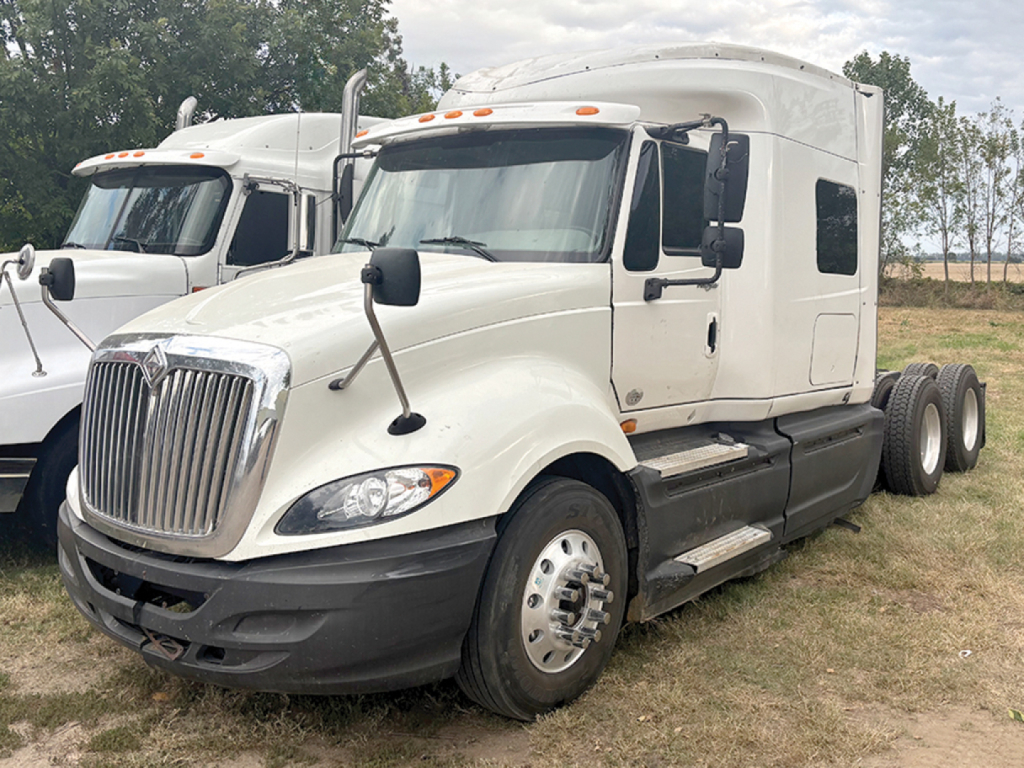
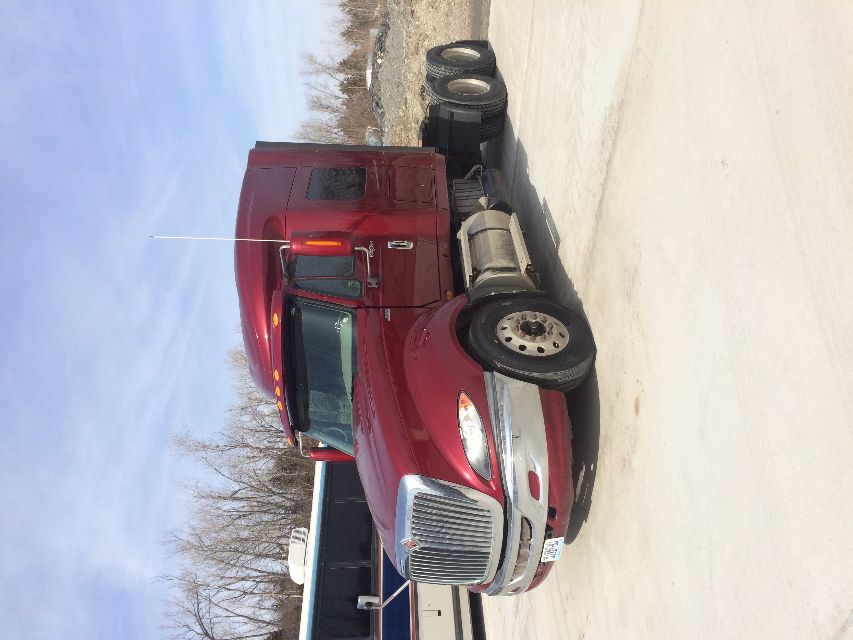

Selling a used 2011 international truck? List your used 2011 international truck for sale and reach thousands of commercial buyers.
Used 2011 International Trucks
On medium-duty 2011 International trucks, the main decision points are GVWR, engine choice, brake type, and body compatibility. Many were spec'd for box truck, rollback, flatbed, dump, service, reefer, or municipal work. Typical considerations include single-axle versus tandem configuration, spring versus air ride, hydraulic versus air brakes, and whether the truck has the right wheelbase and frame space for the body or upfit you need. On heavier vocational units, check front axle capacity, frame rail condition, double-frame reinforcement where applicable, PTO operation, hoist or hydraulic plumbing, and signs of hard jobsite or snow-and-ice service such as corrosion around hangers, crossmembers, spreader mounts, and plow gear.
If you are shopping a 2011 International highway tractor, the important variables are engine family, transmission, rear axle ratio, sleeper or day cab layout, and service history tied to emissions components. Trucks from this period may be equipped with MaxxForce engines or, in some configurations, other powertrain options depending on model and original spec. Buyers should review maintenance records for EGR system work, cooling system health, injector history, turbo performance, and any major engine or aftertreatment repairs. For tractors, wheelbase, fifth-wheel travel, fuel capacity, fairings, and suspension spec should match the freight lane and trailer type. A fleet day cab built for short regional pulls is a very different buy than a sleeper set up for longer mileage and heavier gross weights.
Across the board, a used 2011 International truck should be evaluated on frame condition, rust exposure, electrical integrity, cab wear, and how well its current spec fits the intended job. International has long been common in municipal, utility, foodservice, and private fleet operations, which helps on parts availability and technician familiarity. A clean pre-purchase inspection should include ECM downloads, blow-by check, suspension and steering wear, brake measurements, tire date codes, and a close look at body mounting points and wiring repairs. The best value in this category usually comes from matching the chassis to the workload instead of buying on price alone.
Frequently Asked Questions about Used 2011 International Trucks
What are the most common 2011 International truck models buyers look for?
Common 2011 International trucks include medium-duty models such as the DuraStar and heavier vocational or highway platforms such as the WorkStar and ProStar. The right model depends on the job. DuraStar units are often used for box trucks, flatbeds, utility bodies, and light dump applications, while WorkStar trucks are more common in severe-duty and construction work. ProStar tractors are typically considered for regional or long-haul service.
Are 2011 International trucks good for vocational use?
Yes, many 2011 International trucks are well-suited for vocational work, especially when the original spec matches the application. Buyers commonly use them for dump bodies, stake beds, service trucks, municipal setups, plow trucks, and delivery bodies. The key is verifying axle ratings, frame strength, PTO provisions, suspension type, and evidence of body or hydraulic maintenance. A properly spec'd vocational truck can be far more valuable than a lower-priced unit that needs major reconfiguration.
What should I inspect on a used 2011 International truck before buying?
The most important checks are engine and emissions history, transmission operation, suspension wear, brake condition, steering play, frame corrosion, and electrical repairs. On body-equipped trucks, inspect hoists, PTOs, hydraulic lines, body mounts, and any rust around subframes or attachment points. For tractors, review fifth-wheel wear, driveline condition, rear ratio, and cab equipment. Service records and an ECM readout can tell you far more than cosmetic condition alone.
Do 2011 International trucks have emissions-related issues to watch for?
They can, depending on engine family, duty cycle, and maintenance history. Trucks from this era should be checked closely for EGR, turbo, cooling system, and aftertreatment service records, along with any evidence of repeated derate or fault-code events. A truck that ran steady highway miles may present differently than one used in stop-and-go municipal or vocational service. The best approach is a pre-purchase inspection by a shop familiar with 2011-era International platforms and emissions systems.
Is a used 2011 International truck a good value compared with newer models?
For many buyers, yes. A 2011 International truck can offer a lower entry cost and a proven chassis platform, which makes sense for seasonal, secondary-route, farm, municipal, or vocational use. The tradeoff is that age, mileage, and maintenance quality matter more than model year alone. A well-kept truck with the right spec and documented repairs is usually a better buy than a newer truck with the wrong configuration or poor service history.