
Used International Rolloff Trucks For Sale
Shop used International rolloff trucks with hook and cable hoists, tandem axle specs, hydraulic systems, and vocational hauling details.
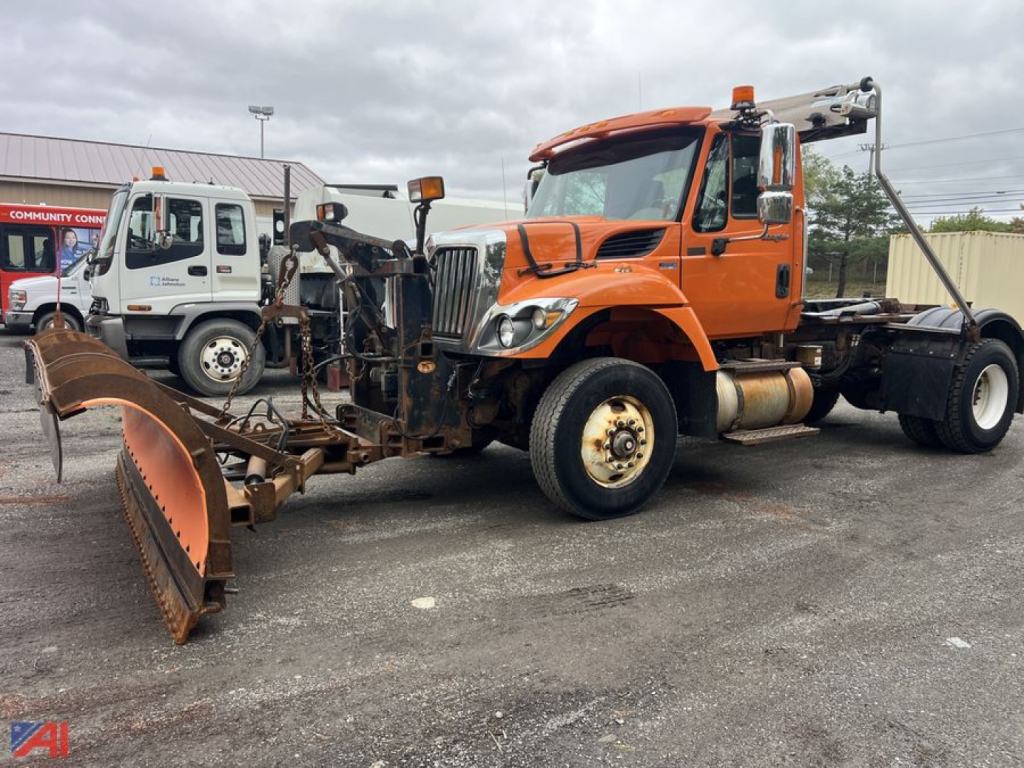
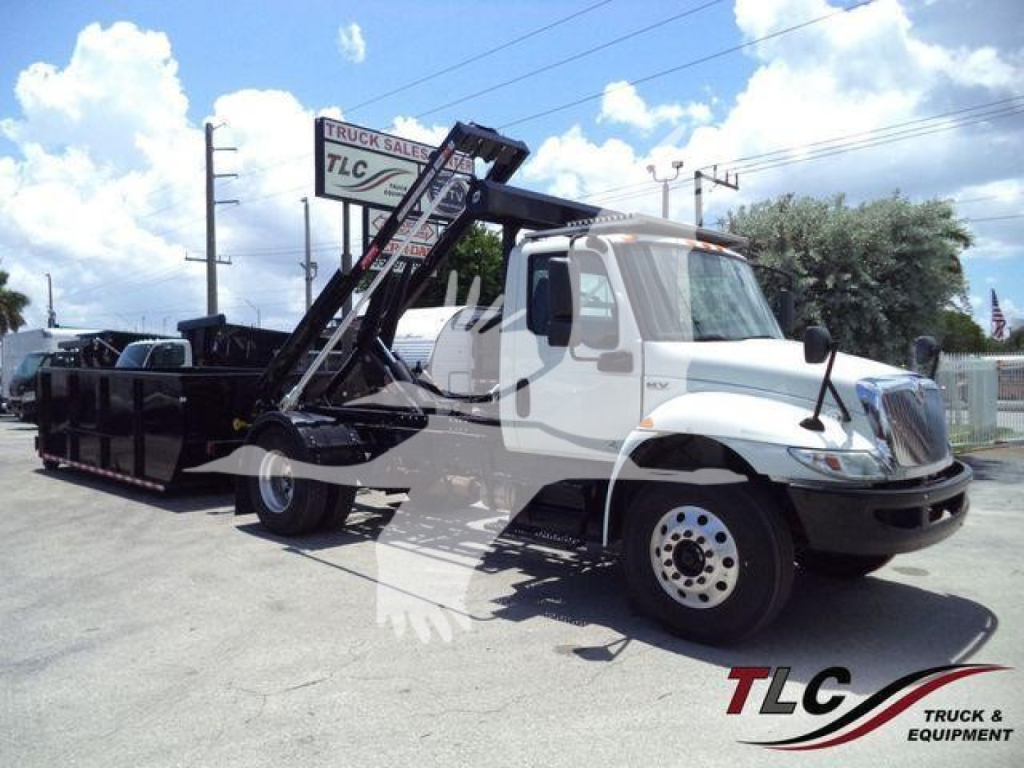
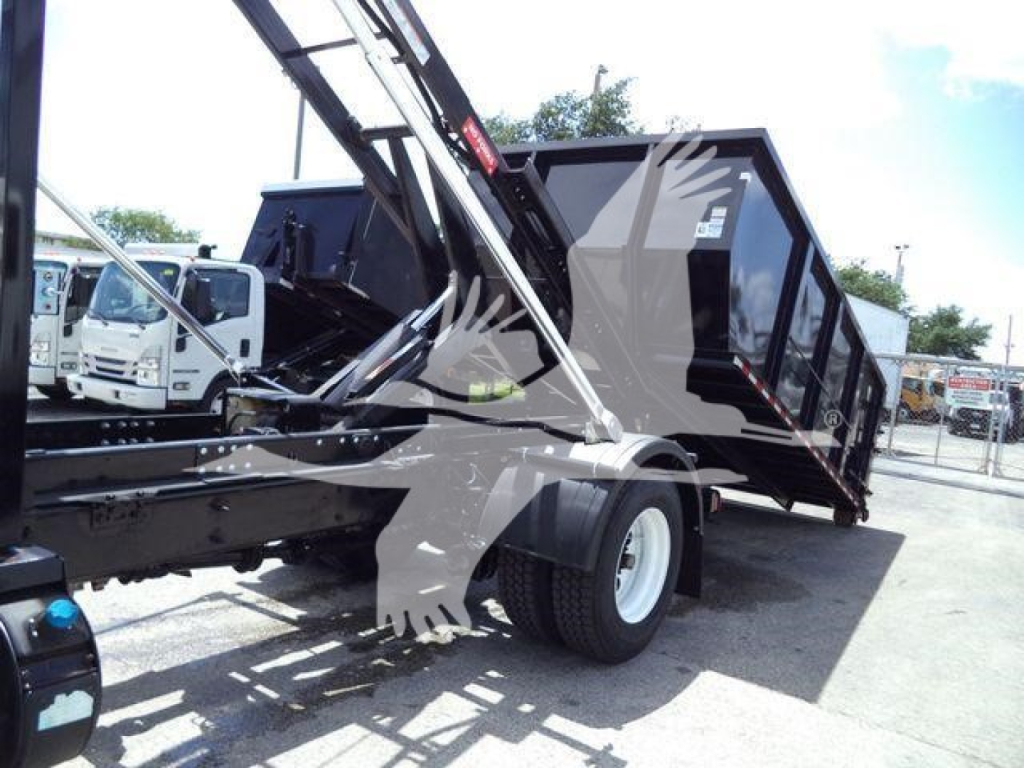
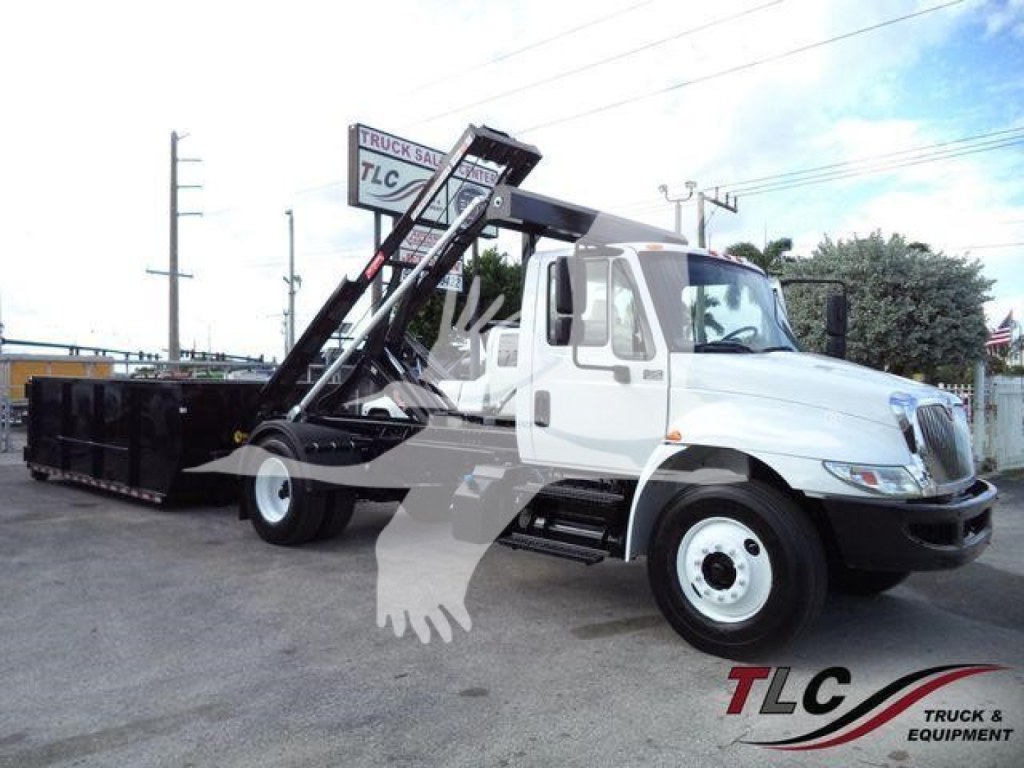
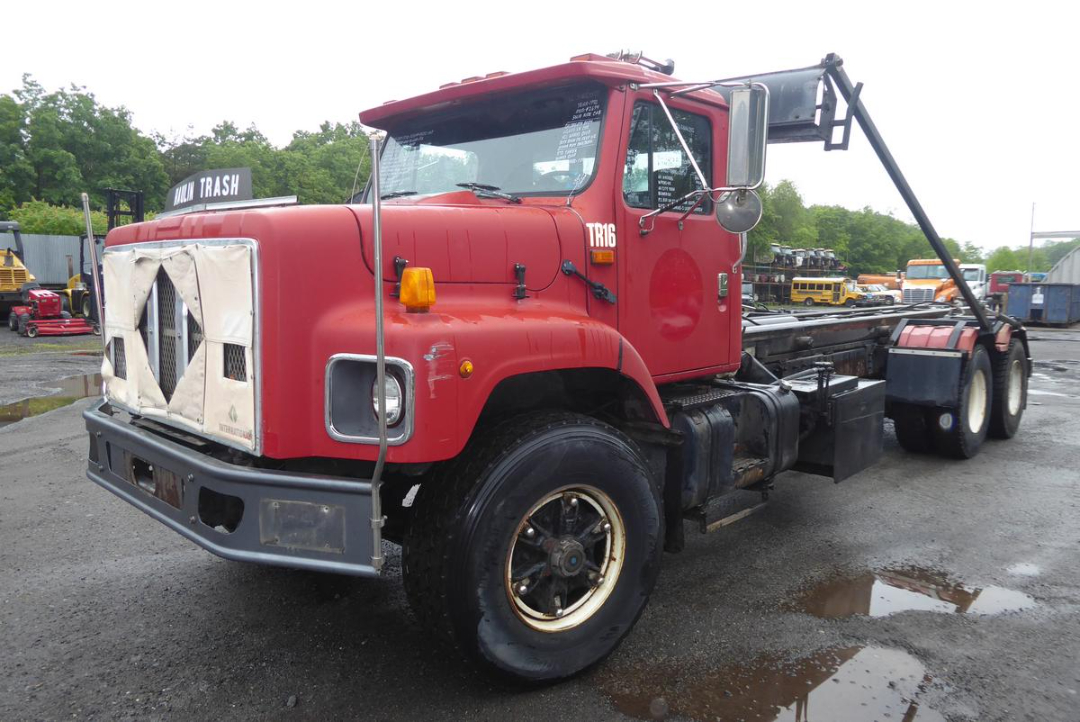
Selling a used international rolloff truck? List your used international rolloff truck for sale and reach thousands of commercial buyers.
Used International Rolloff Trucks
On a used rolloff truck, the important decisions start with capacity, axle ratings, and frame strength. Many trucks in this class are tandem axle 6x4 configurations with front axle ratings around 18,000 to 20,000 pounds and rear ratings in the 40,000 to 46,000 pound range. Double-frame construction is common because rolloff loading puts concentrated stress on the rails during container pickup and dump cycles. Hoist ratings can vary widely, but buyers should match the hoist to the container sizes and material density they actually move. Wheelbase, cab-to-axle, and overall body length also matter because they affect legal bridge compliance, container compatibility, and how well the truck maneuvers in transfer stations, alleys, and jobsites.
Powertrain specs on used International rolloff trucks often reflect vocational gearing rather than highway speed. Manual transmissions such as Fuller 8LL boxes are common on older units because they offer low-speed control for loading and off-road approach work, while automatics are popular in municipal and stop-and-go applications. Rear axle ratios are often deep enough to prioritize launch and PTO performance over fuel economy. Buyers should inspect PTO engagement, pump output, hoist cycle times, hydraulic hose condition, cylinder seepage, pin and bushing wear, and tarping system operation. Suspension type also matters. Hendrickson spring setups are common on severe-service trucks, while ride quality and articulation needs vary by route and terrain.
A strong used International rolloff truck is less about age alone and more about how the hoist, frame, and hydraulics have held up under repeated loading. Check for frame repairs, rail corrosion, crossmember damage, body alignment, and uneven tire wear that can signal suspension or loading issues. Verify the truck matches the containers or bodies already in service, including hook height or cable setup, container length range, and any auxiliary hydraulic requirements. For buyers comparing older mechanical units to newer electronic trucks, the best choice usually comes down to serviceability, emissions preference, and how much downtime the operation can tolerate.
Frequently Asked Questions about Used International Rolloff Trucks
What is the difference between a rolloff truck and a hooklift truck?
A traditional rolloff truck usually uses a cable hoist system designed to load, transport, and dump rolloff containers. A hooklift truck uses a hydraulic hook arm to pick up interchangeable bodies with a compatible hook bar. Hooklift systems are generally more versatile for fleets that swap between multiple body types, while cable rolloff trucks remain common in waste and debris applications focused on standardized containers.
What should I inspect first on a used International rolloff truck?
Start with the hydraulic system, hoist structure, and frame. Look closely at cylinder leaks, hose condition, PTO operation, hoist cycle speed, pivot pins, bushings, rollers, and any cracking or repairs on the rails and crossmembers. After that, review axle ratings, suspension condition, brake wear, tire wear patterns, and the engine and transmission service history. On vocational trucks, the body and hydraulic condition often tells you as much as the odometer.
Are International rolloff trucks good for municipal and contractor use?
Yes. International has been widely used in municipal fleets, refuse operations, and contractor service because the chassis are familiar to many shops and parts availability is generally strong. Models equipped with engines such as the DT466 became popular for local vocational work, especially where durability, straightforward maintenance, and good low-speed performance were more important than highway efficiency.
How do I choose the right rolloff capacity and axle setup?
Match the truck to the heaviest containers and materials you plan to haul, not just the most common loads. Dense material such as concrete, roofing tear-off, and scrap can push axle limits quickly, so tandem axle trucks with heavier rear ratings are often preferred. Capacity is not only about the hoist rating. It also depends on GVWR, frame design, suspension, tire capacity, local bridge laws, and the container lengths your operation uses.
Why are manual transmissions common on older rolloff trucks?
Many older rolloff trucks were spec'd with manual transmissions because they provide strong low-speed control, dependable PTO integration, and durability in severe-duty service. Transmissions like the Fuller 8LL are well suited to jobs that require precise backing, slow loading, and frequent starts on uneven ground. Automatics can reduce driver fatigue in stop-and-go work, but many fleets still value manuals for simplicity and control.