
Used International Trucks For Sale in Missouri
Shop used International trucks in Missouri. Compare LT, RH, MV, HV, and HX specs, engines, weight, corrosion protection, and body integrity before you buy.

Selling a used international truck? List your used international truck for sale and reach thousands of commercial buyers.
Used International Trucks in Missouri
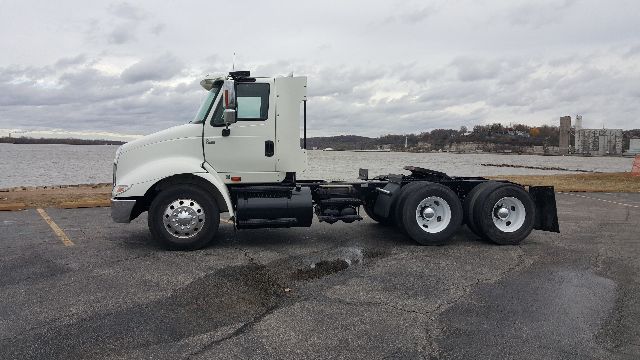
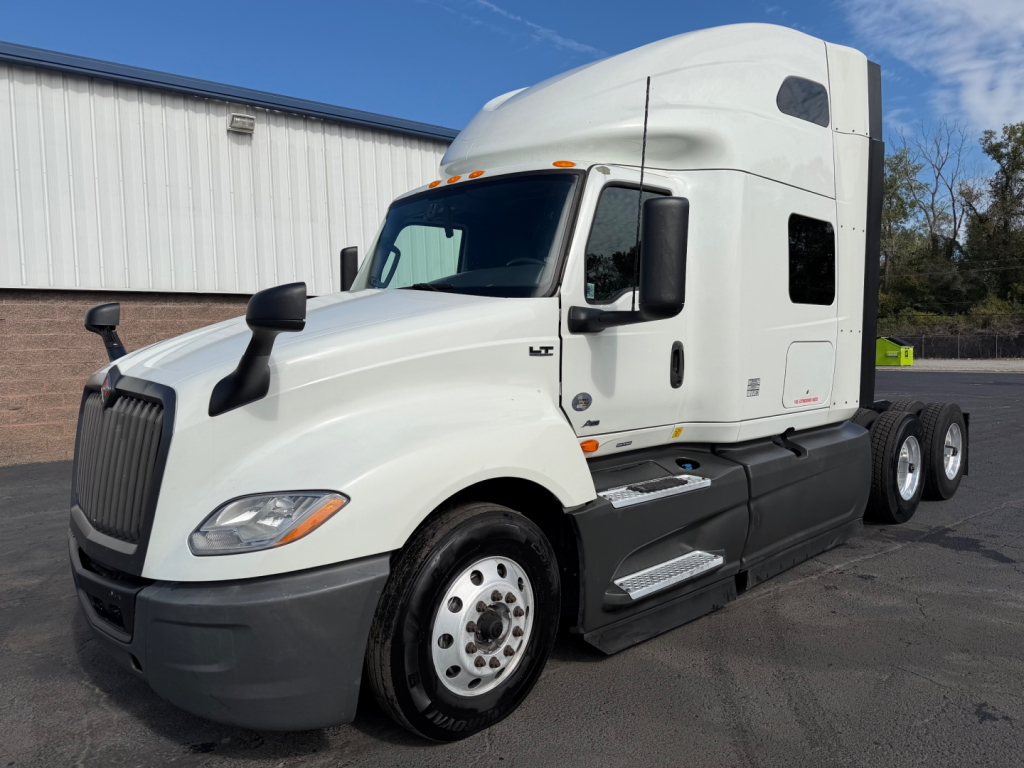
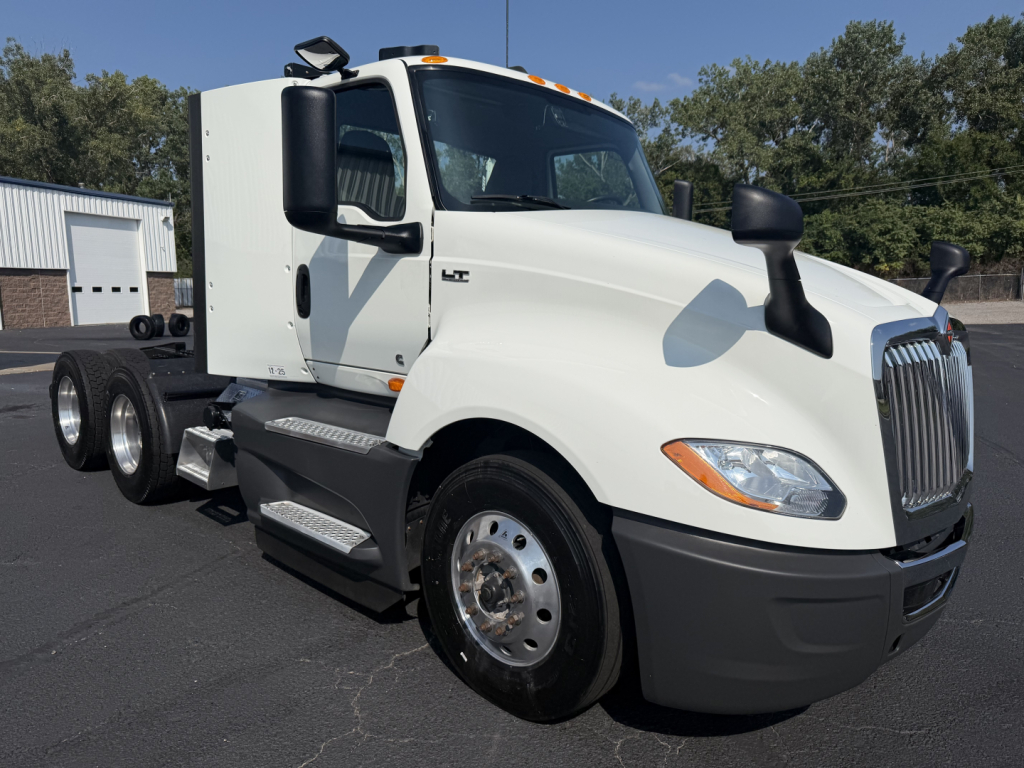
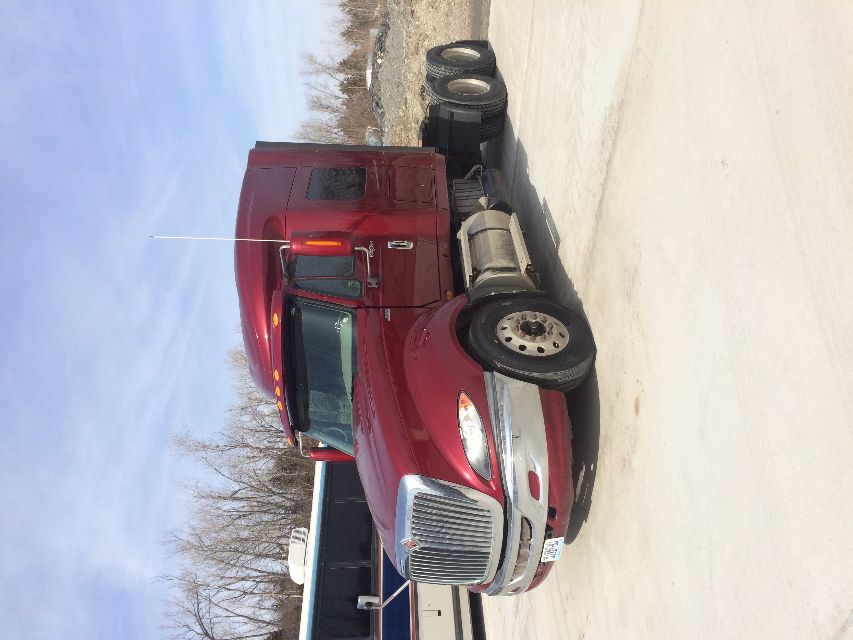
Linehaul and regional tractors in the International LT, RH, and LoneStar families balance tare weight against durability. The A26 engine is light and fuel efficient, while Cummins X15 or ISX variants deliver higher GCW performance and broad dealer support. Pairings include Eaton manual or automated, Endurant 12 speed, and Allison on select vocations. Aero packages, chassis fairings, and wide base singles cut fuel burn and weight, but duals add traction and redundancy. Verify axle ratios for I 70 and I 44 duty cycles, check ride height and alignment, and confirm aftertreatment health, DOC and DPF restriction, SCR dosing, and parked regen history. Collision mitigation, disc brakes, and tire inflation systems reduce operating risk and tire wear if equipped.
For straight trucks, MV and legacy DuraStar 4300 or 4400 units with Cummins B6.7 or L9 and Allison automatics dominate. Box and reefer buyers should prioritize floor strength and thermal integrity. Look for dense hardwood or laminated floors with close crossmember spacing, fork rated floors if you run pallet jacks or 12K forklifts, aluminum scuff liners, logistics posts, and intact threshold plates. For refrigerated bodies, check insulation continuity, foam thickness, door seals, drain tubes, and reefer hours on Carrier or Thermo King units. A tight body holds temp with fewer cycles, saving fuel and extending engine life. Liftgates, rail or tuck, add utility but also add tare weight and electrical load, so factor payload and battery capacity into the spec review.
Vocational buyers in construction, municipal, and ag often target HV and HX platforms. Focus on frame RBM and section modulus, single versus double frame, front frame extensions for plows or winches, PTO provisions, and cooling package size. Hendrickson or Chalmers suspensions handle off road abuse, while air ride improves on highway comfort. 46K rears with interaxle locks and 20K front axles handle quarry work, and lift axles help with bridge law compliance while keeping weight legal at 80,000 on interstates. Tire choice, 22.5 versus 24.5, aluminum hubs and tanks, and body material steel versus aluminum influence tare weight and corrosion resistance. In the Ozarks, favor shorter wheelbases with low gears for starts on grades, and verify brake condition, drum versus disc, before putting a dump or mixer back into daily service.
Frequently Asked Questions about Used International Trucks in Missouri
Which engines are common in used International trucks and how do they compare?
Late model on highway units often run the International A26 for lighter tare and fuel economy, or the Cummins X15 for high torque and heavy GCW. Medium duty MV and DuraStar trucks typically use Cummins B6.7 or L9 with Allison automatics for durability in stop and go routes. Older ProStar and WorkStar models may carry MaxxForce engines, which require careful inspection of EGR and aftertreatment history. Review oil analysis, overhead set intervals, and DPF service records to match the engine to your haul profile and maintenance capability.
What should I inspect on a used International sleeper or daycab before purchase?
Start with aftertreatment health, check for active faults, regen frequency, and DEF system leaks. Inspect frame rails, fifth wheel top plate and locks, steer axle kingpins, and air suspension bushings. Confirm transmission shift quality in all gears, verify axle ratios against your cruise speed and terrain, and look over wiring harnesses for chafing. Test collision mitigation and ABS functions, evaluate tire wear for alignment issues, and check cab HVAC, sleeper power, and bunk heater or APU hours if equipped.
How do I evaluate floor strength and thermal integrity on an International box or reefer truck?
On dry vans, examine floor material and crossmember spacing, look for crushed boards, loose thresholds, broken logistics tracks, and damaged scuff liners. Ask for the floor forklift rating if you run heavy palletized freight. On reefers, measure box temperature pull down time, check insulation continuity with an infrared scan if possible, inspect door seals, drain pans, and reefer service logs. A tight, well insulated body reduces cycle frequency and fuel burn, preserves product integrity, and protects margins on hot Missouri summers.
What specs matter most for an International HV or HX dump, mixer, or plow in Missouri?
Prioritize frame RBM and section modulus, double frame or inserts for high torque applications, and front frame extensions for plows or pumps. Choose axle ratings and suspensions for your heaviest loads and terrain, verify lift axle spacing for bridge compliance, and set axle ratios for starts on grades and legal highway speeds. Allison automatics simplify PTO work and stop start cycles, while full locking differentials and disc brakes improve traction and stopping power in wet or winter conditions.
How does tare weight affect payload and licensing in Missouri?
Tare weight directly subtracts from GVWR or GCWR, so lighter wheels, tanks, and bodies increase payload and reduce fuel burn. Aluminum components and wide base singles save hundreds of pounds, but ensure they fit your durability and traction needs. For IRP and Missouri registration, verify declared weight and axle ratings match your routes and loads. Keep scale tickets from typical hauls to confirm you maintain legal axle and gross weights without sacrificing the spec features you need.