
Used International Beverage Trucks For Sale
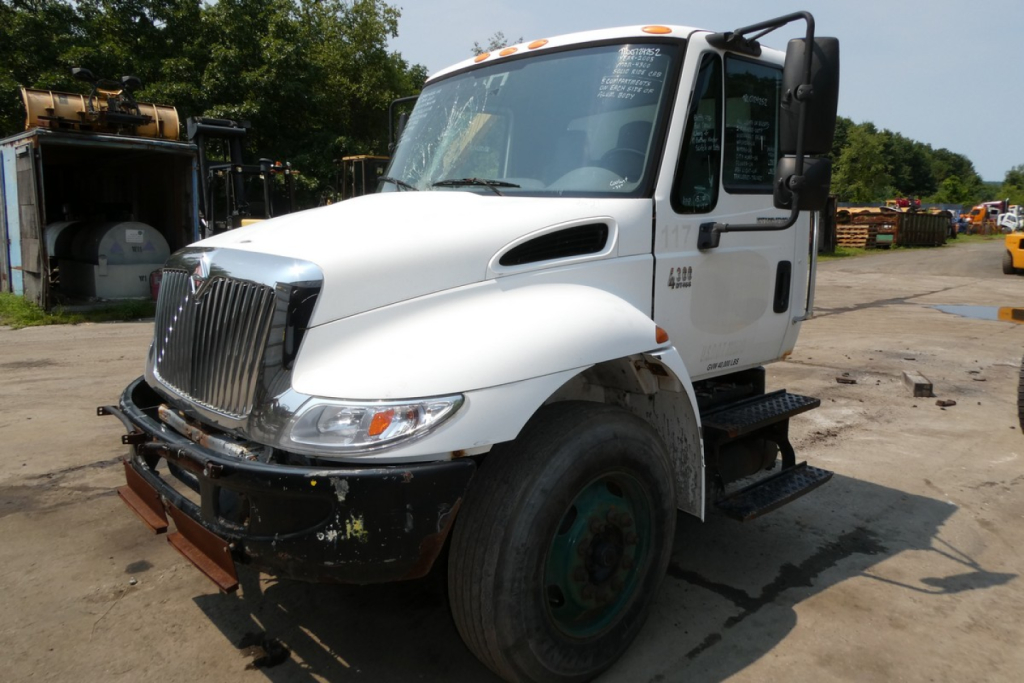
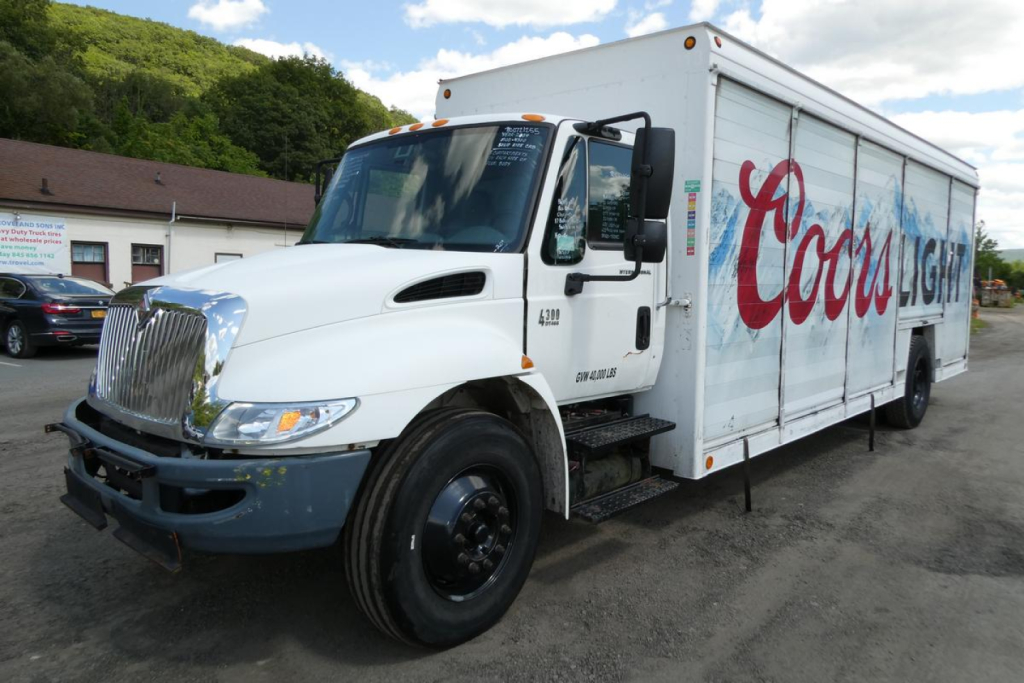
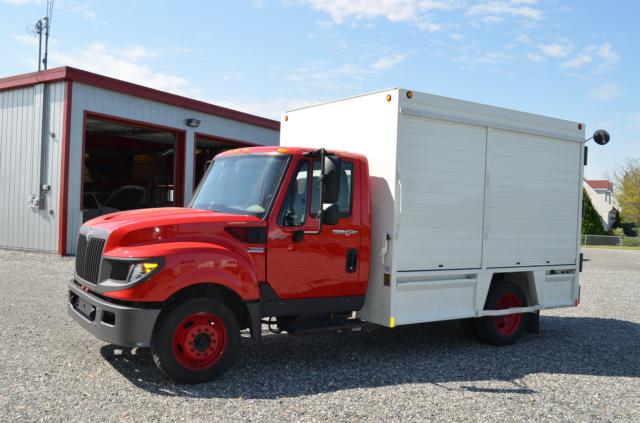
Shop used International beverage trucks, from MV and DuraStar side-load bays to refrigerated boxes, focusing on payload, durability, and route efficiency.
Selling a used international beverage truck? List your used international beverage truck for sale and reach thousands of commercial buyers.
Used International Beverage Trucks
Floor strength dictates how a truck lives on a beverage route. Extruded aluminum plank or hardwood decks over steel or aluminum crossmembers, ideally on 8 to 12 inch centers, resist point loads from kegs and pallet jacks. Stainless or aluminum thresholds, double scuff liners, and wear bands protect high impact zones, while recessed E-track or keg rails prevent load shift. For box-style units, verify floor ratings for pallet jack use, check rear frame reinforcements for railgate loads, and confirm liftgate capacity, many beverage routes use 2500 to 3500 pound rail gates for palletized product.
Thermal integrity comes into play when beverages must stay cold. Insulated boxes with foam-in-place panels, sealed seams, and thermal breaks around door frames maintain setpoint and control fuel burn on the reefer. Side doors speed delivery but add heat gain, so door gaskets, sweep seals, and hinge alignment matter. Floors with insulating subdecks, stainless thresholds, and intact vapor barriers reduce condensation and corrosion. Service records on Carrier or Thermo King units, including compressor hours and leak tests, help predict operating cost.
Tare weight and corrosion resistance drive long term value. Aluminum bay bodies cut weight and add payload, but benefit from stainless fasteners and isolators to limit galvanic corrosion, while galvanized or e-coated subframes handle road salt better than raw steel. International chassis commonly pair Allison automatics with DT466, MaxxForce DT, or later Cummins B6.7 and L9 engines, Cummins and Allison combinations are favored for parts availability and predictable emissions systems. Air ride suspensions protect product on rough city routes, spring suspensions save weight and maintenance; air brakes dominate above 26,000 GVWR, hydraulic brakes suit lighter trucks. Inspect hinge pins, door cables, and gate columns, these wear items reveal how the truck was used and point to upcoming costs.
Frequently Asked Questions about Used International Beverage Trucks
Which International chassis are most common for used beverage trucks and what GVWR should I target?
The International MV and DuraStar 4300 and 4400 platforms are the most common for beverage bodies, typically in the 25,999 to 33,000 pound GVWR range for side load routes and up to 37,000 pound GVWR when running heavier palletized product or liftgates with higher capacities. Lighter routes that avoid CDL thresholds often use 25,999 pound units with hydraulic brakes, while multi stop urban routes that carry mixed pallets and kegs benefit from 33,000 pound air brake trucks for margin on payload and braking performance.
What floor construction holds up best for kegs and palletized beverages?
Extruded aluminum plank or hardwood floors over closely spaced crossmembers, ideally 8 to 12 inch centers, resist point loading from kegs and pallet jacks. Look for stainless thresholds, double scuff liners, and wear strips to protect high impact areas, and check welds or fasteners where bays meet the deck. For box bodies, verify a published floor rating and inspect for soft spots near the rear door and along the wheel wells where moisture and impact are common.
Should I choose a side load bay body or a refrigerated box for beverage delivery?
Side load bay bodies maximize route speed and ergonomics, with curbside access and compartmentalized storage that reduces dwell time at each stop, and they carry excellent payload due to low tare weight. Refrigerated boxes are better when the product requires temperature control or you handle mixed freight that is palletized, but doors and insulation add weight and complexity. The right choice depends on product temperature needs, stop density, and whether you rely on pallet jacks or hand stacking.
What liftgate type works best on beverage routes and how much capacity is needed?
Rail-style liftgates are popular for beverage delivery because they present a flat, stable platform for pallet jacks and kegs, and they typically offer 2500 to 3500 pound capacities. Tuck-under gates preserve rear door access in tight docks and improve departure angles, but they may be narrower and can flex more under concentrated loads. Match capacity to the heaviest pallet you move, include the pallet jack weight, and confirm the rear frame has proper reinforcements and gussets.
How do engine and emissions choices affect operating costs on used International beverage trucks?
Later trucks with Cummins B6.7 or L9 engines paired with Allison automatics are prized for broad dealer support and predictable aftertreatment service. Older DT466 mechanical heritage is strong, but MaxxForce era EGR only systems can carry higher risk of EGR cooler and DPF issues if maintenance was deferred. Review aftertreatment service history, ash load, and recent DOC or DPF cleaning, and consider duty cycle, frequent short stops raise idle time and soot load, making proper regen strategy and driver training important.