
Beverage Trucks For Sale
Shop beverage trucks for route delivery, side load or refrigerated. Compare floor ratings, tare weight, corrosion resistance, axles, and liftgates.
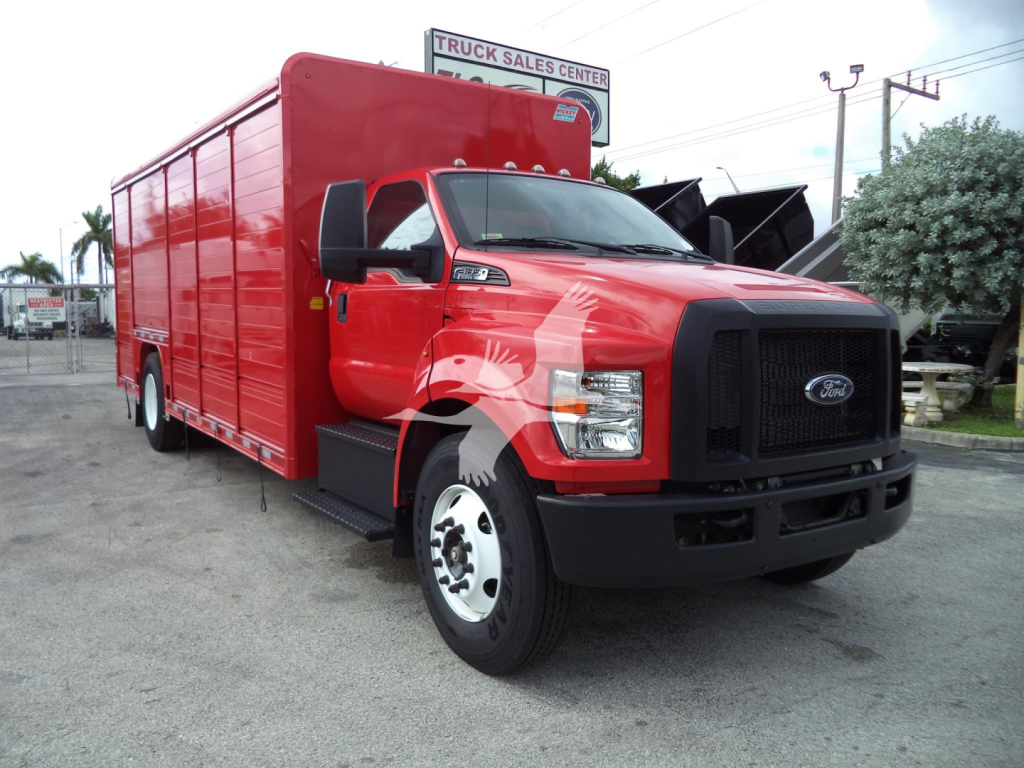
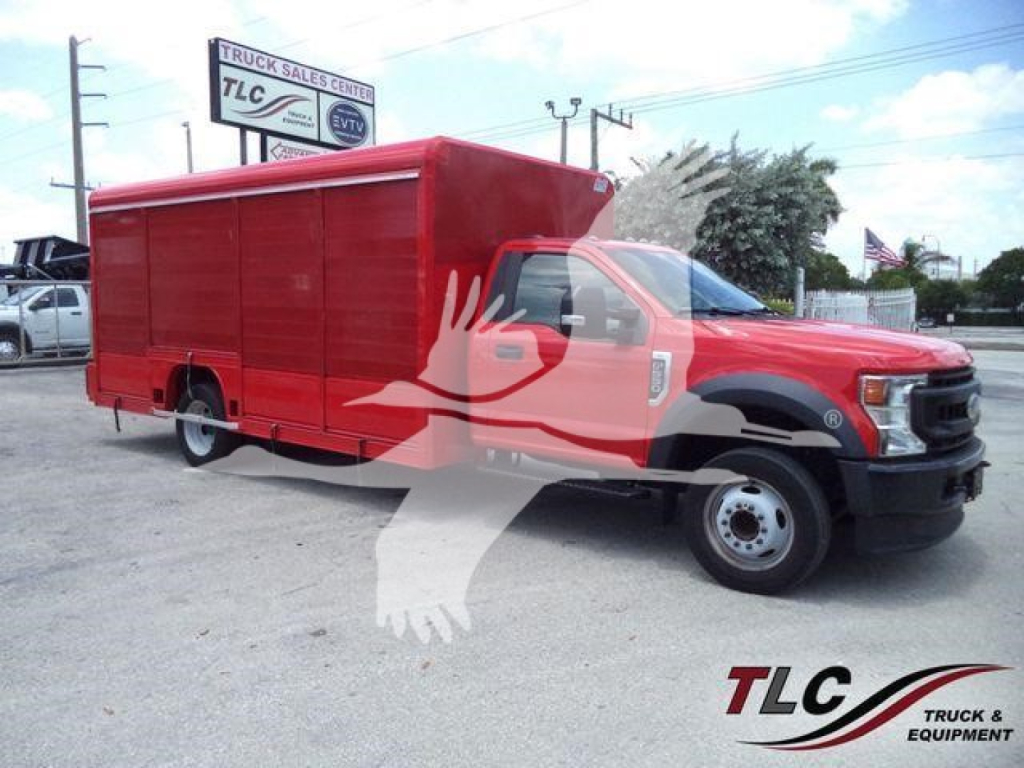
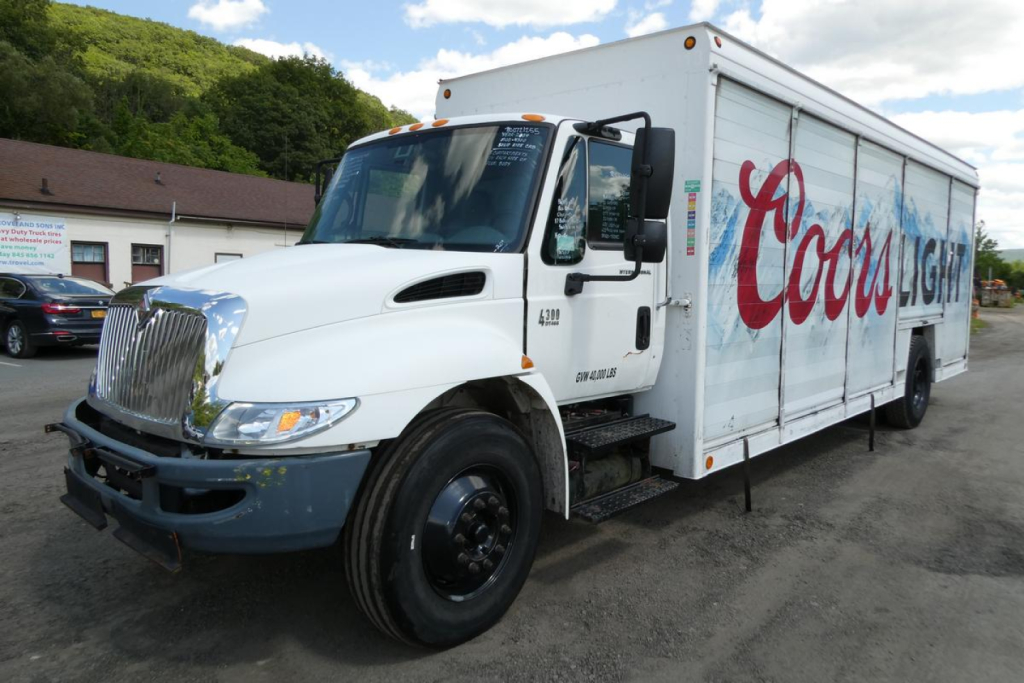
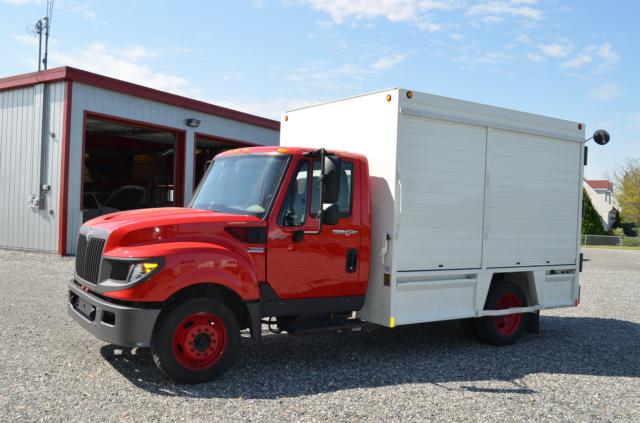
Selling a beverage truck? List your beverage truck for sale and reach thousands of commercial buyers.
Beverage Trucks
Floor strength drives uptime and product integrity. Look for heavy extruded aluminum or hardwood plank floors with dense crossmember spacing, commonly 8 to 12 inches on center, and reinforced rear thresholds that resist dock plate and cart impact. For keg routes, verify point load ratings and anti-slip surfaces, plus scuff liners or kick plates to protect walls from carts. If you operate pallet jacks, confirm rear floor and bumper ratings, platform size, and cart stops on the liftgate, typical lift capacities run 2,500 to 3,500 pounds. Proper drainage, sealed seams, and corrosion-resistant fasteners keep floors from trapping moisture and rotting from the inside out.
Tare weight and corrosion resistance define lifetime cost. Aluminum bodies, composite roll-up doors, and lighter liftgates increase payload within a 19,500 to 33,000 pound GVWR range, but verify durability at hinge posts and bay sills where impacts are highest. Stainless steel hardware, anodized skins, galvanneal or stainless subframes, and isolation pads between dissimilar metals slow galvanic corrosion. Spring ride is simple and light, air ride protects product better on rough pavement, especially with glass, and adds height adjustability at docks. Hydraulic brakes suit lighter duty and lower cost, air brakes are preferred as weights climb and stop counts increase. Tire pressure monitoring and sealed wiring harnesses reduce roadside failures in stop-and-go service.
Thermal integrity matters if you carry cold products, especially draft or keg beer. Insulated or multi-temp bodies use high density urethane foam, thermal breaks at door frames, vapor barriers, and gasketed roll-up or swing doors to hold temperature and limit condensation. A properly sized refrigeration unit with standby power, return air channels, and accurate probe placement prevents hot spots on high-frequency stops. Insulation adds weight, so balance R-value with payload and route duration. If you run mixed product, consider a cold compartment up front with a bulkhead, then dry bays at the rear, so you can service all accounts without compromising temperature or access speed.
Also known as: Beverage Delivery Truck
Frequently Asked Questions about Beverage Trucks
What size chassis and GVWR are best for beverage delivery routes?
Match GVWR to your payload plus body and liftgate weight, then add margin for accessories and seasonal peaks. Many routes run Class 6 at 25,999 pounds to stay non-CDL while carrying 8 to 12 bays of product, heavier glass and keg routes often step into Class 7 at 33,000 pounds. Choose a wheelbase that fits your body length while preserving a tight turning radius for urban stops, and select axle ratios that balance stop-and-go torque with modest highway legs.
Side load bays or a rear-load box, which is more efficient?
Side load bay bodies excel at high stop counts and hand-stacked deliveries, the driver clears a bay without entering the body and can service curbside safely. A rear-load box with a pallet-capable liftgate suits mixed accounts that accept pallets or carts. Some buyers choose hybrid bodies with both side bays and a rear opening so they can palletize high-volume drops and still work hand stacks at convenience stores.
Do I need a refrigerated or insulated beverage truck?
If you carry draft beer, certain RTD beverages, or require cold chain compliance, specify an insulated body with a properly sized refrigeration unit and standby. Look for high density foam insulation, vapor-tight interior skins, thermal breaks, and tight door seals. If most product is shelf stable, a dry side-load body is lighter and carries more cases, you can add a small insulated compartment for sensitive SKUs instead of insulating the entire body.
What floor rating and features should I look for with kegs and carts?
Verify the floor’s point load and crossmember spacing, keg routes benefit from heavy extruded aluminum or thick hardwood with close crossmembers, anti-slip surfaces, and keg retainers. For cart work, specify a railgate or tuckaway with 2,500 to 3,500 pound capacity, cart stops, and a platform that supports your largest cart footprint. Reinforced rear thresholds, scuff liners, and corner wear plates reduce impact damage from daily loading.
What should I inspect on a used beverage body to avoid downtime?
Cycle every bay door and latch, check tracks, springs, and seals for smooth operation and water intrusion. Inspect floor boards or extrusions for soft spots, corrosion at crossmembers, and cracked welds at hinge posts and corners. Look for electrolytic corrosion where aluminum meets steel, confirm liftgate capacity, bushings, and pump operation, test lighting circuits, and check for leaks or delamination if the body is insulated.