
Commercial Trucks For Sale in Georgia
Georgia trucks by spec from day cabs to box and sleeper units; focus on payload, tare weight, corrosion control, and drivelines for regional lanes GA
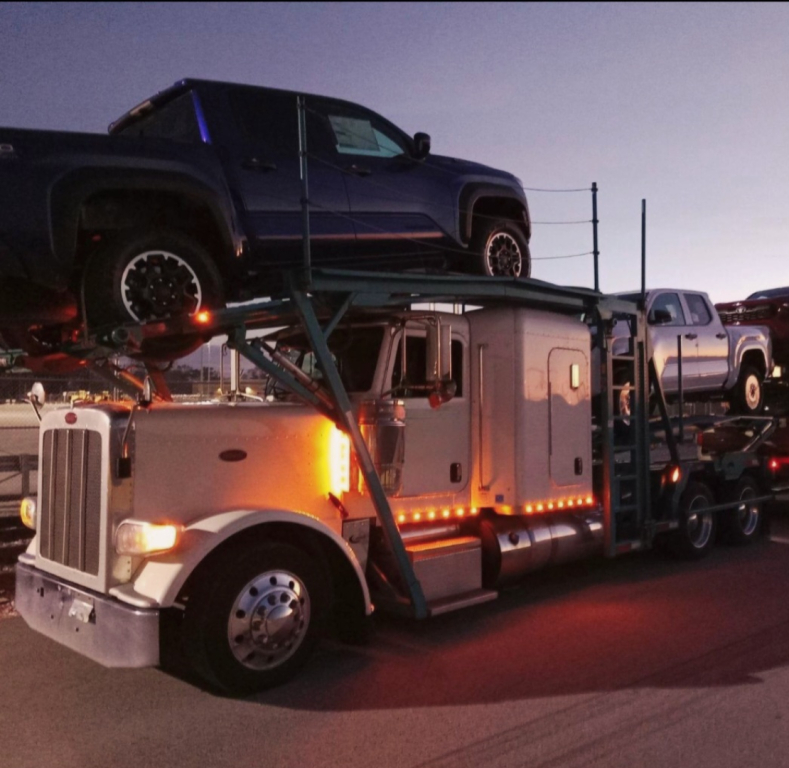
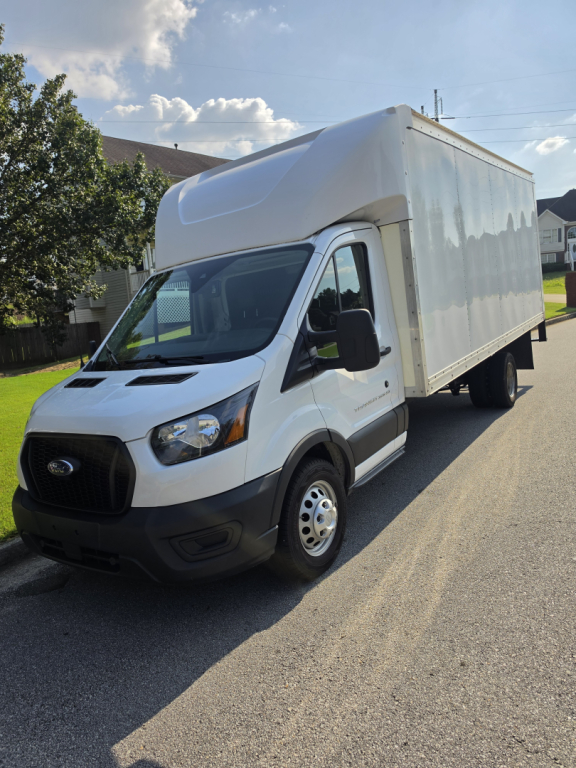
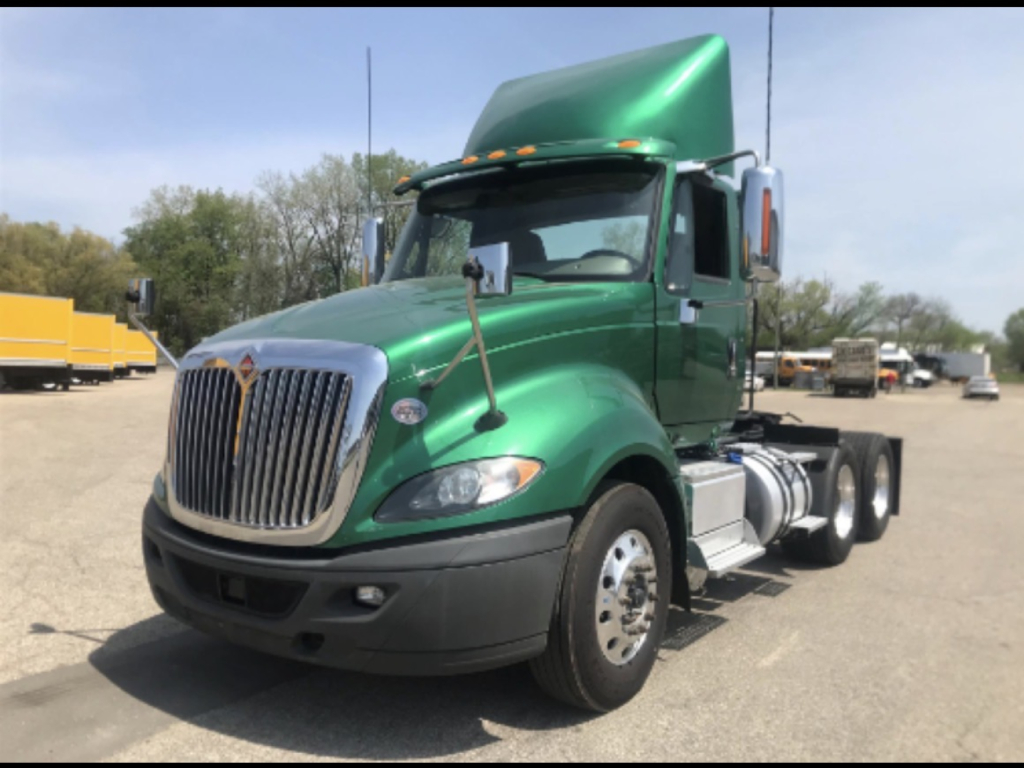
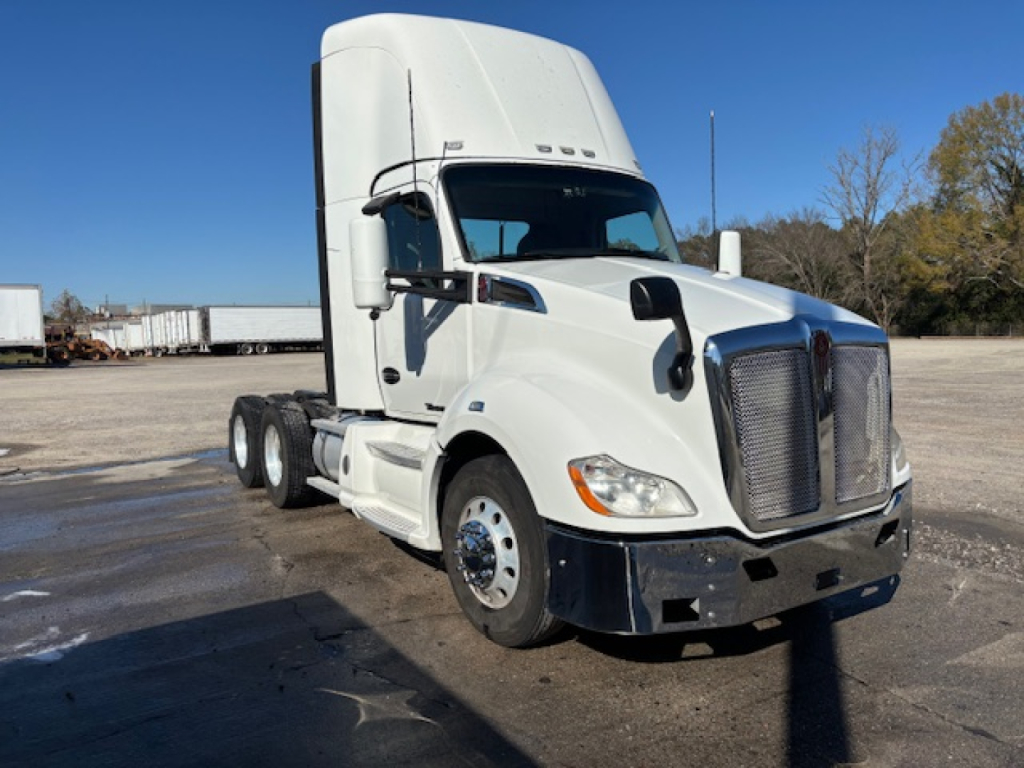
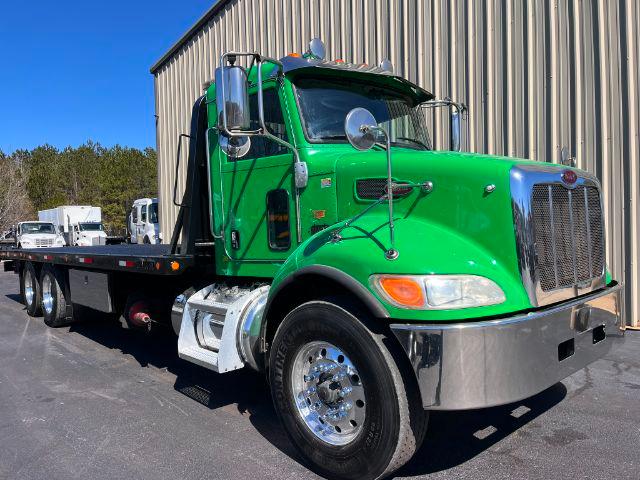
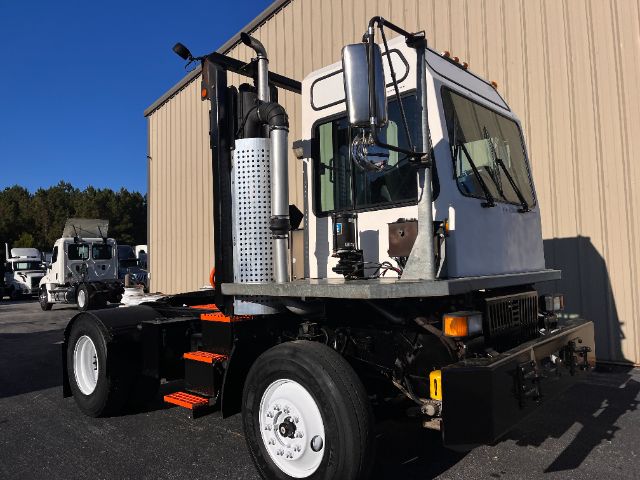
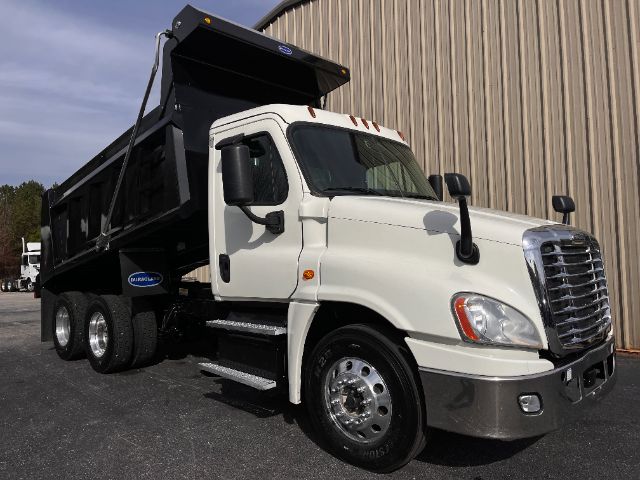
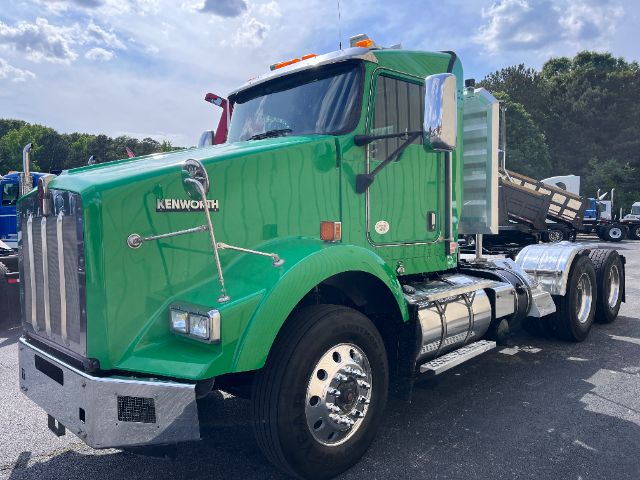
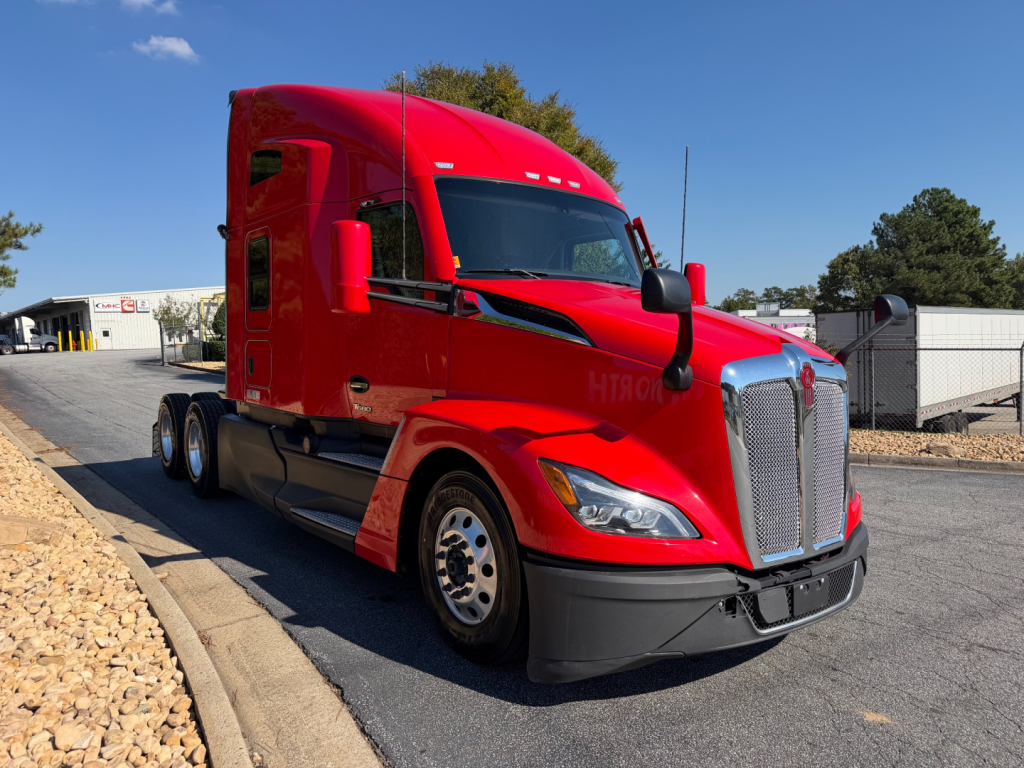
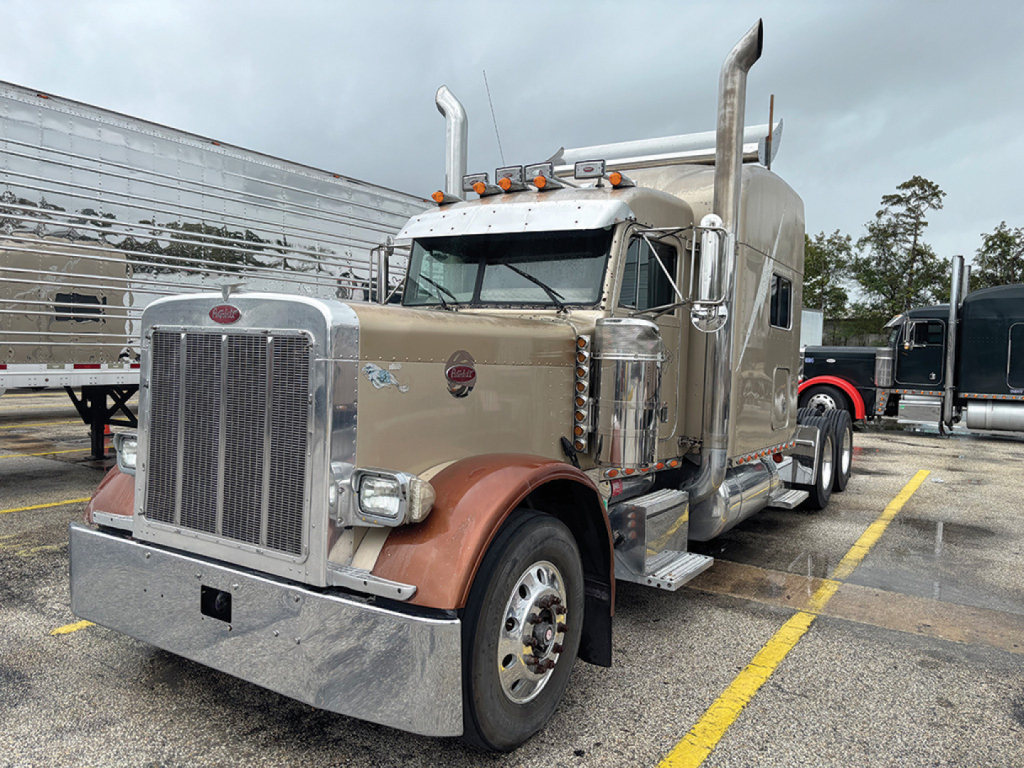
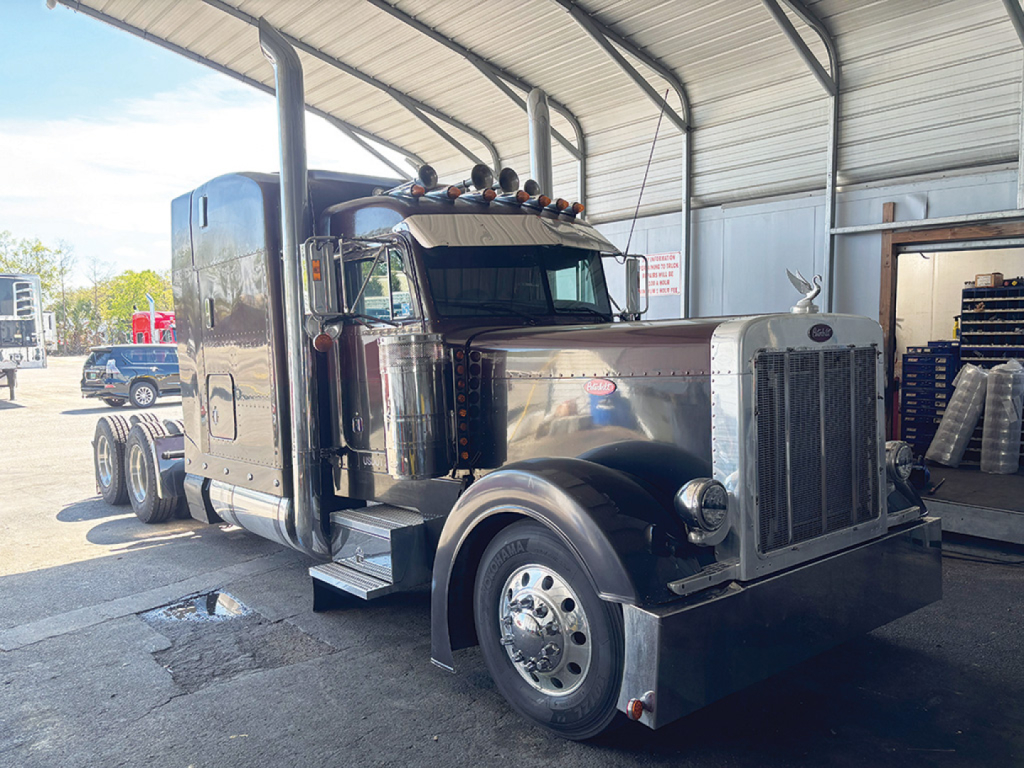
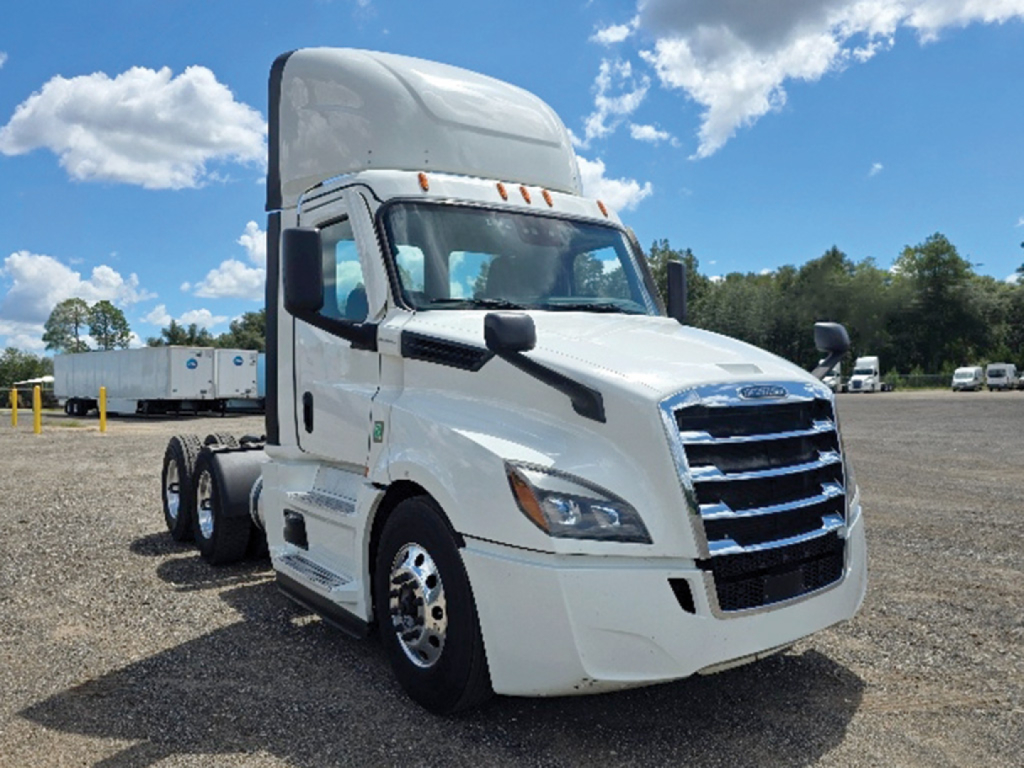
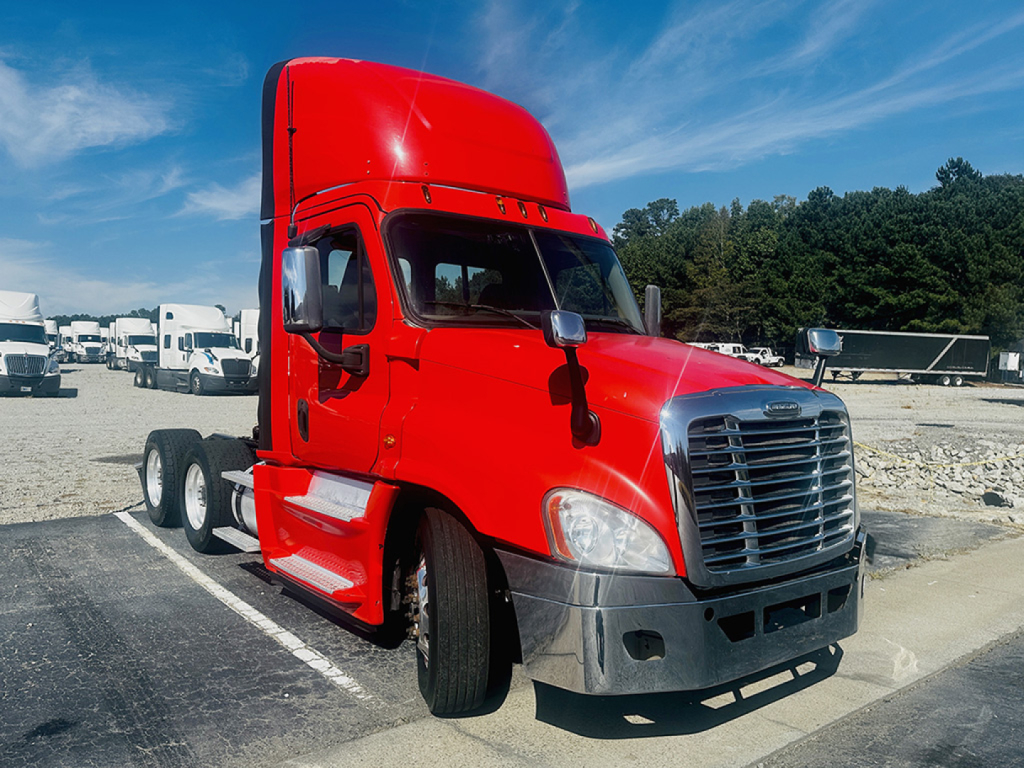
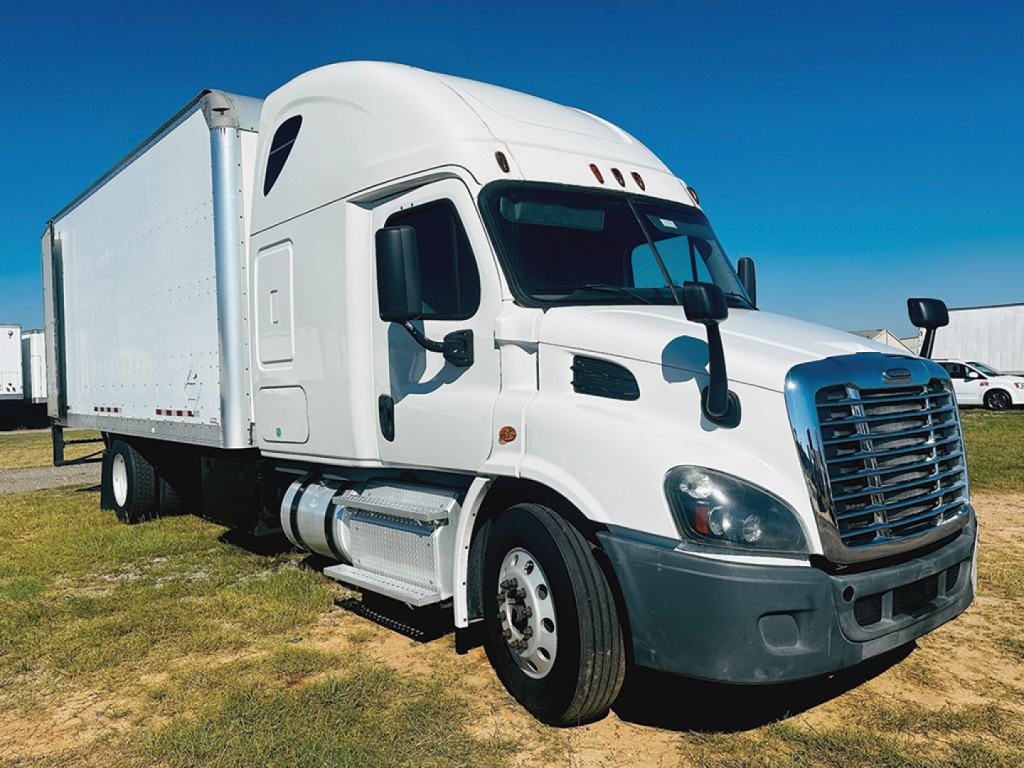
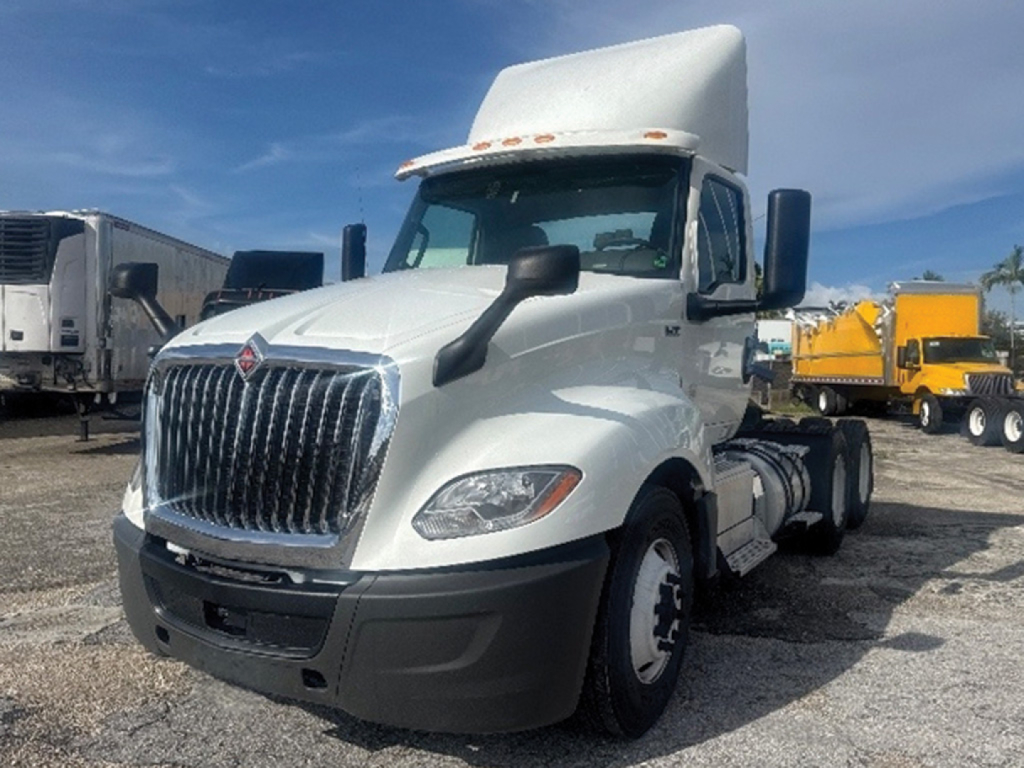
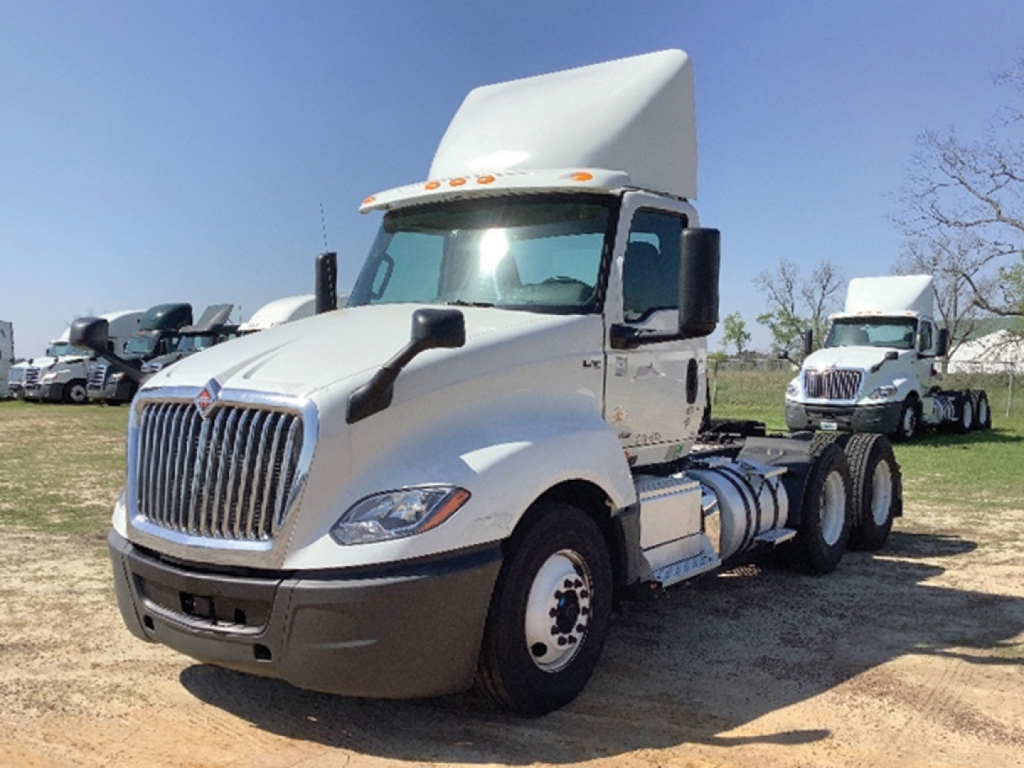
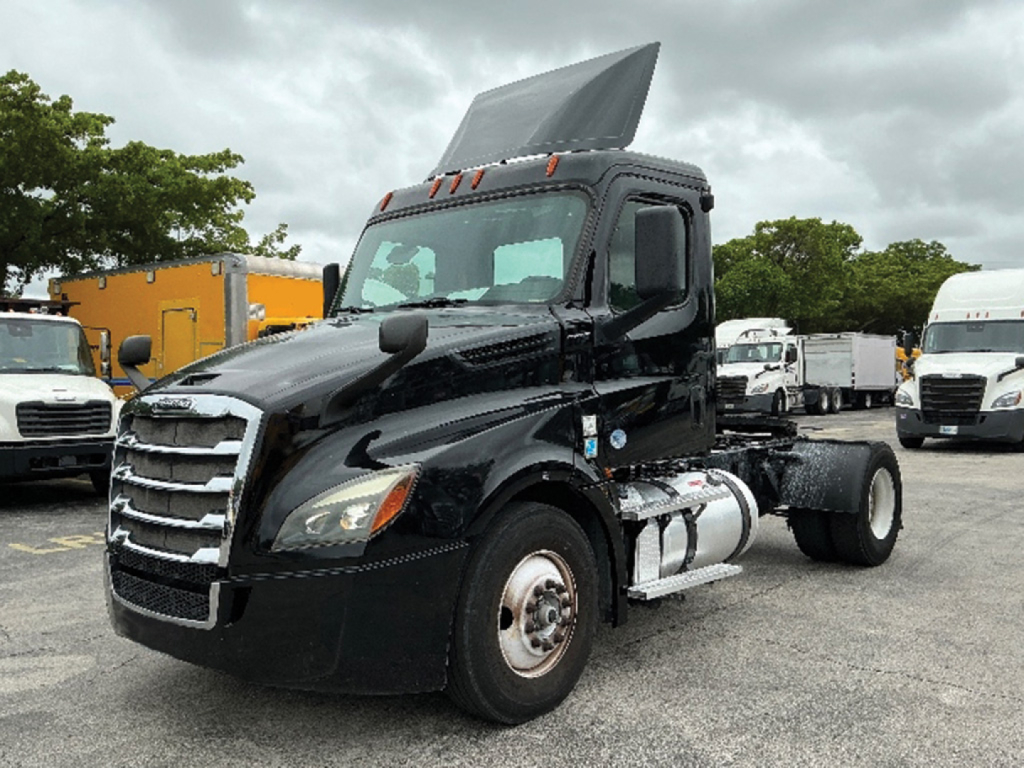
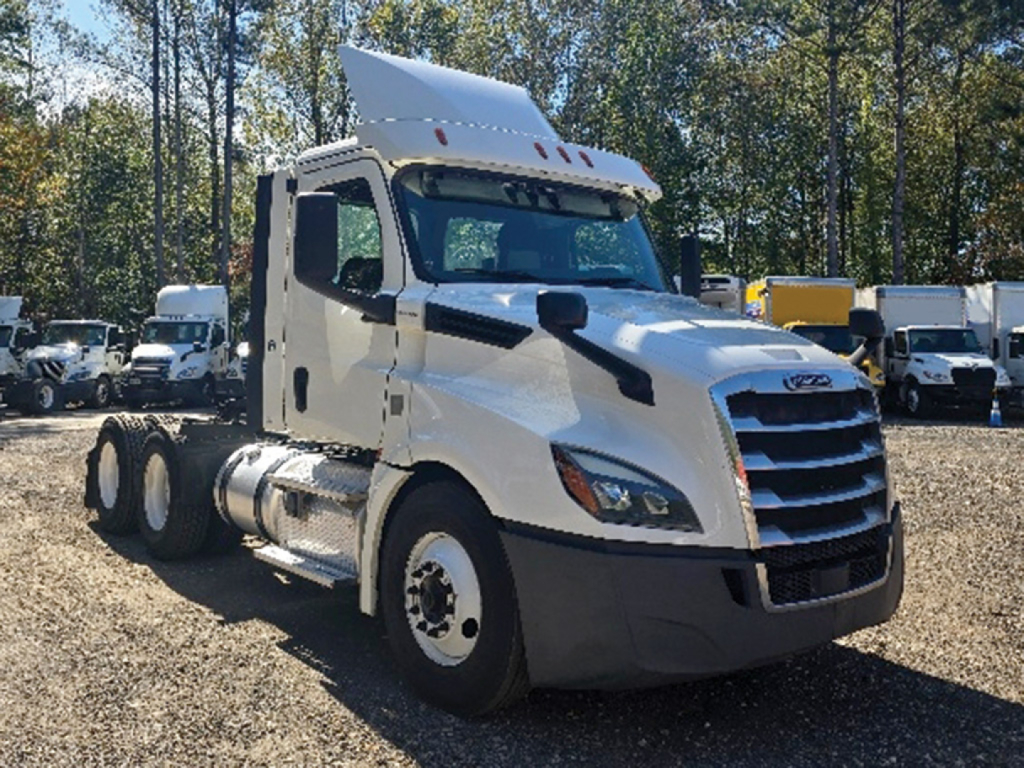
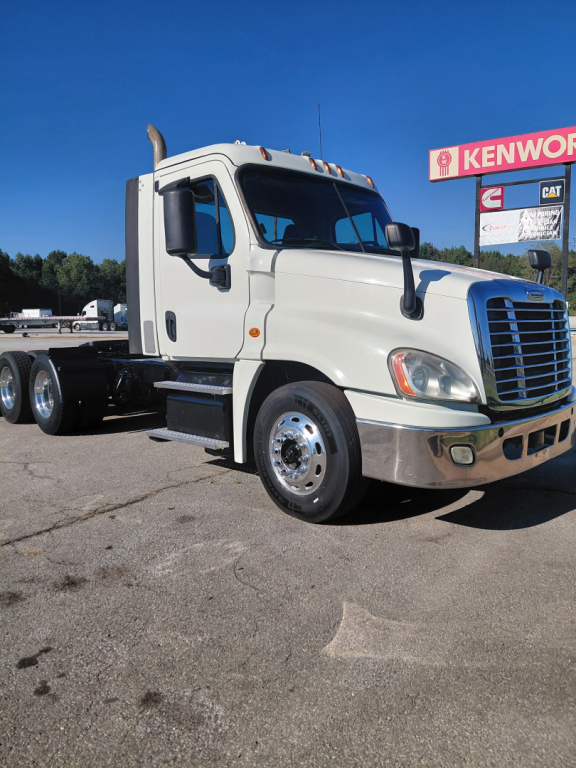
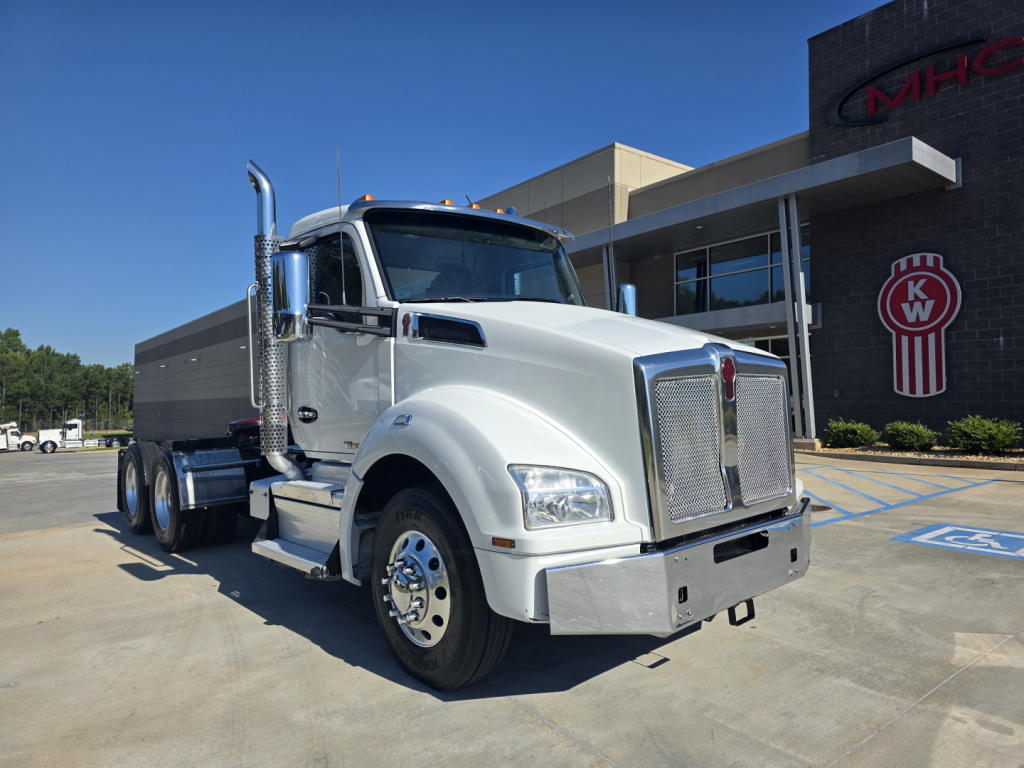
Showing 1 to 28 of 275 results
Selling a commercial truck? List your commercial truck for sale and reach thousands of commercial buyers.
Commercial Trucks in Georgia
Powertrain and chassis choices set operating cost. A 13 liter engine with 1550 to 1750 lb ft suits regional freight, 15 liter with 1850 lb ft handles heavy commodities and hilly Appalachians; pair with an AMT calibrated for low speed maneuvering in yards or a manual if you demand specific ratio control. Axle ratios near 2.26 to 2.64 favor highway fuel economy at Georgia interstate speeds, deeper ratios help stop and go and vocational work; consider 6x4 for traction on job sites, 4x2 or 6x2 to save weight and reduce driveline loss on paved routes. Wheelbase affects bridge compliance and turning in tight Atlanta distribution centers, spec disc brakes for shorter stops and easier maintenance, and match fifth wheel height to your trailers to avoid driveline angle issues. Collision mitigation, lane departure, adaptive cruise, and TPMS reduce incident risk and insurance exposure; APUs or optimized idle save fuel during mandatory breaks in summer heat.
For straight trucks, floor strength and thermal integrity are critical. Dry freight bodies should have laminated hardwood floors or aluminum plank floors rated for your forklift, confirm the per wheel load rating, with crossmember spacing at 8 to 12 inches depending on freight density. Add scuff liners at 12 to 24 inches to protect wall panels from pallet impact, specify swing doors for maximum opening width or roll up doors for urban routes with frequent stops. Liftgates must match platform width and rail strength to body posts, power supply cabling should be protected against road spray. Reefer bodies need closed cell foam insulation with consistent foam density, high performance door seals, and drain routing that does not trap condensate; size the refrigeration unit for Georgia summers, consider shore power standby to preserve product during loading or overnight.
Longevity depends on corrosion control and serviceability. Look for factory e-coat or hot dip options on crossmembers, aluminum cabs and fuel tanks, stainless fasteners around DEF and battery boxes, and harnesses with molded connectors; these details slow oxidation from coastal air and fertilizer dust. Spec suspensions with bushings and shock valving that match load cycles, heavy vocational frames may require double frame or high RBM rails, confirm no prior crack repairs. Lighter spec saves fuel and tire wear, but do not under spec axles or brakes for expected GVWR; 12k to 14k steer and 40k to 46k rears are common, set tire load ranges accordingly. If you cross into CARB states, verify 2010 or newer emissions compliance and any idle restrictions. A thorough pre purchase inspection should include frame and cab mounts, brake lining thickness, hub endplay, aftertreatment pressure testing, and a cooling system pressure test to ensure uptime in Georgia heat.
Frequently Asked Questions about Commercial Trucks in Georgia
What axle ratio works best for Georgia regional routes at interstate speeds?
For steady 65 to 70 mph interstate work, ratios around 2.26 to 2.64 with direct or overdrive top gear keep engines in the 1,050 to 1,300 rpm sweet spot for fuel economy. If your cycle includes frequent stops, short on ramps, or grades toward the Appalachians, a slightly deeper ratio can improve launch and reduce clutch and brake wear. Match ratio to transmission gear spread, tire size, and cruise speed to avoid lugging in summer heat.
How should I evaluate floor strength on a box truck for palletized freight?
Confirm the floor’s forklift rating per wheel and crossmember spacing. Laminated hardwood at 1.25 inches with 10 inch crossmember spacing handles most general freight, heavy paper or beverage accounts may need closer spacing or aluminum plank floors. Inspect for fastener pull through at sills, corrosion at rear thresholds, and the condition of scuff liners to ensure the body can tolerate daily dock abuse.
What insulation and reefer capacity should I consider for Georgia heat and humidity?
Select closed cell foam with consistent panel thickness and sealed seams, and size the refrigeration unit to maintain setpoint at 100°F ambient with frequent door openings. High quality door gaskets, insulated bulkheads, and properly routed drains preserve thermal integrity. Electric standby is useful for overnight holds, and clean condenser and evaporator coils are essential for stable suction pressures in humid conditions.
How can I reduce tare weight without compromising durability?
Choose aluminum wheels, a 6x2 axle layout where traction allows, composite body panels, and right size fuel tanks to your route. Use disc brakes and wide base singles if your lanes and shippers allow, both cut weight and rolling resistance. Maintain adequate axle and suspension ratings for your GVWR, and avoid overspec on frame liners unless your duty cycle or body type requires higher RBM for durability.
What corrosion protections matter for Georgia operations, especially near the coast?
Inland routes see limited road salt, but port drayage and coastal air accelerate oxidation. Favor e coated or galvanized crossmembers, aluminum tanks and steps, stainless or coated hardware around DEF and battery boxes, sealed wiring with molded connectors, and underbody coatings on vocational frames. Rinse chassis regularly after port work and monitor for early rust at frame holes, spring hangers, and rear body mounts.