
Refrigerated Trucks For Sale in Georgia
Browse refrigerated trucks for sale in Georgia, including reefer box trucks with common body sizes, cooling units, and delivery-ready specs.
Selling a refrigerated truck? List your refrigerated truck for sale and reach thousands of commercial buyers.
Refrigerated Trucks in Georgia
Body and refrigeration specs matter as much as the chassis. Common features on refrigerated trucks include insulated sidewalls, aluminum or wood floors, scuff plates or scuff liners, E-track, curbside doors, and either roll-up or swing rear doors. Refrigeration units from Thermo King and Carrier are common in this class, and buyers should confirm whether the unit is truck-driven or self-powered, along with hours, service history, and pull-down performance. Electric standby is a major advantage for trucks that stage overnight at a warehouse or make frequent local stops, since it reduces engine run time on the reefer unit and can help control operating costs.
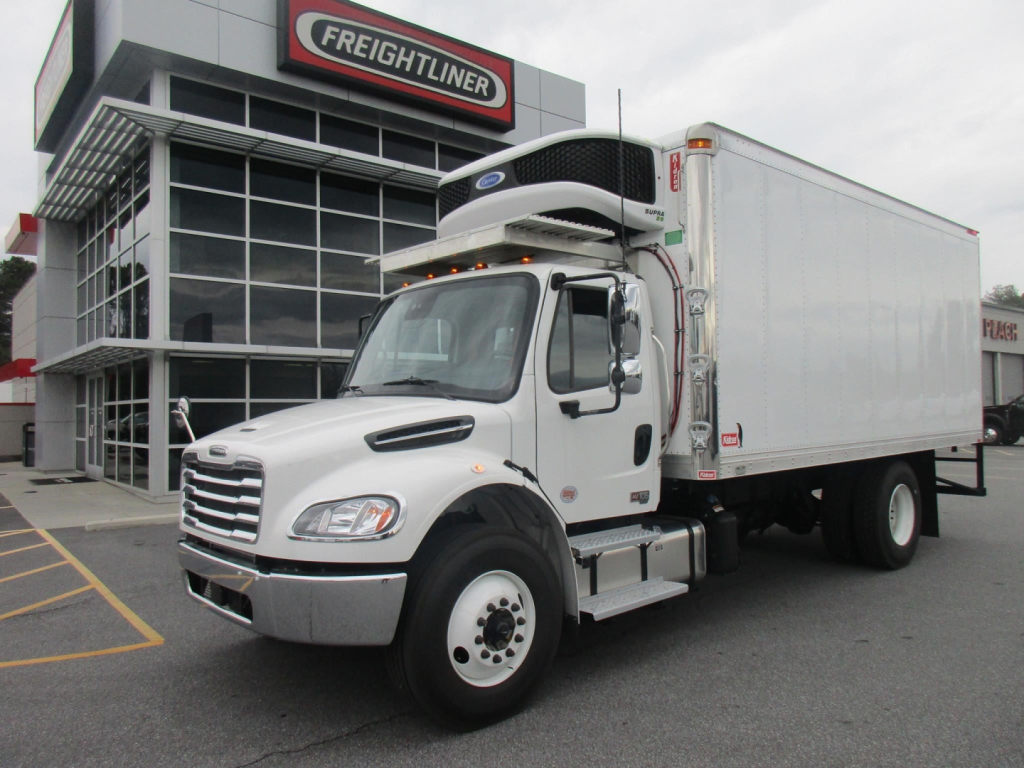
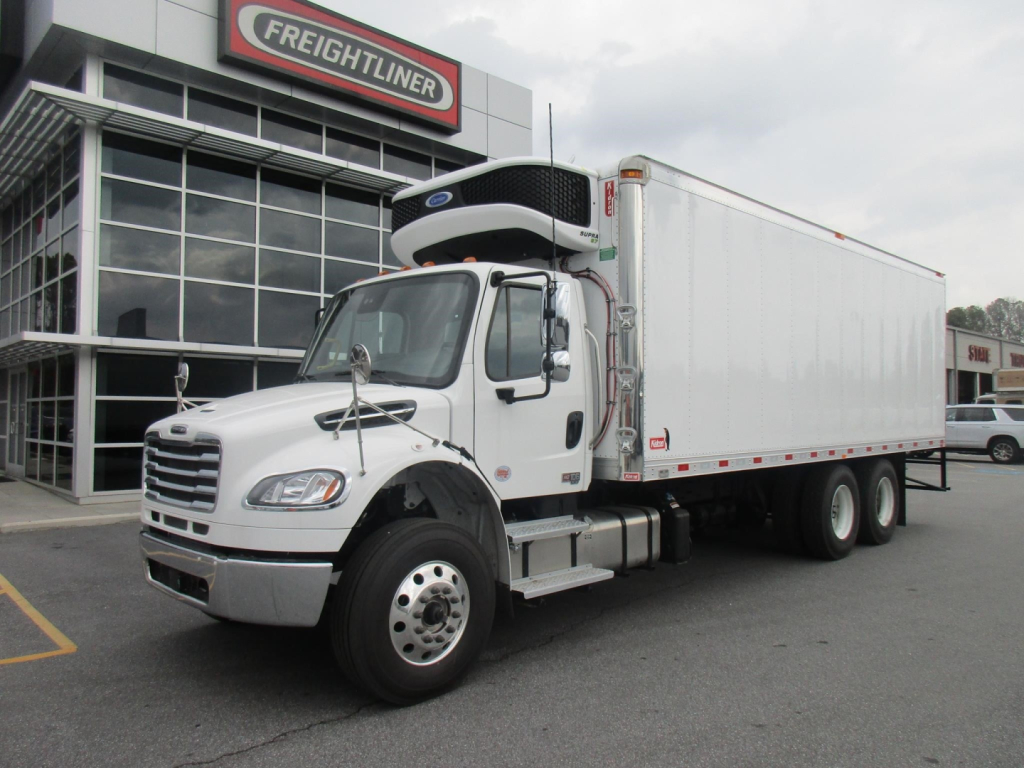
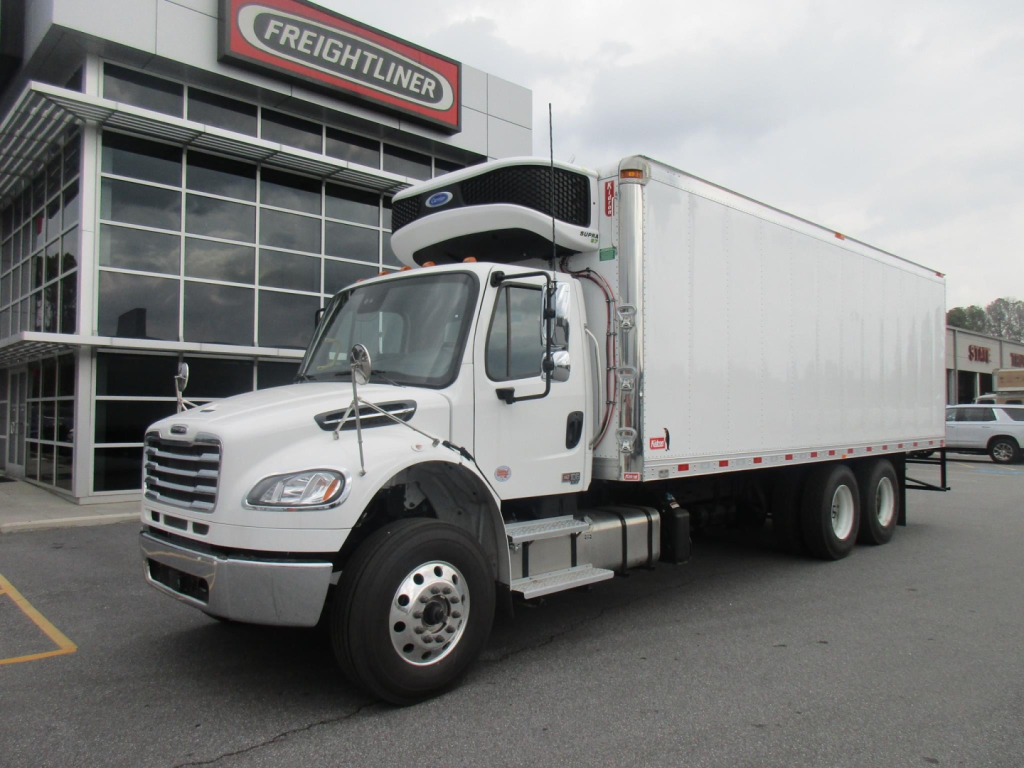
For urban and suburban delivery, smaller Class 3 to Class 5 refrigerated trucks like a GMC Savana 3500 are popular because they are easier to maneuver, simpler to park, and well suited for tight loading zones. Typical specs include gas V6 power, automatic transmissions, single rear axles, and 12 foot reefer bodies. Medium-duty trucks such as a Freightliner M2 106 move more product per trip and are better matched to wholesale foodservice, multi-stop grocery routes, and regional delivery. In that size range, buyers often compare wheelbase, rear axle rating, body length, floor type, and door configuration, along with engine and transmission combinations such as a Cummins diesel paired with an Allison automatic.
A used refrigerated truck should be evaluated as both a truck and a cold-storage system. Check reefer unit hours, maintenance records, evaporator and condenser condition, door seal integrity, insulation condition, drainage, and signs of floor damage from pallet jacks or moisture intrusion. Confirm the box can hold the target temperature with the doors closed and inspect how quickly it recovers after openings. In Georgia service, cooling performance in hot weather is critical, so buyers should pay close attention to unit capacity, standby capability, and any evidence of past repair to the box structure or refrigeration components. A solid reefer truck is not just roadworthy. It has to maintain stable temperatures across the route, protect cargo quality, and match the delivery pattern the business runs every day.
Frequently Asked Questions about Refrigerated Trucks in Georgia
What size refrigerated truck is best for local delivery work?
For local delivery, the best size depends on stop density, product volume, and access at customer locations. A 10 to 14 foot refrigerated van body is common for restaurant supply, bakery, floral, and specialty food routes where maneuverability matters. A 20 to 26 foot reefer straight truck fits higher-volume grocery, wholesale, and foodservice routes where pallet capacity is more important than tight-city parking. Buyers should compare cube, payload, turning radius, and the number of daily door openings before choosing body length.
What should I inspect first on a used refrigerated truck?
Start with the refrigeration unit and the box. Unit hours, maintenance records, temperature pull-down, and electric standby function are key checks. Then inspect door seals, insulation, evaporator condition, condenser cleanliness, and the floor for rot, corrosion, or heavy pallet jack wear. On the truck side, review engine, transmission, brakes, suspension, and tire condition just as closely, because a reefer truck that cools well but has poor chassis reliability will still create route downtime.
Is electric standby worth having on a refrigerated truck?
Electric standby is valuable when the truck is pre-cooling at a dock, staging overnight, or spending long periods parked while maintaining product temperature. It lets the refrigeration system run on shore power instead of relying only on the truck engine or reefer power source, which can reduce fuel use and wear. For route trucks with frequent depot use, standby can be a meaningful operating advantage. For trucks that stay on the road most of the day and return only briefly, it may be less important.
What temperatures can a refrigerated truck typically hold?
Most refrigerated trucks in this category are designed for chilled or frozen delivery, but the exact temperature range depends on the reefer unit, insulation package, ambient conditions, and how often the doors are opened. Many units can maintain standard fresh and frozen product ranges if the box is in good condition and properly pre-cooled. In hot Georgia conditions, recovery time after stops becomes especially important, so unit capacity and box integrity matter as much as the stated temperature setpoint.
Are smaller reefer trucks better than medium-duty reefer straight trucks?
Neither is universally better. Smaller reefer trucks are easier to operate in urban areas, usually cost less to run, and make sense for lighter payloads and shorter daily routes. Medium-duty reefer straight trucks carry more product, often have stronger payload capability, and are better suited to palletized freight and regional distribution. The better choice is the truck that matches the cargo weight, route pattern, loading equipment, and delivery environment.