
2011 Commercial Trucks For Sale in Georgia
Browse 2011 trucks for sale in Georgia, including day cabs, sleepers, vocational trucks, and yard spotters across major Class 7-8 applications.
Selling a 2011 commercial truck? List your 2011 commercial truck for sale and reach thousands of commercial buyers.
2011 Commercial Trucks in Georgia
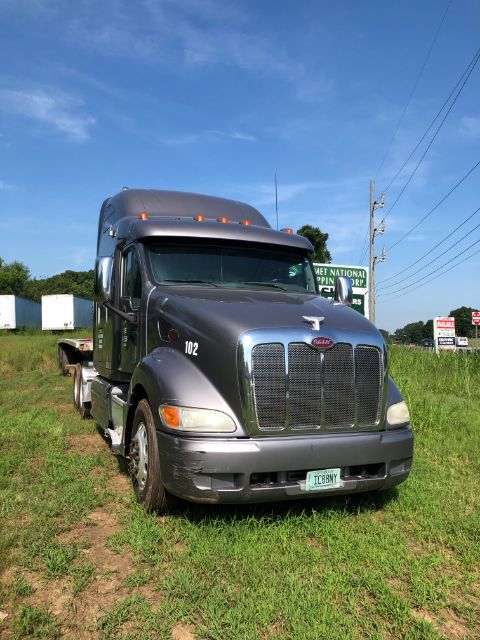
For highway tractors from this era, buyers usually focus on sleeper versus day cab layout, tandem versus single axle configuration, and whether the truck has a manual, automated manual, or full automatic transmission. Common Class 8 specs include 6x4 drivetrains, air ride suspension, 10-speed or 12-speed transmissions, and engines in the 400 to 500 horsepower range. Wheelbase, fifth wheel style, rear axle ratio, and fuel capacity matter if the truck will handle regional van, flatbed, container, or dedicated lane work. A shorter wheelbase day cab is easier around metro Atlanta, Savannah port traffic, and distribution centers, while a sleeper with higher fuel capacity may make more sense for longer turns across the Southeast.
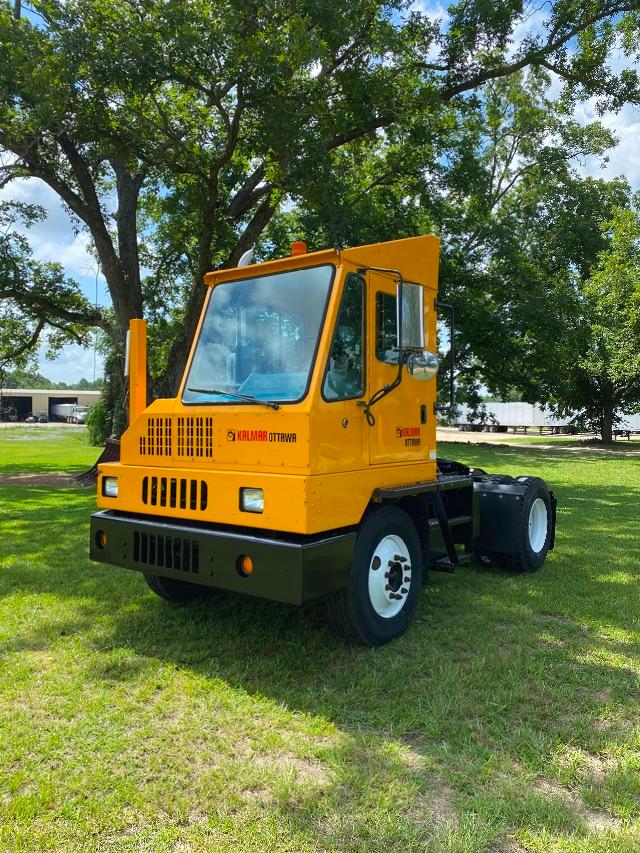
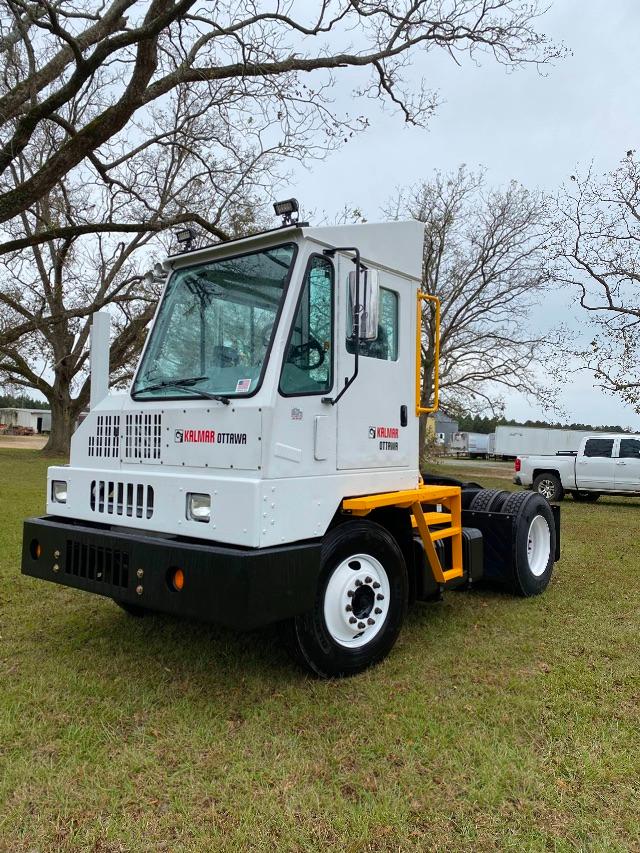
On the vocational side, 2011 trucks can include dumps, yard spotters, and medium-duty chassis built for stop-and-go service. That changes the buying checklist. PTO setup, hydraulic provisions, frame condition, suspension type, axle ratings, and body compatibility become more important than sleeper amenities. Dump buyers should pay attention to body material, hoist condition, and GVWR. Yard truck buyers should look closely at hydraulic fifth wheel operation, cab entry and visibility, and off-road or terminal-duty wear. In Georgia, corrosion is often less severe than in northern markets, but frame rust, cab corrosion, and underbody condition still need a close inspection, especially on trucks that worked around ports, aggregate, or municipal routes.
Emissions and serviceability are also central on 2011 trucks. Depending on make and engine, this year may include EGR, DPF, and DEF-equipped diesel systems, so buyers should confirm emissions configuration, fault history, and whether repairs were done correctly. Engine hours, idle time, aftertreatment service records, injector history, and transmission calibration can tell more than odometer miles alone. A well-kept 2011 truck can still offer strong value for private fleets, owner-operators, farms, and vocational operators, but the best choice is usually the truck with the clearest maintenance story, the right axle and wheelbase spec, and a duty cycle that matches the work ahead.
Frequently Asked Questions about 2011 Commercial Trucks in Georgia
What should I look for first when buying a 2011 truck in Georgia?
Start with the truck’s intended application and service records. A 2011 truck may still have plenty of useful life left if the engine, transmission, axles, and emissions system were maintained properly. Review maintenance documentation, engine hours, idle hours if available, fault codes, DOT inspection status, and signs of frame or suspension wear. In Georgia, buyers should also consider whether the truck’s wheelbase, axle rating, and drivetrain are suited for port work, regional hauling, construction, or local delivery.
Are 2011 trucks likely to have modern emissions equipment?
Yes. Many 2011 diesel trucks use emissions systems such as EGR, DPF, and in many cases DEF with SCR, depending on the engine and manufacturer. Buyers should verify exactly what emissions package is on the truck and check for documented aftertreatment repairs, sensor replacements, regens, and any recurring fault history. A truck with a properly maintained emissions system is usually a much better value than one with incomplete repairs or undocumented modifications.
Is a 2011 day cab or sleeper a better choice for Georgia operations?
That depends on route length and freight type. A 2011 day cab is usually the better fit for local and regional work, port drayage, distribution center traffic, and jobs that require tighter turning radius and lower overall weight. A 2011 sleeper is better suited to longer regional or over-the-road runs where driver comfort, onboard storage, and larger fuel capacity matter. Wheelbase, fuel tank size, rear axle ratio, and fifth wheel position should be matched to the lanes the truck will actually run.
How do I evaluate a 2011 vocational truck differently from a highway tractor?
Vocational trucks should be judged more by chassis condition and job-specific equipment than by cab features. On a dump truck, check PTO operation, hoist performance, body condition, frame reinforcement, spring or air suspension setup, and front and rear axle ratings. On a yard spotter, inspect hydraulic fifth wheel function, cab access, cooling system condition, and signs of severe stop-start wear. For any vocational 2011 truck, confirm the truck was built for the payload and duty cycle you need rather than assuming any Class 7 or Class 8 chassis will do the same work.
Do miles matter more than engine hours on a 2011 truck?
Both matter, but engine hours often tell the more complete story on older commercial trucks. A 2011 truck with moderate mileage but very high idle hours may show more engine wear than the odometer suggests, especially in local, PTO, or yard service. Highway trucks tend to accumulate miles more efficiently, while vocational and terminal units often build hours quickly in low-speed work. The best evaluation uses mileage, hours, maintenance records, oil sample history if available, and a full mechanical inspection together.