
International Trucks For Sale in Georgia
Browse International trucks for sale in Georgia, including LT, HV, and 7600 models for highway, vocational, dump, and specialty work.
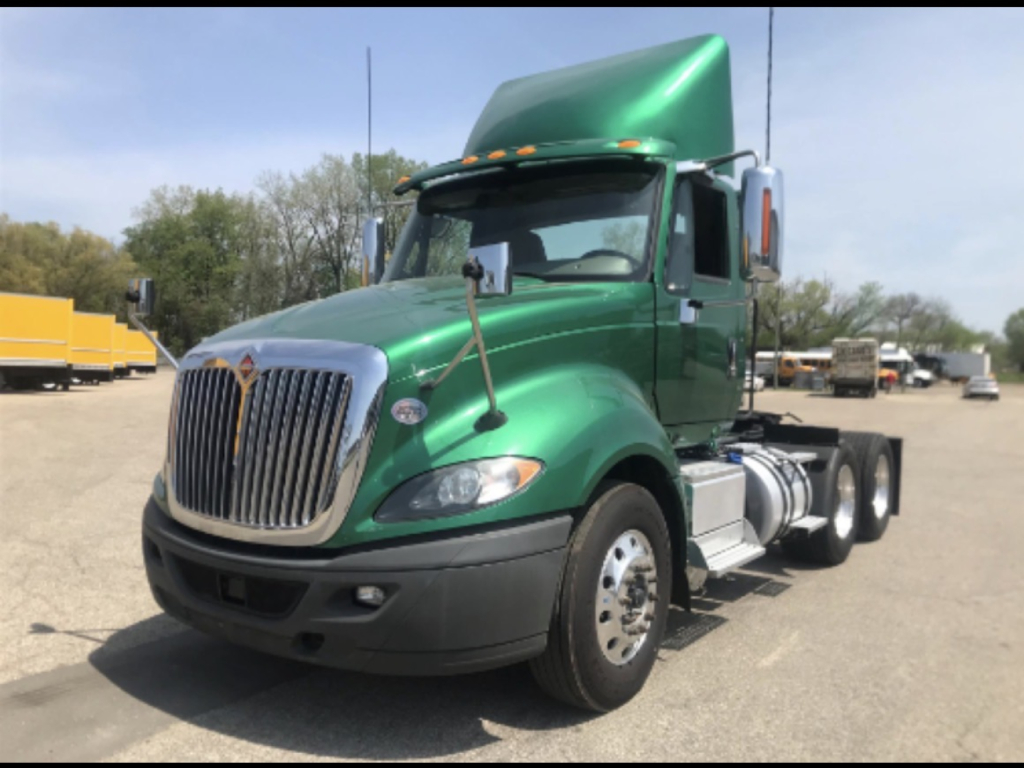
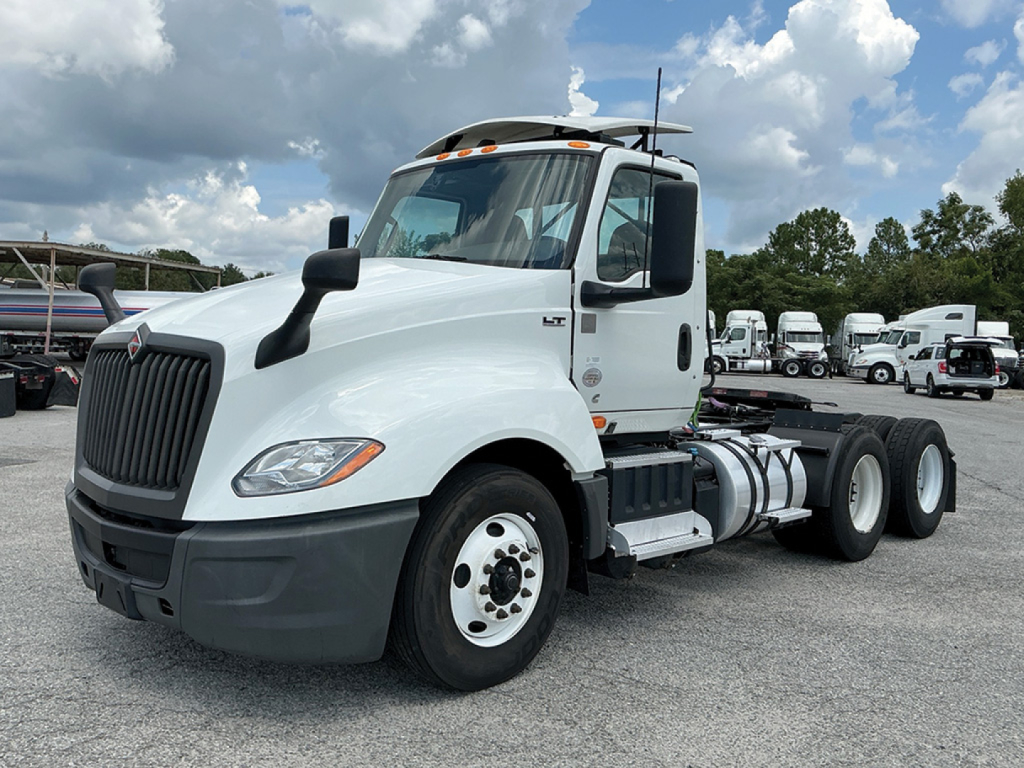
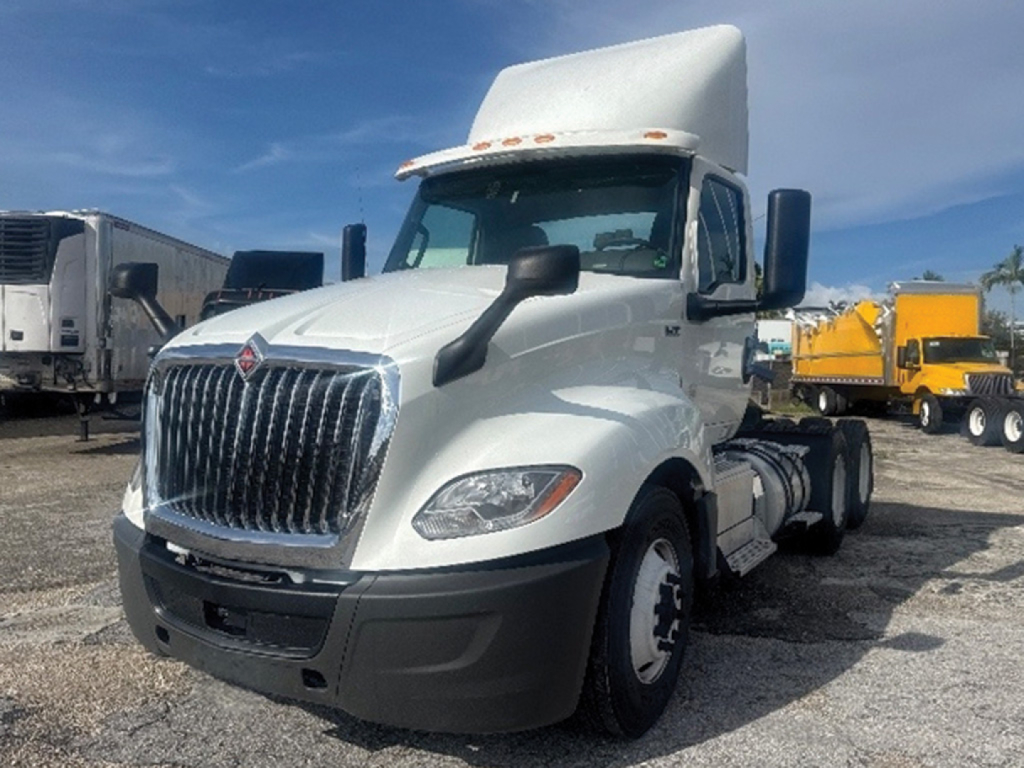
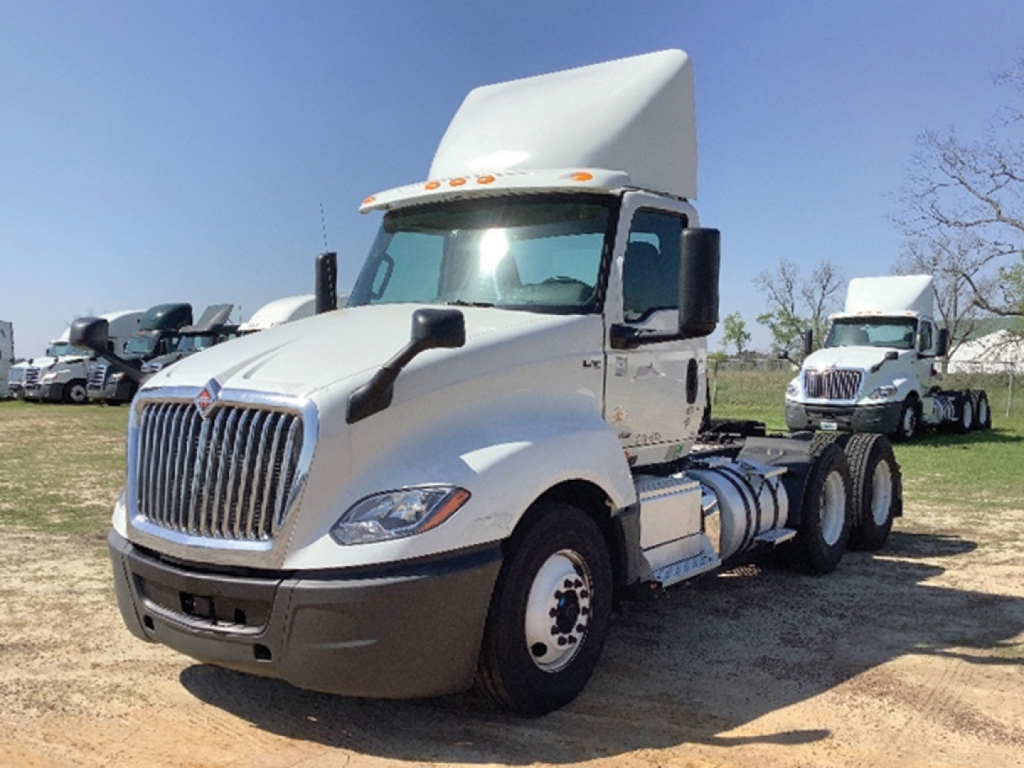
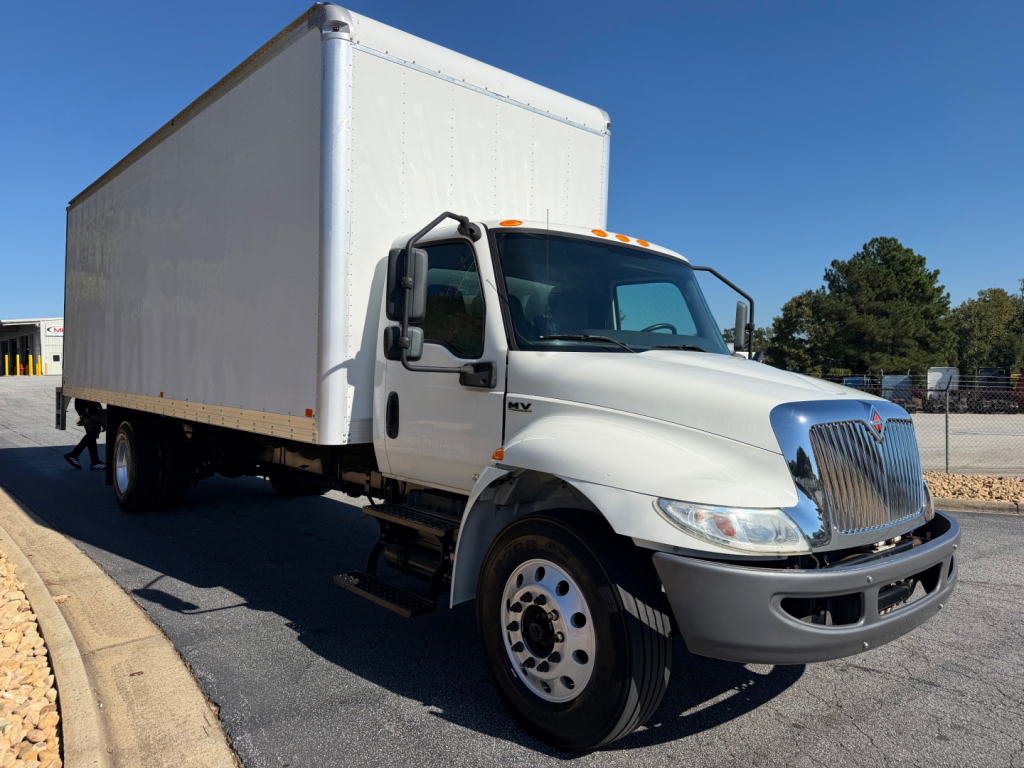
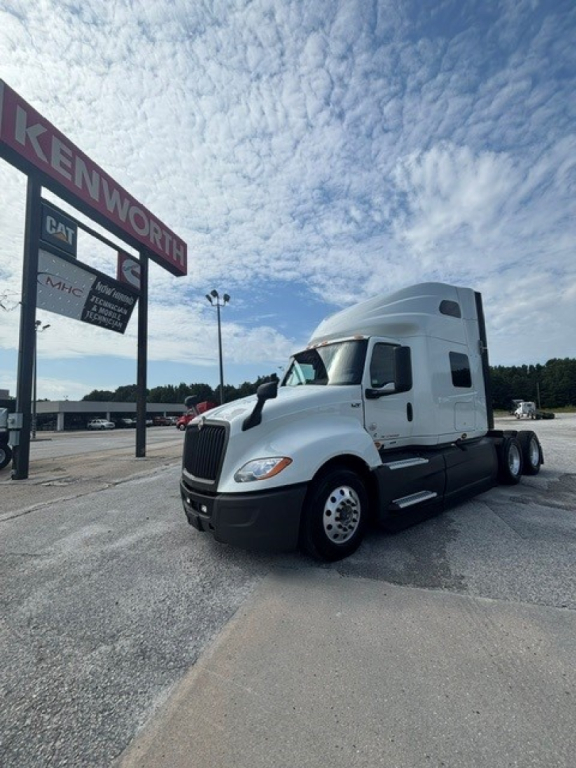
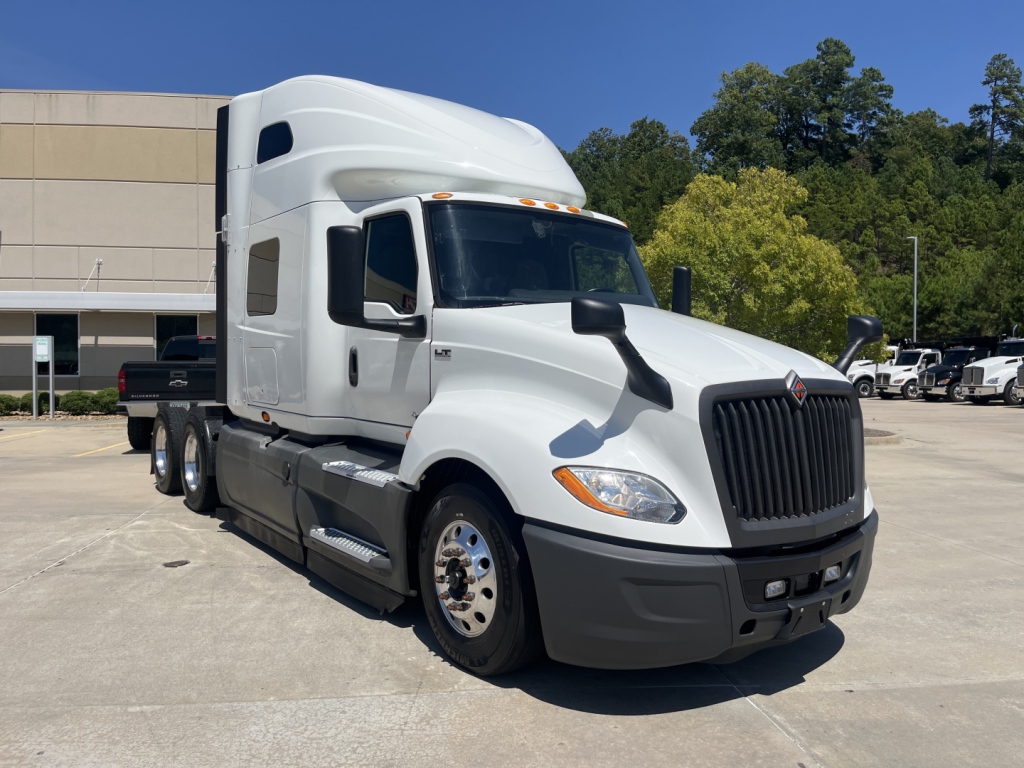
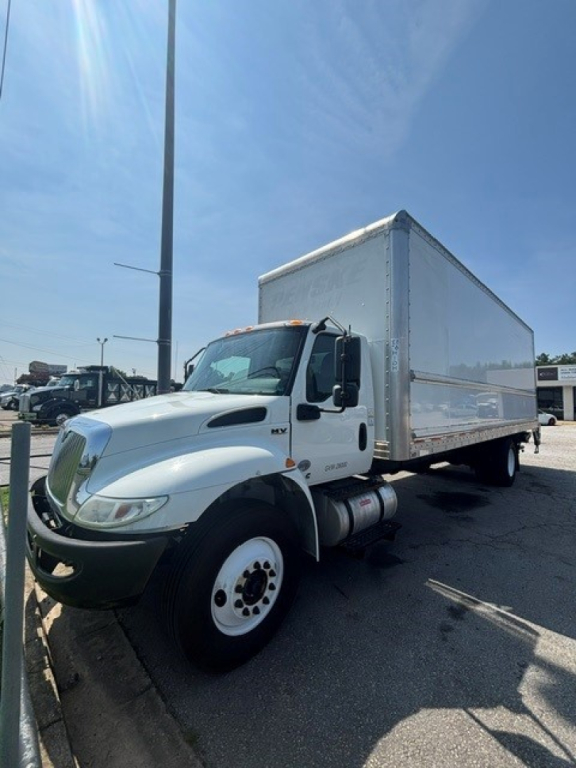

Selling a international truck? List your international truck for sale and reach thousands of commercial buyers.
International Trucks in Georgia
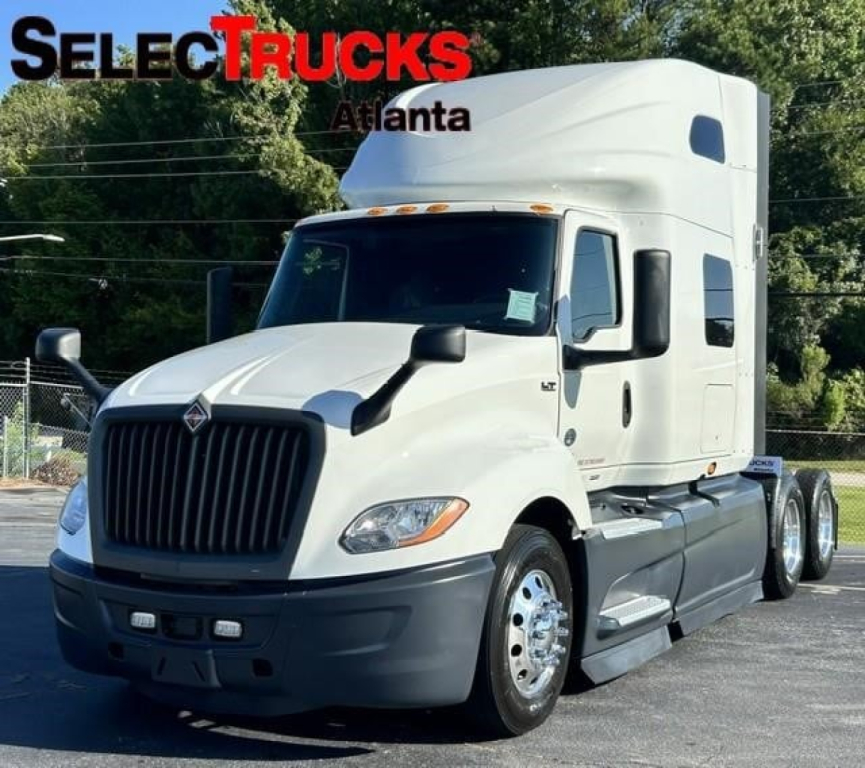
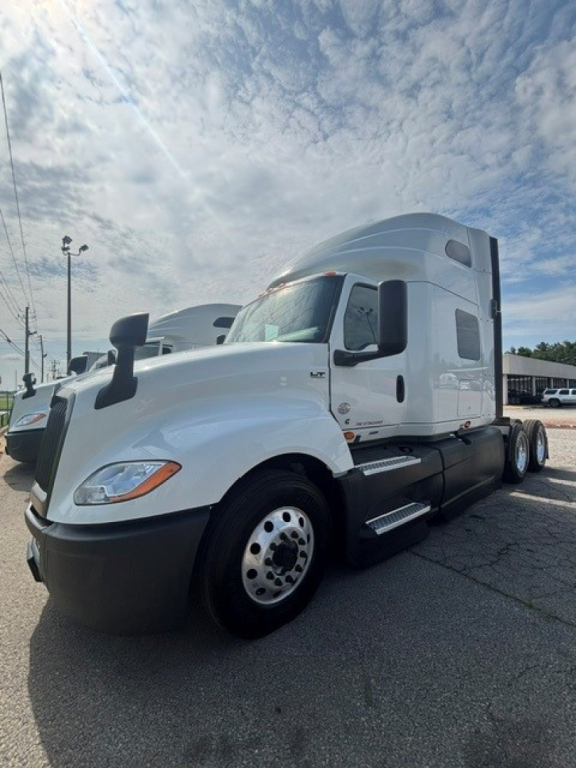
For highway use, International LT day cabs and sleepers are typically spec'd with Cummins power, most often the X15 in fleets focused on serviceability and nationwide support. Key buying points are horsepower rating, transmission type, rear axle ratio, wheelbase, and sleeper configuration. A 400 to 450 hp LT with a 2.79 or 3.55 ratio can be aimed at very different duty cycles, so it is worth matching the driveline to actual lane speed, terrain, and gross combination weight. Georgia operators running regional freight, port freight, or Southeast dry van lanes often pay close attention to aerodynamics, fuel tank capacity, air slide fifth wheel setup, and whether the truck has a manual or automated transmission.
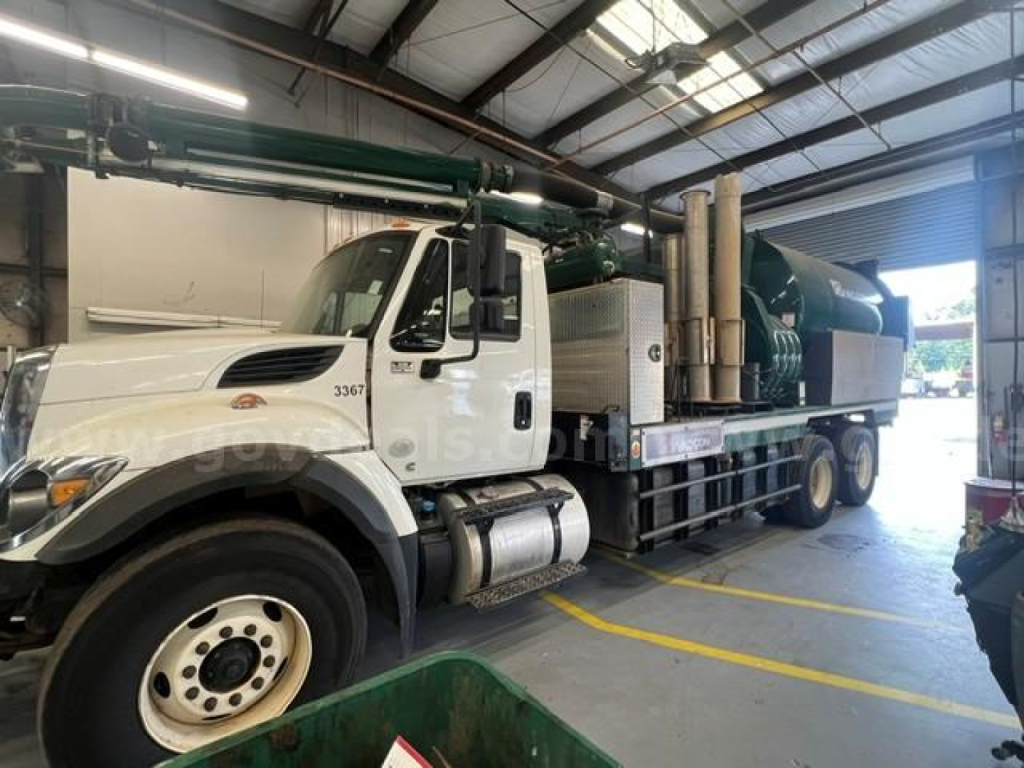
Vocational International trucks deserve a different evaluation. HV and older 7600 models are commonly used as dump trucks, grapple trucks, knuckle boom units, and public works trucks because they accept a wide range of body and PTO configurations. On these trucks, front axle capacity, suspension type, frame rail spec, PTO compatibility, and body or hydraulic condition matter more than cab trim. If the truck is staying in construction, land clearing, utility, or county work, buyers should inspect hoist performance, boom or grapple controls, brake condition, rust around body mounts, and evidence of frame stress or prior upfit modifications. For Georgia use, cooling performance, air conditioning function, and tire condition also matter because heat, stop-and-go service, and mixed paved-to-jobsite mileage can accelerate wear.
A good International truck choice comes down to application fit more than badge or model year. For a sleeper tractor, focus on engine brake spec, rear axle rating, suspension, cab condition, and service history. For a day cab, look closely at wheelbase, fifth wheel travel, and tire setup if the truck will handle city delivery, port drayage, or regional trailer swaps. For vocational units, verify the truck and body were spec'd together correctly and not just assembled to sell. International remains a practical option for fleets and owner-operators who want a truck that can be maintained without exotic components and configured for both highway and work-site duty.
Frequently Asked Questions about International Trucks in Georgia
What are the most common International truck models buyers look for in Georgia?
The most common International truck models in Georgia usually include LT series highway tractors, HV series vocational trucks, and older 7000-series models such as the 7600. LT trucks are aimed at over-the-road, regional, and day cab work. HV and similar vocational platforms are more common in dump, grapple, municipal, and construction applications. The right model depends less on popularity and more on whether the chassis, axle ratings, and drivetrain match the job.
Is an International LT a good choice for regional or long-haul freight?
The International LT is widely used for both regional and long-haul freight, especially when spec'd with a Cummins X15, aerodynamic fairings, and the right axle ratio. Day cabs are often selected for shorter regional runs, drayage, and dedicated lanes, while sleeper versions fit longer routes and teams. Buyers should compare horsepower, transmission type, wheelbase, sleeper size, and rear axle ratio to make sure the truck is built for the freight and terrain it will actually see.
What should I check on a used International vocational truck?
On a used International vocational truck, start with frame condition, axle capacities, suspension wear, PTO operation, and the condition of the body or mounted equipment. Dump trucks need close inspection of the hoist, cylinder, floor, tailgate, and hydraulic lines. Grapple or knuckle boom units should be checked for boom wear, control function, leaks, and any signs of structural repair. Service history matters because vocational trucks often accumulate wear from load cycles and jobsite abuse even when mileage is relatively low.
Are International trucks easy to service and source parts for?
International trucks are generally considered straightforward to service, and parts availability is one reason many fleets continue to run them. Common powertrain combinations, especially trucks equipped with Cummins engines and mainstream Eaton or automated transmissions, can simplify repairs and reduce downtime. Buyers still need to verify the exact engine, emissions system, transmission model, and any body-specific hydraulic components because those details affect maintenance cost more than the cab badge alone.
How do I choose between an International day cab and sleeper?
Choose a day cab if the truck will spend most of its time on short regional runs, local trailer moves, port work, or dedicated routes where driver lodging is not needed. Choose a sleeper if the operation involves overnight runs, longer dispatches, or driver retention priorities tied to cab space and comfort. The decision also affects wheelbase, fuel capacity, payload flexibility, and maneuverability, so the best choice depends on route length, loading environment, and how tightly the truck must turn in daily service.