
Rollback Trucks For Sale in Georgia
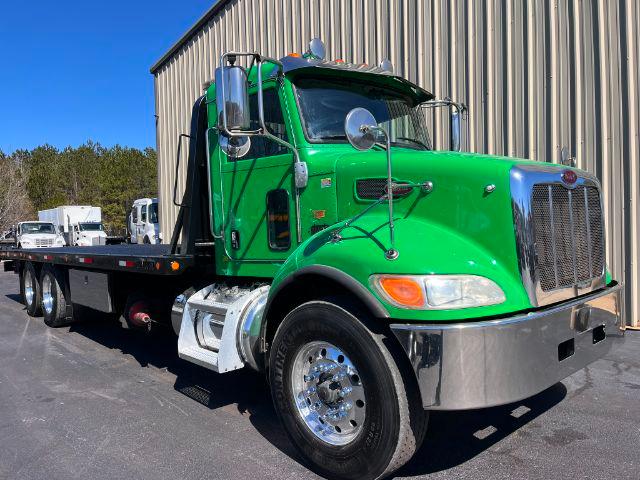
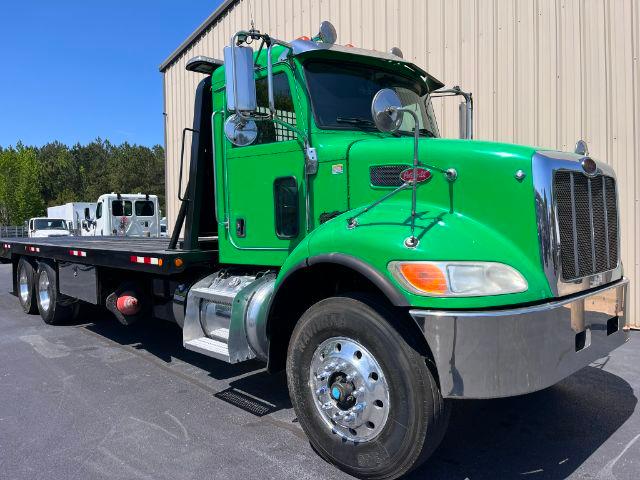
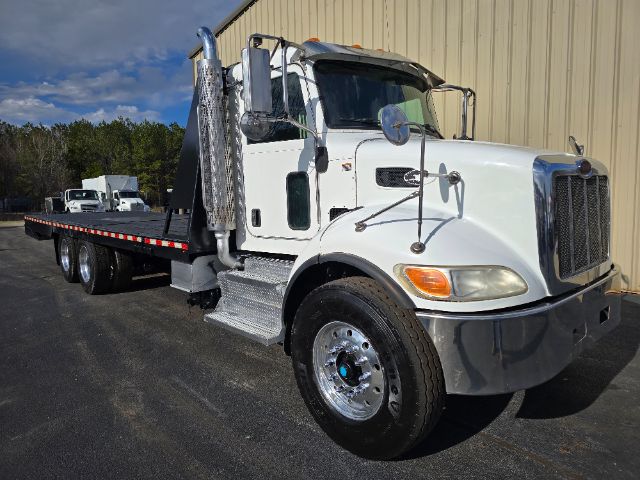
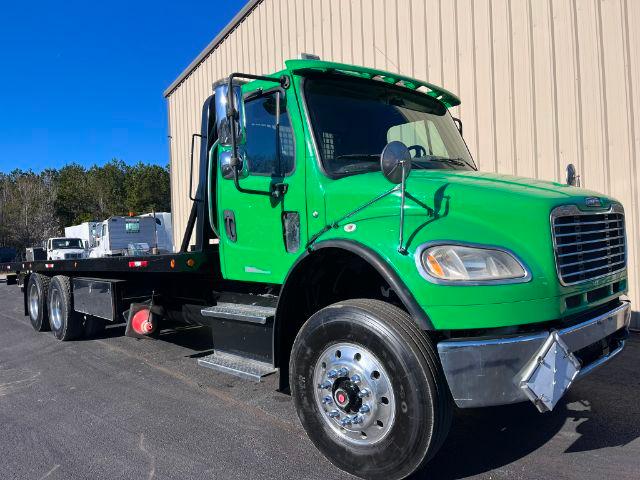
Browse rollback trucks for sale in Georgia. Compare light-duty and tandem-axle carriers by bed length, capacity, winch setup, GVWR, and chassis.
Selling a rollback truck? List your rollback truck for sale and reach thousands of commercial buyers.
Rollback Trucks in Georgia
Bed length, deck construction, and winch setup matter more than paint and trim. Common bed sizes run from about 19 to 22 feet on lighter carriers and up to 28 feet on heavy tandem units. Steel floors hold up well in severe service, while aluminum decks can reduce tare weight and help payload. Buyers should check winch capacity, cable or synthetic line condition, wheel-lift rating if equipped, and whether the truck has a stinger, Hydratail, removable rails, or wireless remote controls. A low loading angle, smooth slide cylinder operation, and straight bed rails are important signs of a rollback that will load consistently and track properly.
On the chassis side, most medium and heavy rollback trucks use diesel engines in the 280 to 375 horsepower range, paired with Allison automatic transmissions for predictable loading control and stop-and-go operation. Tandem-axle examples commonly carry 20,000 lb front axles, 40,000 lb rears, air ride suspension, and GVWRs around 60,000 lbs. Lighter single-axle trucks may use spring or air ride rear suspension with lower bed capacities but better maneuverability in tight lots and city traffic. Wheelbase, axle ratio, tire size, and front axle rating all affect how well the truck handles a loaded deck, especially when hauling heavier machines with concentrated weight.
A serious rollback buyer should inspect the subframe, deck pivots, hydraulic cylinders, PTO operation, crossmembers, and bed floor for cracks, repairs, or signs of overloading. Check for even tire wear, brake condition, and any frame stretch or suspension fatigue on trucks that have spent years in recovery service. Toolboxes, strobes, work lights, tie-down points, and bed controls can make a real difference in daily use, but the priority is matching deck rating, wheelbase, and chassis spec to the loads you actually plan to move. For Georgia operators covering metro Atlanta traffic, regional equipment moves, or roadside recovery routes, the right rollback is the one that balances payload, loading geometry, and durability without forcing the truck beyond its intended class.
Frequently Asked Questions about Rollback Trucks in Georgia
What is the difference between a rollback truck and a wrecker?
A rollback truck uses a hydraulic tilting and sliding bed to pull a vehicle or machine onto the deck for full transport. A wrecker typically uses a boom, underlift, or wheel-lift to tow a vehicle with some wheels remaining on the road. Many rollback trucks are used in towing service, but they are especially valued when the load needs to ride entirely on the bed for better control, lower damage risk, and easier transport of low-clearance vehicles or compact equipment.
What bed length is common on a rollback truck?
Common rollback bed lengths are about 19 to 22 feet on lighter-duty carriers and around 28 feet on heavier tandem-axle equipment rollbacks. The right length depends on what you haul, but bed rating is just as important as bed length. A shorter bed on a properly spec'd chassis may still outperform a longer deck if the axle ratings, wheelbase, and winch system are better matched to the load.
How much can a rollback truck carry?
Capacity varies widely by chassis class and body specification. Light-duty rollback trucks may have bed capacities around 10,000 lbs, which is suitable for cars, pickups, and some smaller machines. Heavy tandem-axle rollback trucks can carry 30,000 lb bed ratings and are used for larger equipment and commercial recovery. Buyers should verify the bed rating, GVWR, axle ratings, and actual payload because legal and practical carrying capacity is determined by the complete truck, not just the deck.
Are automatic transmissions common in rollback trucks?
Yes. Allison automatic transmissions are very common in rollback trucks because they provide smooth low-speed control during loading, unloading, and recovery work. They also reduce driver effort in stop-and-go traffic and on city towing routes. In this category, automatic transmissions are often preferred over manuals because precision and repeatability matter more than maximizing highway fuel economy.
What should I inspect first on a used rollback truck?
Start with the bed structure and hydraulic system. Look closely at the subframe, deck rails, crossmembers, tilt and slide cylinders, PTO engagement, winch operation, and tie-down points. Then check the chassis for axle ratings, suspension wear, brake condition, frame integrity, and tire wear patterns. On trucks that have seen recovery duty, signs of twisting, cracked welds, uneven deck movement, or repeated overloading are more important than cosmetic cab condition.