
Service/Utility Trucks For Sale in Georgia
Shop service and utility trucks for sale in Georgia. Compare body layouts, cranes, compressors, GVWR, PTO options, and chassis specs.
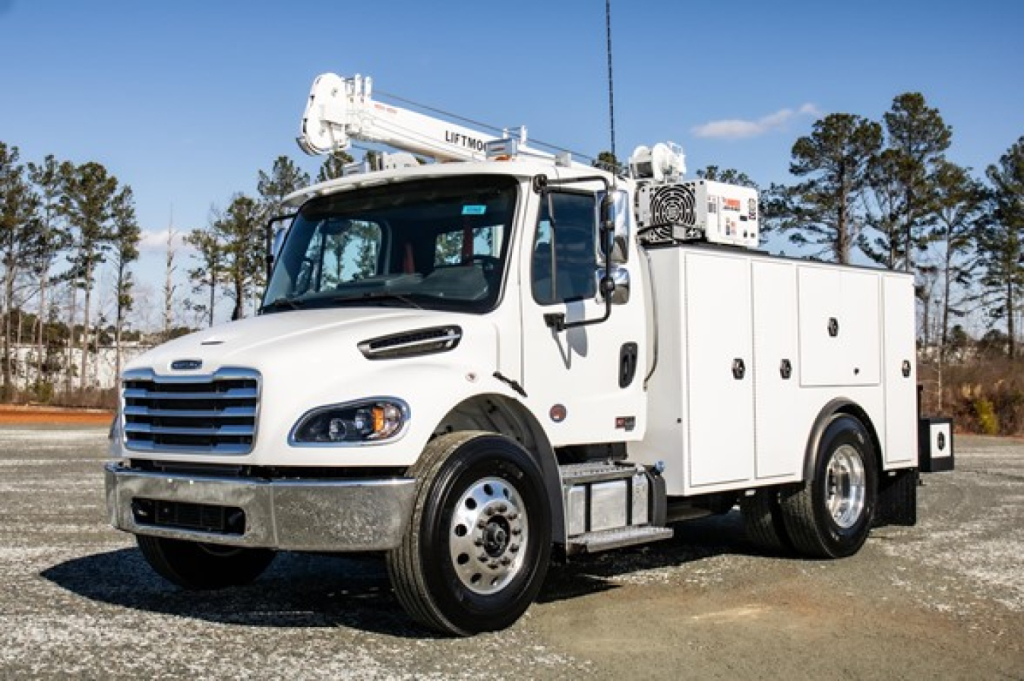
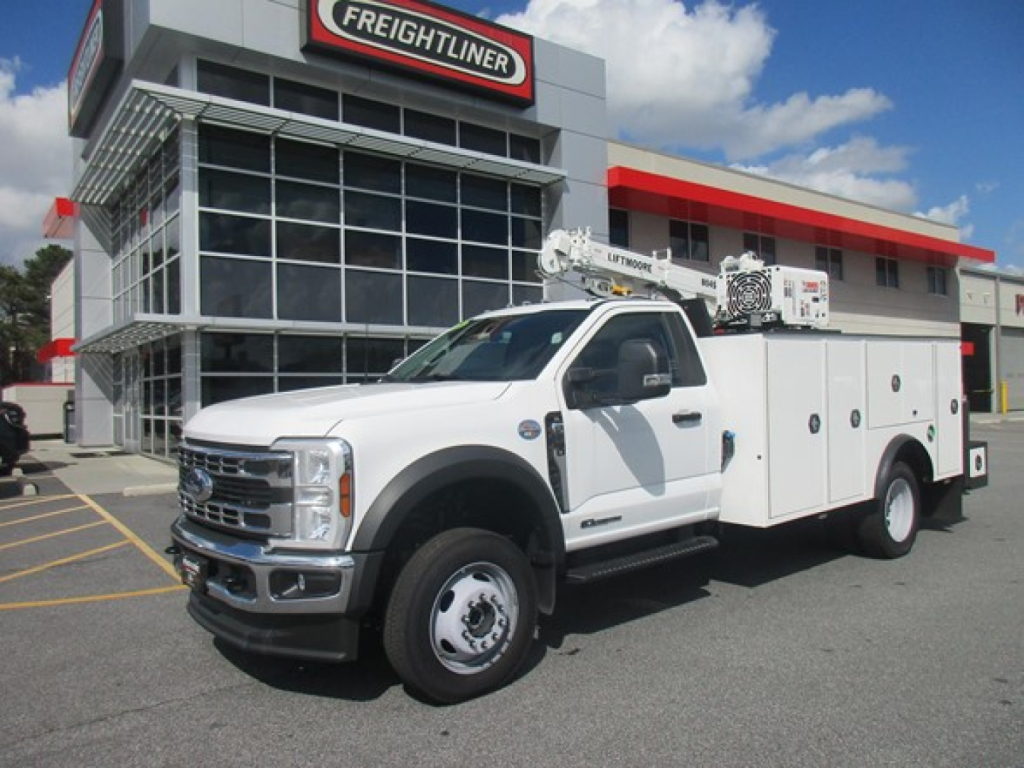
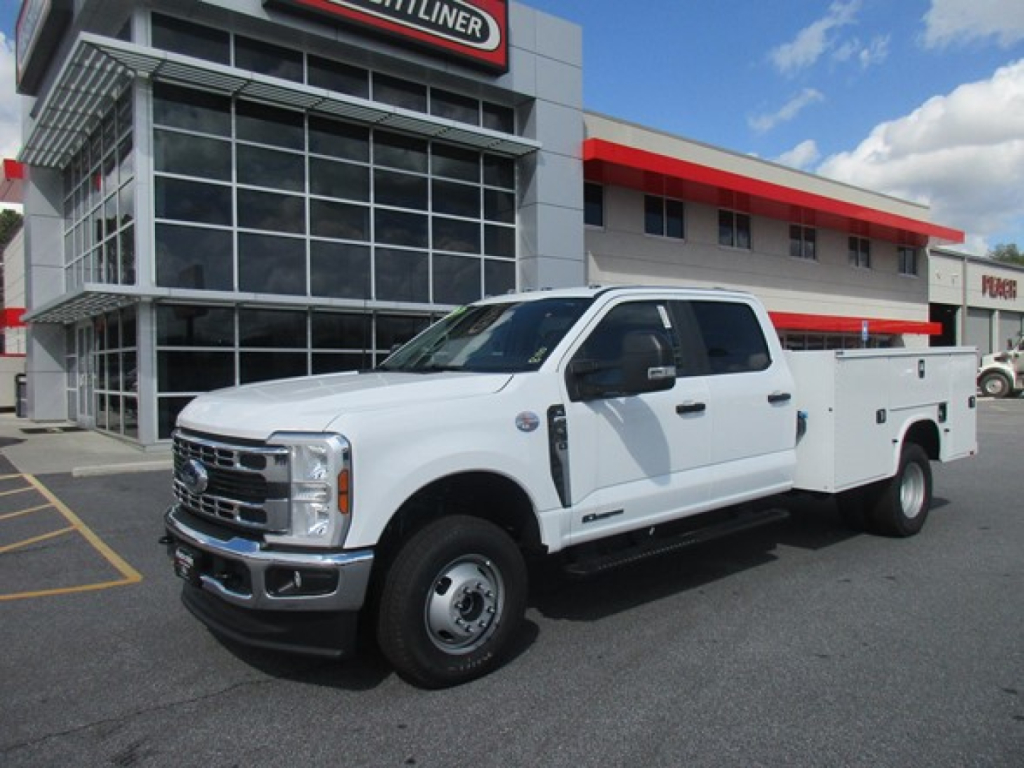
Have service/utility truck to sell? List it here to reach thousands of buyers.
Service/Utility Trucks in Georgia
One of the biggest decisions is chassis class and GVWR. Many buyers look closely at Class 5 through Class 7 service trucks, including derated 25,999 GVWR units that can avoid CDL requirements in some applications while still offering strong carrying capacity. Popular setups include single-axle diesel chassis from Ford, Ram, Chevrolet, GMC, and International, usually paired with automatic transmissions and PTO-driven or engine-driven accessories. In this category, common upfit components include telescopic or articulating cranes, outriggers, compressors, torch bottle racks, work benches, inverter systems, and jobsite lighting. If crane work is part of the job, check crane rating, stabilizer design, frame reinforcement, and body balance with a loaded service body.
Body construction matters as much as the cab and powertrain. Steel service bodies remain popular for strength and long-term durability, while aluminum bodies appeal to fleets trying to reduce curb weight and protect payload. Look for practical details like compartment depth, slam latches, weather sealing, integrated ladder racks, rear vise mounts, and receiver hitches. In Georgia heat and humidity, corrosion protection, wiring quality, and seal integrity matter, especially for trucks that live outdoors or travel between paved roads and utility right-of-ways. Tire size, rear axle ratio, wheelbase, and turning radius also affect how well a service truck works in tight urban areas versus rural and off-road job access.
A good service truck should match the work, not just the price tag. Mobile mechanics may prioritize crane capacity, compressor output, and drawer organization, while utility contractors may need more payload, beacon lighting, and external storage for long tools and safety gear. Review idle management needs, fuel type, PTO compatibility, and the serviceability of the chassis in your operating area. For buyers comparing service and utility trucks for sale in Georgia, the best choice is usually the truck with the right body layout, accessory package, and legal weight rating for the type of field service it will handle every day.
Frequently Asked Questions about Service/Utility Trucks in Georgia
What is the difference between a service truck and a utility truck?
The terms are often used together, but a service truck usually refers to a mechanic-style truck with enclosed side compartments, a work deck, and optional crane or compressor equipment. A utility truck can describe a broader range of vocational trucks used by electric, telecom, municipal, and field service crews. In many listings, the distinction comes down to body layout and installed equipment rather than a strict industry rule.
Why do many service trucks have a 25,999 GVWR?
A 25,999 GVWR rating is popular because it can keep the truck below the 26,001-pound threshold that often triggers CDL requirements, depending on use and local regulations. That makes the truck easier to assign across a wider driver pool while still providing substantial payload and upfit capacity. Buyers should still confirm registration, licensing, and operating rules for their specific application and state.
What should I check on a crane-equipped service truck?
Focus on crane lifting capacity, reach, crane certification status, outrigger condition, hydraulic operation, and how the body and chassis are reinforced for crane loads. It is also important to verify the truck's stability when loaded with tools and parts, because a service body can become rear-heavy quickly. A strong crane spec on paper does not replace a properly integrated body, subframe, and stabilizer setup.
Are diesel engines the best choice for service and utility trucks?
Diesel engines are common in this category because they deliver strong low-end torque, work well with PTO applications, and generally hold up well in vocational duty cycles. They are especially useful when the truck carries heavy tooling, runs compressors, or tows equipment. Gas-powered service trucks can still make sense for lighter-duty fleets with shorter routes, lower annual miles, and simpler maintenance priorities.
What body features matter most on a service truck?
The most important body features are secure and usable compartments, weather protection, payload capacity, and a layout that fits the tools your crew uses every day. Buyers also look for shelving, drawers, bottle brackets, power inverters, work lighting, ladder or material racks, and durable latches that hold up to repeated use. A well-designed body saves time in the field because technicians can access tools and parts without wasting motion.