
2013 Commercial Trucks For Sale in Georgia
2013 trucks in Georgia: specs, emissions systems, engine/transmission options, and buying tips for sleepers, day cabs, and vocational units.
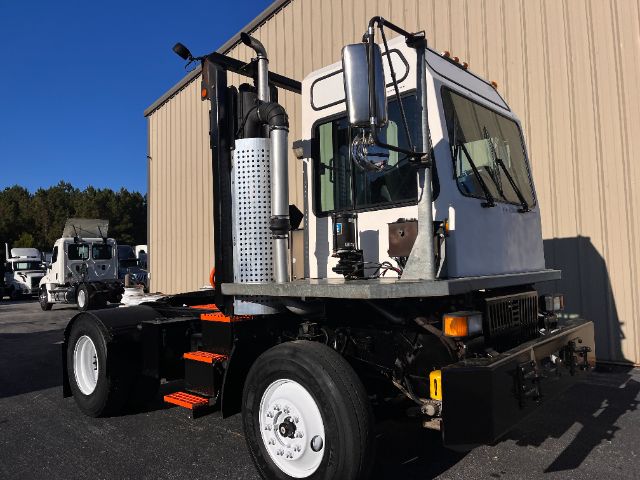
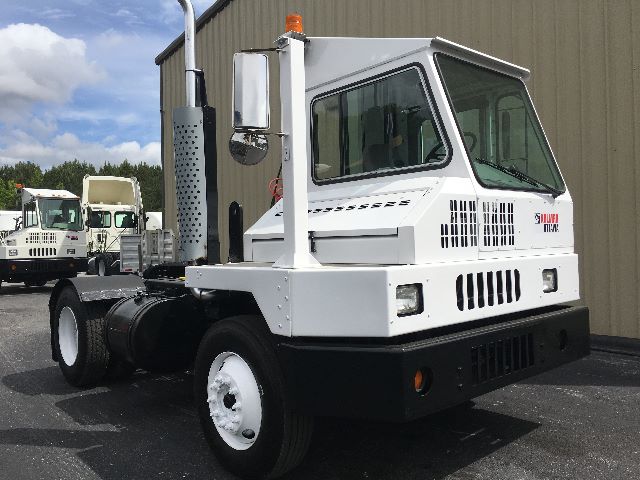
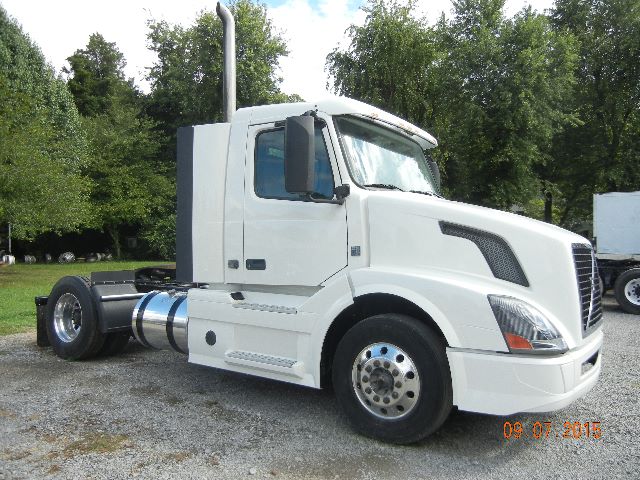
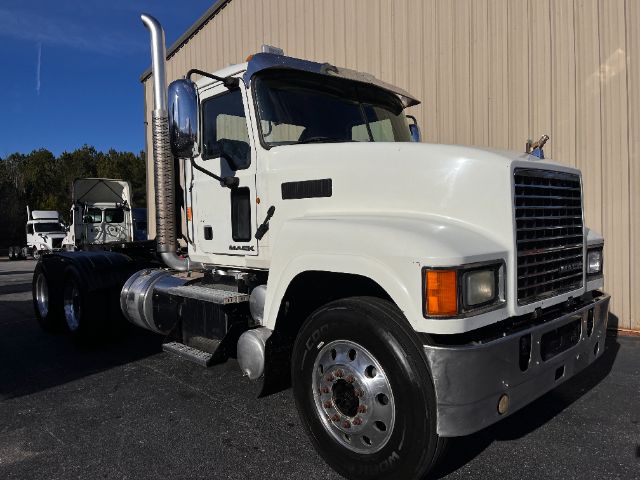
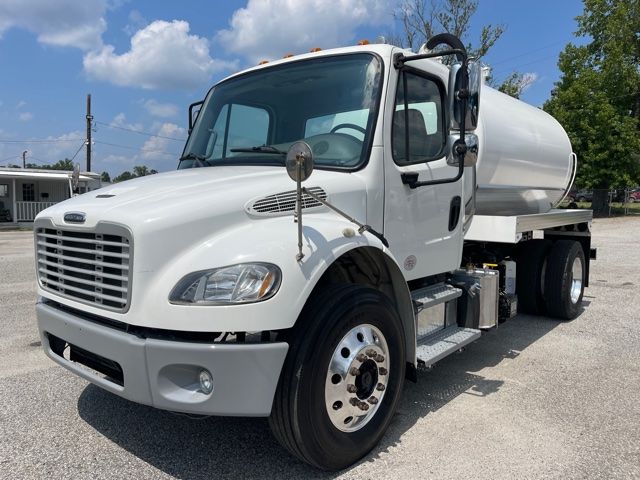
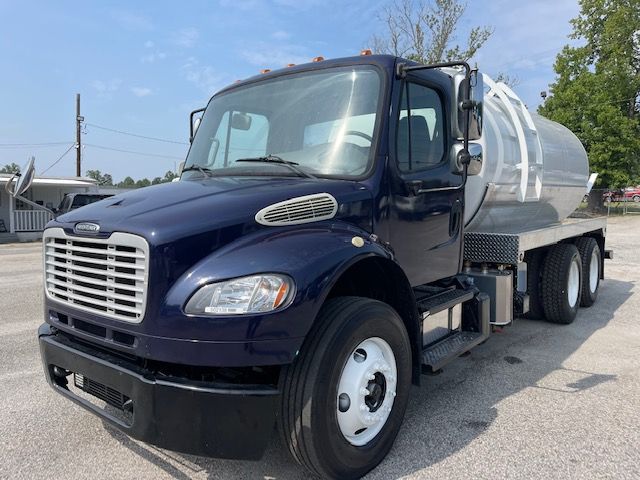
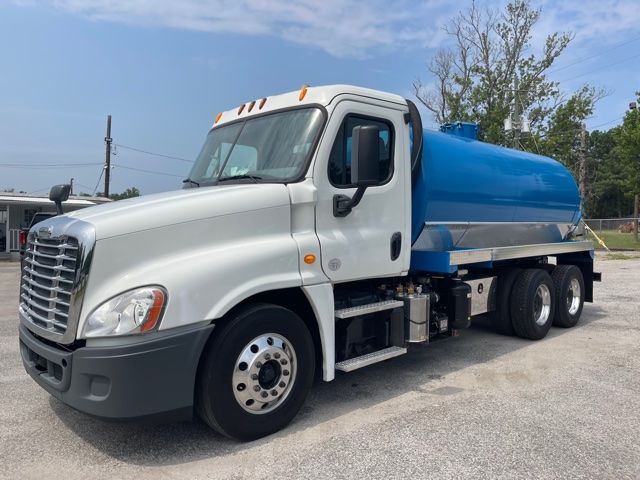
Selling a 2013 commercial truck? List your 2013 commercial truck for sale and reach thousands of commercial buyers.
2013 Commercial Trucks in Georgia
Powertrains in this model year are diverse and proven. Common specs include Cummins ISX15 at 450-550 hp with up to 1,850 lb-ft, Detroit DD13/DD15 from 410-505 hp, Paccar MX-13 at 430-500 hp, and Volvo D13 at 425-500 hp. Transmissions range from Eaton Fuller 10/13/18-speed manuals and UltraShift Plus to Volvo I-Shift and Detroit DT12 automated manuals; Allison automatics show up in vocational units. For interstate hauling on I-75, I-85, or I-16, direct-drive AMTs with 2.47-2.79 rears deliver low cruise rpm and strong fuel economy, while classic 10-speeds often pair with 3.36-3.55 rears. Air-ride drives and cabs are common on sleepers; vocational frames may use heavy multi-leaf or walking-beam suspensions. Air disc brakes started showing up more often in 2013 and offer shorter stops and easier service than drums.
Spec priorities shift by application. Aerodynamic high-roof sleepers with skirts, fairings, and low-rolling-resistance tires can deliver 6.5-7.5 mpg at 62-68 mph when properly geared. Day cabs for regional freight around Atlanta or Macon benefit from shorter wheelbases for tighter docks. Vocational 2013 dumps, mixers, and crane chassis often feature double-frame rails, full-locking diffs, PTO provisions, and 20-23k front/40-46k rear axles; 6x2 linehaul tractors exist in this era, but traction trade-offs in rain or job sites should be weighed carefully. Georgia’s mild winters reduce road-salt corrosion risk versus northern fleets, though units that worked near coastal areas like Savannah can show salt-air effects on frames and electrical.
Condition and documentation matter more than odometer alone. On a 2013, ask for an ECM download with idle hours, fault history, and average fuel burn; review oil analysis trends; confirm DPF cleaning history (often 200k-300k mile intervals), NOx sensor and DEF pump replacements, EGR cooler or turbo work, and any SCR catalyst warranty actions. Inspect kingpins, bushings, and brake lining life on tractors and straight trucks; check body integrity, floor condition, and door tracks on box trucks; verify PTO operation and hoists on dumps. For multi-state operations, confirm CARB compliance labels and trailer compatibility, including kingpin setting and fifth wheel height for spread-axle and reefer work common out of the Southeast.
Frequently Asked Questions about 2013 Commercial Trucks in Georgia
Are 2013 trucks compliant for California and port drayage if I run outside Georgia?
Yes. A 2013 truck with an EPA-2010 or newer engine is compliant with CARB’s Truck and Bus requirements for on-road use and qualifies for California port drayage rules that require 2010-and-newer engines. Always verify the under-hood emissions label and keep aftertreatment in proper working order.
What engine and transmission combinations are common on 2013 highway tractors?
Typical 2013 pairings include Cummins ISX15, Detroit DD15, Volvo D13, or Paccar MX-13 matched to Eaton Fuller 10/13/18-speed manuals or UltraShift Plus, Detroit DT12, or Volvo I-Shift. For cruising in Georgia at 65-68 mph, look for direct-drive AMTs with 2.47-2.79 rears or overdrive manuals with 3.36-3.55 rears depending on tire size and target rpm.
How many miles are too many for a 2013 truck?
Mileage alone is not decisive. Many 2013 highway tractors show 600k-900k miles. Focus on maintenance records, ECM idle hours, oil analysis, and evidence of recent aftertreatment service. A truck with well-documented DPF cleanings, NOx sensor replacements, and timely coolant and valve adjustments can outperform a lower-mile unit with poor upkeep.
What should I look for on a 2013 vocational truck like a dump or mixer in Georgia?
Inspect frame rails for corrosion or scaling, body mounts, hoist cylinders, PTO engagement, and differential locks. Confirm axle ratings, suspension capacity, and brake lining life. In Georgia’s climate, pay attention to cooling system condition, fan hub operation, and AC performance during extended idle. If the truck worked near the coast, check electrical connectors and aluminum components for salt-air corrosion.
How often should aftertreatment components be serviced on a 2013 truck?
Plan on DPF cleaning every 200k-300k miles depending on duty cycle and idle time. SCR systems are generally reliable but expect periodic NOx sensor and DEF pump replacements. Keep DEF quality high, repair exhaust leaks promptly, and ensure software calibrations are current to prevent derates and protect fuel economy.