
2013 Freightliner Trucks For Sale in Georgia
Shop 2013 Freightliner trucks in Georgia. Compare Cascadia, M2, and vocational specs, engines, GVWR, and application-specific configurations.
Selling a 2013 freightliner truck? List your 2013 freightliner truck for sale and reach thousands of commercial buyers.
2013 Freightliner Trucks in Georgia
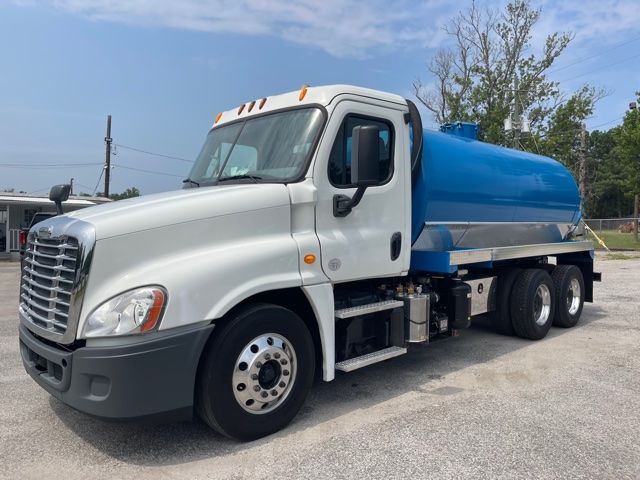
For highway tractors, the 2013 Cascadia remains one of the most familiar fleet trucks on the road, largely because parts availability and service support are strong. Typical engines include the Detroit DD13 and DD15, with automated manual and manual transmissions both common in this year range. Key checkpoints include emissions system history, clutch and transmission operation, suspension wear, and any signs of excessive idle time. Buyers comparing sleeper and day cab trucks should also look closely at rear axle ratio, wheelbase, fifth wheel location, and fuel tank capacity, since those details affect payload balance, maneuverability, and route suitability more than the badge on the hood.
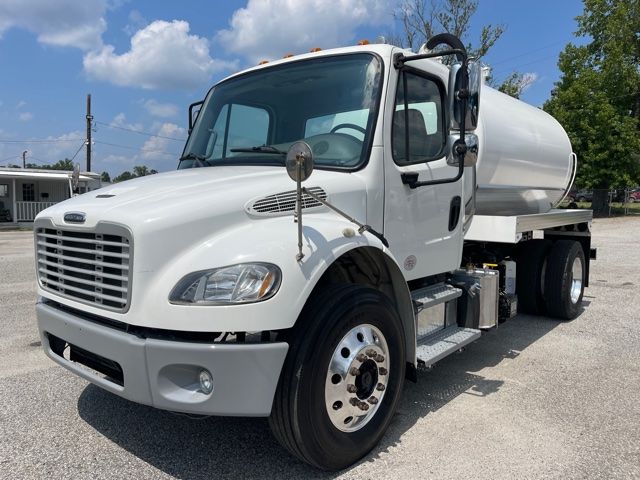
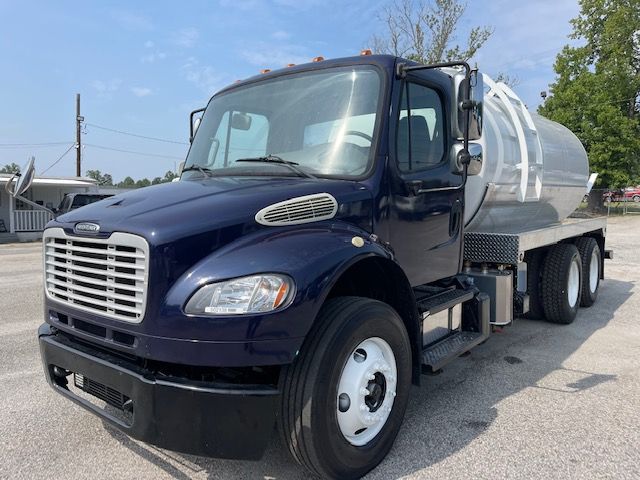
On the vocational side, the 2013 Freightliner M2 is widely used for dump bodies, utility bodies, tank applications, septic service, and municipal work. Cummins ISB and ISC engines are common, and many trucks in this class were spec'd with manual transmissions, Allison automatics, or application-specific PTO setups. Body and equipment condition often matters as much as chassis condition. On a sewer rodder, vacuum truck, or other specialty build, inspect the pump hours, hose reels, tank material, controls, subframe, and PTO engagement just as carefully as the engine and drivetrain. In Georgia, heat, humidity, and stop-and-go duty cycles can also make cooling system health and cab HVAC performance more important than some buyers expect.
A good 2013 Freightliner truck is usually defined by maintenance records, correct spec for the job, and how well the chassis matches the body or trailer it is expected to handle. Check GVWR or GCWR against your operating needs, confirm axle capacities, and review tire, brake, and suspension condition before focusing on cosmetic items. Freightliner’s broad dealer network and commonality of components can make this model year practical for owner-operators and fleets alike, but the best value comes from matching the truck to the work. A properly spec'd 2013 Freightliner can still be a productive truck if the emissions system, drivetrain, and vocational equipment have been maintained with the same discipline as the cab and chassis.
Frequently Asked Questions about 2013 Freightliner Trucks in Georgia
What are the most common 2013 Freightliner truck models buyers look for?
The most common 2013 Freightliner trucks are the Cascadia for on-highway tractor work and the M2 for medium-duty and vocational applications. The Cascadia is typically used for regional and long-haul freight, while the M2 is often found with dump bodies, utility bodies, tank systems, septic equipment, and other specialty upfits. Some buyers also look for heavier vocational Freightliner configurations depending on axle ratings and body requirements.
Which engines are common in 2013 Freightliner trucks?
Engine availability depends on the chassis and application, but common 2013 Freightliner engines include the Detroit DD13 and DD15 in highway tractors and the Cummins ISB or ISC in many M2 vocational trucks. The engine choice affects fuel economy, service intervals, horsepower range, PTO compatibility, and emissions maintenance requirements. Buyers should verify the exact engine model, horsepower rating, and service history rather than relying only on the truck model name.
What should I inspect on a used 2013 Freightliner truck before buying?
Start with the emissions system, engine fault history, transmission operation, brake condition, suspension wear, tire condition, and evidence of consistent preventive maintenance. On vocational trucks, inspect the body or mounted equipment just as closely as the chassis. PTO function, hydraulic performance, pump hours, tank condition, subframe integrity, and control systems can drive repair costs quickly if they have been neglected. A full DOT-style inspection and ECM review are smart steps on any 2013 model.
Is a 2013 Freightliner still a good choice for commercial work?
A 2013 Freightliner can still be a solid commercial truck if it has the right spec for the job and a documented maintenance history. Freightliner trucks from this era benefit from broad parts availability, familiar service procedures, and strong support across much of the country. The main caution is condition, especially on emissions components and vocational equipment, because age and duty cycle matter more than the model year alone.
Why does truck spec matter so much on a 2013 Freightliner?
Spec determines how well the truck will perform in its actual job. Wheelbase, axle ratings, rear axle ratio, transmission type, sleeper size, PTO setup, and body configuration all affect payload, maneuverability, maintenance cost, and driver usability. Two 2013 Freightliner trucks can look similar at a glance but be built for completely different operating environments. Matching the spec to the route, load, and body requirement is one of the most important buying decisions.