
Peterbilt Trucks For Sale in Georgia
Browse Peterbilt trucks for sale in Georgia, including day cabs, sleepers, vocational and specialty trucks with premium specs and driver-focused design.

Selling a peterbilt truck? List your peterbilt truck for sale and reach thousands of commercial buyers.
Peterbilt Trucks in Georgia
Powertrain choice matters on any used Peterbilt. Common engines include the PACCAR MX-13 for linehaul and regional work, the PX-9 in medium and heavy vocational applications, and in older trucks you may also see Caterpillar power in classic models. Transmissions range from 10-speed and 18-speed manuals to Allison automatics and automated manuals, depending on the truck's role. Buyers in Georgia often look closely at rear axle ratings, 6x4 versus lift-axle setups, engine brake performance, and gear ratios such as 3.08 or 3.42 because those details directly affect fuel economy, launch performance, and legal payload. On sleeper trucks, details like APU, bunk heater, air-slide fifth wheel, refrigerator, and tank size can make a meaningful difference in operating cost and driver retention.
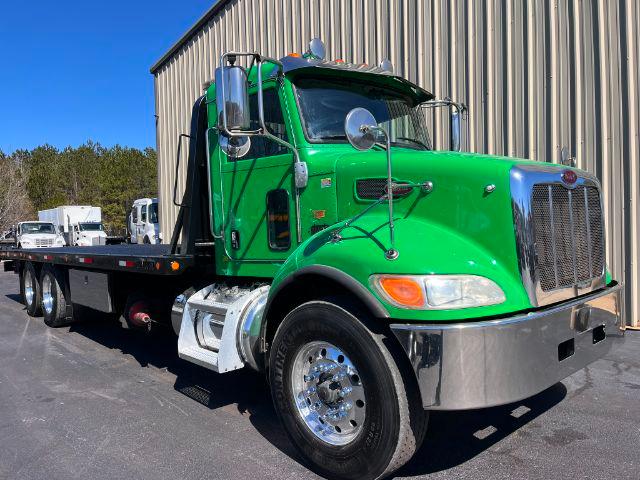
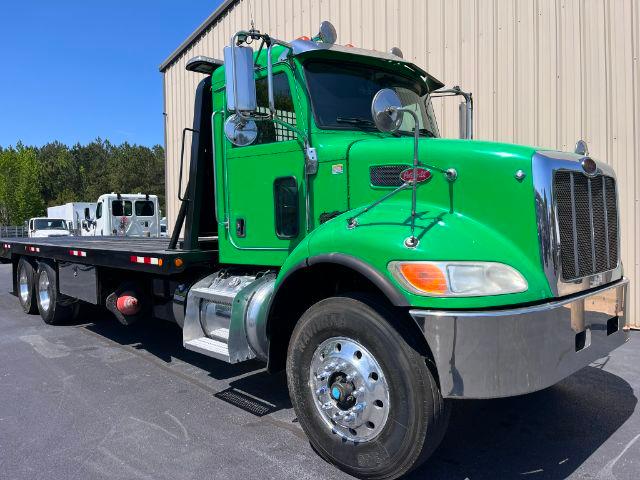
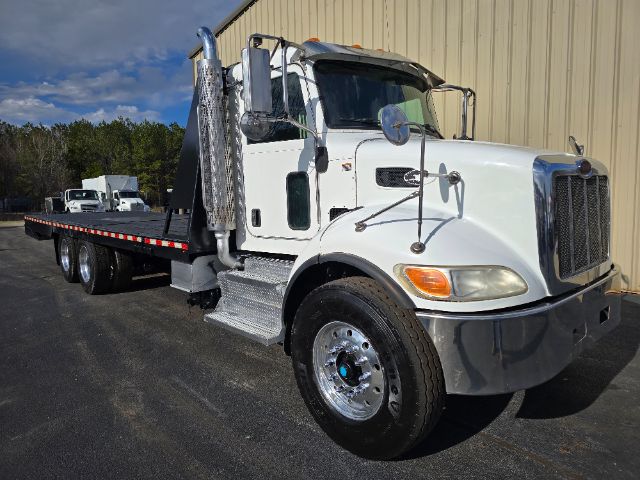
Peterbilt is also known for its vocational adaptability. Models like the 348 and 365 are common in towing, rollback, carrier, and severe-service applications because they can be spec'd with heavier fronts, tandem rears, PTO-driven equipment, and body-builder friendly layouts. For buyers focused on Georgia routes, suspension type, cooling performance, and brake condition are practical checkpoints due to mixed interstate, urban, and stop-and-go vocational use. Air ride suspension improves driver comfort and can help protect certain loads, while vocational buyers may prioritize durability of the frame, hoist or carrier system condition, and axle capacity over ride quality alone.
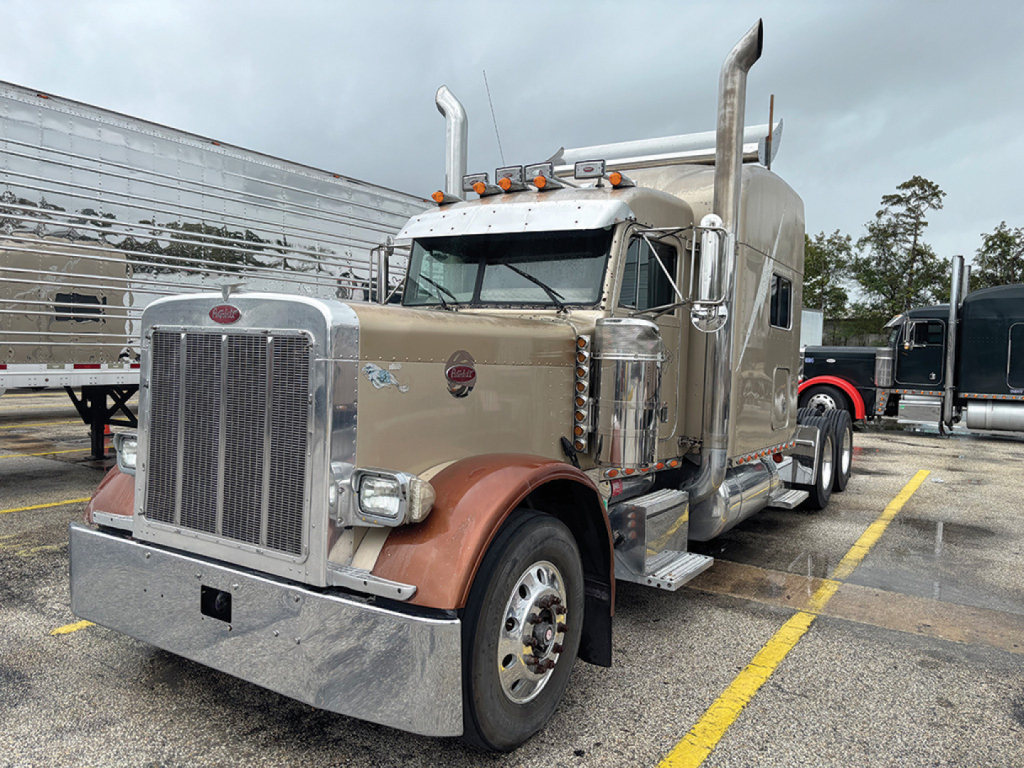
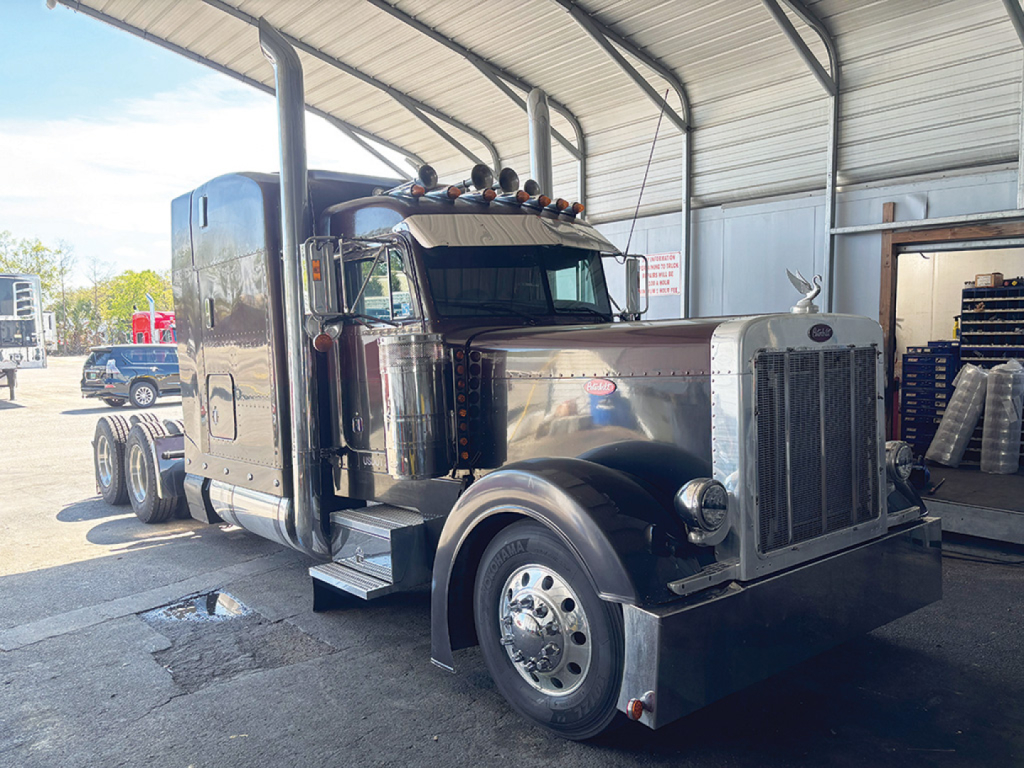
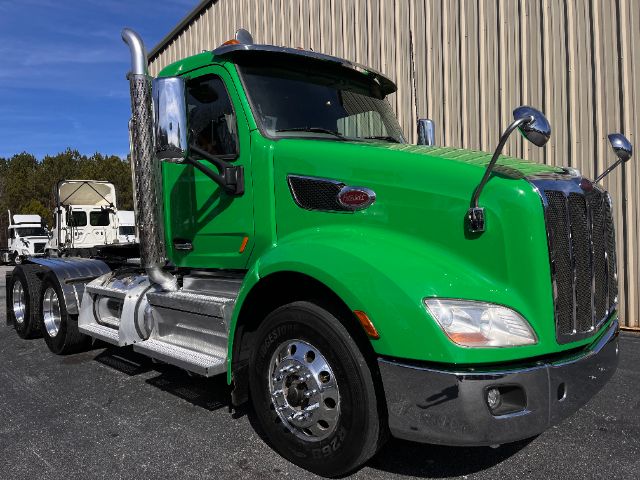
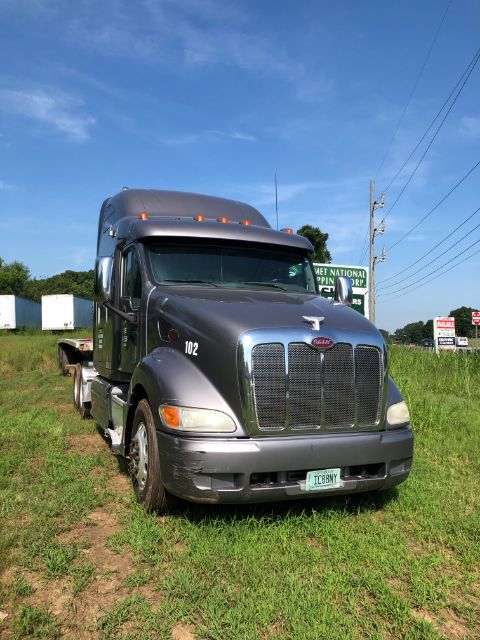
Cab style and configuration are part of the Peterbilt buying equation. The 389 remains a popular long-hood conventional for buyers who want a traditional look, serviceable layout, and premium owner-operator appeal. Aero models such as the 387 and 587 generally attract buyers prioritizing fuel efficiency and highway miles. Across the lineup, pay attention to wheelbase, fifth wheel position, tire size, aluminum versus steel wheel spec, and maintenance history on emissions components, cooling systems, suspension wear points, and driveline parts. A well-matched Peterbilt should fit the load, route, and service profile without forcing compromises on axle ratings, sleeper comfort, or upfit capability.
Frequently Asked Questions about Peterbilt Trucks in Georgia
What are the most common Peterbilt truck types found in Georgia?
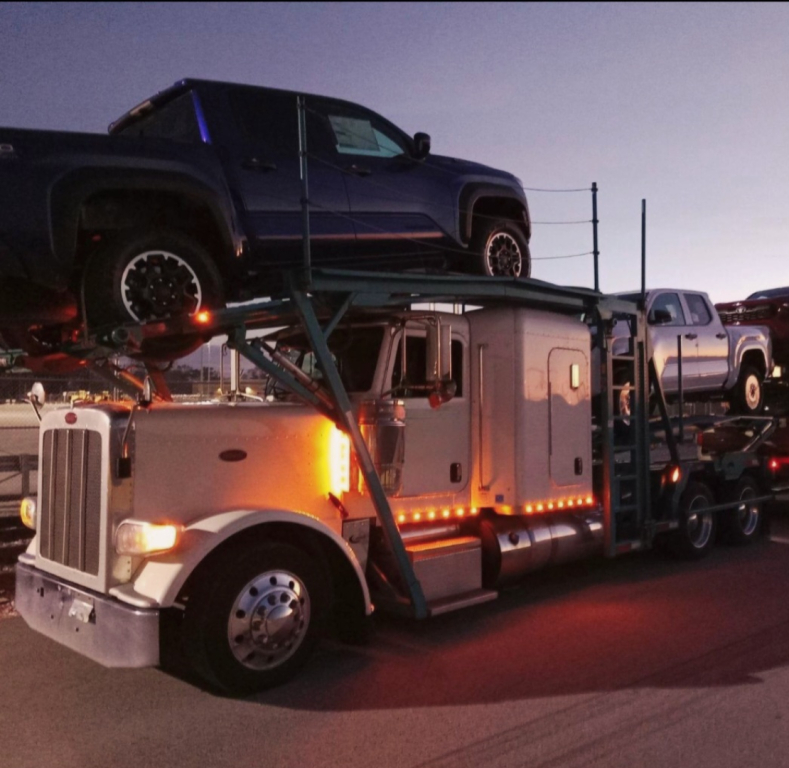
Georgia buyers commonly shop Peterbilt conventional sleepers, day cabs, and vocational trucks. Sleeper models are used for long-haul and regional freight, while vocational models such as the 348 and 365 are frequently configured as rollbacks, wreckers, dump trucks, auto haulers, and equipment transport units. The right choice depends on whether the truck will spend most of its time on interstate freight, local delivery, or PTO-driven jobsite work.
Which Peterbilt engine and transmission combinations are common on used trucks?
Used Peterbilt trucks often feature PACCAR MX-13 engines in highway tractors and PX-9 engines in vocational applications. Older units may have Caterpillar engines, especially in premium owner-operator specs. Transmission choices typically include 10-speed or 18-speed manuals, Allison automatics for towing and rollback work, and some automated manual setups. The ideal combination depends on terrain, load weight, driver preference, and how often the truck operates in stop-and-go conditions.
What should I check first on a used Peterbilt sleeper truck?
Start with engine model, horsepower, transmission type, rear axle ratio, and total mileage because those factors shape the truck's operating cost and intended duty cycle. After that, review sleeper size, APU, bunk heater, refrigerator, fuel capacity, and fifth wheel type. On older highway tractors, it is also important to look at suspension wear, emissions-system service history, tire condition, and whether the wheelbase and axle configuration fit the trailer length and freight you plan to haul.
Are Peterbilt vocational trucks good for rollback and carrier applications?
Peterbilt vocational chassis are well regarded for rollback and carrier work because they are available with strong front axle ratings, tandem rear capacities, PTO capability, and body-builder friendly specs. Models like the 348 and 365 are common choices when buyers need a truck that can support a hydraulic bed, winch system, or auto transport equipment. In this segment, buyers should focus on GVWR, frame condition, hydraulic system setup, bed rating, and suspension spec more than appearance alone.
Why do Peterbilt trucks usually command strong resale value?
Peterbilt trucks tend to hold value because the brand has a strong reputation among fleets and owner-operators for build quality, driver comfort, and parts support. Certain models, especially classic conventionals and well-spec'd sleepers, also carry brand appeal that keeps demand high in the used market. Resale is usually strongest when the truck has a practical powertrain, clean maintenance history, and a configuration that matches common freight or vocational needs.