
2025 Commercial Trucks For Sale in Georgia
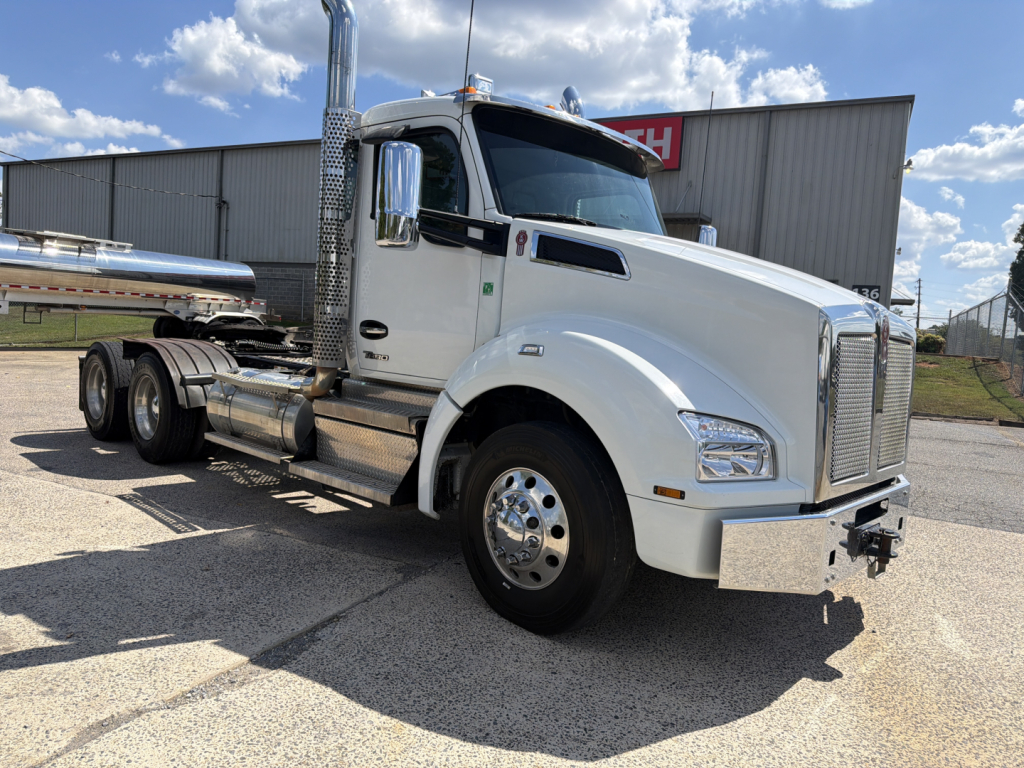
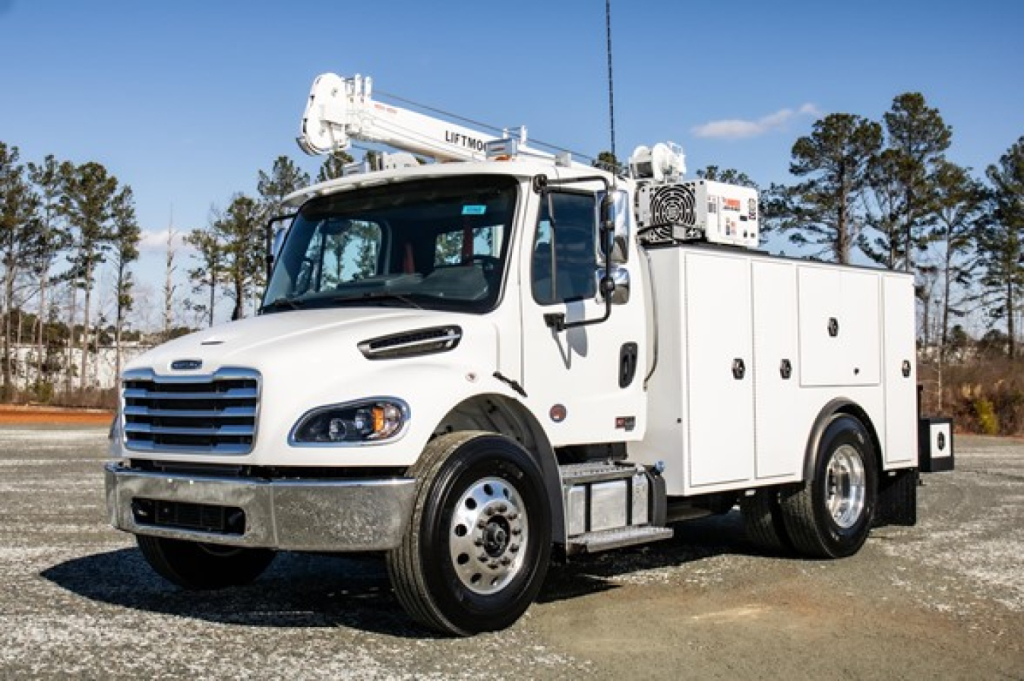
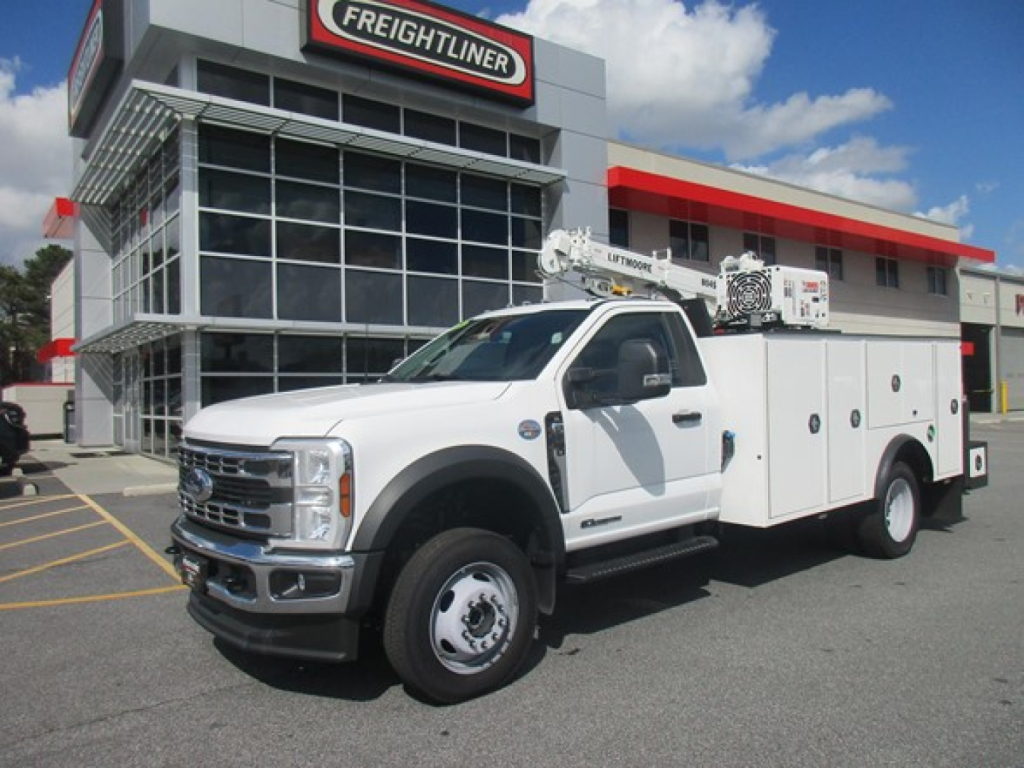
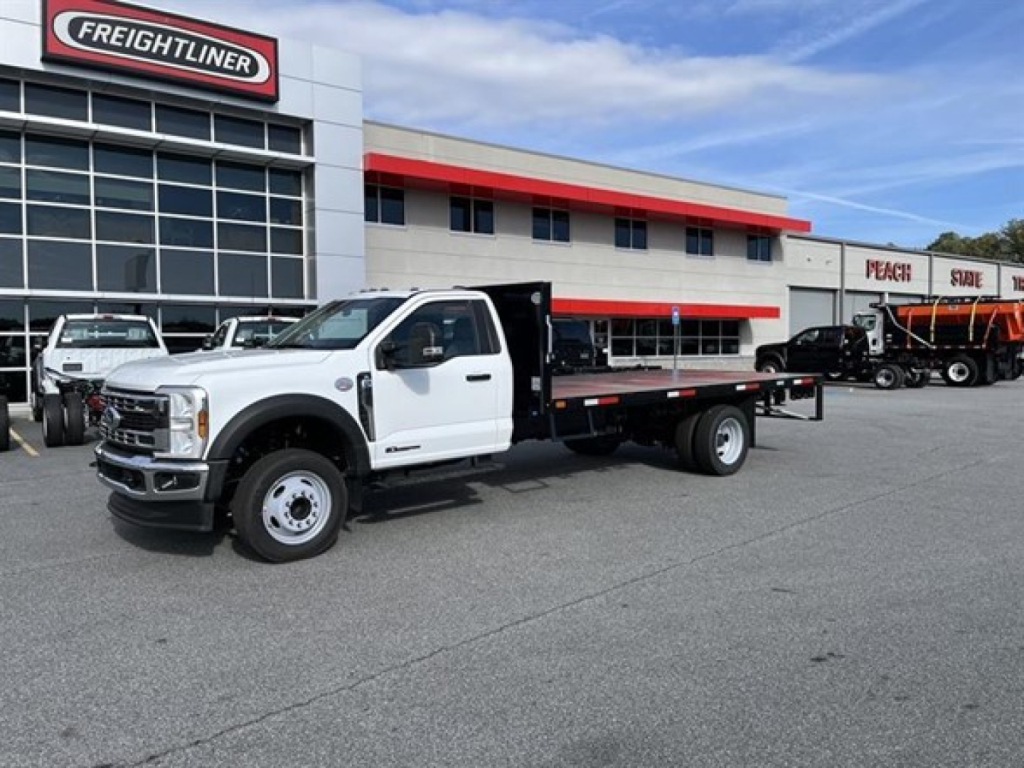
Shop 2025 trucks for sale in Georgia, including highway tractors, cab and chassis, and work trucks with current safety, powertrain, and upfit options.
Have 2025 commercial truck to sell? List it here to reach thousands of buyers.
2025 Commercial Trucks in Georgia
Late-model 2025 tractors typically lean heavily toward automated manual transmissions, aerodynamic conventional cabs, and emissions-compliant diesel engines in the 400 to 500-plus horsepower range. Common heavy-duty configurations include 6x4 tandem axle setups, 12-speed AMTs, air ride suspension, and raised-roof sleepers for over-the-road use. Buyers comparing 2025 semi trucks should pay close attention to rear axle ratio, wheelbase, fuel capacity, fifth wheel type, and safety technology such as collision mitigation, adaptive cruise features, and integrated engine brakes. If the truck will stay in regional service, a lighter spec and shorter wheelbase may improve maneuverability and payload flexibility. If it will pull heavier freight or stay out multiple nights, sleeper size, bunk layout, refrigerator prep, inverter capacity, and storage become more important.
For 2025 medium-duty and cab and chassis trucks, the buying conversation shifts toward GVWR, engine type, frame dimensions, and upfit readiness. Gas V8 platforms remain common in lighter commercial classes, especially for delivery, contractor, utility, and service applications, while diesel options still matter for heavier cycles and higher annual mileage. Body-builder compatibility is a major point on any 2025 truck in this segment. Buyers should confirm wheelbase, cab-to-axle measurement, fuel tank placement, and any factory switches or PTO provisions needed for dump bodies, boxes, utility bodies, stake beds, or service cranes. A clean 2025 chassis can shorten lead time for upfitting, but only if the frame and electrical layout match the body plan.
A 2025 model year truck also brings higher expectations for driver-assist systems, interior ergonomics, and warranty coverage. Newer trucks generally offer better telematics integration, improved HVAC performance, updated dash layouts, and more factory safety content than older equipment classes. That does not automatically make every 2025 truck the best fit. A buyer still needs to match axle ratings, brake type, suspension, tire size, and overall spec to the lane, payload, and maintenance plan. In Georgia, where operations can range from short-cycle urban delivery to port drayage and long-haul Southeast freight, the best 2025 truck is the one whose configuration supports legal payload, service access, driver retention, and predictable operating cost.
Frequently Asked Questions about 2025 Commercial Trucks in Georgia
What should I look for first when comparing 2025 trucks for sale in Georgia?
Start with the intended application, then narrow by GVWR, axle configuration, wheelbase, and powertrain. A 2025 Class 8 sleeper tractor for over-the-road freight needs a very different spec than a 2025 cab and chassis for local delivery or contractor work. Georgia buyers should also consider route density, port or metro operation, bridge-law needs, and service network access when comparing trucks.
Are 2025 semi trucks mostly automatic now?
Most new highway tractors in the 2025 model year are equipped with automated manual transmissions rather than traditional manual gearboxes. AMTs improve driver acceptance, help standardize fuel-efficient shifting, and reduce fatigue in traffic-heavy freight corridors. Buyers should still verify transmission model, gear count, software strategy, and rear axle ratio because those details affect gradeability, cruise RPM, and fuel economy.
What specs matter most on a 2025 cab and chassis truck?
The most important cab and chassis specs are GVWR, wheelbase, cab-to-axle length, engine and transmission pairing, and frame compatibility for the intended body. A truck that looks right on paper can still create upfit delays if the frame rails, tank placement, electrical provisions, or PTO setup do not match the body builder's requirements. For service, box, utility, and dump applications, confirming these dimensions early saves time and cost.
Is a 2025 truck worth the premium over an older used truck?
A 2025 truck can justify a higher purchase price if the operation benefits from warranty coverage, updated safety systems, lower expected downtime, and current driver comfort features. Newer trucks may also offer better telematics, improved emissions controls, and more efficient powertrain calibration. The premium makes the most sense when uptime, retention, and maintenance planning are more valuable than the lower upfront cost of an older unit.
What truck features are most useful for Georgia freight operations?
For Georgia operations, useful features depend on whether the truck is running urban, regional, or long-haul lanes. Collision mitigation, engine brakes, air ride suspension, AMTs, and efficient axle ratios are valuable on highway tractors working the Southeast interstate network. On local and vocational trucks, tighter wheelbases, good visibility, practical cab layouts, and easy body integration often matter more than long-haul comfort features.