
2014 Commercial Trucks For Sale in Georgia
Browse 2014 trucks for sale in Georgia, including day cabs, sleepers, vocational trucks, and yard spotters with buyer-focused spec guidance.
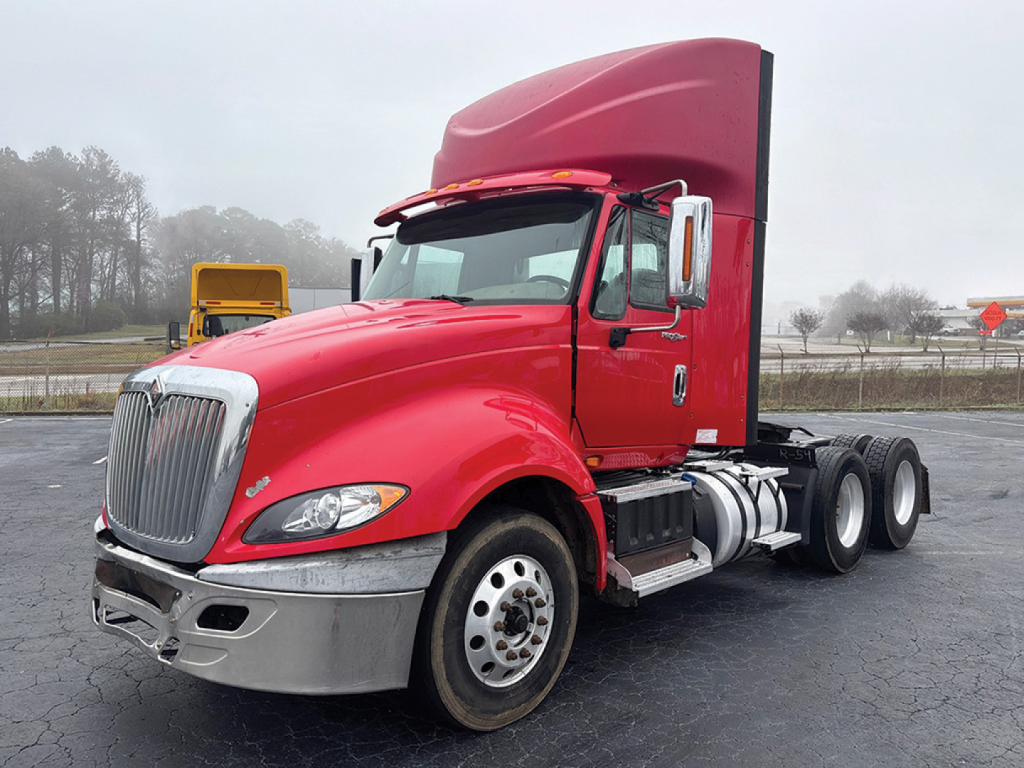
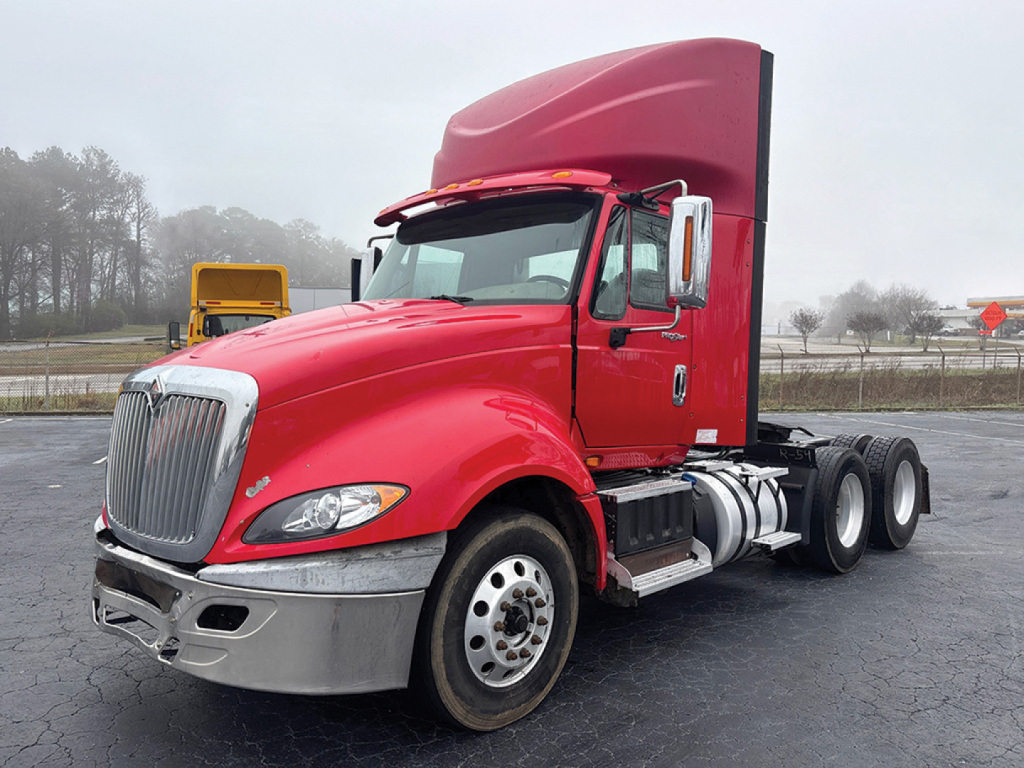
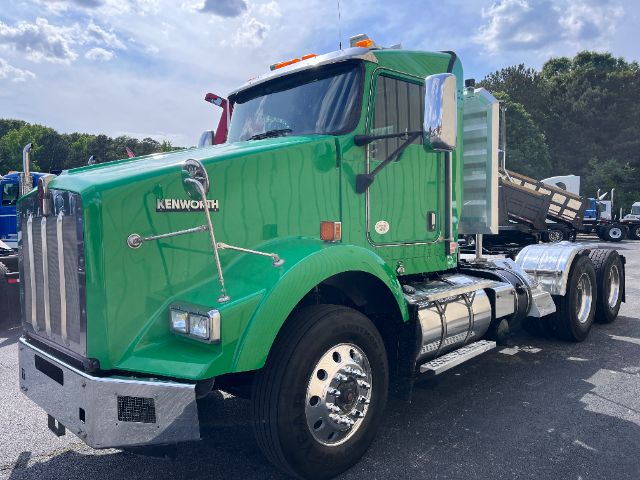
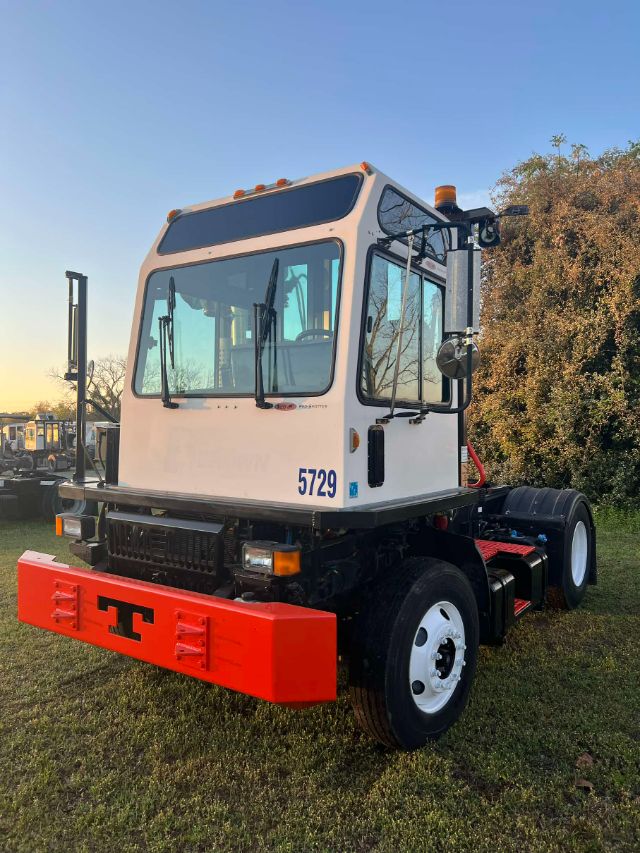

Have 2014 commercial truck to sell? List it here to reach thousands of buyers.
2014 Commercial Trucks in Georgia
For highway use, most buyers focus on Class 8 conventional trucks with tandem axles, 6x4 drivetrains, and engines in the 400 to 500 horsepower range. Common pairings from this era include Detroit, Cummins, and Paccar engines with manual, automated manual, or full automatic transmissions depending on the duty cycle. Pay attention to rear axle ratio, wheelbase, suspension type, and fifth wheel setup. A fleet-spec day cab may be ideal for port, dedicated, or regional work, while a raised-roof sleeper with larger fuel capacity fits longer lanes. Buyers comparing 2014 trucks should also look closely at emissions system history, engine brake operation, transmission calibration, and signs of previous fleet maintenance versus mixed-use ownership.
If the truck is intended for vocational work in Georgia, axle ratings and frame configuration matter as much as engine make. Dump trucks, roll-offs, mixers, and heavy spec chassis from the 2014 model year often trade on front axle capacity, rear suspension design, PTO compatibility, and body condition more than cab trim. A tandem dump, for example, should be evaluated for double frame construction, hoist performance, body corrosion, liner wear, gate condition, and tire match. Yard trucks and terminal tractors from this year are usually judged by hours, transmission response, hydraulic fifth wheel function, and cooling system condition rather than highway mileage.
A good 2014 truck purchase usually comes down to service records, application fit, and the cost of getting the unit work-ready. Buyers should inspect DPF and DEF components, check for blow-by, review ECM data when available, and confirm brake, suspension, and steering condition before making a decision. In Georgia, local hauling, construction, agriculture, and regional distribution all support demand for used 2014 trucks, so it pays to compare wheel-end specs, tire size, cab configuration, and drivetrain layout against the freight or vocation the truck will actually handle. The best value is rarely the cheapest truck on the page. It is the one with the right spec and the lowest total cost to put into service.
Frequently Asked Questions about 2014 Commercial Trucks in Georgia
What should I look for first when buying a 2014 truck in Georgia?
Start with the intended application, then verify the core chassis and powertrain specs match that work. For highway freight, focus on axle configuration, horsepower, transmission type, rear axle ratio, wheelbase, and sleeper or day cab layout. For vocational use, put more weight on frame strength, PTO setup, axle ratings, suspension, and body condition. On any 2014 truck, service history, emissions repairs, tire condition, brake life, and signs of consistent maintenance usually tell you more than the asking price alone.
Are 2014 diesel trucks expensive to maintain?
They can be cost-effective if the truck has been maintained correctly, but deferred repairs can add up quickly. A 2014 model may need attention to DPF cleaning history, DEF system components, EGR hardware, batteries, tires, suspension wear items, and aftertreatment sensors. Buyers should budget for baseline service after purchase and inspect for leaks, fault codes, and driveline wear. A lower-priced truck with poor maintenance records can easily cost more in the first year than a better-documented unit with a higher upfront price.
Is mileage or engine hours more important on a 2014 truck?
It depends on the truck type and duty cycle. For highway tractors, mileage is a major indicator, but engine hours help reveal how much idle time the engine has seen. High idle hours can mean more wear on emissions components and engine accessories even if mileage looks reasonable. For yard trucks, terminal tractors, and many vocational units, hours can be more useful than miles because the truck may spend much of its life moving slowly, idling, or operating PTO equipment.
What engine and transmission specs are common on 2014 trucks?
Many 2014 Class 8 trucks were spec'd with Detroit, Cummins, or Paccar diesel engines, typically in the 400 to 500 horsepower range for on-highway use. Transmissions from this period commonly include Eaton Fuller manuals, automated manuals, and Allison automatics in vocational applications. The right combination depends on the route and load. Regional freight often favors efficient gearing and automated shifting, while construction or stop-and-go work may benefit from a full automatic and heavier axle or suspension specs.
Why does axle ratio matter on a used 2014 truck?
Rear axle ratio affects launch performance, cruising RPM, gradeability, and fuel economy. A faster ratio can support lower engine RPM at highway speed, which may improve fuel economy on long runs, while a deeper ratio can help with heavier loads, steeper terrain, or frequent stop-and-go work. Buyers looking at 2014 trucks should match the axle ratio to the transmission, tire size, and actual operating speed of the truck, because the wrong ratio can make a truck feel underpowered or inefficient even if the engine horsepower looks adequate.