
Capacity Trucks For Sale in Georgia
Browse Capacity trucks for sale in Georgia, including Capacity yard spotters and terminal tractors built for trailer shuttling and yard operations.
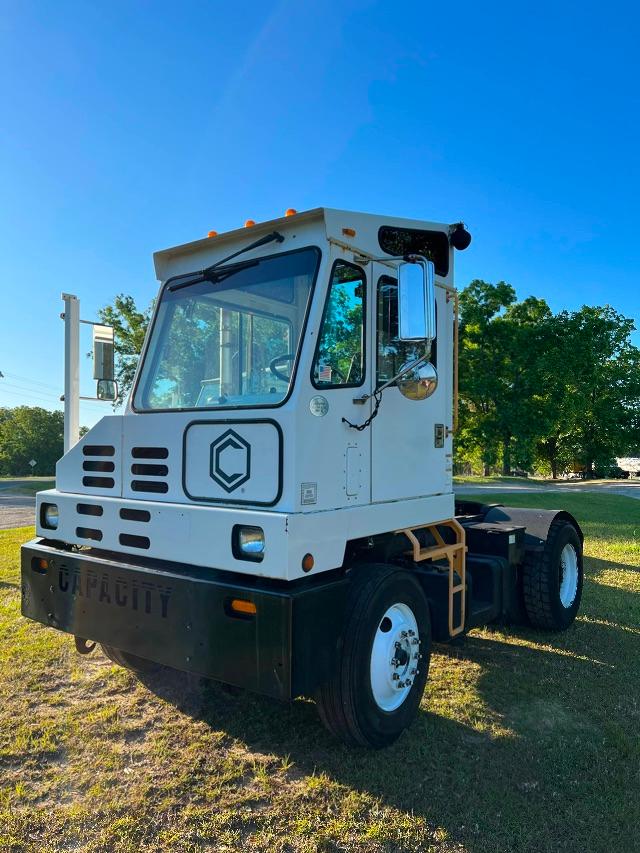
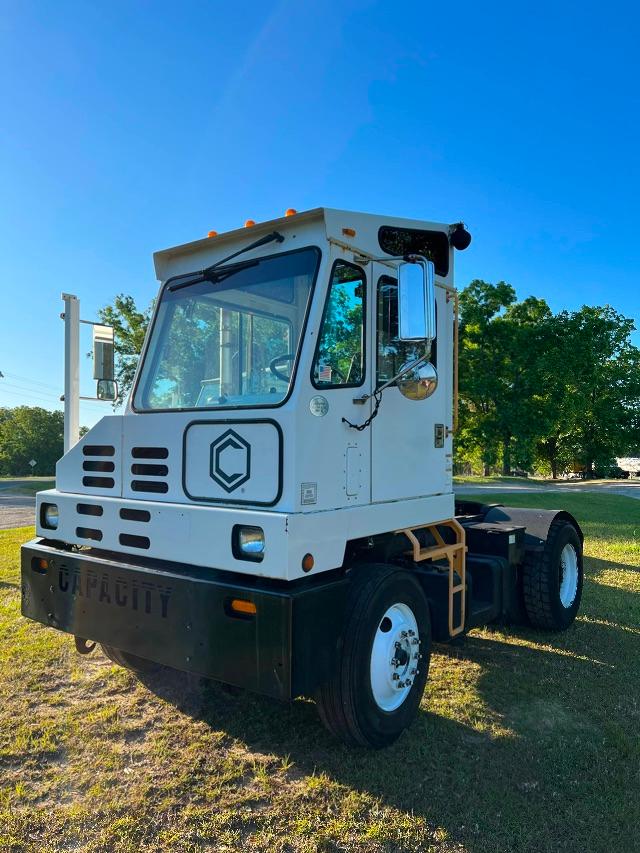
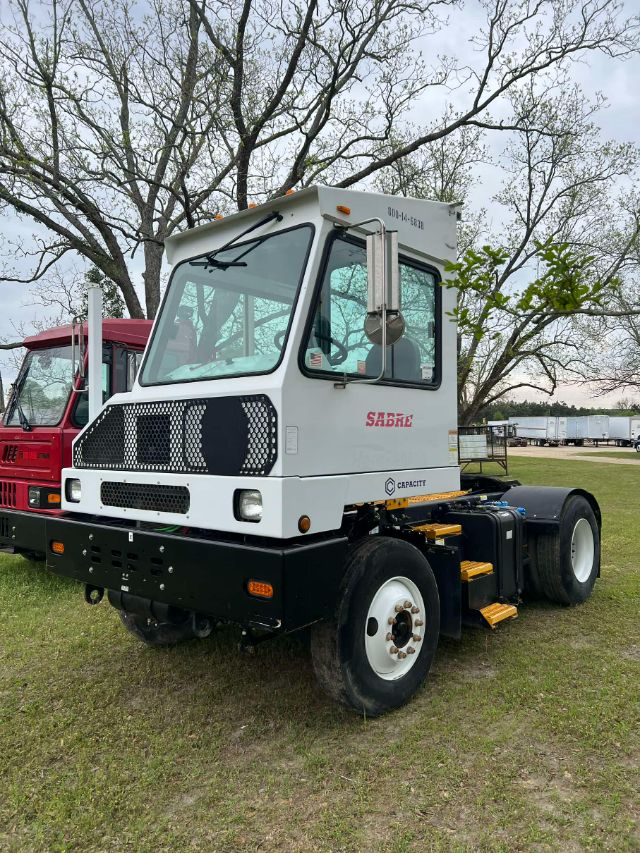
Selling a capacity truck? List your capacity truck for sale and reach thousands of commercial buyers.
Capacity Trucks in Georgia
For most buyers, the first decision is whether a DOT-legal Capacity truck is necessary. A DOT unit can move between nearby facilities or use public roads for short transfers, while a non-DOT yard tractor is usually the right fit for fully private property operations. Common specs include Cummins diesel engines, Allison automatic transmissions, air ride seating, high-visibility cabs, and heavy-duty rear frames built for repeated trailer lifts. You will also want to compare axle ratings, wheelbase, cab configuration, hydraulic fifth wheel lift capacity, and tire condition, especially if the truck will handle loaded trailers on uneven pavement or graded yard surfaces.
Used Capacity trucks should be evaluated by hours and duty cycle as much as by model year. A low-hour terminal tractor can be a strong value, but service history still matters. Buyers should pay attention to engine diagnostics, transmission shifting quality, brake function, hydraulic operation, kingpin engagement, cooling system condition, and cab components like heat and A/C if the truck will run multi-shift duty. On a yard truck, worn seats, sloppy door hardware, intermittent lighting, and neglected hydraulics usually tell you as much about prior care as the hour meter does.
Capacity has a long-standing reputation in trailer spotting applications because these trucks are purpose-built for abuse that would wear out a standard road tractor quickly. The advantage is simple: faster trailer moves, less driver fatigue, and better maneuverability in confined yards. If your operation needs dependable hostler service, cross-dock trailer staging, container chassis movement, or drop-lot management, a Capacity truck is a specialized tool worth comparing closely on DOT status, hours, engine and transmission package, and overall yard-readiness.
Frequently Asked Questions about Capacity Trucks in Georgia
What is a Capacity truck used for?
A Capacity truck is typically used as a terminal tractor, also called a yard spotter, yard jockey, shunt truck, or hostler truck. Its primary job is moving semi-trailers around warehouses, ports, distribution centers, drop lots, and manufacturing yards. These trucks are built for constant short-distance trailer transfers, frequent backing, tight turns, and repeated fifth wheel lifting rather than long over-the-road hauling.
What does DOT-legal mean on a Capacity yard truck?
A DOT-legal Capacity truck is equipped to operate on public roads within legal limits, usually for short transfers between nearby facilities or yard locations. That can include the required lighting, braking, mirrors, safety equipment, and other road-use provisions. A non-DOT terminal tractor is generally restricted to private property, so buyers should match the truck's legal configuration to the actual route and use case before purchasing.
What should I check when buying a used Capacity TJ5000?
Key inspection points include engine hours, cold-start behavior, transmission engagement, hydraulic fifth wheel lift performance, brake condition, steering response, frame integrity, and rear door or cab access wear. It is also important to verify kingpin lock operation, check for hydraulic leaks, inspect cooling system components, and confirm that heat and A/C work if the truck will be used in full-day or multi-shift service. On a terminal tractor, maintenance history often tells more than appearance alone.
Are Capacity trucks good for heavy yard work?
Capacity trucks are designed specifically for heavy yard work and repeated trailer spotting cycles. Compared with a converted road tractor, a purpose-built Capacity unit usually offers better visibility, easier cab access, tighter maneuvering, and a hydraulic fifth wheel that improves hook-and-drop efficiency. That design helps reduce trailer move times and driver fatigue in high-volume yard operations.
Why are Capacity trucks common in Georgia operations?
Georgia has a strong concentration of port, warehouse, retail distribution, foodservice, and manufacturing freight activity, all of which create demand for terminal tractors. Capacity trucks fit these environments because they are suited to short, repetitive trailer movements in crowded yards and staging areas. Buyers in Georgia often look for units that can handle high trailer counts, hot weather operation, and in some cases DOT-legal movement between nearby sites.