
2019 Commercial Trucks For Sale in Georgia
Browse 2019 trucks for sale in Georgia, including day cabs, box trucks, reefers, yard spotters, and heavy-duty vocational trucks.
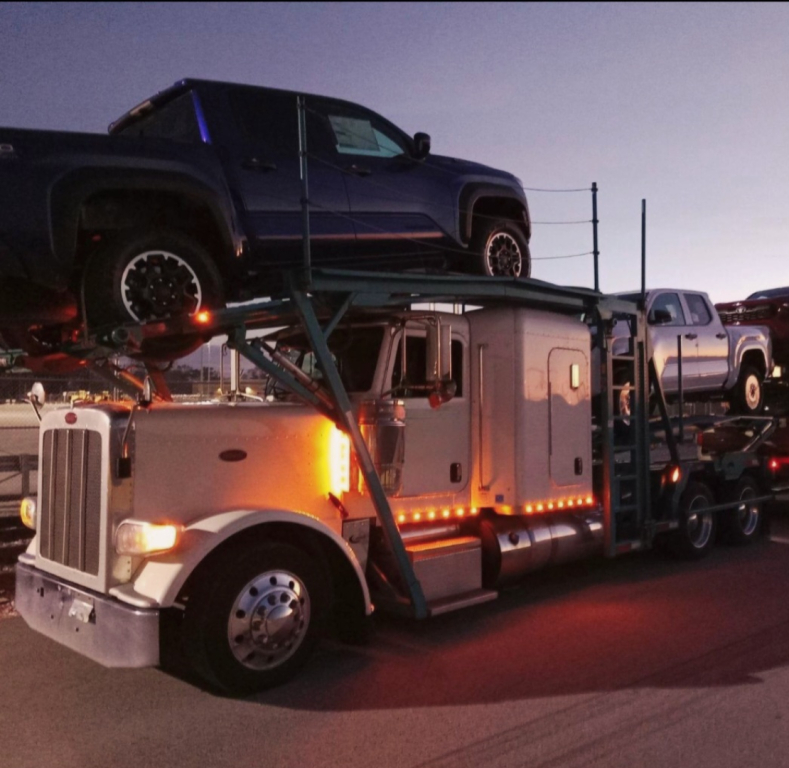
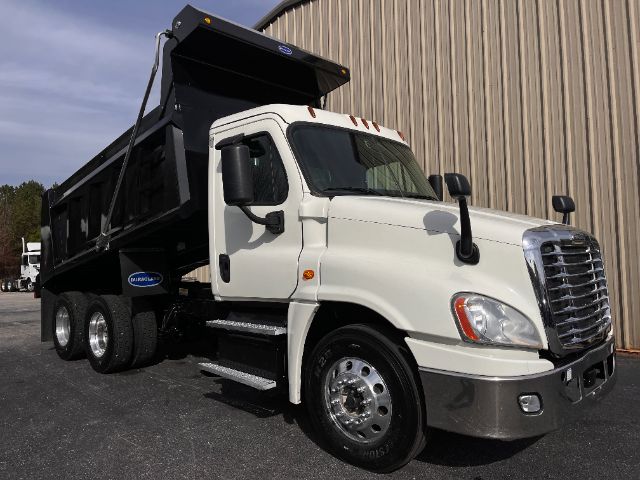
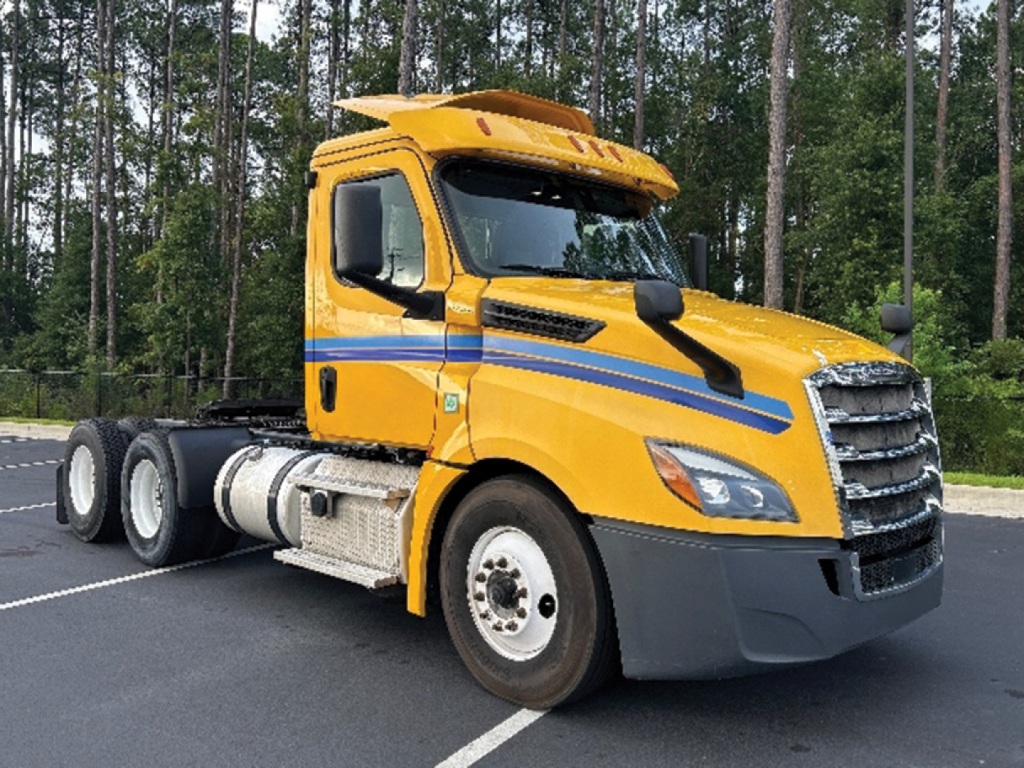
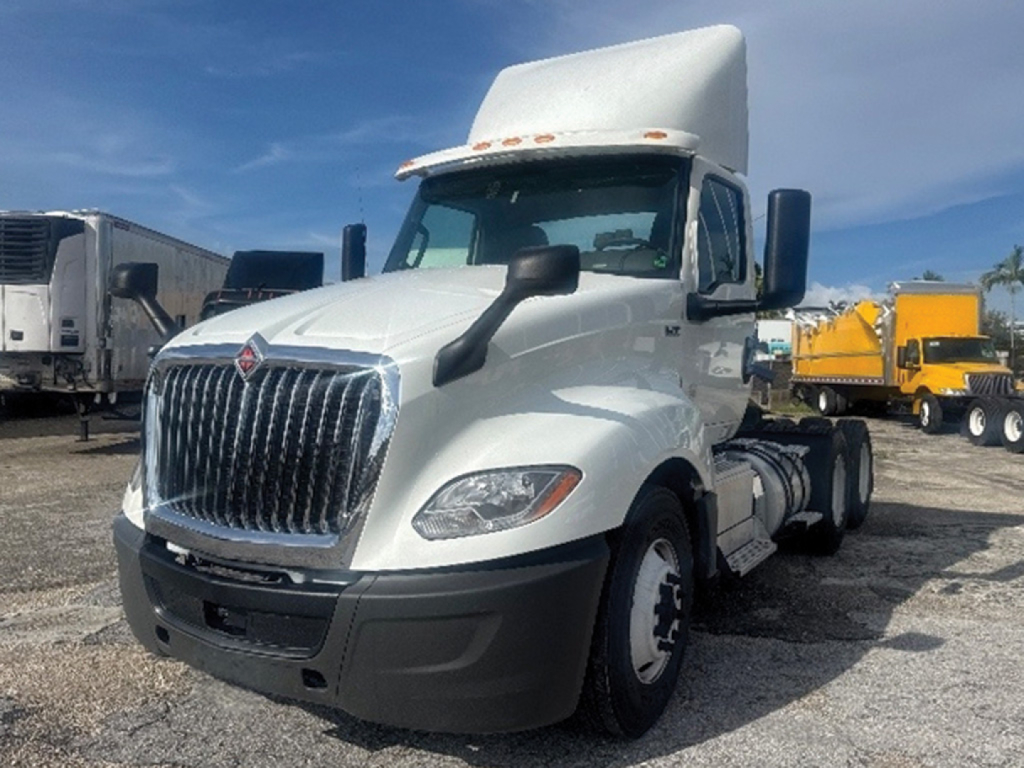
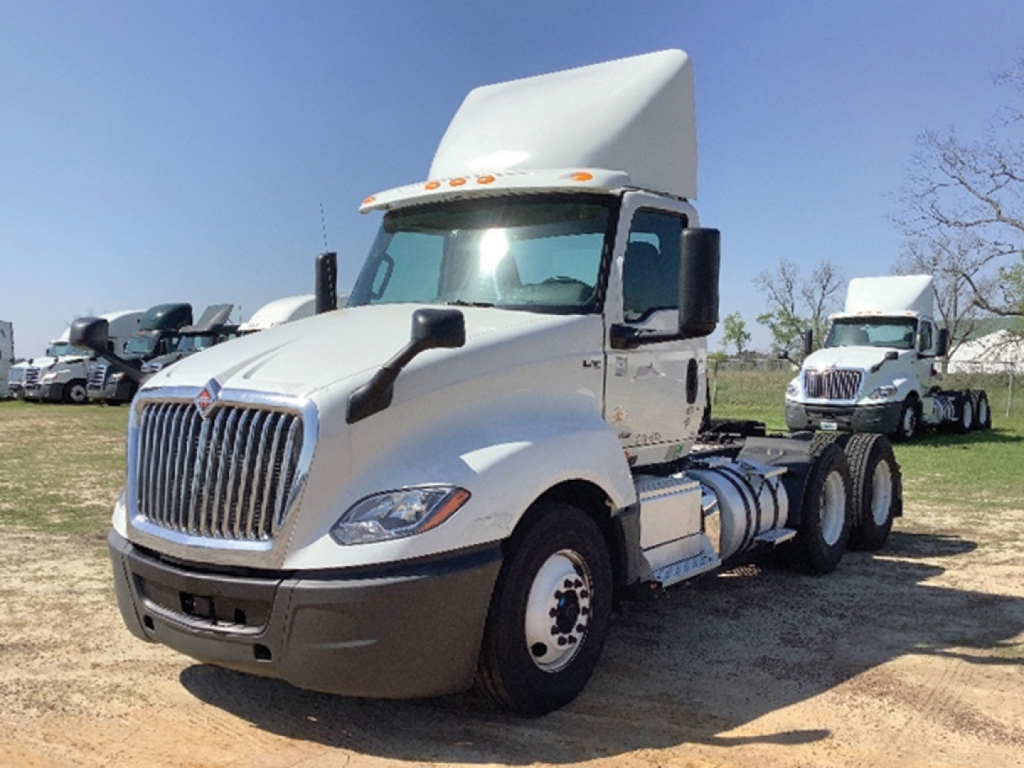
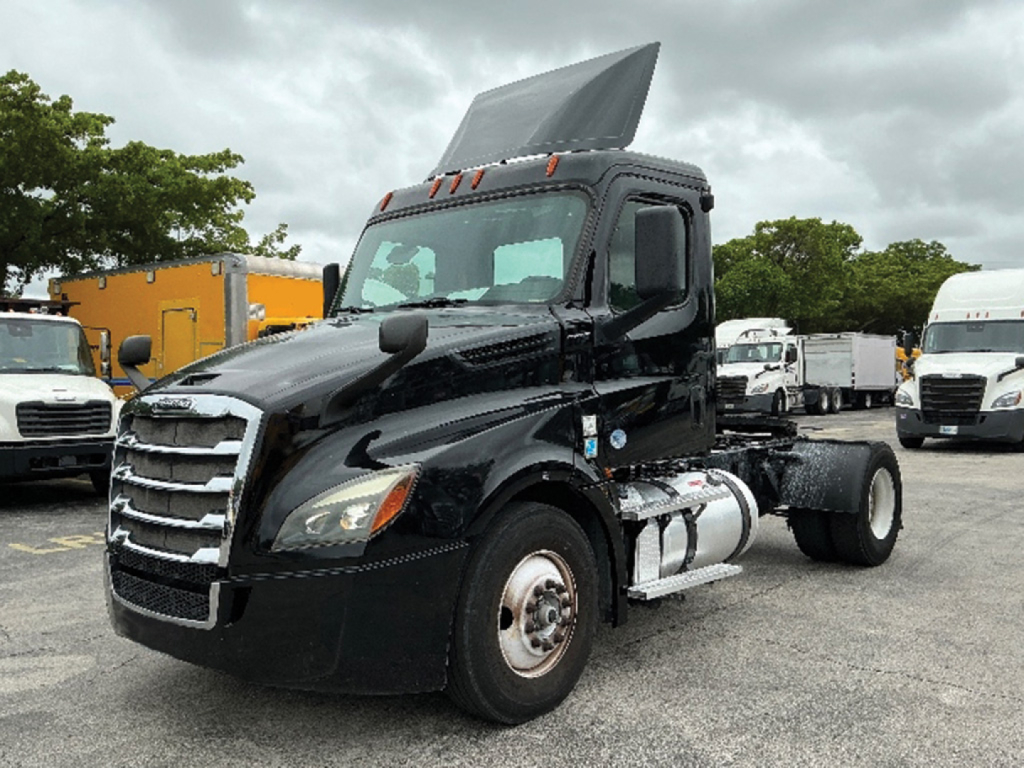
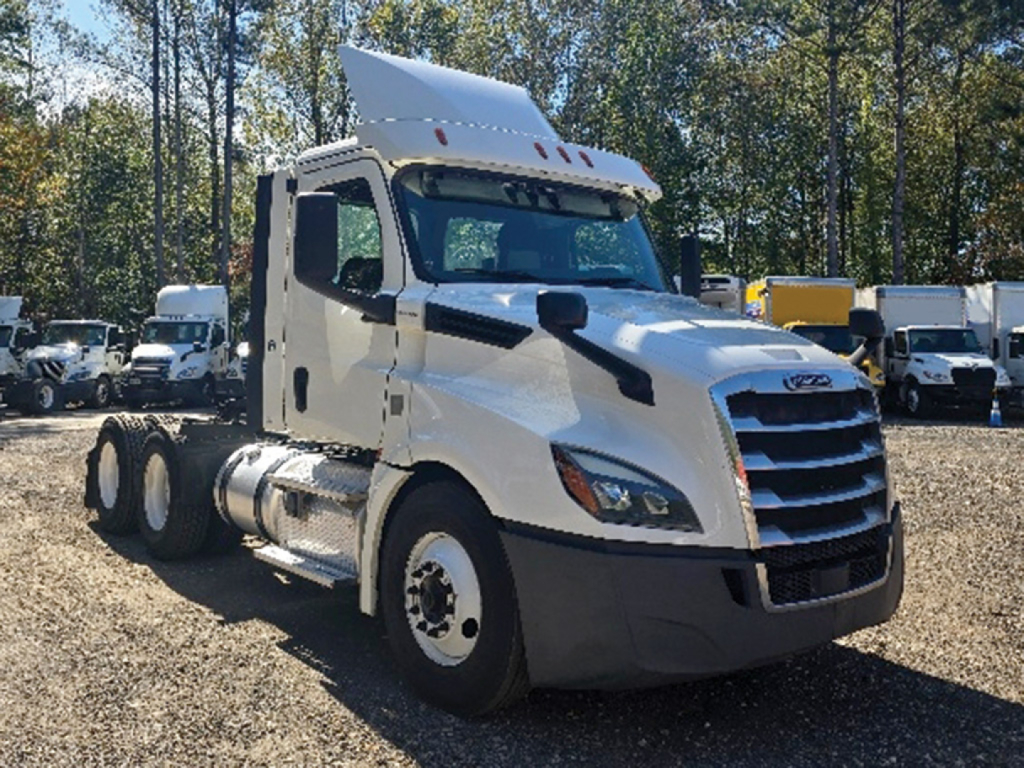
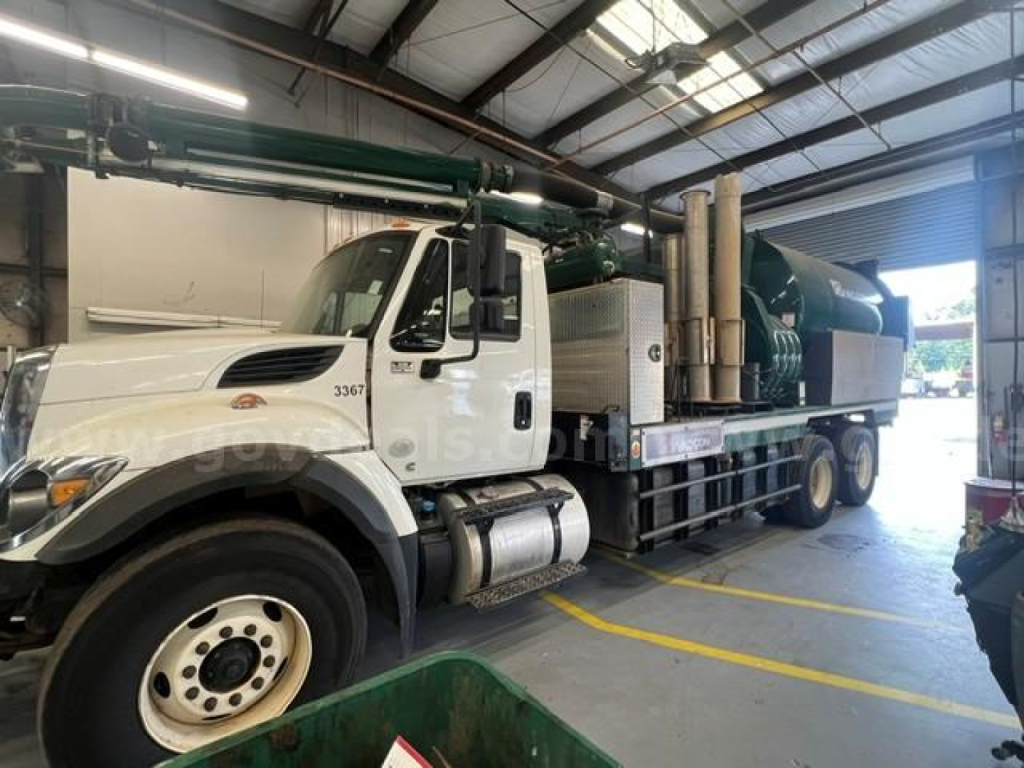
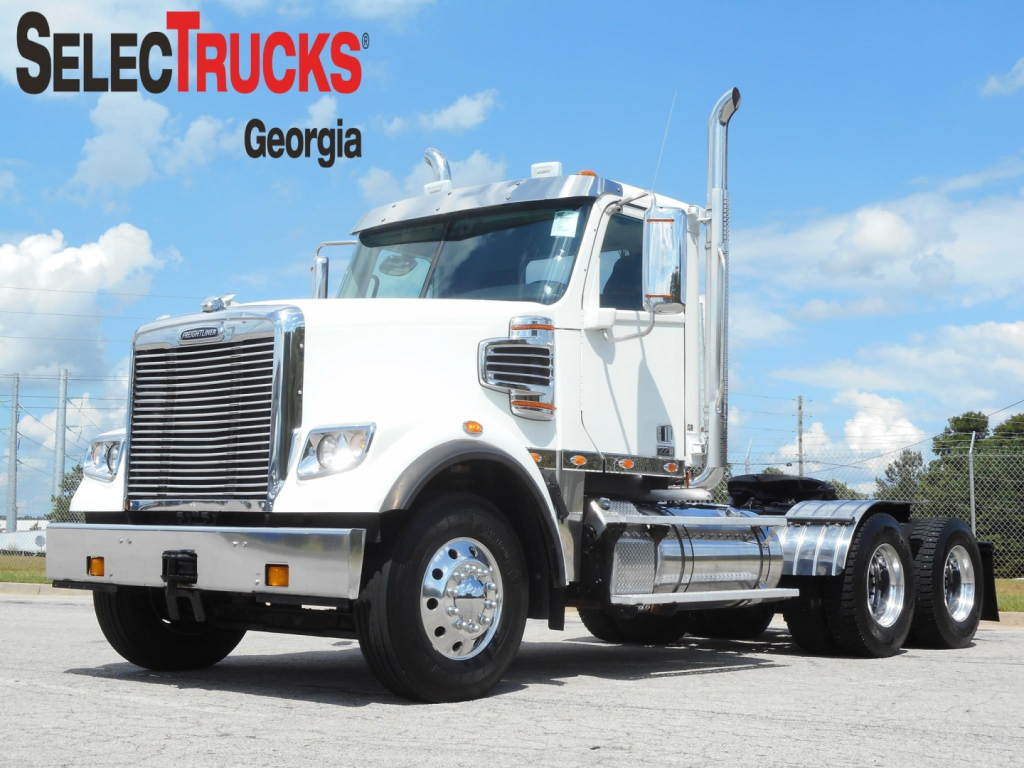
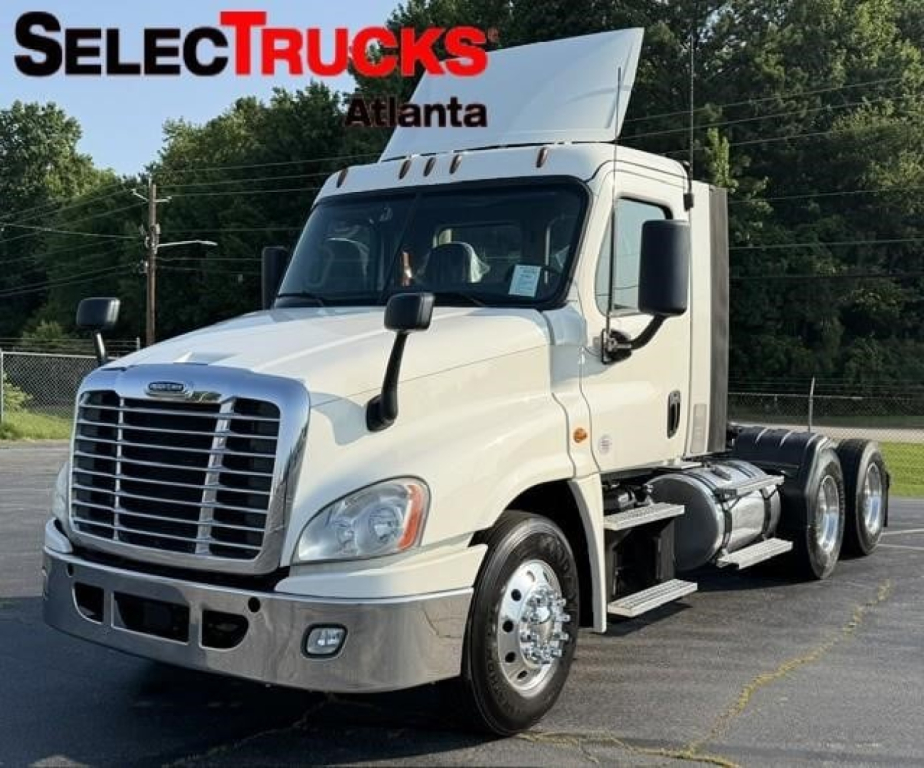
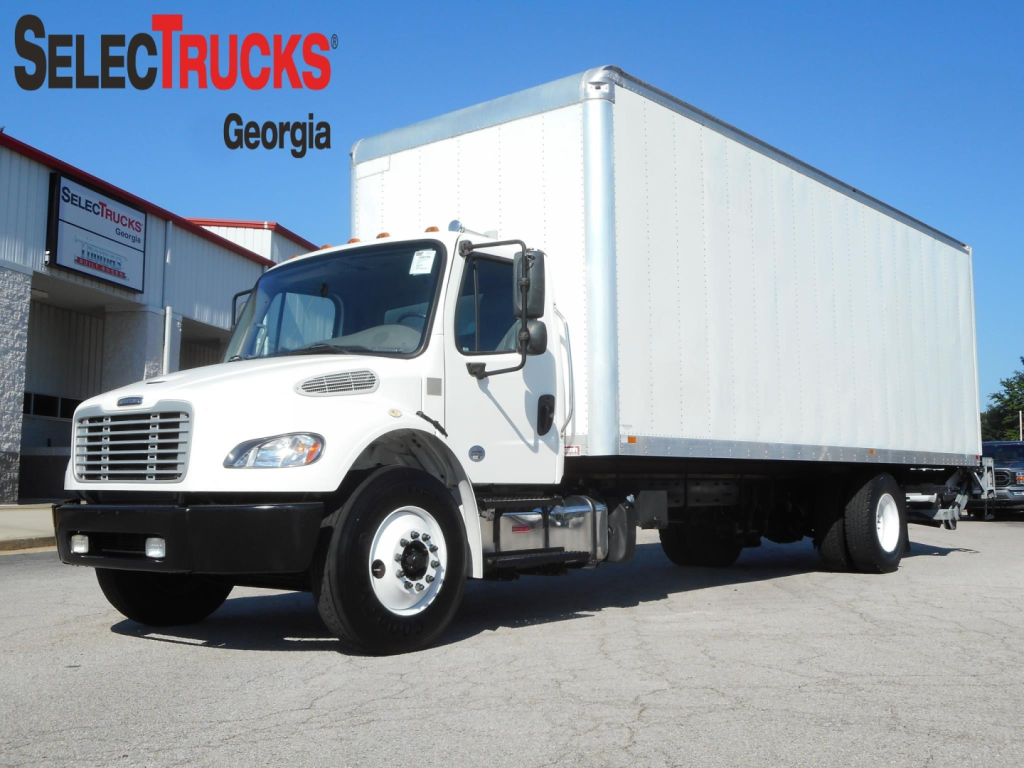
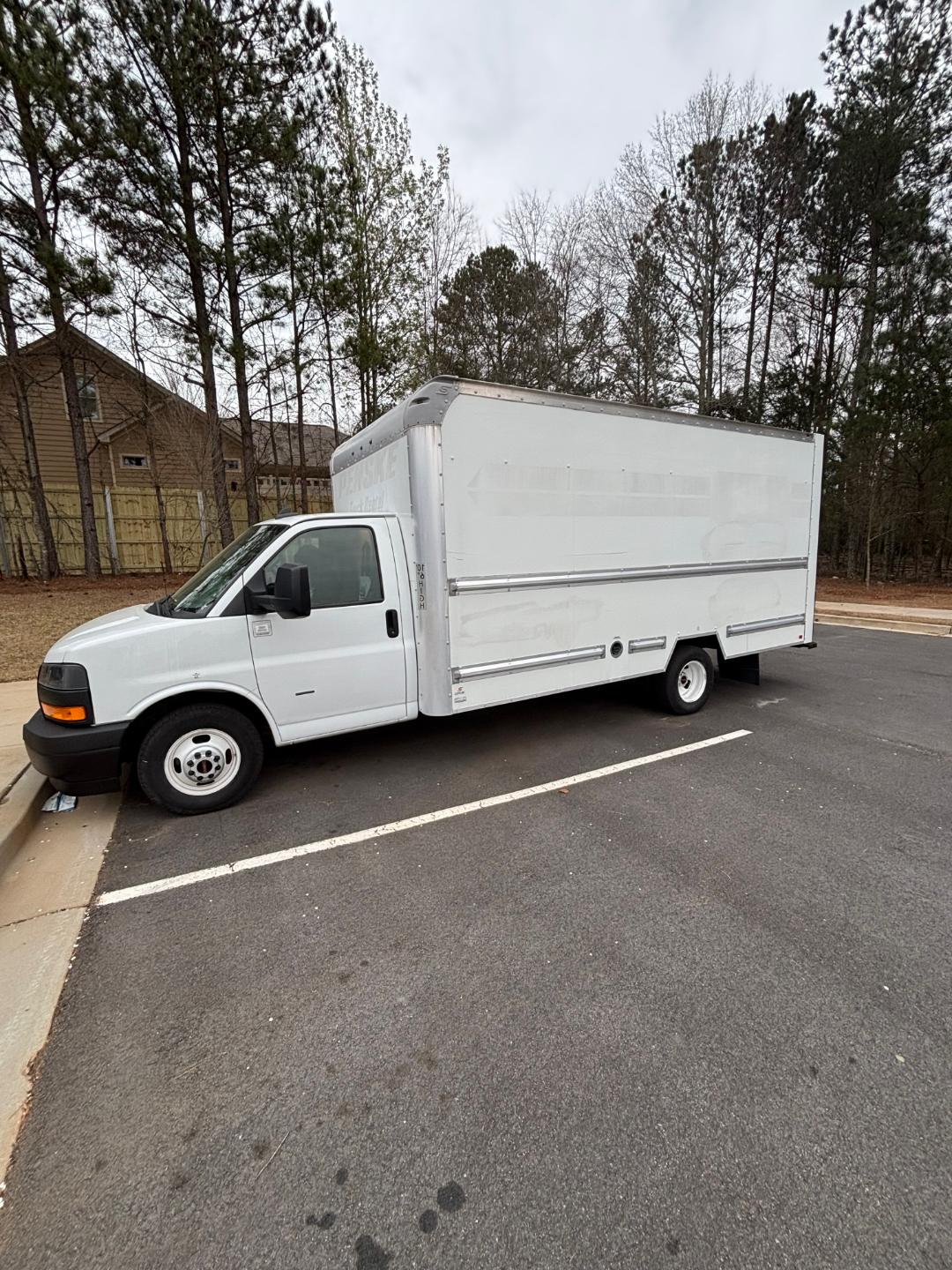

Selling a 2019 commercial truck? List your 2019 commercial truck for sale and reach thousands of commercial buyers.
2019 Commercial Trucks in Georgia
For highway tractors, many 2019 trucks in this category use proven diesel platforms from Detroit, Cummins, Paccar, or Volvo, often paired with automated manual transmissions such as DT12, mDRIVE, Endurant, or Ultrashift, though some Allison automatics and manual gearboxes are still found in medium-duty and vocational service. Common specs include 6x4 tandem drives, 12,000-pound front axles, 40,000-pound rears, air ride suspension, sliding fifth wheels, and wheelbases selected for either trailer swing clearance or tighter urban maneuverability. A buyer comparing 2019 day cabs in Georgia should pay close attention to idle hours, PTO provision, rear axle ratio, fuel capacity, and any driver-assist features like collision mitigation. On box and reefer trucks, body length, liftgate capacity, reefer engine hours, bulkhead condition, floor type, and door seal integrity matter as much as the cab and drivetrain.
Georgia buyers often have regional considerations that affect spec choice. Atlanta metro routes, port-related freight tied to Savannah, and humid Southeast operating conditions all put different demands on cooling systems, AC performance, corrosion resistance, and stop-and-go durability. A 2019 refrigerated truck may be ideal for foodservice, produce, or pharmaceutical lanes if the insulation, unit service history, and temperature pull-down performance are documented. A 2019 yard truck or terminal tractor can still be a productive asset if the hydraulic fifth wheel, cab access, and brake system are in good shape. For vocational and municipal work, check frame condition, PTO operation, auxiliary hydraulics, and whether the truck was built with the right suspension and axle ratings for the body it carries.
The best 2019 trucks for sale are usually the ones with specs that closely match the intended route and payload, not simply the newest badge or highest horsepower. Review engine hours against mileage, confirm maintenance records, and inspect emissions components carefully, including DPF, DEF, and aftertreatment service history. Tire size, brake type, wheel material, and suspension design all affect operating cost. If the truck has a van body, reefer body, or other upfit, inspect the body separately from the chassis because floors, crossmembers, scuff liners, and roll-up doors can change the true value of the unit. A properly spec'd 2019 truck can still offer a long service life, good parts support, and a familiar platform for fleets and owner-operators running in Georgia.
Frequently Asked Questions about 2019 Commercial Trucks in Georgia
What types of 2019 trucks are commonly available in Georgia?
2019 trucks in Georgia commonly include heavy-duty day cabs and sleepers, medium-duty box trucks, refrigerated straight trucks, yard spotters, and vocational units. The mix spans local delivery, regional hauling, cold-chain distribution, port work, and municipal service. Buyers should narrow the field by GVWR, axle setup, body style, and route profile before comparing brands or engine options.
Is a 2019 truck a good balance between price and modern equipment?
For many buyers, a 2019 truck sits in a practical middle ground. It is typically new enough to offer modern cab layouts, newer automated transmissions, and updated safety systems, but old enough to avoid the premium attached to current model year equipment. The real value depends on maintenance history, engine hours, emissions system condition, and whether the original spec matches the intended work.
What should I inspect first on a 2019 used truck?
Start with service records, fault codes, engine hours, and visible signs of aftertreatment maintenance. Then inspect the chassis, suspension, brakes, tire wear, steering components, and any body equipment such as a refrigerated box, liftgate, or hydraulic fifth wheel. On tractors, confirm axle ratings, wheelbase, rear ratio, and fifth wheel condition. On straight trucks, body condition and upfit performance can be just as important as the engine and transmission.
Are 2019 refrigerated and box trucks different to evaluate than tractors?
Yes. With a 2019 reefer or box truck, the body and cargo system need the same level of scrutiny as the cab and drivetrain. Reefer engine hours, insulation condition, floor wear, door seals, evaporator performance, and temperature consistency all affect operating value. On dry vans and delivery bodies, look closely at the floor, roof, scuff liners, crossmembers, roll-up door tracks, and liftgate operation.
What specs matter most for a 2019 truck in Georgia service?
The key specs depend on the job, but Georgia buyers often focus on cooling performance, AC operation, axle ratings, wheelbase, transmission type, and suspension design because of hot weather, urban traffic, and regional freight demands. Trucks serving Atlanta routes may benefit from tighter wheelbases and automatic or AMT transmissions, while port or regional haul applications may place more value on tandem drive setups, fuel capacity, and durable drivetrain ratios.