
2016 Commercial Trucks For Sale in Georgia
Browse 2016 trucks for sale in Georgia, including Class 8 tractors, dump trucks, rollbacks, and medium-duty work trucks for regional or vocational use.

Selling a 2016 commercial truck? List your 2016 commercial truck for sale and reach thousands of commercial buyers.
2016 Commercial Trucks in Georgia
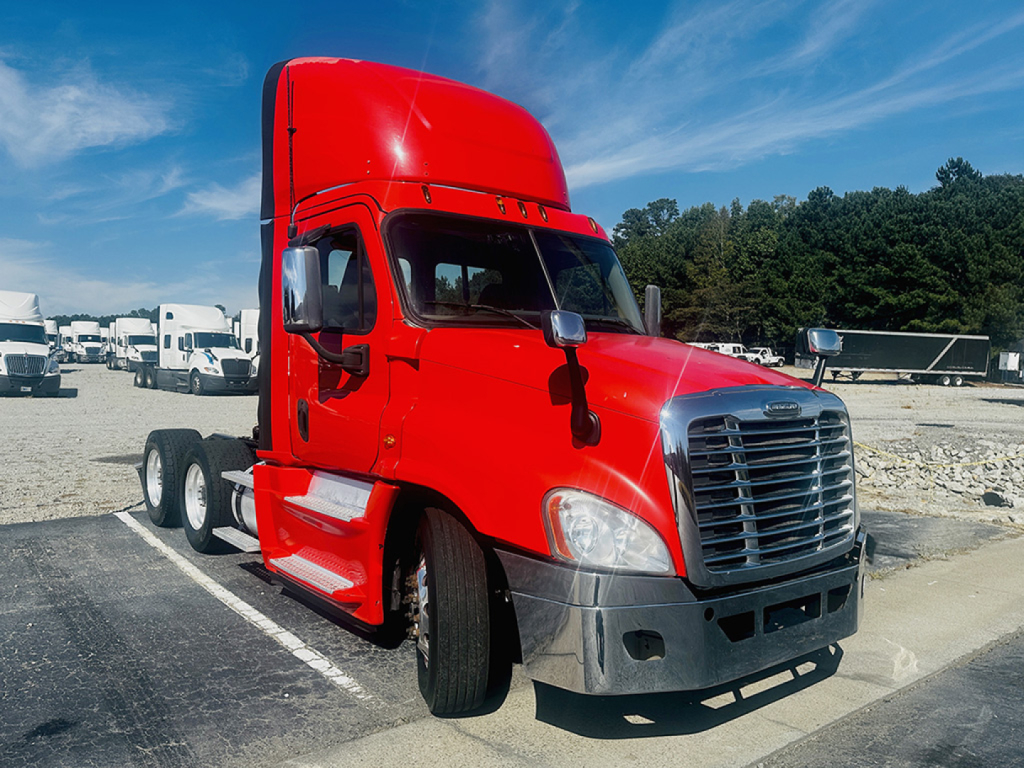
For highway use, many 2016 trucks on the market are conventional tractors with tandem axles, 6x4 drivetrains, aerodynamic cabs, and diesel engines from Detroit, Cummins, or Paccar. Common transmission choices include 10-speed and 13-speed manuals, plus automated manuals that reduce driver fatigue and can improve fuel consistency in regional service. Buyers should pay close attention to horsepower, rear axle ratio, wheelbase, fuel capacity, and fifth wheel configuration because those specs directly affect payload flexibility, trailer compatibility, and road speed. On sleeper trucks, details like bunk size, APU or bunk heater, inverter, refrigerator, and fairing condition matter if the truck will stay on the road for multiple days at a time.
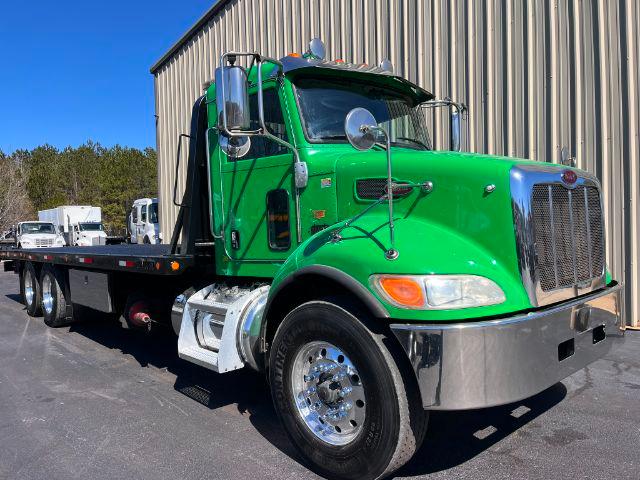
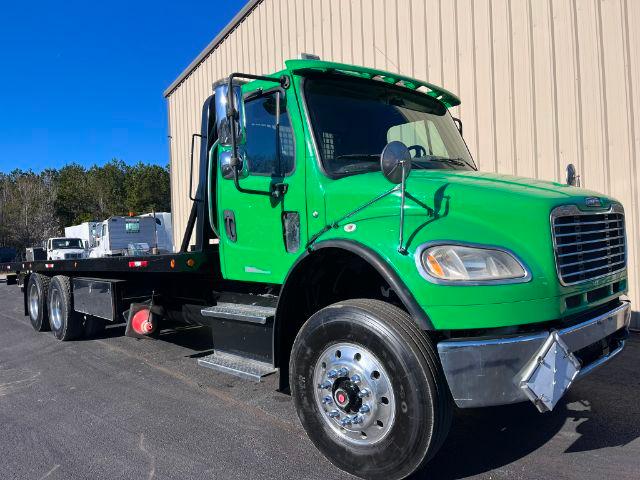
In vocational and medium-duty segments, 2016 trucks can cover a wide spread of jobs in Georgia construction, utility, landscaping, towing, and local delivery. Dump trucks are commonly spec'd with single axles for tighter maneuvering and simpler maintenance, while heavier tandem setups are used where legal payload and jobsite traction matter more. Rollbacks and carrier trucks need buyers to verify bed length, winch rating, wheel lift capacity, PTO operation, and frame condition. On medium-duty trucks, GVWR, brake type, spring versus air suspension, and body upfit quality are often more important than brand alone. A truck that is correctly spec'd for stop-and-go urban work in Atlanta may not be the best match for rural hauling, aggregate work, or interstate runs across the Southeast.
Condition matters more than age alone on a 2016 truck. Buyers should compare engine hours against mileage, review emissions system history, inspect frame rails and crossmembers for corrosion or repairs, and confirm that service records support the current condition. Georgia buyers should also check tire date codes, suspension wear, wet kit or hydraulic operation where applicable, and signs of hard vocational use around hoists, hinges, and body mounts. For tractors, look at kingpin wear patterns, steer tire scrub, air system health, and any indication of deferred maintenance on DPF, DEF, EGR, or turbo components. A well-maintained 2016 truck can still offer strong service life, but the right purchase usually comes down to spec discipline, maintenance documentation, and matching the truck to the exact route or job cycle.
Frequently Asked Questions about 2016 Commercial Trucks in Georgia
What should I look for first when buying a 2016 truck in Georgia?
Start with the intended application, then verify the truck's core specs match that job. For a highway tractor, focus on engine make, horsepower, transmission type, axle configuration, rear ratio, wheelbase, and sleeper or day cab layout. For a vocational truck, check GVWR, axle ratings, suspension, PTO equipment, body condition, and hydraulic function. After that, review maintenance history, engine hours, emissions repairs, tire condition, brake wear, and any frame or body damage. A 2016 truck with the right spec and documented upkeep is usually a better buy than a newer truck with the wrong configuration.
Is a 2016 truck too old for commercial use?
No, a 2016 truck is not automatically too old for commercial use if it has been maintained properly and still fits the operation. Many 2016 trucks remain active in regional hauling, construction, towing, delivery, and farm service. The key issue is not the calendar year by itself but overall condition, emissions system health, parts support, and how hard the truck was worked. Buyers should evaluate mileage, idle hours, service records, and signs of previous abuse before making a decision.
What engine and transmission combinations are common in 2016 trucks?
Common 2016 truck powertrains include diesel engines from Detroit, Cummins, Paccar, International, and Volvo, depending on the truck class and make. In Class 8 tractors, manual transmissions, automated manuals, and some traditional automatics appear regularly, while medium-duty and vocational trucks often use Allison automatics for stop-and-go work. The best combination depends on duty cycle. Long-haul tractors often benefit from efficient downsped AMT setups, while dump trucks, rollbacks, and municipal units may be better served by automatic transmissions and vocational axle ratios.
Are emissions components a major concern on 2016 diesel trucks?
Yes, emissions components should be inspected carefully on any 2016 diesel truck. By this model year, trucks were operating with modern aftertreatment systems that typically include DEF and DPF components, and in many cases EGR as well. Buyers should ask about prior replacements, forced regens, sensor failures, injector history, and any dash warnings or derate events. A truck with documented emissions maintenance is usually less risky than one with missing records or evidence of repeated aftertreatment problems.
Do 2016 vocational trucks require different inspections than highway tractors?
Yes, vocational trucks should be inspected with more attention to the body, hydraulics, frame stress, and jobsite wear. A dump truck needs close inspection of the hoist, hinges, floor, body sidewalls, PTO operation, and signs of overloading or twisting. A rollback needs the bed structure, winch, cable, wheel lift, tie-down points, and hydraulic controls checked thoroughly. Highway tractors still need a full mechanical inspection, but vocational trucks often show wear in body and equipment systems that do not appear on standard over-the-road units.