
Flatbed Trucks For Sale in Georgia
Shop flatbed trucks for sale in Georgia. Compare light, medium, and heavy-duty specs for hauling materials, equipment, and jobsite loads.
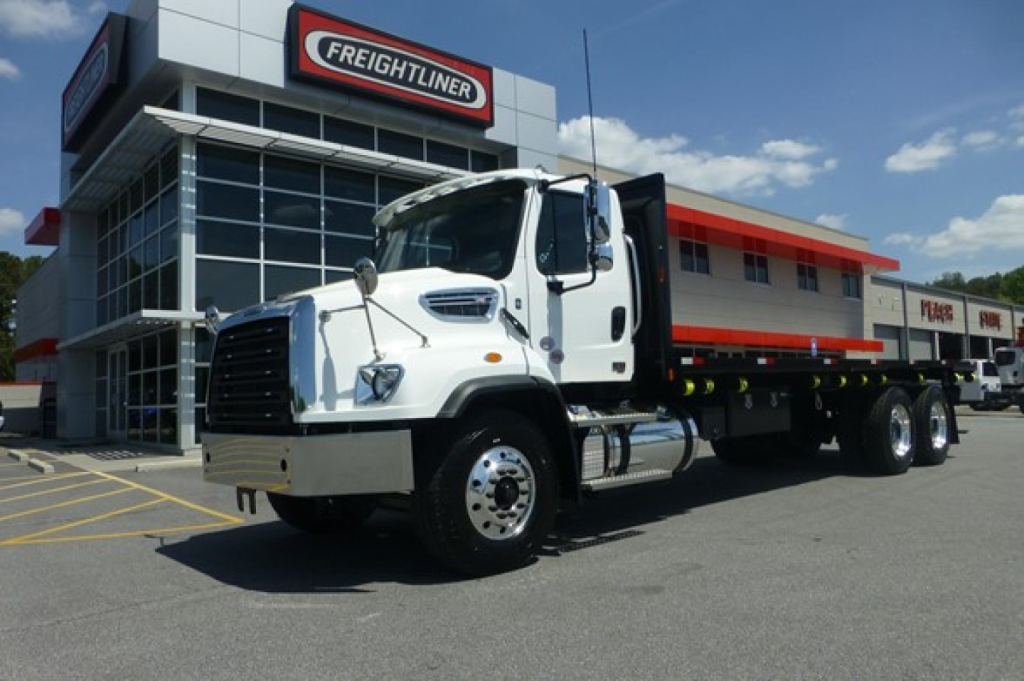
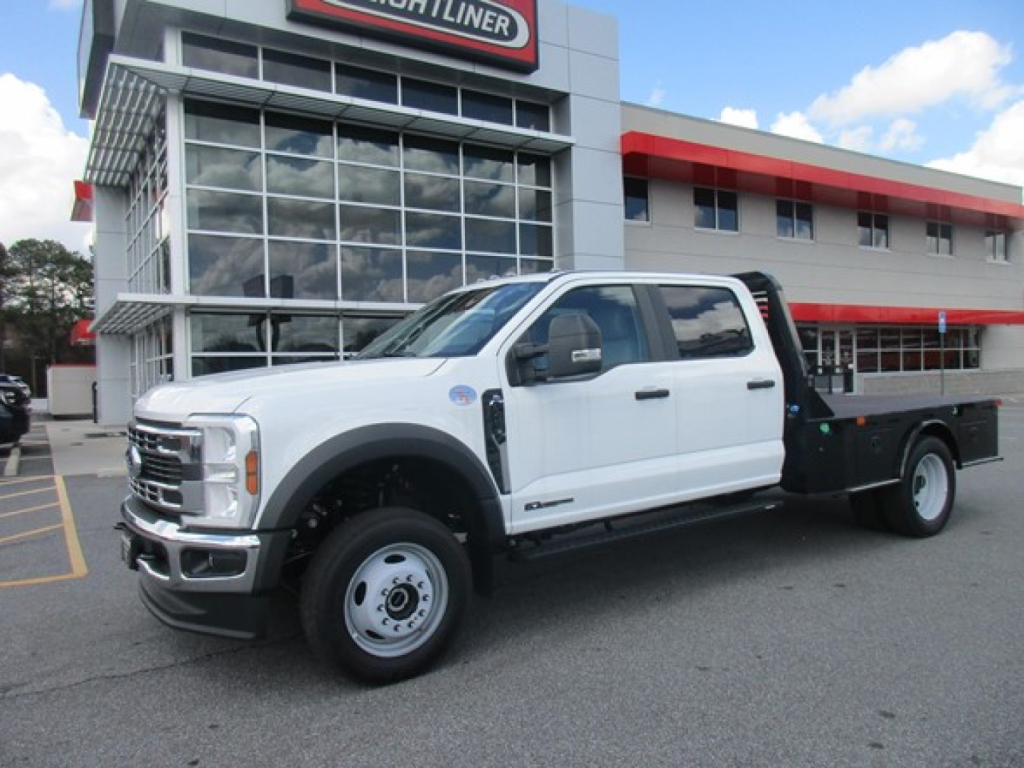
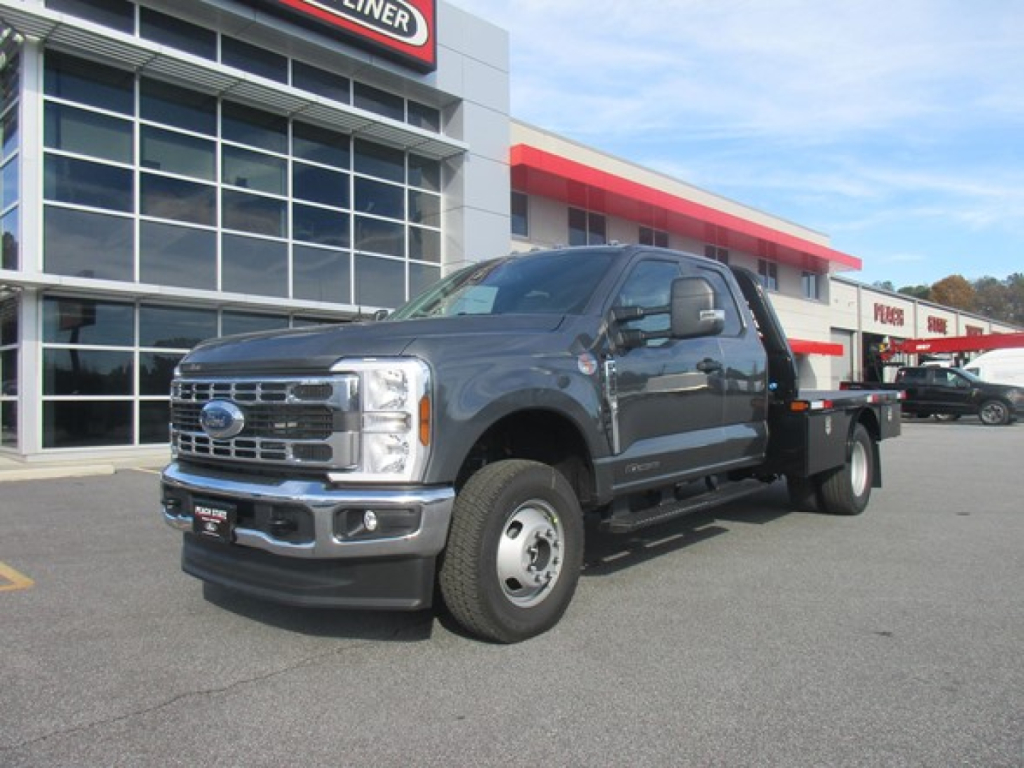
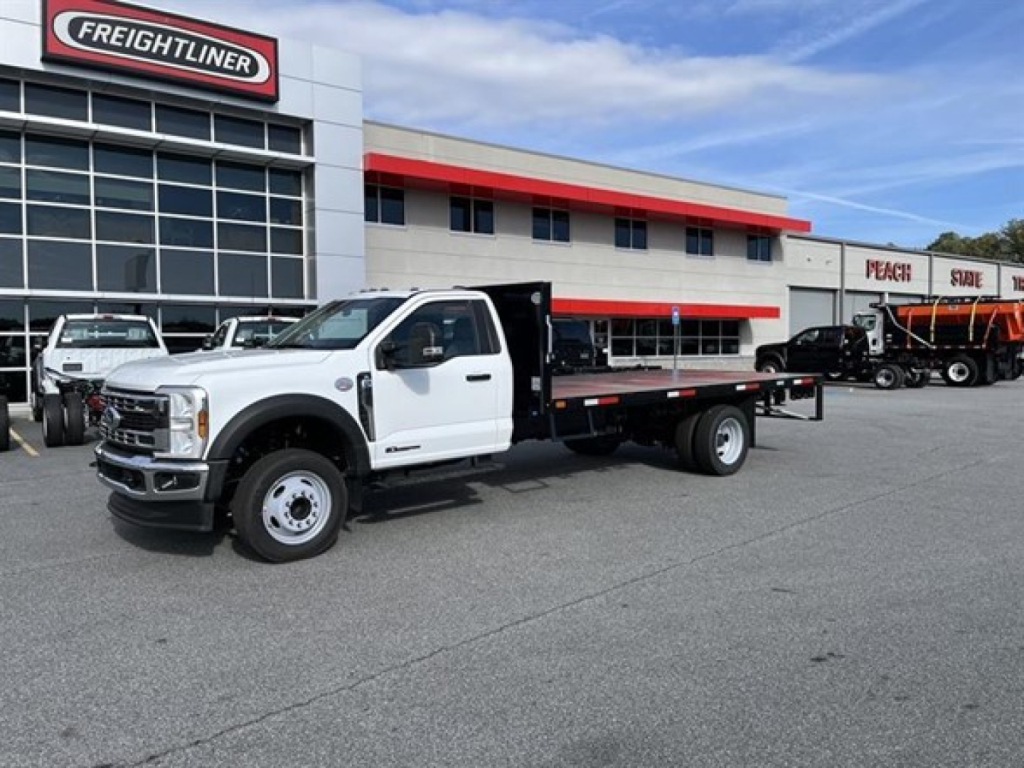
Have flatbed truck to sell? List it here to reach thousands of buyers.
Flatbed Trucks in Georgia
The first buying decision is usually size and payload. Light-duty flatbed trucks often run in Class 3 to Class 5 with 9 to 18 foot beds, gas or small diesel engines, automatic transmissions, and single rear wheel or dually setups. These are common for contractors, supply houses, and municipal work. Medium-duty and heavy-duty flatbeds step up to higher frame ratings, longer wheelbases, air brakes, diesel power, and more axle capacity for building materials, machinery, and equipment transport. Buyers should match deck length, bed width, wheelbase, and GVWR to the actual freight mix, not just the heaviest load they expect once or twice a year.
Body configuration matters as much as the chassis. Common features include wood or steel floors, rub rails, stake pockets, bulkheads, gooseneck or receiver hitches, toolboxes, headache racks, and tie-down points. Some flatbed trucks are set up for cranes, hoists, or PTO-driven equipment, while others are kept simple for palletized freight and general delivery. If the truck will see rough jobsites, pay close attention to suspension type, rear axle ratio, tire size, and ground clearance. If it will spend more time on pavement and regional routes, cab comfort, turning radius, fuel capacity, and transmission gearing become more important.
A good flatbed truck should be easy to secure, legal to load, and properly rated for the work. Check frame condition, deck wear, crossmember integrity, hitch ratings, and any signs of overloading or uneven weight distribution. On heavier units, buyers should verify axle capacities, brake type, engine brake availability, PTO provisions, and wheelbase compatibility with the bed or auxiliary equipment. In Georgia, where a truck may split time between interstate miles, urban stops, and muddy jobsites, the best flatbed spec is usually the one that balances payload, maneuverability, and securement options without adding unnecessary chassis weight.
Frequently Asked Questions about Flatbed Trucks in Georgia
What should I look for first when buying a flatbed truck?
Start with GVWR, payload, and deck length. Those three items determine what the truck can legally and practically haul. After that, look at wheelbase, axle setup, hitch type, and bed construction. A truck with the right engine or cab layout can still be a poor fit if the deck is too short, the payload is too light, or the securement options do not match your freight.
Are flatbed trucks in Georgia commonly set up for non-CDL use?
Yes, many flatbed trucks are configured below CDL thresholds, especially in Class 3 through Class 5 applications. These are common for local delivery, contractor work, and material hauling. Buyers still need to verify GVWR, actual loaded weight, trailer combination weight, and any brake or registration requirements, because a non-CDL chassis can still create compliance issues if it is paired with the wrong trailer or routinely overloaded.
What bed features are most useful on a flatbed truck?
Stake pockets, rub rails, tie-down points, a strong bulkhead, and a durable floor are among the most useful features because they directly affect load securement and day-to-day usability. Toolboxes, headache racks, gooseneck hitches, and receiver hitches also add value when the truck supports mixed work. The right feature set depends on whether the truck is hauling palletized freight, pipe, equipment, building materials, or towing additional loads.
How do I choose between a light-duty and heavy-duty flatbed truck?
Choose based on the weight and size of the freight, the loading method, and the route profile. Light-duty flatbeds are easier to maneuver, often cheaper to operate, and well suited for local contractor and supply work. Heavy-duty flatbeds make more sense when loads are consistently heavier, bed lengths need to be longer, or the truck requires air brakes, diesel torque, PTO capability, and stronger axle ratings for commercial hauling.
Is a diesel flatbed truck better than a gas model?
Diesel is usually the better choice for heavier payloads, higher annual mileage, towing, and long-term commercial use because it delivers stronger low-end torque and typically holds up well in demanding service. Gas engines can still be the right fit for lighter local operations where purchase price, simpler maintenance, and lower upfront cost matter more than maximum pulling power. The best choice comes down to duty cycle, load weight, and total operating cost.