
Cab and Chassis Trucks For Sale in Georgia
Shop cab and chassis trucks in Georgia, from Class 4 to 8. Compare frame RBM, CA, tare weight, cooling, and corrosion protection for the right upfit.
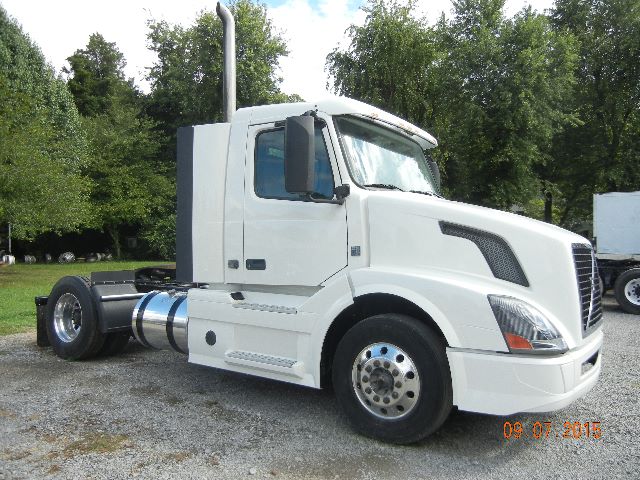
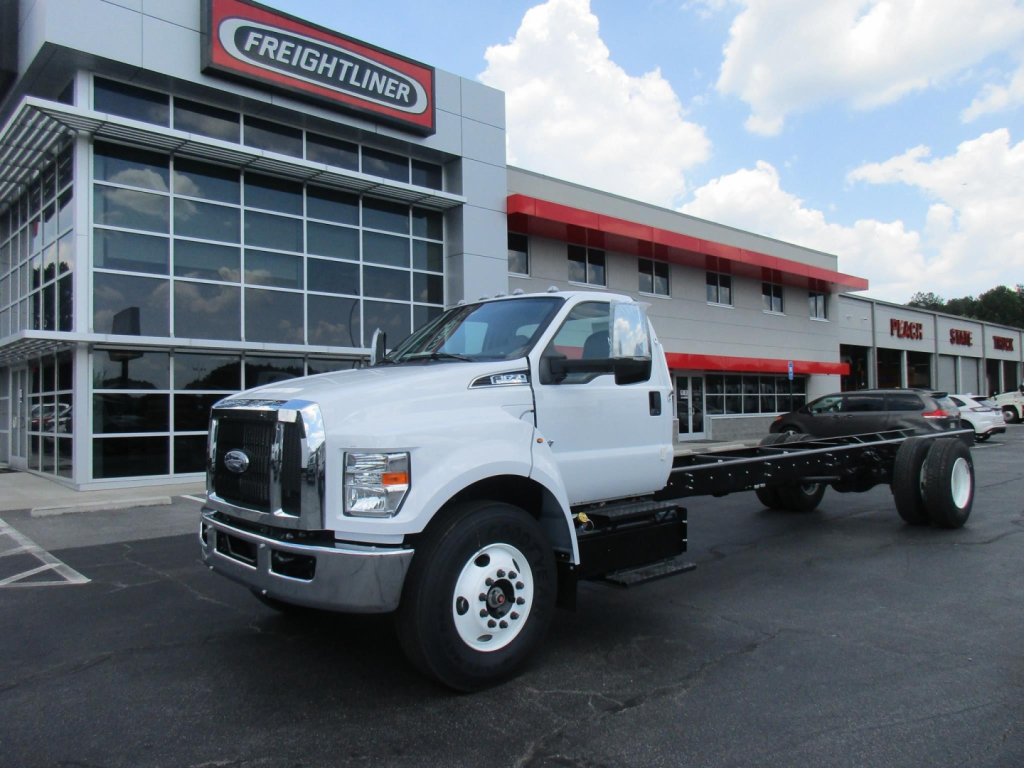
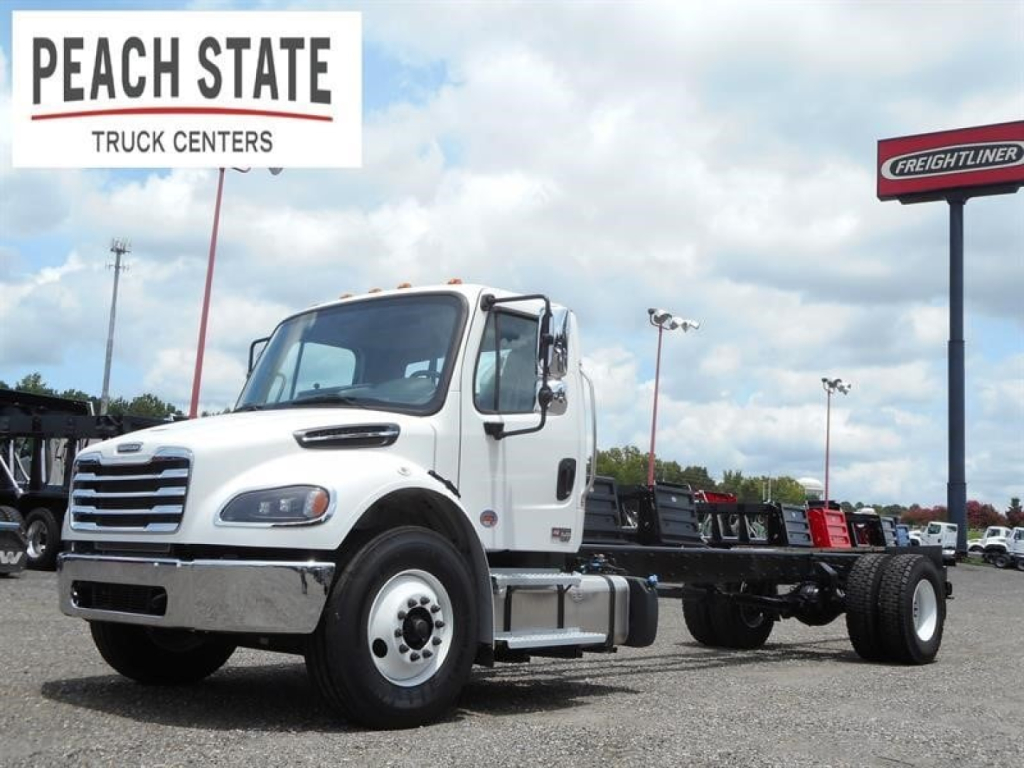
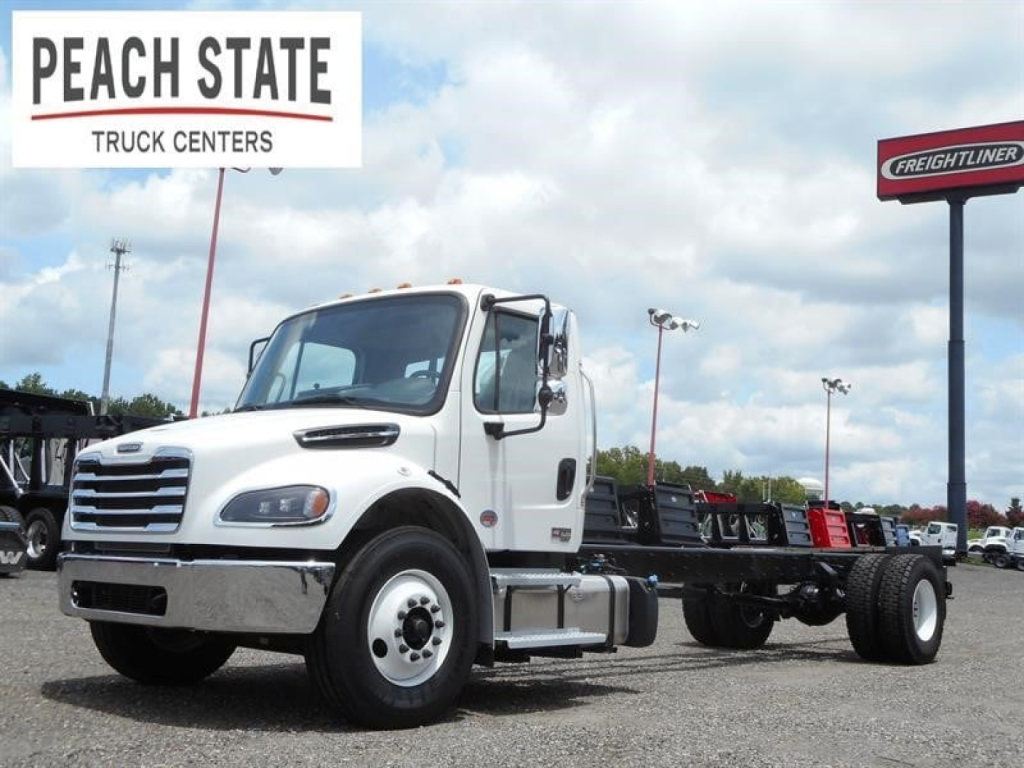
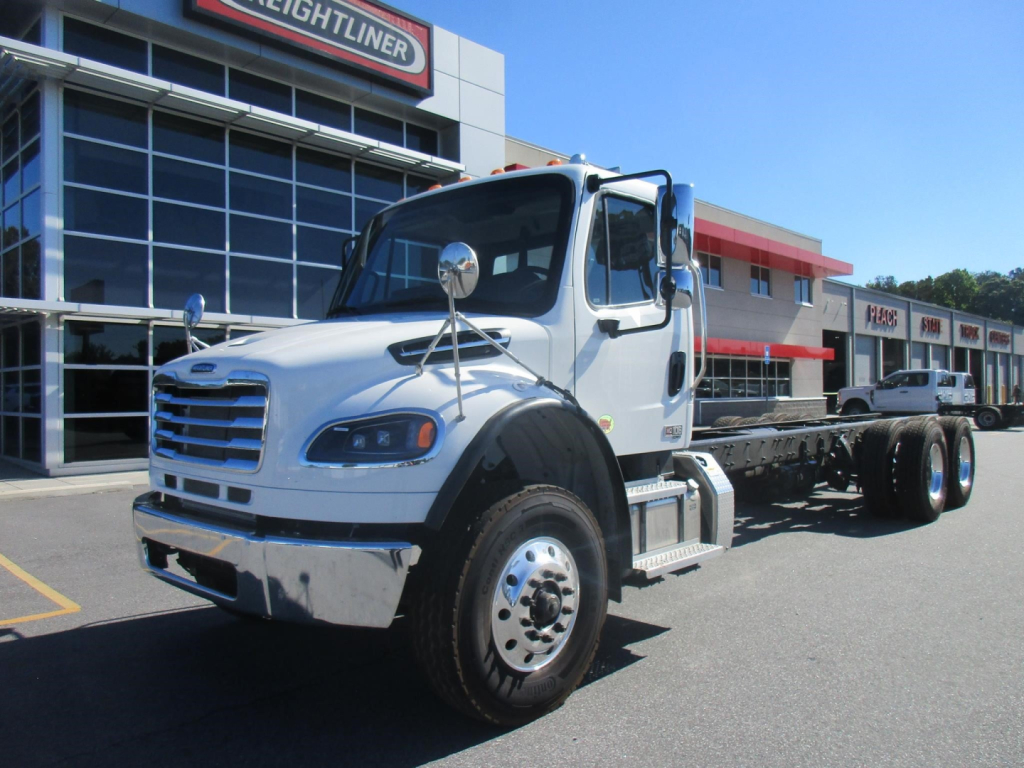
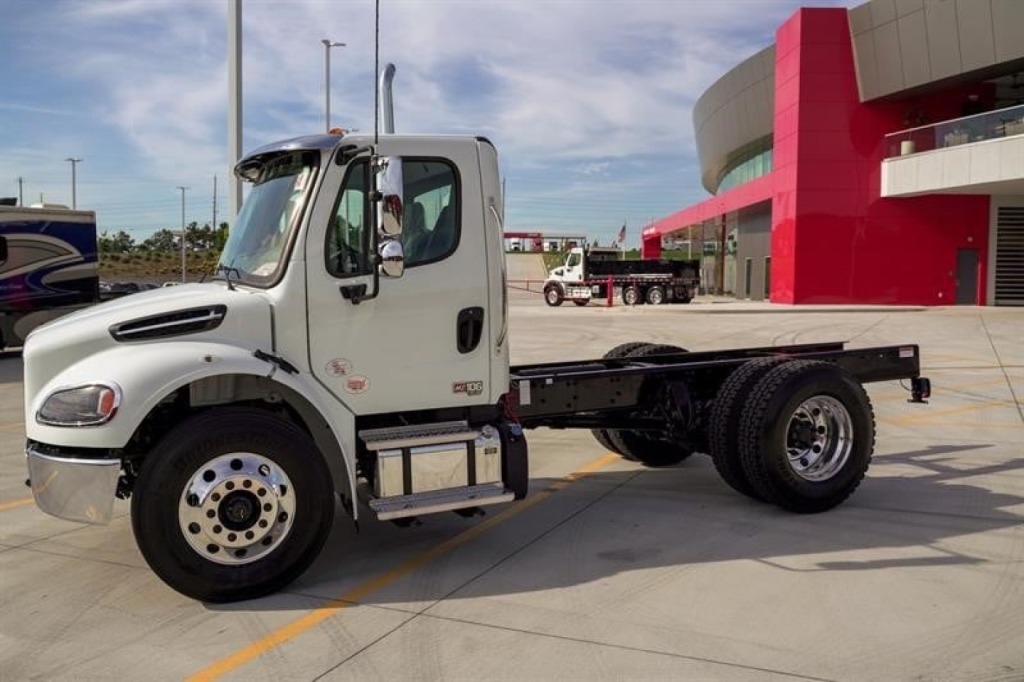
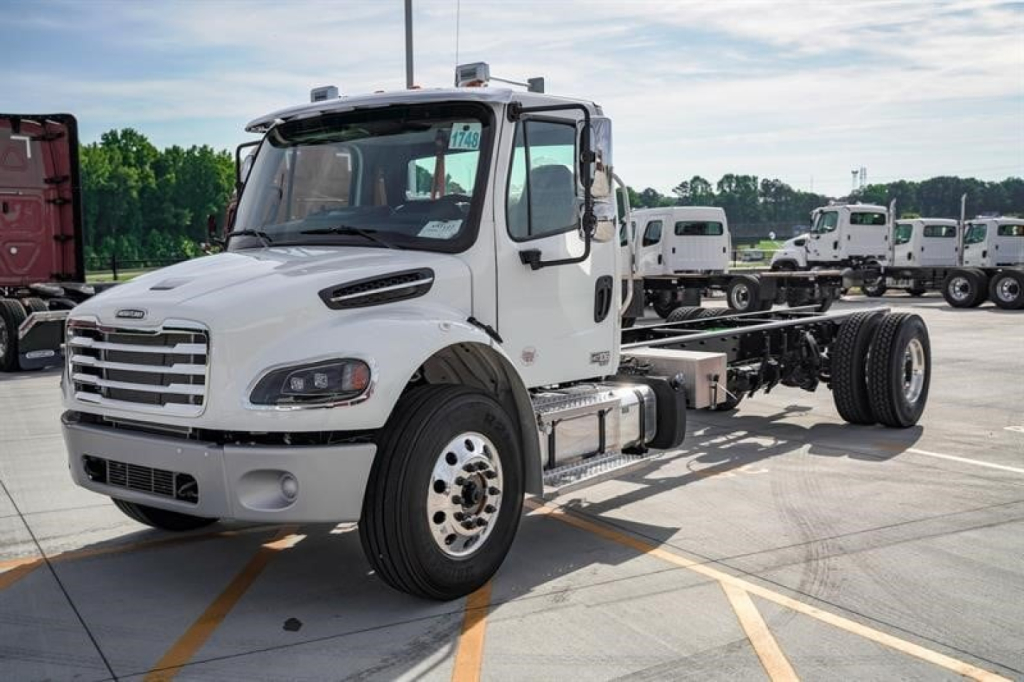
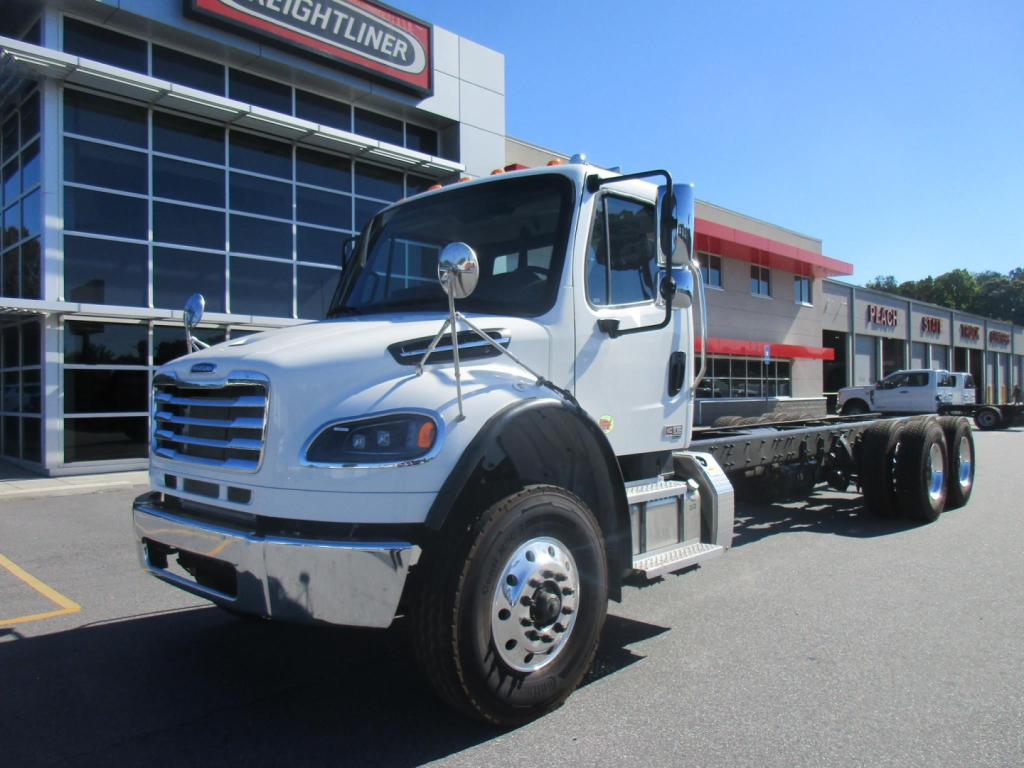
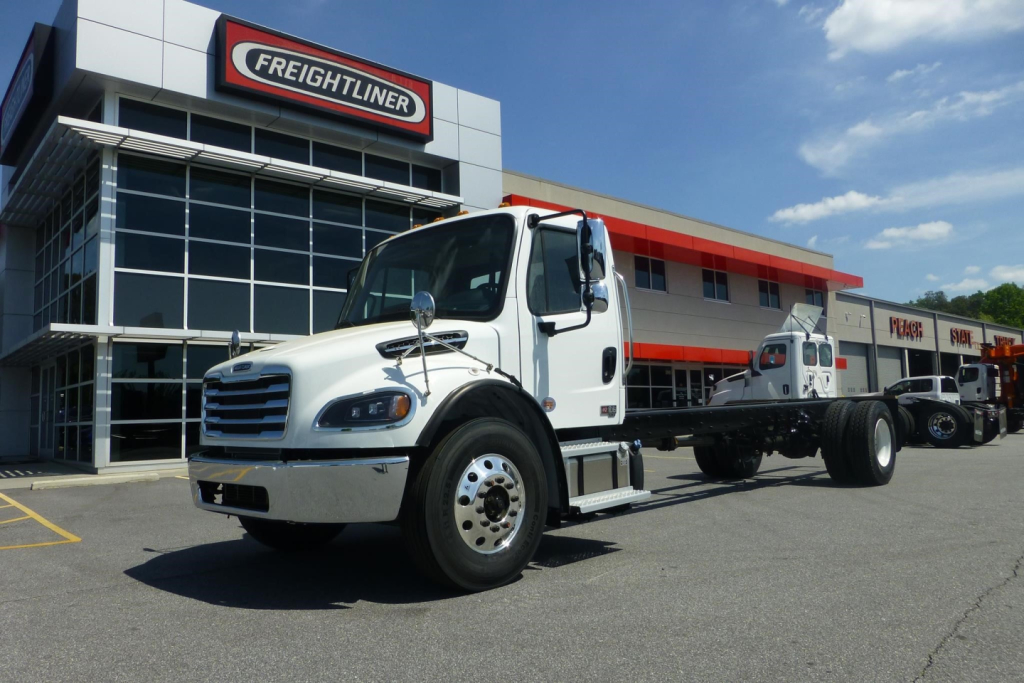
2027 Freightliner M2 106
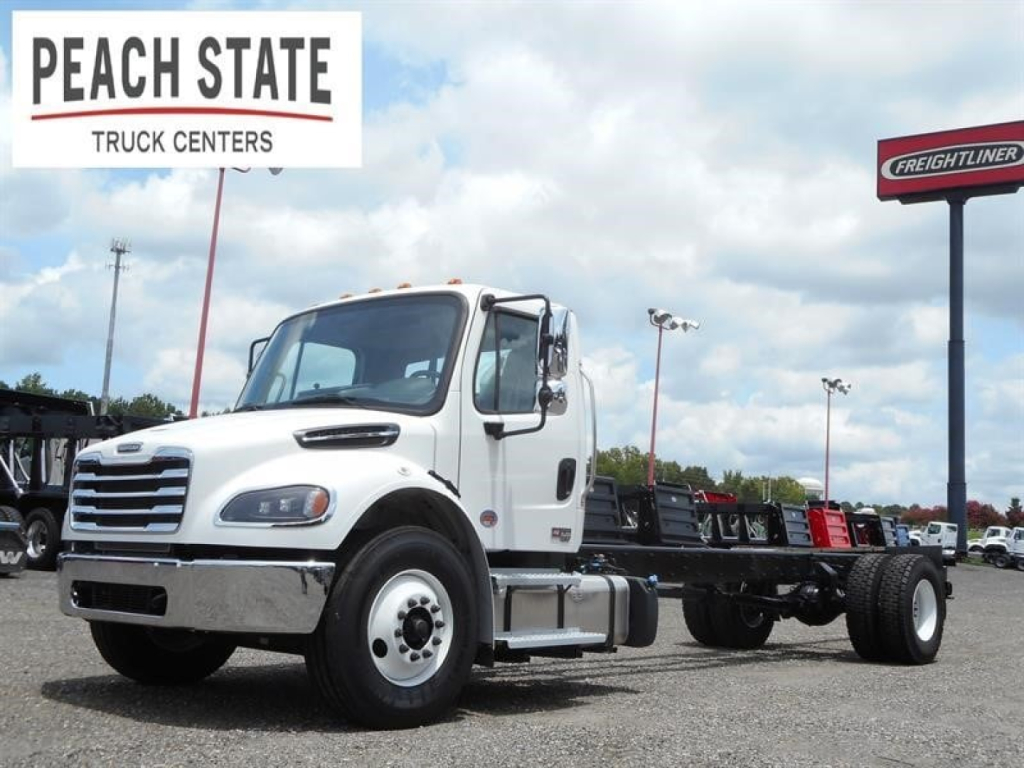
2027 Freightliner M2 106
Selling a cab and chassis truck? List your cab and chassis truck for sale and reach thousands of commercial buyers.
Cab and Chassis Trucks in Georgia
Frame integrity controls durability and usable payload. Heat treated rails in the 110 to 120 ksi class raise RBM for dumps and cranes, while double frame liners add bending resistance for severe duty at the cost of added tare weight. Verify rear overhang and CT for liftgates, wheel lifts, or roll off gear, and confirm pintle or tow plate reinforcement if you plan to tow. Rear suspension choice affects stability and ride, multi leaf for simplicity, walking beam for job sites, air ride for sensitive freight. Air or hydraulic brakes influence serviceability and upfit space, and PTO provisions at the transmission or engine, along with body builder wiring and upfitter switches, reduce installation time and rework.
Tare weight management protects payload and margins. Every component adds or subtracts, 4x4, tandems, double frames, steel wheels, and dual tanks consume capacity, while aluminum wheels and tanks, right sized battery sets, and day cabs can save hundreds of pounds. Match GVWR and GCWR to CDL strategy and route profile, many Georgia operators target 25,999 to avoid CDL, others spec 33,000 and above to capture true Class 7 and Class 8 payload. Choose axle ratios for your duty cycle, taller gearing for interstate miles on I 75 and I 16, shorter gearing for stop and go work inside the perimeter or frequent PTO use.
Thermal integrity on a cab and chassis means the cooling and heat management package keeps components in range during Georgia summers and extended PTO operation. Look for heavy duty radiators, larger transmission coolers, high idle and fan controls, heat shielding near the DPF, and protection for DEF lines and nearby harnesses. If an insulated or reefer body is planned, size alternator output, battery capacity, and shore power routing before the body goes on to maintain temperature control without overloading the charging system. Corrosion resistance affects lifecycle cost, inland Georgia sees limited deicing chemicals, but humidity and coastal salt air near Savannah are harsh. E coat or epoxy coated frames, stainless or coated fasteners, sealed electrical connectors, treated brake lines, and accessible wash points preserve the chassis and resale value.
Frequently Asked Questions about Cab and Chassis Trucks in Georgia
How do I size wheelbase, CA, and CT for a planned body on a cab and chassis?
Start with the body builder’s chart for your target body length and weight, then match the cab to axle and wheelbase that keep the center of gravity ahead of the rear axle and the rear overhang within limits. CT must accommodate liftgates, wheel lifts, or roll off equipment. Longer wheelbases improve weight distribution for 24 to 26 foot van bodies, shorter wheelbases improve maneuverability for service bodies and city routes. Always validate axle ratings and placement against the loaded weight of your body and cargo.
Which frame specifications matter most for floor strength when adding dumps, cranes, or rollbacks?
Rail section modulus and RBM per rail are the primary indicators of bending strength, higher numbers support higher hoist and boom loads with less deflection. Yield strength of the steel, often 110 to 120 ksi on heavy duty rails, also matters. Double frames or insert liners add capacity for severe duty, and closer crossmember spacing reduces torsional twist. Confirm factory drilled body builder holes, reinforcement plates at hoist mounts, and proper outrigger spread for cranes to transfer loads without concentrating stress.
What affects tare weight the most on a cab and chassis, and how can I protect payload?
Major drivers include axle count, 4x4 components, frame liners, fuel and DEF tank size and count, wheel and tire selection, cab configuration, and PTO or hydraulic gear. To maximize payload, delete unneeded second tanks, choose aluminum wheels and tanks, select a day cab if crew seating is not required, and avoid double frames unless duty cycle demands it. Balance savings with durability, suspension capacity, and braking performance so the truck remains safe at the intended GVWR and GCWR.
What should I spec for heat management in Georgia, especially with frequent PTO use or city traffic?
Choose a heavy duty cooling package with an upsized radiator and transmission cooler, verify high idle and fan controls to maintain airflow at low road speeds, and ensure heat shielding around the DPF and exhaust keeps nearby wiring and DEF lines protected. For PTO heavy work, consider a transmission with adequate oil flow and an external cooler, and program idle speeds to maintain alternator output. If a reefer or insulated body is planned, size alternator amperage and battery capacity to support the load without chronic low voltage.
How can I improve corrosion resistance for a cab and chassis operating in Georgia, including coastal areas?
Select frames with e coat or epoxy finishes, specify stainless or coated fasteners and treated brake and air lines, and use sealed connectors and junction boxes. Avoid drilling new holes in coated rails when possible, use existing body builder holes and isolators. For fleets running near Savannah or Brunswick, add underbody wax or oil based treatments and plan wash access with spray openings around crossmembers. A routine wash program and periodic inspection of harness seals and paint chips will slow corrosion and protect resale value.