
Freightliner Cab and Chassis Trucks For Sale in Georgia
Browse Freightliner cab and chassis trucks for sale in Georgia. Compare M2 specs, wheelbase, GVWR, engine and upfit readiness.
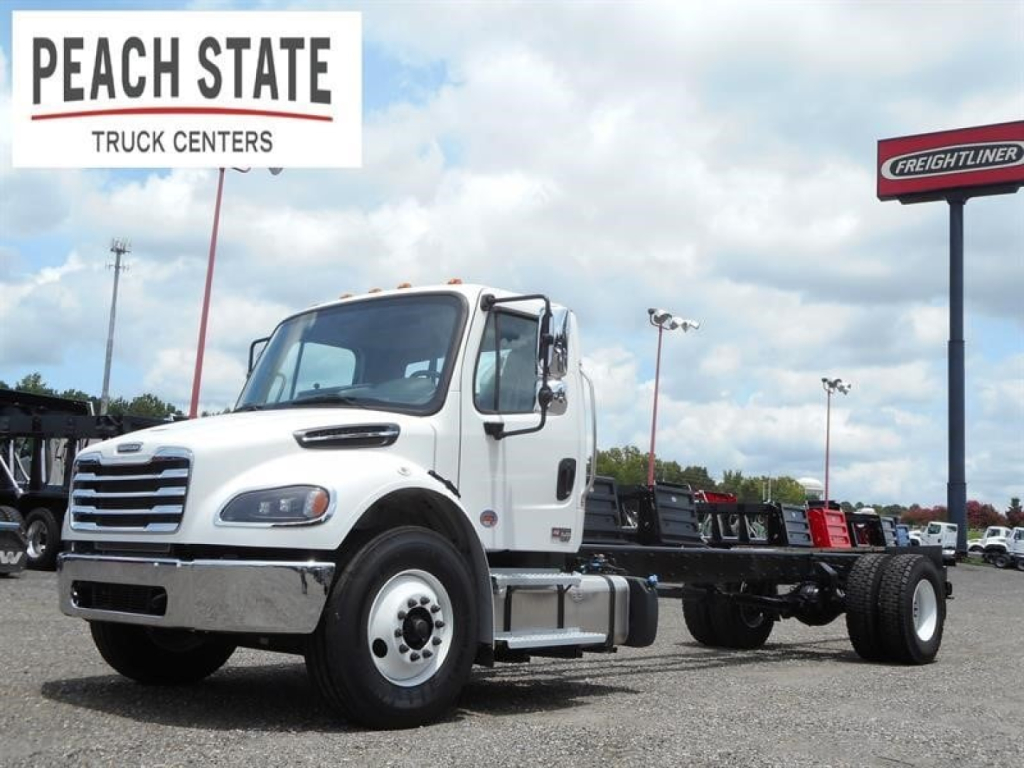
2027 Freightliner M2 106
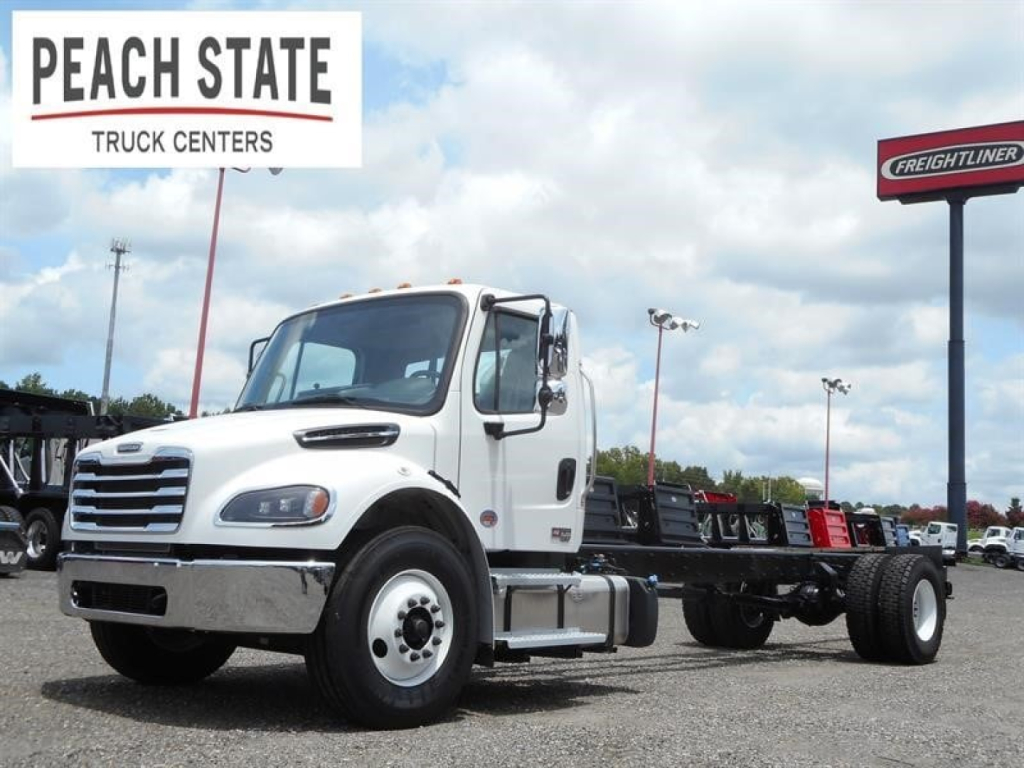
2027 Freightliner M2 106
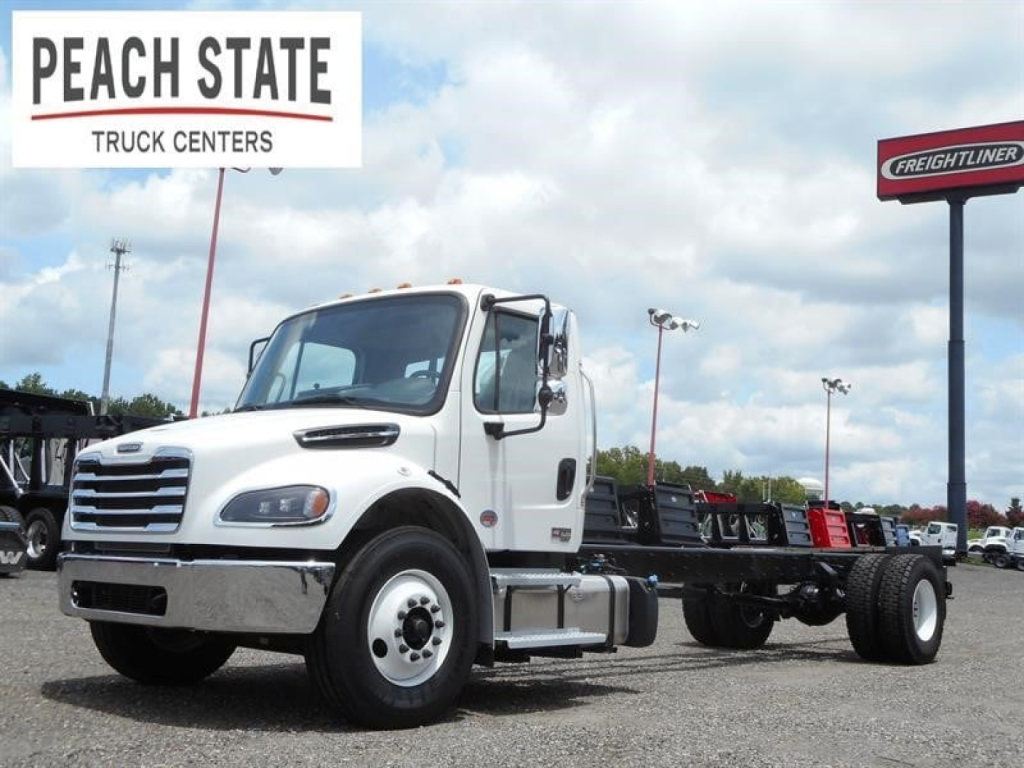
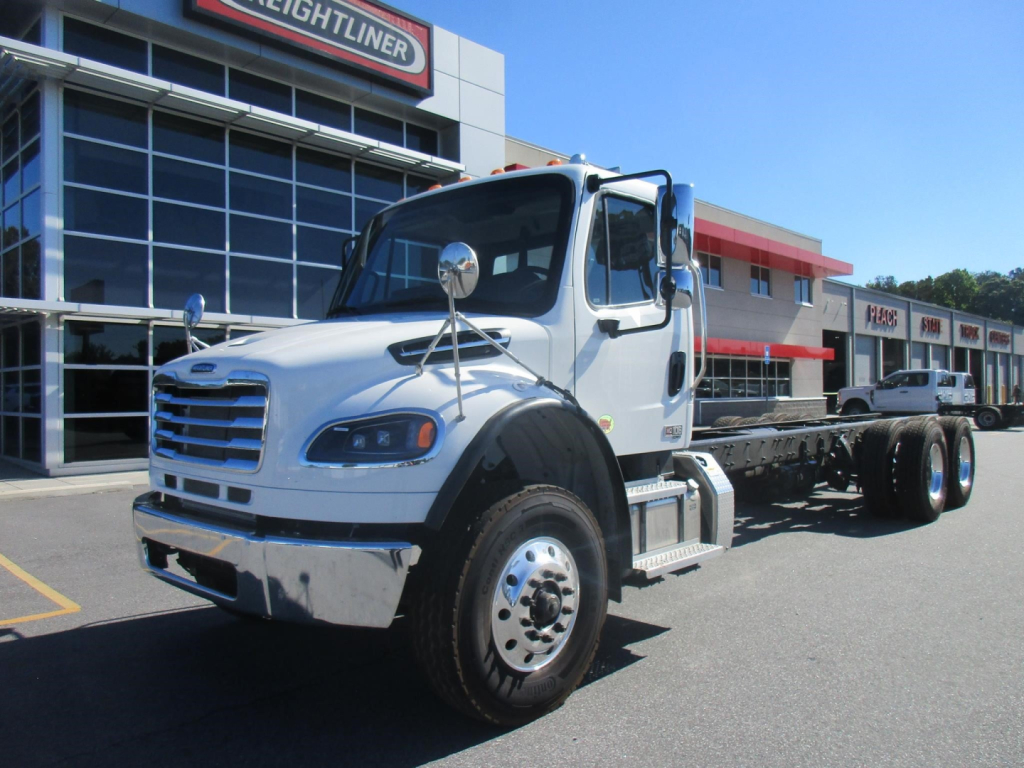
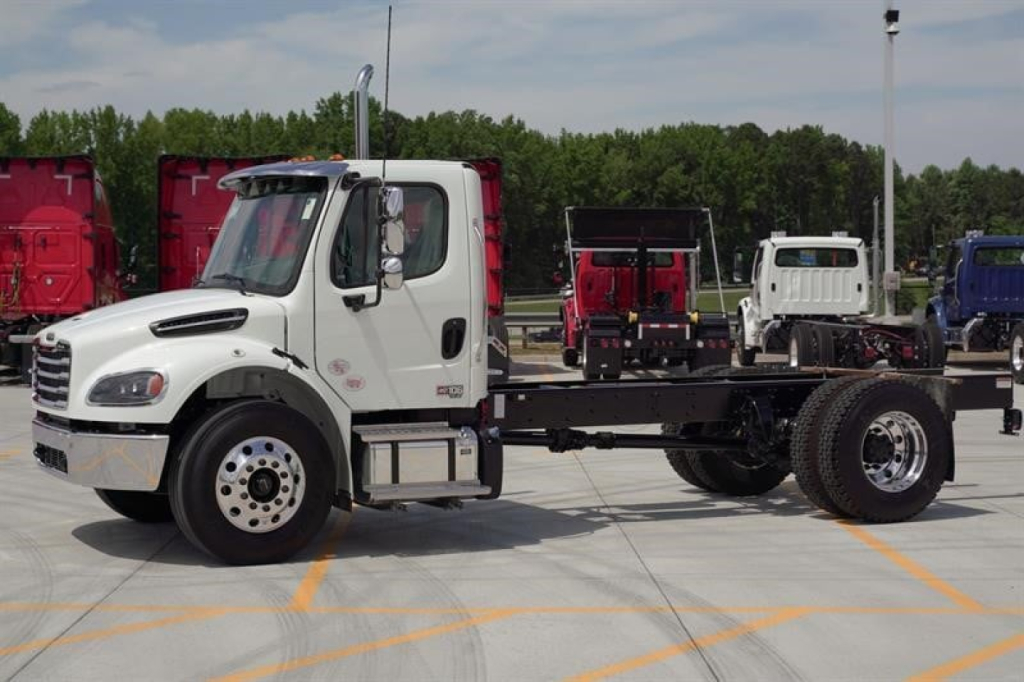
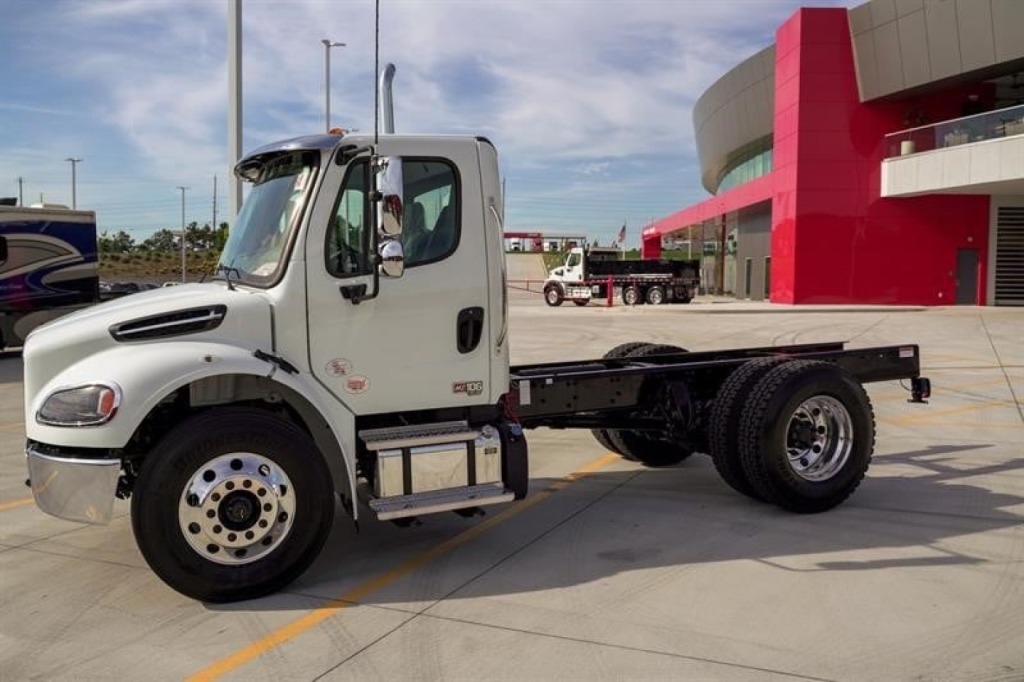
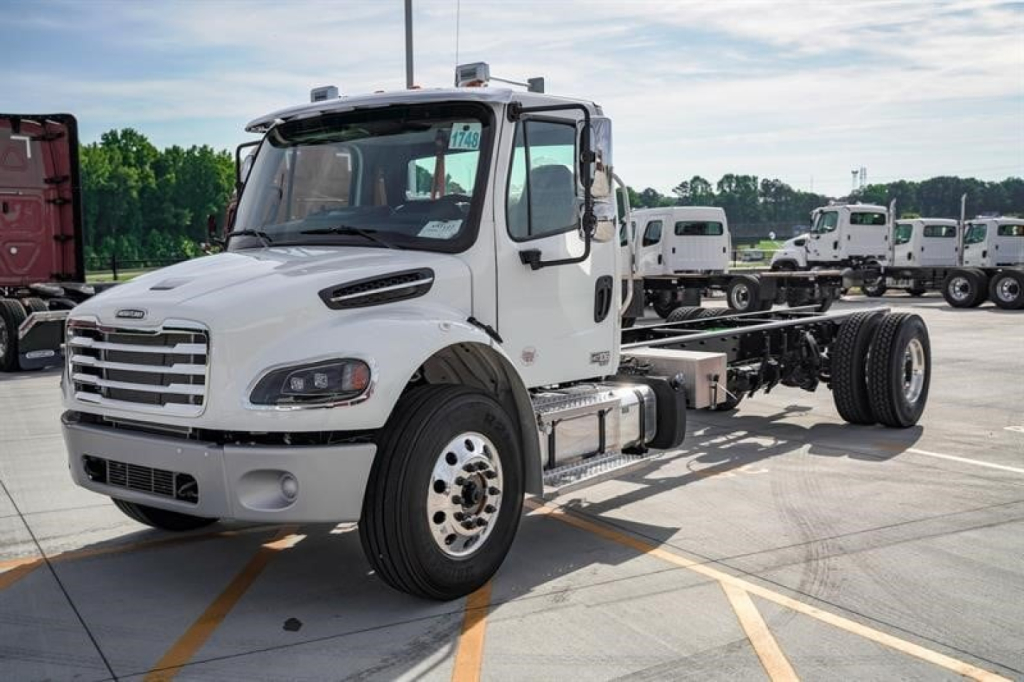
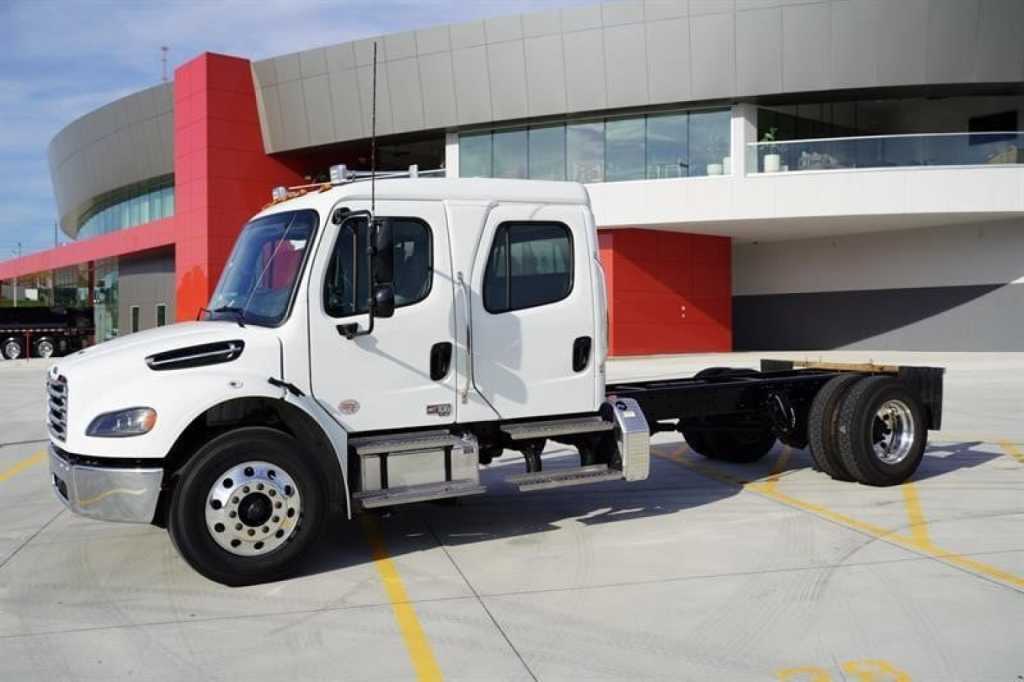
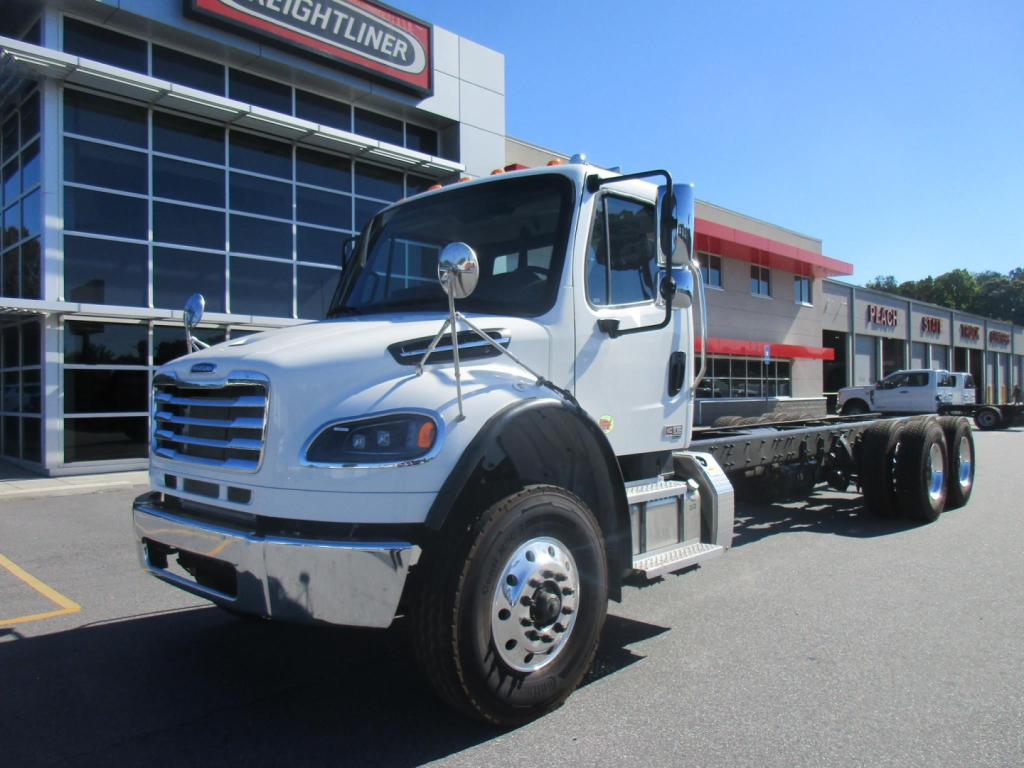
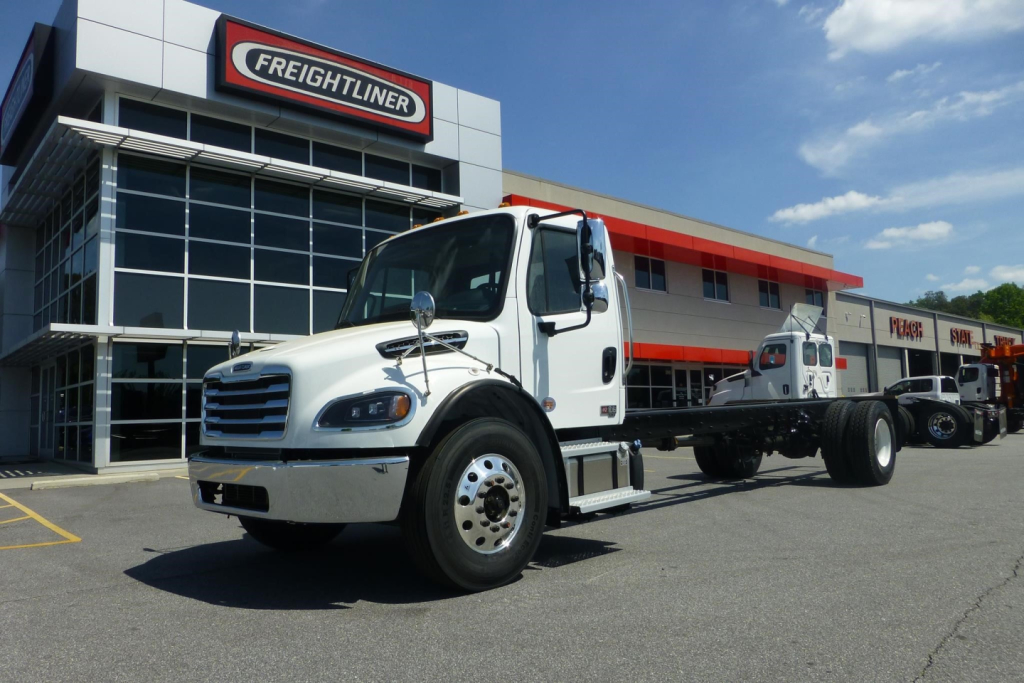
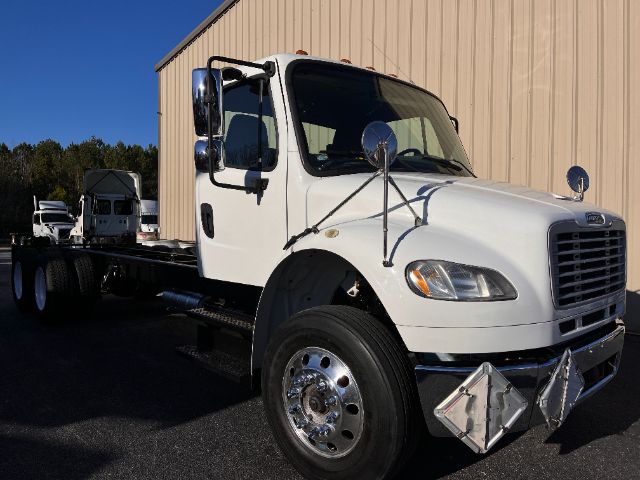
Selling a freightliner cab and chassis truck? List your freightliner cab and chassis truck for sale and reach thousands of commercial buyers.
Freightliner Cab and Chassis Trucks in Georgia
Most Freightliner cab and chassis trucks on the market fall into Class 6 through Class 8, with single-axle and tandem-axle configurations available depending on payload and body type. Common engine choices include Cummins B6.7 and larger Cummins mid-range platforms, often paired with Allison automatic transmissions for vocational use. Horsepower can range from around 250 hp on lighter Class 6 chassis to 300 hp and up on heavier specs. Suspension is another major buying point. Spring suspension is common on general-purpose work trucks, while air ride can make sense for more delicate cargo, driver comfort, or specialized body applications. Front axle ratings, rear axle ratings, rear ratio, and tire size all matter because they affect payload, launch performance, and how well the truck fits stop-and-go urban work versus higher-speed regional service.
A buyer looking at Freightliner cab and chassis trucks should also pay close attention to frame length, frame height, PTO compatibility, and electrical provisions for the intended upfit. Body installation costs rise quickly when the chassis is not properly matched to the equipment. A 4x2 single-axle M2 may be ideal for a box truck, reefer, or landscape body, while a heavier tandem setup with a long frame and higher GVWR may be better suited for dump, crane, or municipal work. In Georgia, heat, humidity, and mixed road conditions make cooling system condition, air conditioning performance, brake condition, and suspension wear especially worth checking on used trucks. If the unit is already drilled or set up for a prior body, buyers should confirm hole patterns, frame modifications, and remaining usable frame space before committing.
Freightliner remains a strong fit for fleets and owner-operators who want a vocational chassis with broad service support and flexible spec choices. The best value is usually found by matching the truck to the exact body and duty cycle instead of buying on horsepower alone. A well-spec'd Freightliner cab and chassis can be easier to upfit, easier to service, and better suited to long-term vocational work than a mismatched chassis that looks cheaper on paper.
Frequently Asked Questions about Freightliner Cab and Chassis Trucks in Georgia
What is a Freightliner cab and chassis truck used for?
A Freightliner cab and chassis truck is a stripped vocational platform built to accept a body or equipment package after the chassis leaves the factory. Common uses include box trucks, refrigerated trucks, flatbeds, dump bodies, rollback wreckers, utility bodies, service trucks, and municipal applications. The chassis is purchased based on wheelbase, axle ratings, GVWR, and frame dimensions so the final truck can be built for a specific job.
What should I check first when buying a Freightliner cab and chassis?
Start with wheelbase, cab-to-axle, and cab-to-end-of-frame dimensions because those measurements determine body fit. After that, review GVWR, front and rear axle ratings, suspension type, transmission, rear ratio, and engine output. Buyers planning an upfit should also confirm PTO provisions, frame condition, electrical connections for body integration, and whether any prior frame drilling or modifications could affect the new installation.
Which Freightliner models are most common in cab and chassis form?
The Freightliner M2 106 is one of the most common cab and chassis models in this category because it covers a wide range of medium-duty vocational applications. Depending on the job, buyers may also see heavier Freightliner chassis configured for tandem-axle work. The M2 platform is widely used because it balances maneuverability, body-builder compatibility, and parts availability.
Is an Allison automatic transmission a good choice in a cab and chassis truck?
For many vocational applications, an Allison automatic is a strong choice because it performs well in stop-and-go service and reduces driver fatigue. Automatic transmissions are common on box trucks, utility trucks, and local delivery chassis, especially where multiple drivers may use the same truck. Buyers should still match the transmission to the gross weight, terrain, and PTO or vocational requirements of the body being installed.
Are single-axle or tandem-axle Freightliner cab and chassis trucks better?
Neither is universally better because the right configuration depends on payload, body type, and operating conditions. A single-axle 4x2 chassis is often the right fit for lighter box truck, reefer, or service body applications where lower weight and tighter turning are important. A tandem-axle chassis usually makes more sense for heavier bodies, higher GVWR requirements, or jobs that need more rear axle capacity and better weight distribution.