
Ford Cab and Chassis Trucks For Sale in Georgia
Shop Ford cab and chassis trucks in Georgia, compare payload, GCWR, PTO options, corrosion protection, and upfit-ready specs for statewide work today.
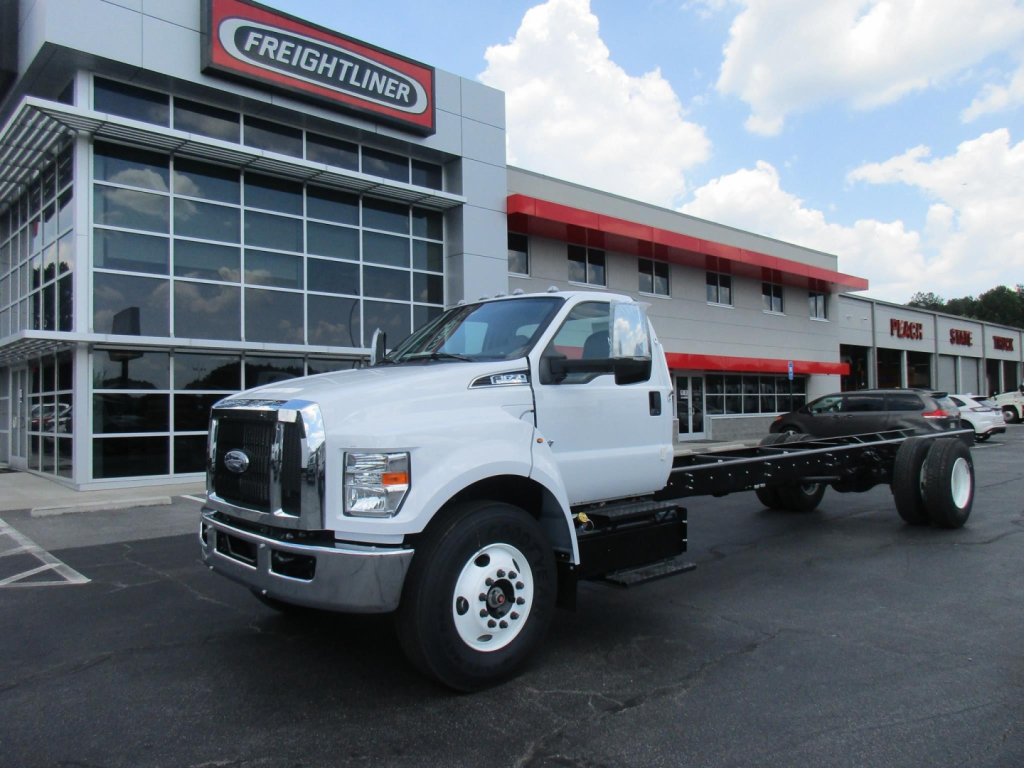
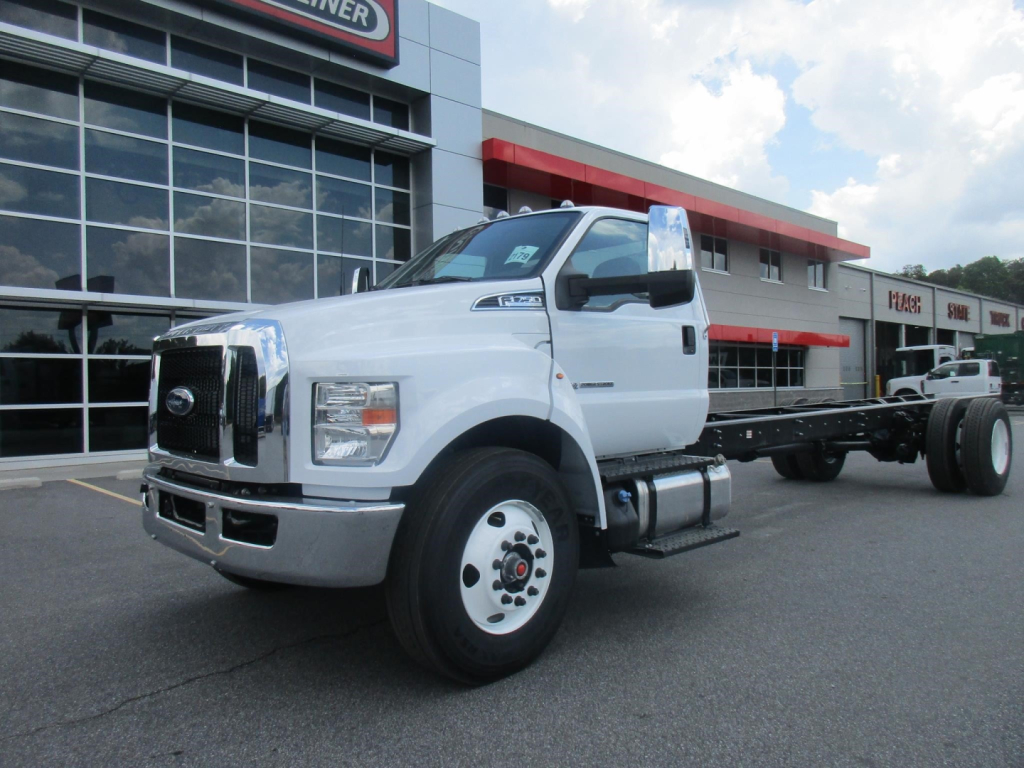
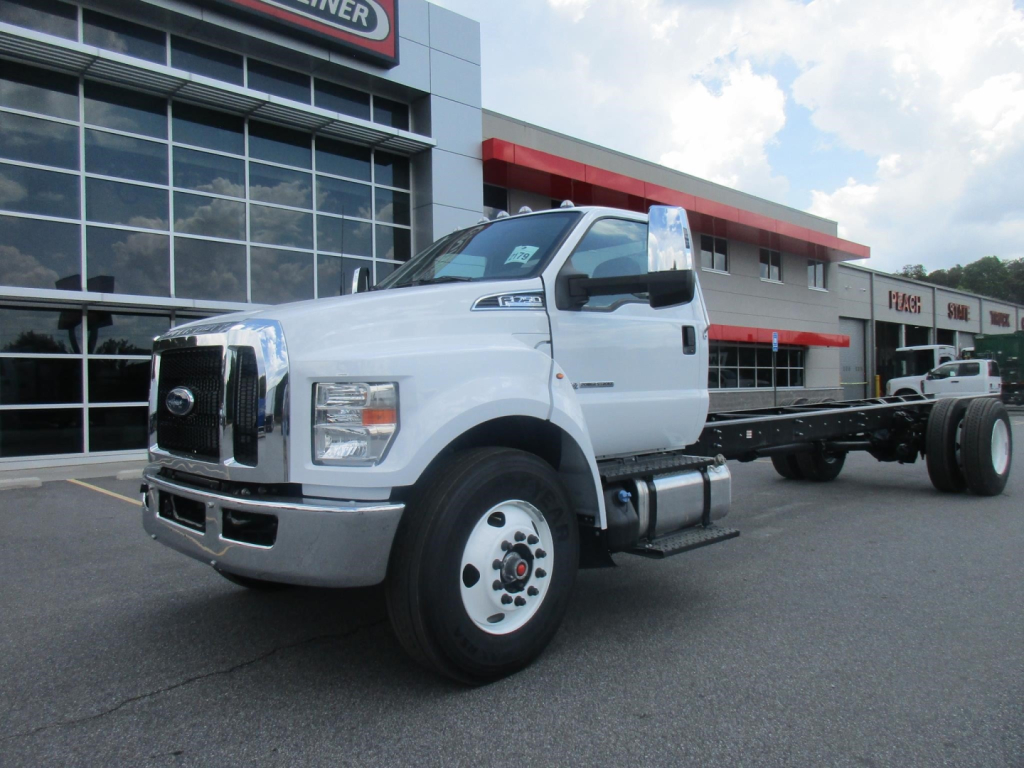
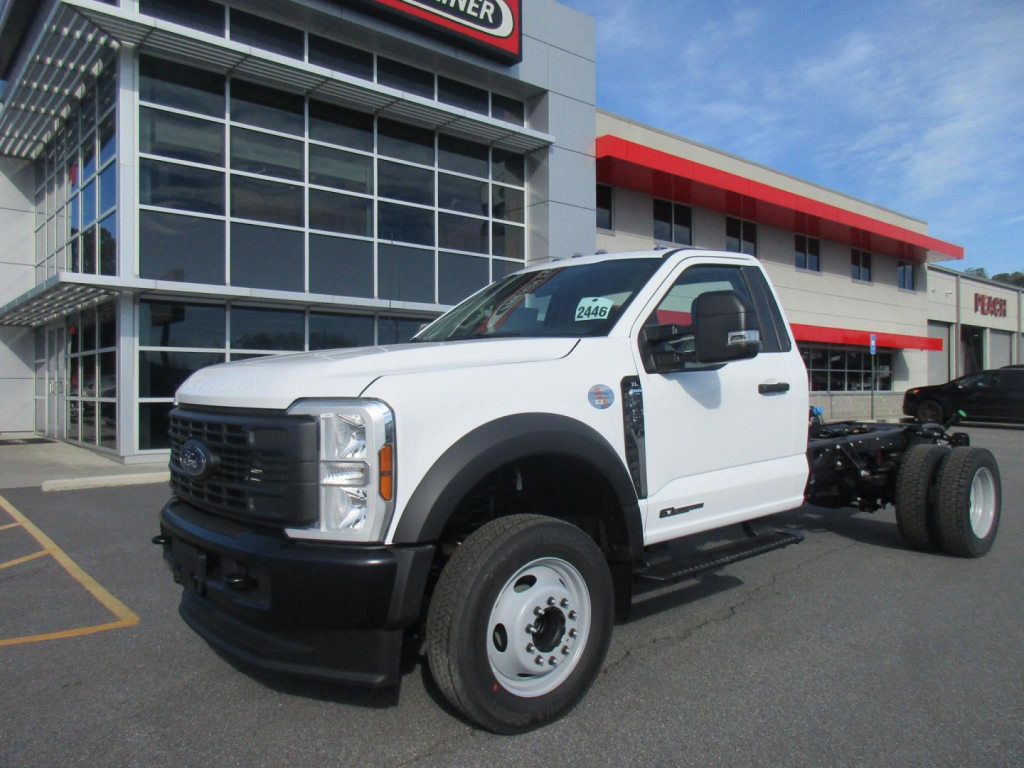
Selling a ford cab and chassis truck? List your ford cab and chassis truck for sale and reach thousands of commercial buyers.
Ford Cab and Chassis Trucks in Georgia
Powertrain choice drives operating cost and capability. The 6.7L Power Stroke diesel delivers high torque at low rpm for PTO work and heavy towing, paired with TorqShift transmissions that offer live‑drive or stationary PTO provisions. Gas options like the 7.3L V8 provide a lower curb weight and simpler aftertreatment, a fit for shorter routes and lighter bodies. Axle ratios should be selected around your route profile, highway linehaul to Savannah or stop and go Atlanta service, and GCWR targets. Thermal integrity in Georgia heat depends on adequate cooling capacity, so confirm the heavy service cooling package, transmission auxiliary coolers, and proper grille airflow after the body is installed. For PTO intensive applications, verify idle speed control and heat management to protect transmissions and underhood components.
Upfit planning protects floor strength and cargo. For flatbeds and dumps, specify deck thickness and crossmember spacing to handle point loads from pallets or machinery, 3/16 inch steel treadplate or tightly spaced crossmembers will reduce floor deflection. Service bodies that carry cranes need reinforced subframes and outriggers that transfer loads into the chassis rails without twisting the cab. Box and reefer bodies should be matched to the correct CA and wheelbase so the body sits tight to the cab without interference, and fork‑rated floors, bonded scuff liners, and rear threshold protection keep floors intact during dock work. If temperature control is required, pair the chassis with an insulated body that maintains thermal continuity at the bulkhead and doors, then consider air ride on F‑650 or F‑750 to reduce cargo shock and floor fatigue.
Payload starts with tare weight, so account for cab style, 4x2 versus 4x4, wheelbase, fuel tank size, and body weight before you promise capacity to a customer. Verify front and rear axle ratings against real tool and fuel loads, then leave margin for future gear. Hydraulic brakes work well on lighter units, while air brakes on F‑650 and F‑750 offer better heat capacity on hilly North Georgia routes and more consistent pedal feel under load. Corrosion resistance in Georgia improves with regular underbody rinsing, frame touch‑ups at chip points, dielectric grease on connectors, and spec options like aluminum fuel tanks and composite battery boxes. A well spec’d Ford cab and chassis, matched to route and body, delivers long service life with controlled maintenance cost.
Frequently Asked Questions about Ford Cab and Chassis Trucks in Georgia
Which Ford cab and chassis model is best for my body and GVWR needs in Georgia?
Match the body and payload to the chassis class. F‑350 to F‑550 suits service bodies, small dumps, and short box bodies with lighter tare and easier maneuvering in tight urban routes. F‑600 adds headroom on GVWR without jumping to medium duty. F‑650 and F‑750 handle longer van or reefer bodies, heavy dumps, and rollbacks with higher axle ratings, available air brakes, and optional air ride. Start with the finished body weight and required payload, then choose the chassis that keeps axle loads under ratings with 10 to 15 percent margin.
Should I choose gas or diesel for a Ford cab and chassis in Georgia?
Diesel excels in high torque, PTO work, towing, and long days in heat, with better fuel economy under heavy loads. Gas offers a lower purchase price, lighter tare weight, fast warmup on short routes, and simpler emissions systems, a good fit for local fleets with predictable daily miles. Consider duty cycle, idle time, expected payload, and fuel availability. If you routinely gross near GVWR or run PTO hydraulics, diesel is usually the better lifecycle choice, otherwise a 7.3L gas truck can reduce upfront cost and maintenance complexity.
How do I select the correct wheelbase and CA for my body length?
Use the body builder guide for cab‑to‑axle and wheelbase charts. As a rule, a 12 foot flatbed often pairs with a CA near 84 inches, a 14 to 16 foot van body typically needs 108 to 120 inches, and longer medium duty bodies scale up from there. The goal is to center the body weight over the rear axle, maintain proper tire clearance, and keep overall length manageable for your routes. Confirm exhaust routing, DEF tank placement, and fuel fill alignment with the body supplier before finalizing the spec.
How do I calculate real payload after the upfit?
Start with the chassis curb weight from the door label, then add the installed body, fuel, DEF, driver, passengers, tools, hitch equipment, and common cargo. Subtract this from the GVWR to find payload. Check individual axle loads, not just total weight, since front axle ratings can be exceeded by heavy bumpers or cranes. Weigh the finished truck on scales, then adjust tool placement to balance axles and keep some margin for seasonal gear.
What corrosion protection is recommended for Georgia climates?
Look for chassis with factory e‑coat frames, sealed connectors, and aluminum cabs on Super Duty models. In coastal or humid areas, add underbody coating where compatible with the OEM finish, specify stainless or coated fasteners on the body, and choose aluminum or composite toolboxes. Rinse frames and brakes after salt exposure, keep drain paths clear, and touch up chips promptly. For medium duty units, consider air tanks with automatic drains and spec air dryers to limit internal corrosion in brake systems.