
2026 Cab and Chassis Trucks For Sale in Georgia
Shop 2026 cab and chassis trucks in Georgia. Compare GVWR, wheelbase, engine, PTO, and upfit-ready specs for work truck applications.
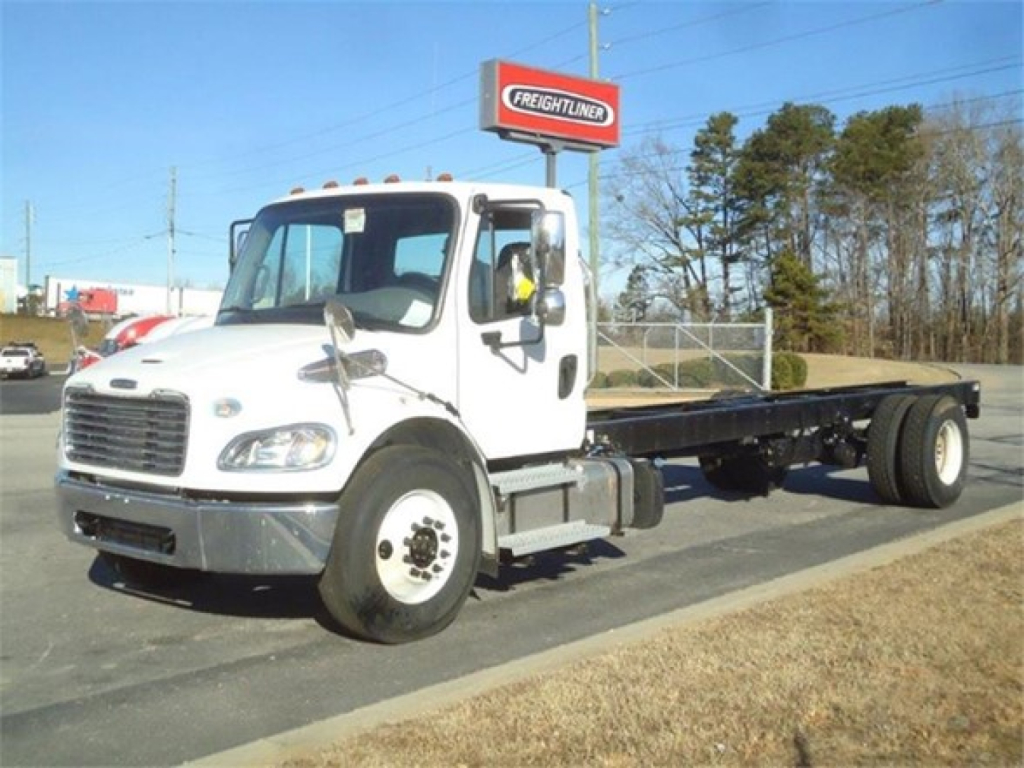
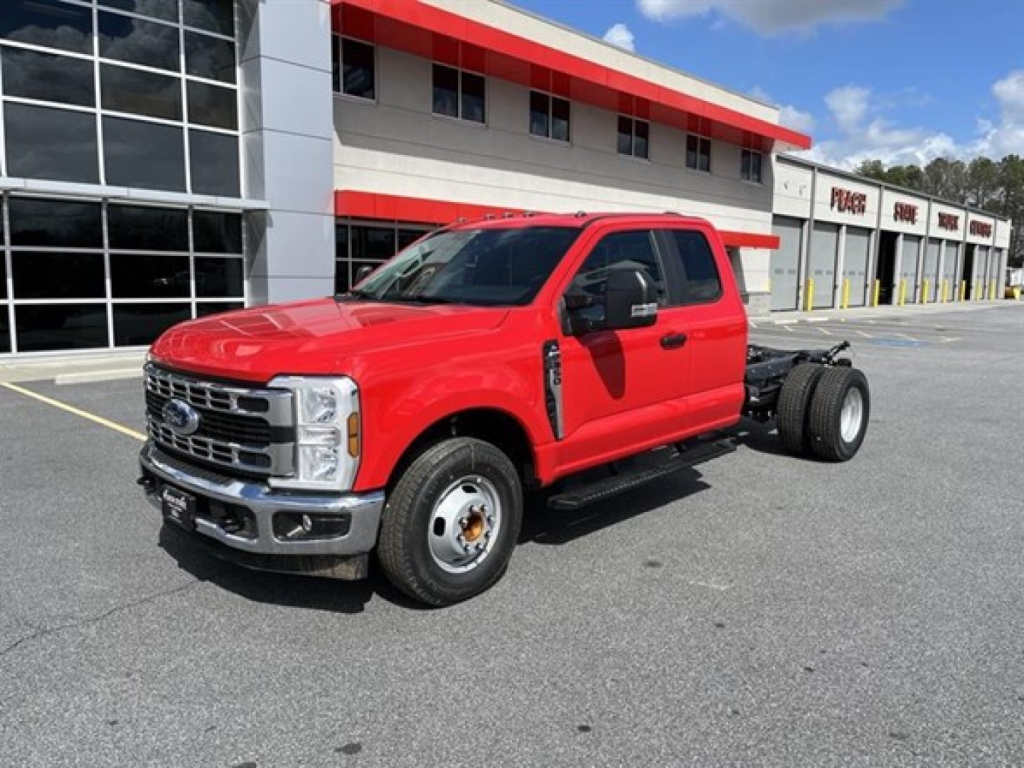
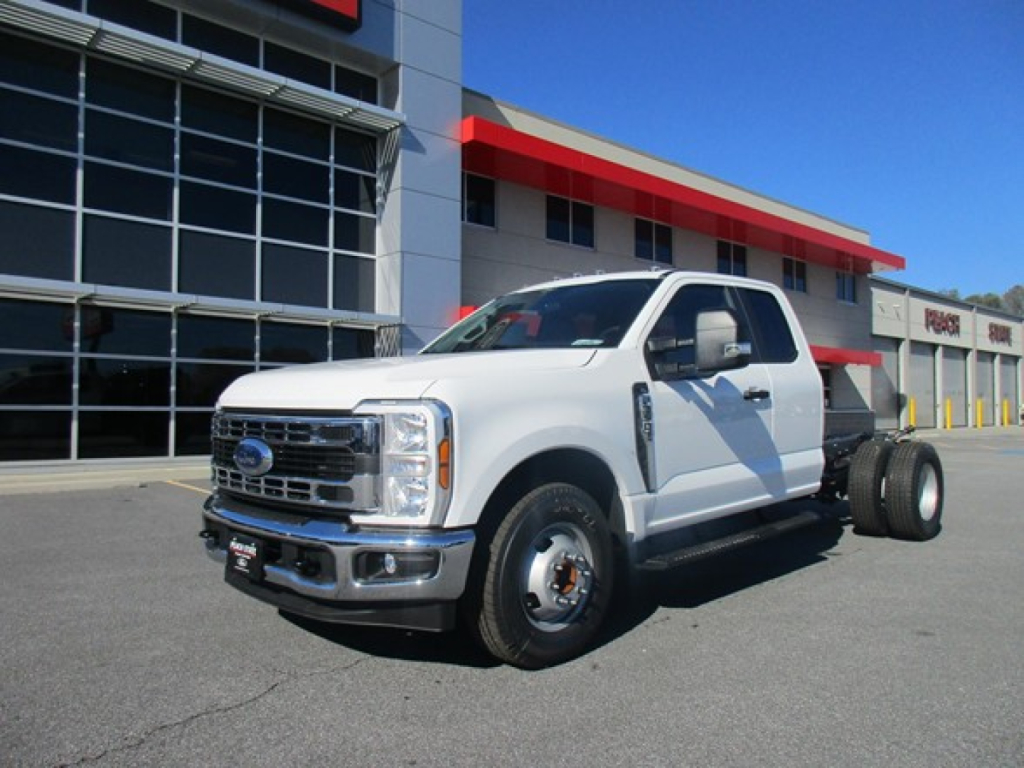
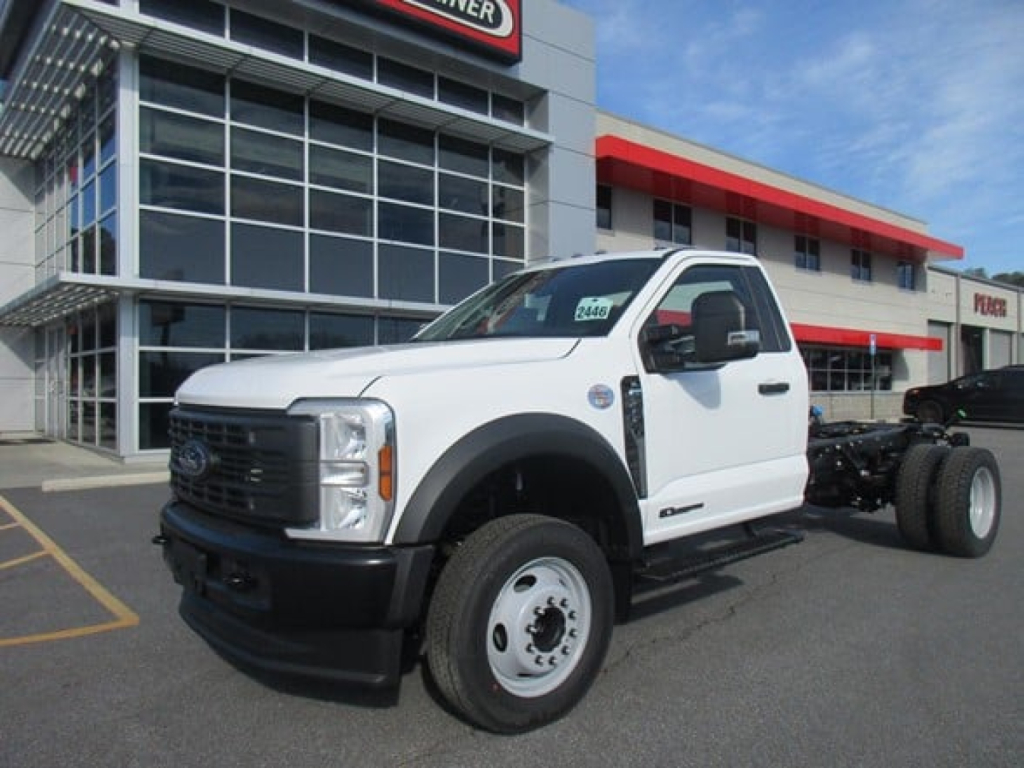
Have 2026 cab and chassis truck to sell? List it here to reach thousands of buyers.
2026 Cab and Chassis Trucks in Georgia
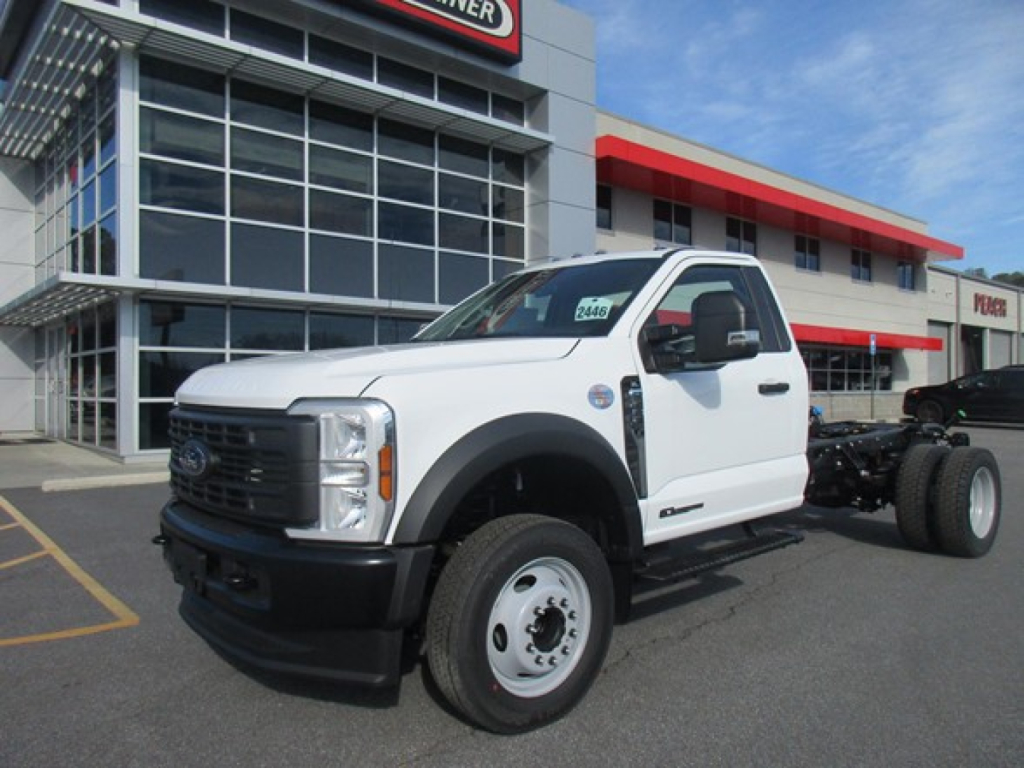
The biggest dividing line in this category is between pickup-based cab and chassis models and medium-duty platforms. A 2026 Ford F-350 chassis cab fits many lighter contractor, municipal, and delivery applications, especially when paired with a service body, small dump, or platform bed. Medium-duty models such as a Freightliner M2 106 move into higher GVWR classes, larger body lengths, stronger front axle capacities, air brake configurations, diesel torque, and PTO-driven equipment. Buyers should compare axle ratings, suspension type, frame strength, fuel type, transmission setup, and cab configuration before they compare cosmetics. Regular cab, Super Cab, and crew cab layouts all affect available body space and turning radius.
Upfit compatibility is where good cab and chassis buying decisions are made. Check frame rail spacing, clear back-of-cab dimensions, fuel tank placement, exhaust routing, and whether the truck is ordered with PTO provisions, trailer brake controller, upfitter switches, and body-builder connections. If the truck will carry cranes, compressors, generators, or hydraulic dumps, confirm front and rear GAWR, alternator output, and transmission PTO capability. For Georgia fleets running mixed rural and metro routes, cooling performance, service access, and dealer support matter just as much as headline horsepower. Gas engines can make sense for lower annual miles and simpler maintenance, while diesel power remains the better fit for heavier loads, frequent towing, and sustained vocational duty cycles.
A strong 2026 cab and chassis truck should be matched to the body, payload, and route profile from day one. Buyers comparing listings should pay close attention to wheelbase, intended body length, single-rear-wheel versus dual-rear-wheel configuration on lighter chassis, and CDL implications as GVWR climbs. The right spec gives the upfitter a clean starting point and gives the owner a truck that works correctly after the body is installed, not one that needs rework after delivery.
Frequently Asked Questions about 2026 Cab and Chassis Trucks in Georgia
What is a cab and chassis truck used for?
A cab and chassis truck is an incomplete truck designed to receive a vocational body. Common uses include flatbeds, service trucks, utility bodies, dump beds, stake bodies, box vans, wreckers, and specialty municipal equipment. The buyer is choosing the chassis as the foundation for the final application, so body length, payload, PTO needs, and axle capacity should be decided before purchase.
How do I choose the right wheelbase for a cab and chassis truck?
Wheelbase selection should be based on the body length and weight distribution required for the finished truck. Too short can limit body options and create balance issues, while too long can hurt maneuverability and add unnecessary weight. Buyers should verify wheelbase along with CA, or cab-to-axle, because upfitters use those measurements to determine whether a specific body will fit properly on the frame.
Is a gas or diesel engine better for a 2026 cab and chassis truck?
Gas engines are often a practical choice for lighter-duty work, lower annual mileage, and operations that prioritize lower upfront cost and simpler emissions systems. Diesel engines usually make more sense for heavier payloads, towing, PTO-intensive applications, and trucks that spend long hours under load. The right answer depends on duty cycle, idle time, terrain, and expected service life rather than fuel type alone.
What specs matter most when buying a cab and chassis for an upfit?
The most important specs are GVWR, front and rear GAWR, wheelbase, cab-to-axle, frame dimensions, engine and transmission pairing, and any PTO or body-builder provisions. Buyers should also check cab style, fuel tank placement, exhaust layout, electrical capacity, brake type, and suspension. These details determine whether the chassis can accept the intended body without modification and whether it will still meet legal weight limits once equipped.
Do I need a CDL for a cab and chassis truck?
CDL requirements depend on the truck's GVWR, the combined weight with any trailer, and the specific application. Many lighter chassis cab trucks can be operated without a CDL, while medium-duty and heavier vocational builds may cross CDL thresholds once the body and equipment are installed. Buyers should confirm the final completed-vehicle weight and review Georgia and federal licensing rules before selecting a chassis.