
2017 Commercial Trucks For Sale in Georgia
Browse 2017 trucks for sale in Georgia, including medium-duty and heavy-duty models for delivery, vocational, regional, and fleet use.
Selling a 2017 commercial truck? List your 2017 commercial truck for sale and reach thousands of commercial buyers.
2017 Commercial Trucks in Georgia
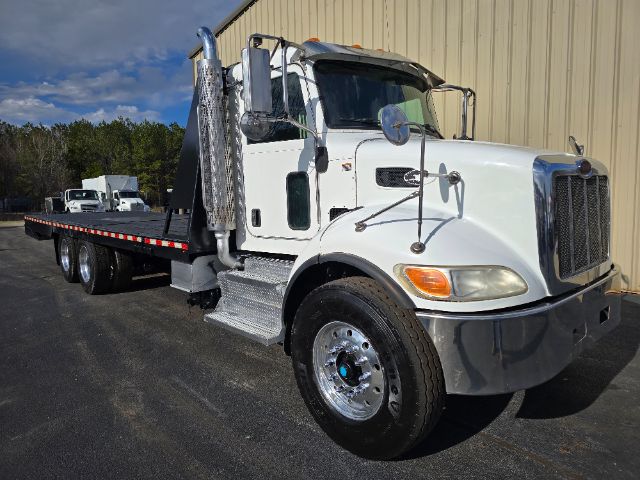
For medium-duty 2017 trucks, pay close attention to GVWR, wheelbase, axle rating, body length, and CDL threshold. Many buyers target non-CDL configurations at 25,999 lb GVWR for box truck, flatbed, landscape, and service applications. Wheelbase matters because it determines what body can be installed and how the truck maneuvers on tight urban routes. Diesel engines from this model year are common, paired with automatic or automated transmissions that suit stop-and-go service. On flatbeds and stake bodies, details like hitch type, stake pockets, floor condition, and rear axle capacity matter as much as engine output.
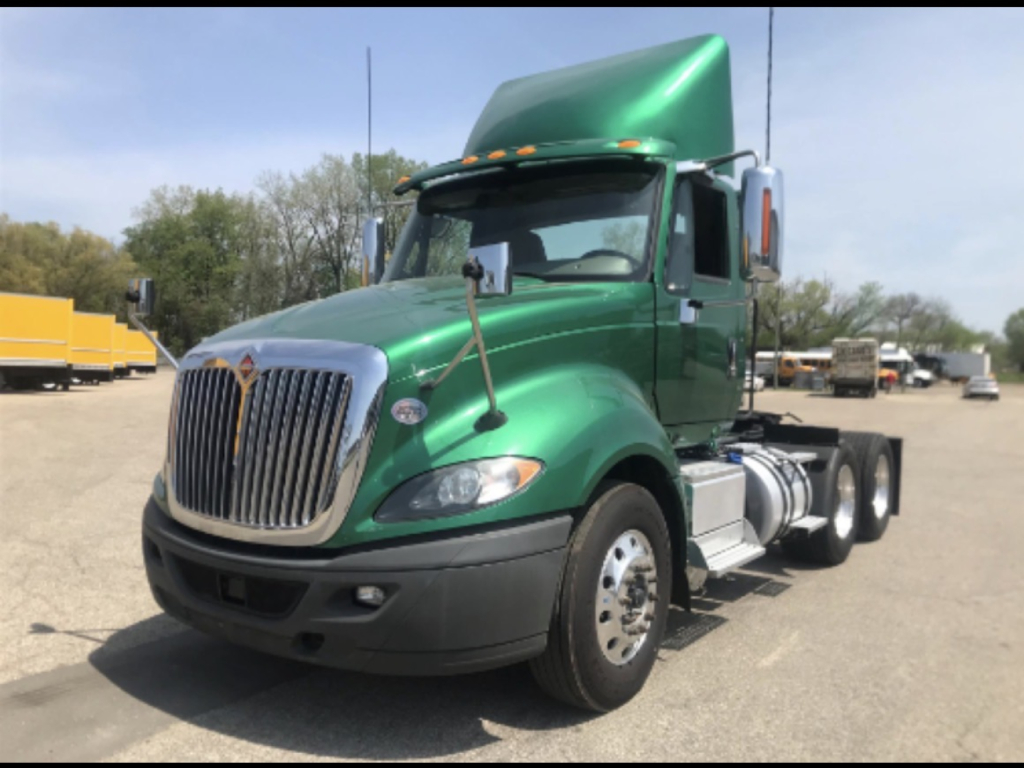
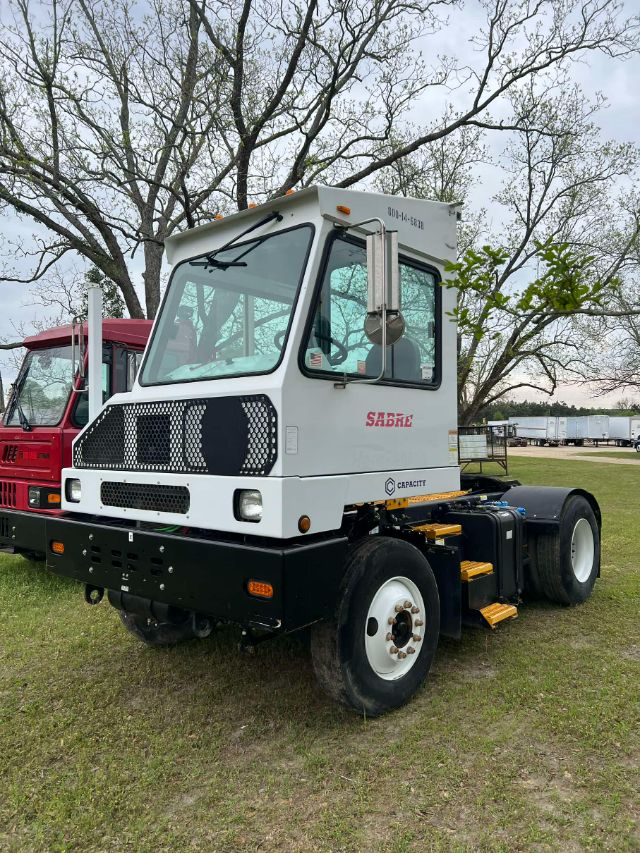
For heavy-duty 2017 trucks, focus on the intended duty cycle and drivetrain spec. A day cab for regional hauling or port drayage should be evaluated on horsepower, torque, transmission type, suspension, axle configuration, and wheelbase. A sleeper tractor adds considerations such as bunk size, fuel capacity, fairings, and expected idle time. Buyers in Georgia also tend to consider cooling system condition, A/C performance, and corrosion history, especially on trucks that have stayed in the Southeast versus units from harsher winter road salt regions. If the truck is a vocational or yard application, look closely at frame condition, hydraulic or PTO provisions, turning radius, and hours in addition to mileage.
Condition and documentation usually separate a good 2017 truck from a costly one. Service records, engine hours, aftertreatment history, brake and tire condition, suspension wear, and signs of prior overloading all deserve attention. On diesel units, it is smart to verify DPF, DEF, EGR, and regeneration performance, since emissions-related downtime can erase any upfront savings. A well-matched 2017 truck still offers solid earning potential for fleets, owner-operators, contractors, and local businesses that need dependable capability with a lower acquisition cost than new equipment.
Frequently Asked Questions about 2017 Commercial Trucks in Georgia
What should I look for when buying a 2017 truck in Georgia?
Start with the truck’s actual job application, then confirm the GVWR, axle ratings, wheelbase, and body or fifth-wheel setup fit that work. After that, review maintenance records, engine hours, mileage, brake and tire condition, and any signs of frame damage or chronic overloading. On 2017 diesel trucks, emissions-system health is especially important, so buyers should verify the condition of the DPF, DEF, and EGR systems and look for a clean service history related to regenerations and fault codes.
Is a 2017 truck too old for commercial use?
No. A 2017 truck can still be a productive commercial asset if the spec matches the operation and the unit has been maintained correctly. Many 2017 trucks remain in active fleet service because they offer a useful balance of purchase price, capability, and parts support. The real issue is not age alone but maintenance quality, prior duty cycle, total hours, and the condition of the powertrain, chassis, and emissions equipment.
Are 2017 medium-duty trucks commonly available in non-CDL configurations?
Yes. Many 2017 medium-duty trucks were built with a 25,999 lb GVWR to stay under CDL requirements for certain operations. That makes them common choices for delivery, flatbed, landscaping, rental, and contractor use. Buyers should still confirm local licensing, payload needs, and body weight, because an under-CDL rating can limit legal carrying capacity once a heavier upfit or cargo is added.
What is the biggest risk on a used 2017 diesel truck?
The biggest risk is often deferred maintenance, especially around the emissions system and drivetrain. A truck may look clean and still have expensive issues involving DPF restriction, DEF components, EGR faults, turbo wear, transmission problems, or neglected cooling system service. A pre-purchase inspection with an electronic scan, fluid review, and undercarriage inspection is one of the best ways to avoid buying a truck that will need major repairs shortly after purchase.
Does location in Georgia matter when evaluating a used 2017 truck?
Yes. Georgia trucks are often attractive because many have operated in a milder climate with less exposure to road salt than trucks from northern states. That can mean less corrosion on frames, brake components, wiring, and cab structures. Buyers should still inspect for rust, but regional history can be an advantage, especially on older vocational and medium-duty trucks where chassis condition is a major value factor.