
2007 Commercial Trucks For Sale in Georgia
Browse 2007 trucks for sale in Georgia, including Class 8 day cabs and sleepers with common engine, axle, and drivetrain specs buyers compare.
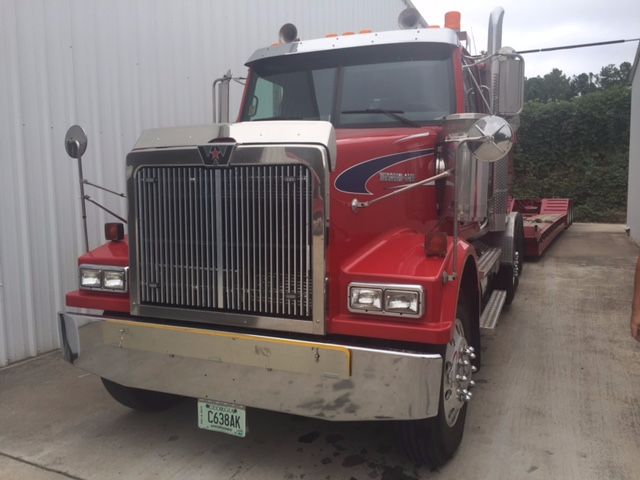

Have 2007 commercial truck to sell? List it here to reach thousands of buyers.
2007 Commercial Trucks in Georgia
The biggest buying decision on a 2007 truck is usually the engine and emissions package. This model year sits near a major emissions transition, so buyers need to confirm whether the truck is pre-DPF or equipped with early diesel particulate filter systems, depending on build date and engine family. That affects maintenance cost, diagnostic complexity, and parts planning. Common engines from this era include Detroit Series 60 and early DD platforms, Caterpillar C13 or C15 in some applications, Cummins ISX and ISC families, and Mack, Volvo, or Mercedes engines depending on make. Transmission choices are often 10-speed, 13-speed, and 18-speed manuals, with some automated manuals and Allison automatics in vocational units. Rear axle ratios, suspension type, wheelbase, and front axle capacity matter just as much as horsepower because they determine whether the truck is suited for highway use, stop-and-go work, heavy payloads, or PTO-driven equipment.
Condition matters more than age alone on a 2007 truck. A buyer should look closely at engine overhead history, blow-by, coolant condition, injector and turbo service, clutch wear, differential noise, suspension bushing condition, frame integrity, and signs of prior corrosion or poor repairs. In Georgia, heat, humidity, and regional hauling patterns can affect cab interiors, electrical systems, and cooling performance, while trucks that have spent time in northern fleets may show more undercarriage rust than local units. If the truck is a road tractor, check fifth wheel wear, kingpin area alignment, air system leaks, and tire match across the drive positions. If it is a vocational chassis, verify PTO operation, body mounting, hydraulic lines, and axle ratings against the intended job.
For many buyers, the right 2007 truck is one with a proven drivetrain, a clean title history, and a spec that fits the work without expensive reconfiguration. A day cab with a shorter wheelbase may suit port, yard, and metro freight, while a sleeper with taller gearing and larger fuel capacity is better for regional lanes. Buyers comparing listings should pay attention to GVWR, tandem versus single axle layout, brake type, suspension, and any recent major repairs. A lower-cost truck can become expensive quickly if emissions components, tires, brakes, or driveline work are overdue, so the best purchase is usually the one with the strongest service records and the closest match to the intended application.
Frequently Asked Questions about 2007 Commercial Trucks in Georgia
What should I check first on a 2007 truck before buying?
Start with the engine family, emissions equipment, and maintenance records. On a 2007 truck, the difference between a pre-DPF configuration and an early emissions setup can change operating cost and repair complexity. After that, inspect the transmission, rear ends, suspension, frame, brakes, tires, and air system. Service history for overhead adjustments, injectors, turbocharger work, clutch replacement, and cooling system repairs is especially important on trucks of this age.
Are 2007 trucks good for over-the-road use?
They can be, but only if the spec and condition support that application. A 2007 sleeper tractor with the right wheelbase, fuel capacity, axle ratio, and recent drivetrain work can still serve in regional or over-the-road freight. Buyers should be realistic about downtime risk, parts availability for certain engine platforms, and the comfort gap versus newer trucks. Many 2007 units are better suited to shorter lanes or secondary fleet roles unless they have been exceptionally well maintained.
Why does emissions equipment matter so much on a 2007 truck?
The 2007 model year lines up with a major emissions change in the heavy-duty market. Some trucks from this period have early diesel particulate filter systems, while others may fall on the simpler side of the transition depending on build date and engine. Early emissions systems can bring higher diagnostic demands and added maintenance cost if they were neglected. Confirming the exact engine serial information and emissions configuration helps avoid surprises after purchase.
What specs matter most when comparing 2007 trucks in Georgia?
The most important specs depend on the job, but buyers usually compare engine make, horsepower, transmission type, axle ratio, wheelbase, suspension, and axle ratings first. For freight tractors, a 6x4 tandem setup, fifth wheel condition, and fuel capacity are major factors. For vocational trucks, PTO compatibility, front axle capacity, frame layout, and body or equipment integration matter more. Georgia buyers also tend to pay close attention to cooling system health and air conditioning performance because of the climate.
Is higher mileage a deal breaker on a 2007 truck?
Not by itself. Mileage has to be judged alongside engine hours, application history, maintenance quality, and rebuild or repair records. A higher-mileage truck with documented service, strong oil analysis history, and recent major component work can be a better buy than a lower-mileage truck with poor records and deferred maintenance. On a 2007 truck, condition and documentation usually tell the real story better than the odometer alone.