
2012 Commercial Trucks For Sale in Georgia
Browse 2012 trucks for sale in Georgia, including day cabs, sleepers, dumps, yard tractors, and vocational trucks for regional or heavy-duty work.
Selling a 2012 commercial truck? List your 2012 commercial truck for sale and reach thousands of commercial buyers.
2012 Commercial Trucks in Georgia
For over-the-road and regional work, many 2012 conventional trucks were spec'd with engines in the 400 to 500 horsepower range, 10-speed or automated transmissions, and rear axle ratios chosen for either fuel economy or startability. Day cabs in this year range are common for short-haul, port, dedicated route, and distribution work around Atlanta, Savannah, Macon, and major I-75 and I-85 corridors. Sleeper trucks from 2012 can still make sense for smaller fleets and owner-operators if the mileage, idle hours, and aftertreatment service history line up with the asking price. Buyers should pay attention to wheelbase, fifth wheel travel, suspension type, front axle rating, and whether the truck was spec'd for dry van, reefer, flatbed, tanker, or intermodal service.
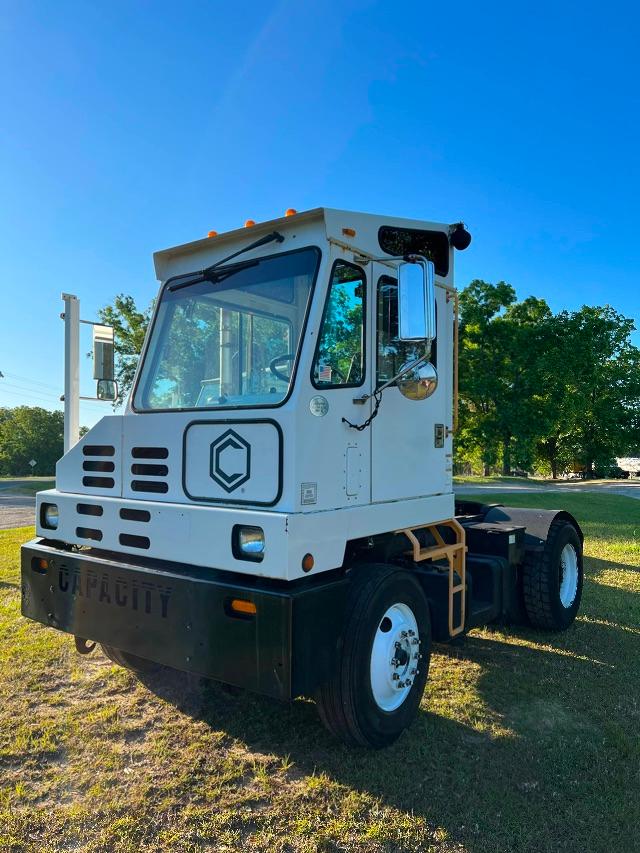
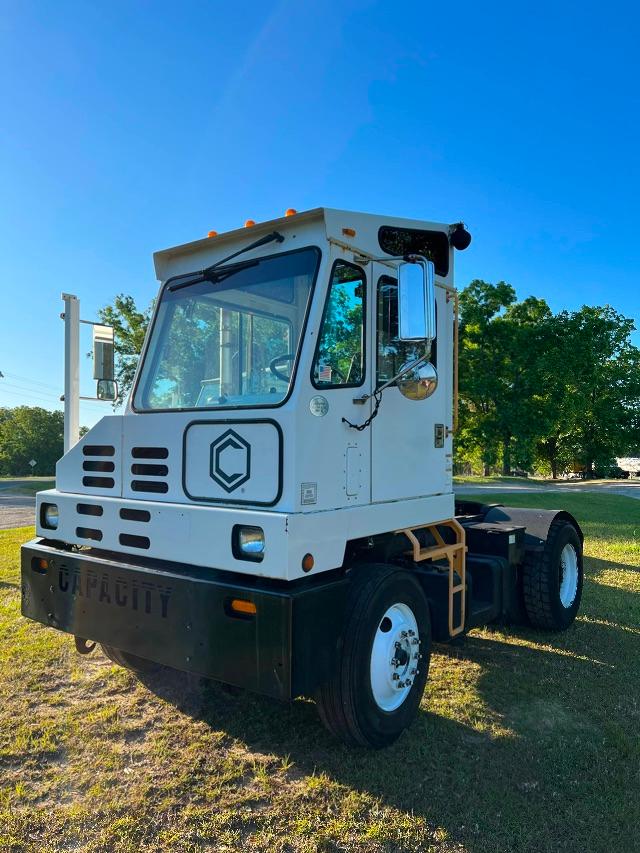
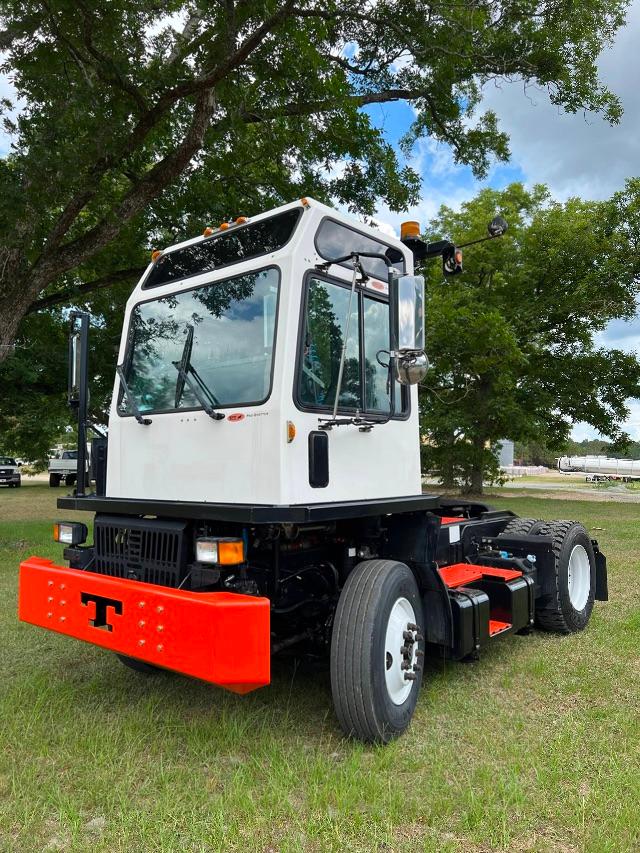
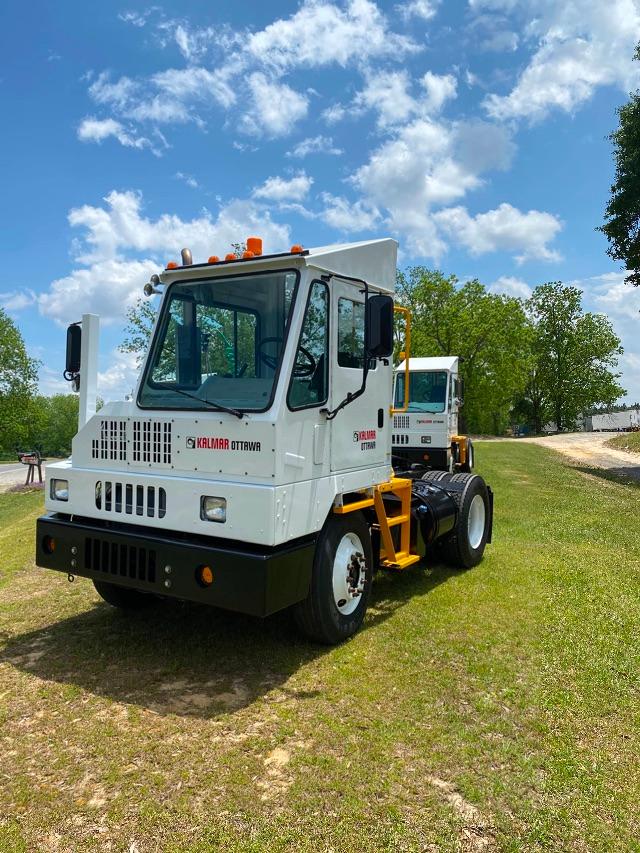
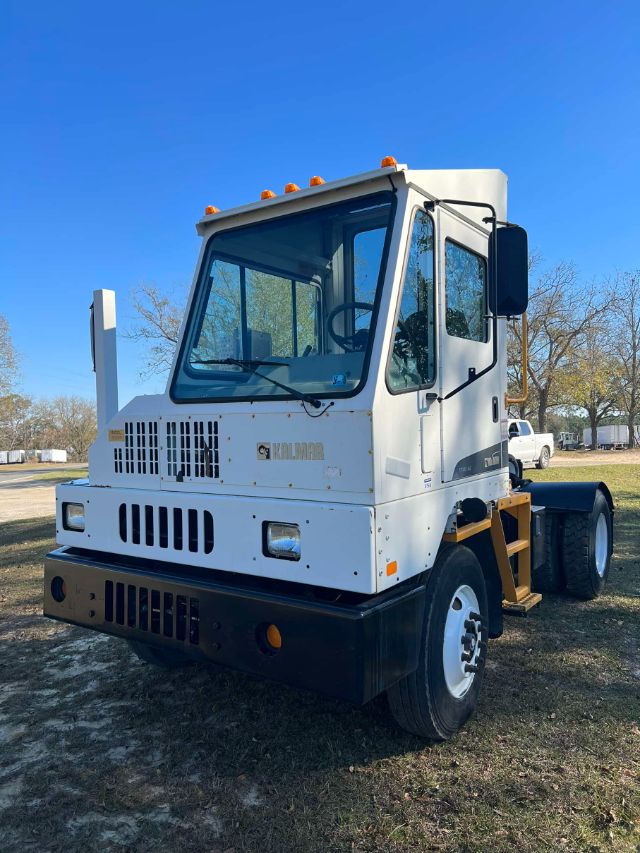
On the vocational side, 2012 trucks cover a broad range of dump, service, roll-off, hooklift, utility, and yard applications. A dump truck buyer should focus on frame condition, hoist performance, body integrity, PTO operation, and whether axle ratings match intended payloads. Yard trucks, also known as terminal tractors or spotter trucks, should be evaluated for hours, hydraulic fifth wheel operation, cab entry wear, cooling system condition, and brake performance because they often live a hard stop-and-go life. In Georgia, corrosion is usually less severe than in northern states, but heat, humidity, red clay, and urban stop-start duty can still show up in wiring, cooling components, bushings, and cab interiors.
The best 2012 truck purchase is usually the one with the clearest service story and the right spec for the job, not simply the lowest-priced unit. Engine rebuild history, injector and turbo work, DPF cleaning intervals, clutch life, suspension wear, brake condition, and tire date codes matter more on a 2012 truck than cosmetic appearance alone. If the truck is headed back into revenue service, buyers should compare GVWR or GCWR, axle configuration, fuel capacity, cab layout, and maintenance access before making a decision. A properly spec'd and properly maintained 2012 truck can still deliver solid value for regional hauling, vocational work, farm use, or fleet support duty.
Frequently Asked Questions about 2012 Commercial Trucks in Georgia
What should I look for first when buying a 2012 truck?
Start with the truck’s application history, engine emissions system records, mileage or hours, and maintenance documentation. On a 2012 model, aftertreatment service is a major part of the value equation, so DPF cleanings, sensor replacements, injector work, turbo history, and DEF system repairs should be reviewed early. After that, verify axle ratings, wheelbase, transmission type, suspension, and any PTO or hydraulic equipment to make sure the truck actually matches the work you plan to do.
Are 2012 trucks still a good value for commercial use in Georgia?
Yes, many 2012 trucks still make good economic sense if they are correctly spec'd and have been maintained well. Georgia buyers often use them for regional haul, yard service, construction support, farm work, and backup fleet roles where lower capital cost matters. The tradeoff is that a 2012 truck usually requires a more careful review of engine, emissions, driveline, and chassis condition than a newer model.
Is mileage the most important factor on a 2012 truck?
No. Mileage matters, but it is only one part of the picture. A higher-mile highway tractor with complete service records can be a better buy than a lower-mile truck with poor maintenance history, excessive idle time, or unresolved emissions issues. For vocational trucks and yard tractors, hours, PTO use, stop-and-go duty, body wear, and frame condition can be just as important as odometer reading.
What types of 2012 trucks are common on the used market?
The 2012 market usually includes conventional day cabs, sleeper trucks, dump trucks, yard spotters, and other vocational chassis. Day cabs are common in local freight and port-related work, sleepers are still used in regional and long-haul service, and vocational trucks vary by body and axle setup. The right choice depends on payload, route length, maneuverability requirements, and whether the truck needs a fifth wheel, PTO, dump body, or specialty equipment.
Why does the original spec matter so much on a 2012 truck?
Original spec determines how the truck performs and what it costs to operate. Horsepower, transmission gearing, rear axle ratio, axle capacity, wheelbase, and suspension setup all affect payload, fuel economy, maneuverability, and maintenance demands. A 2012 truck built for highway fuel economy may be a poor fit for dump or heavy local work, while a vocational spec may be slower and less efficient than needed for linehaul service.