
Used Commercial Trucks For Sale in Florida
Browse used trucks for sale in Florida, including day cabs, box trucks, reefers, dumps, tow trucks, and medium-duty commercial trucks.
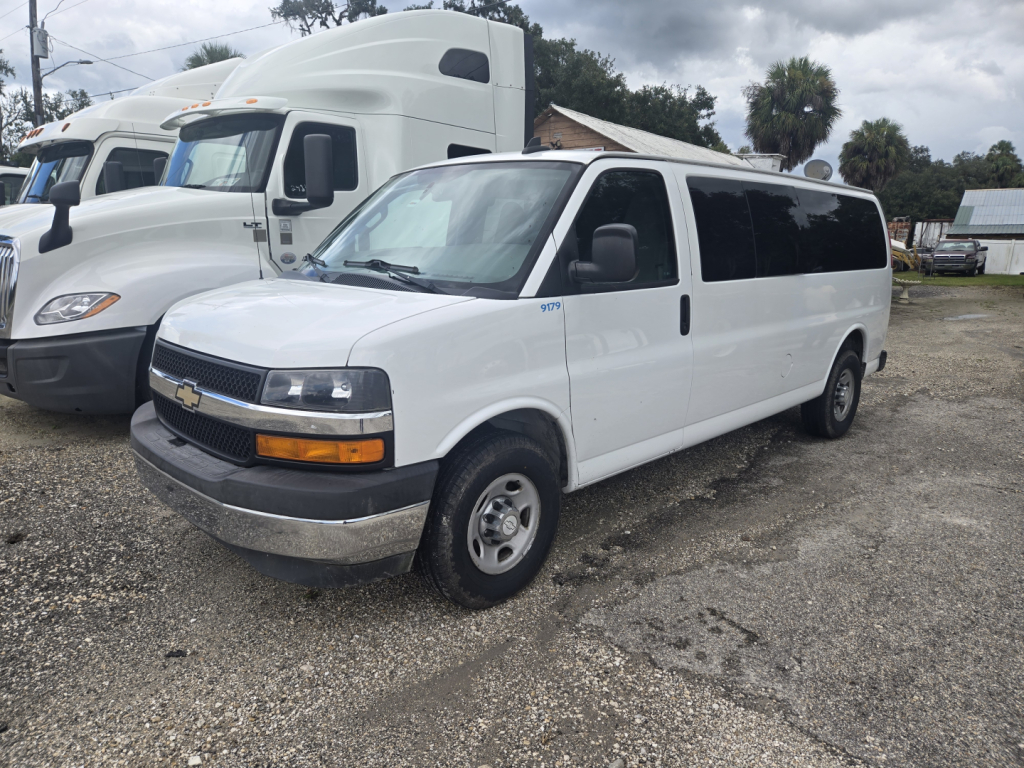
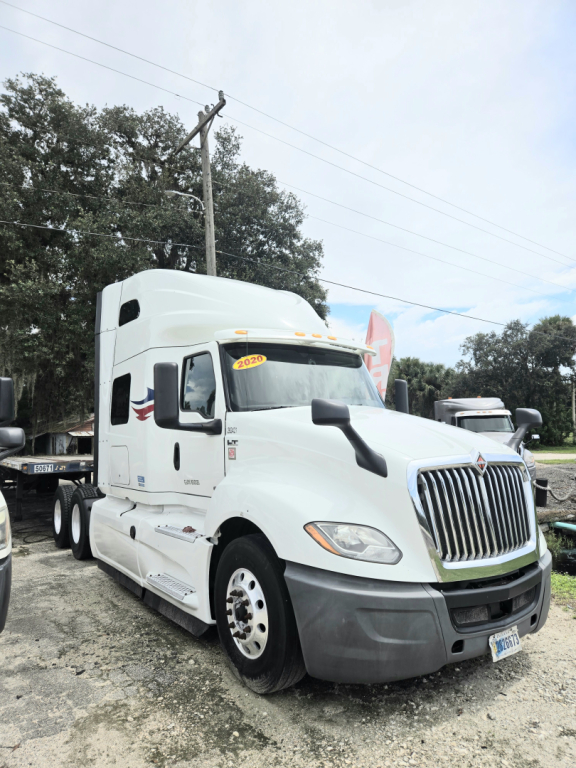
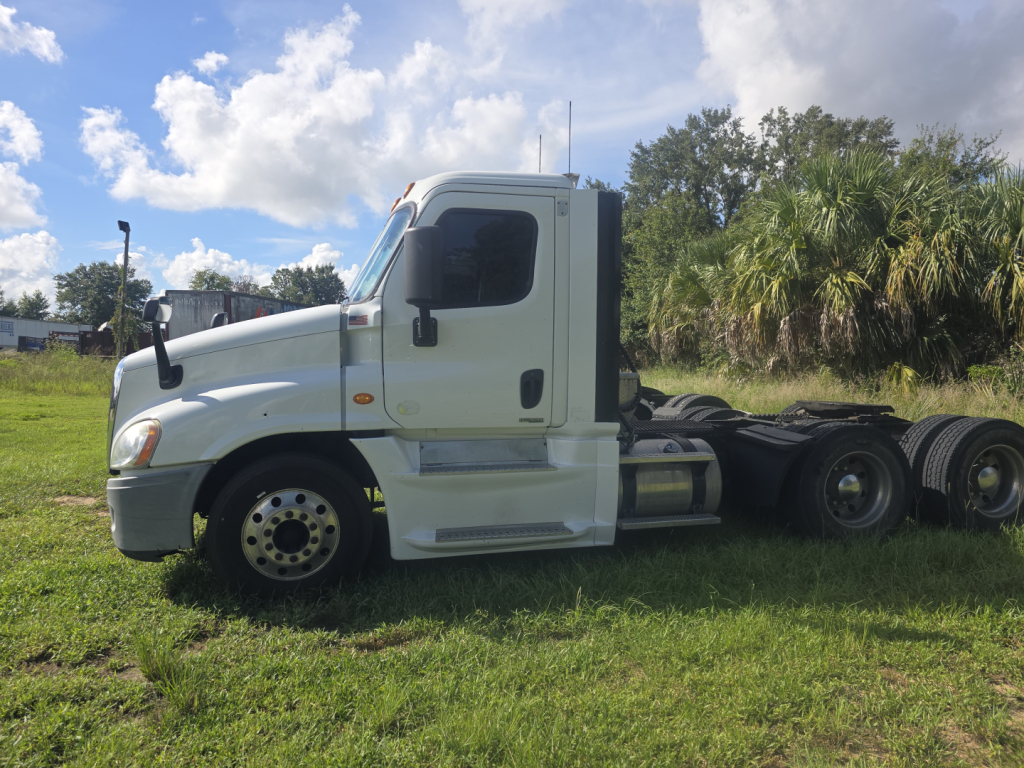
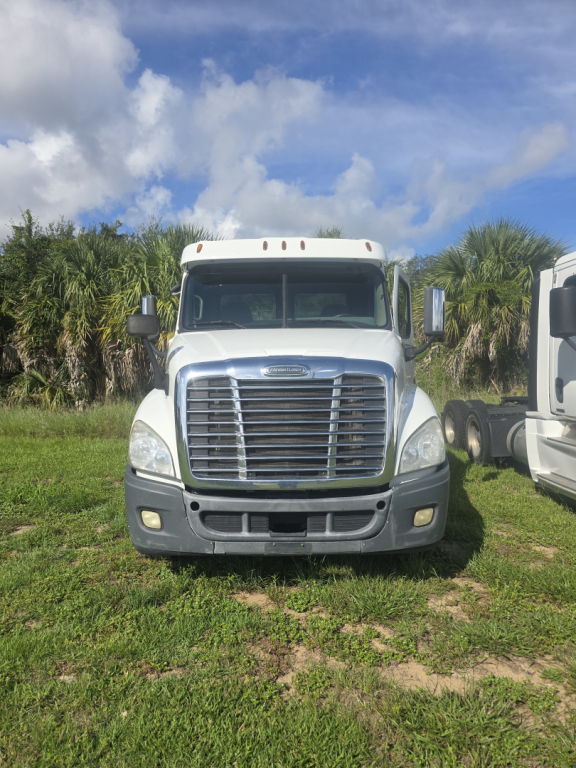
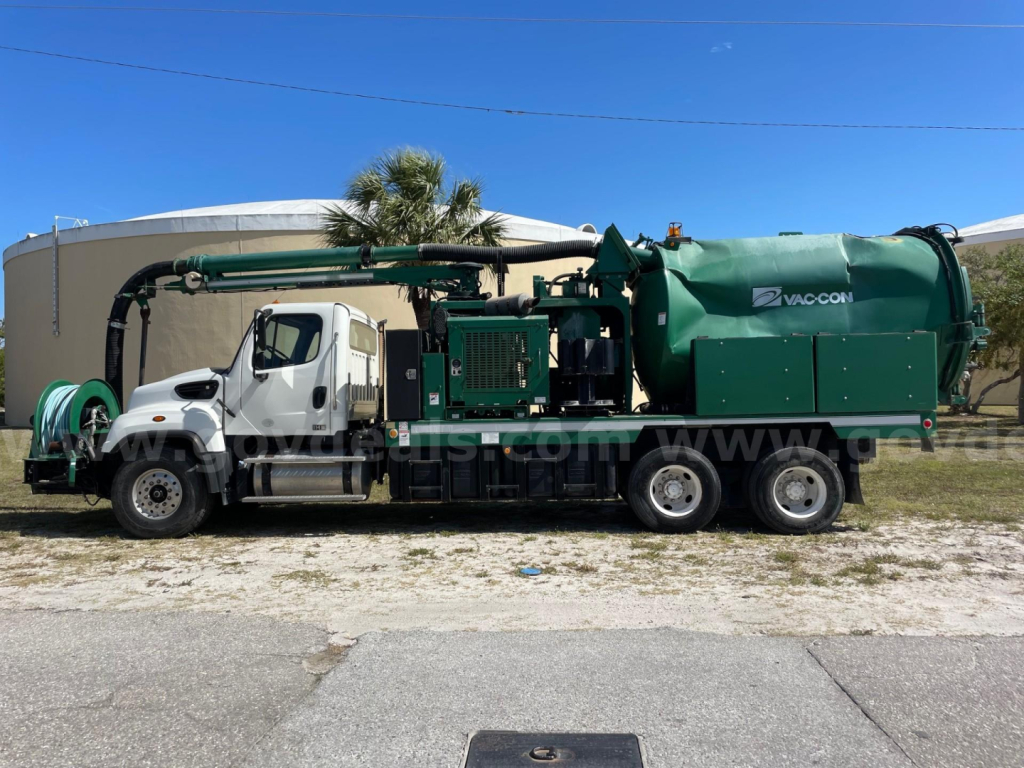
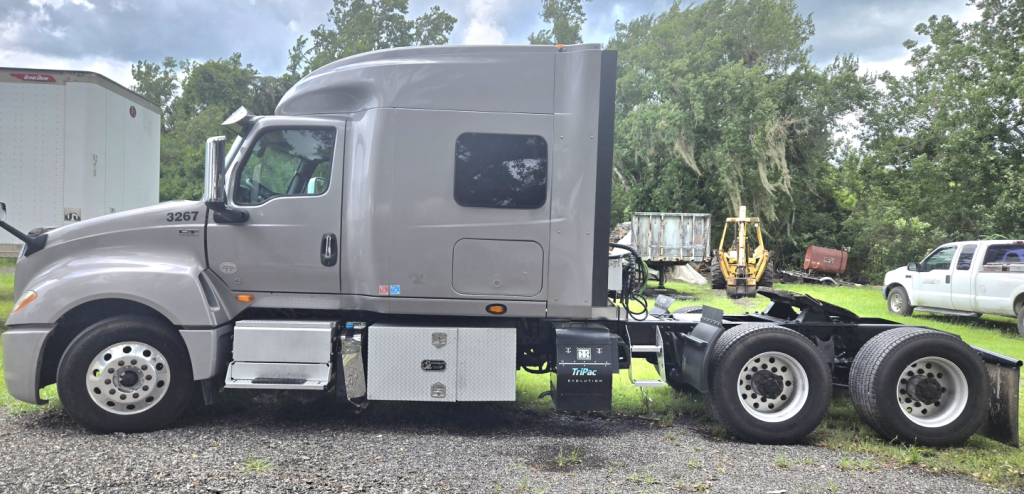
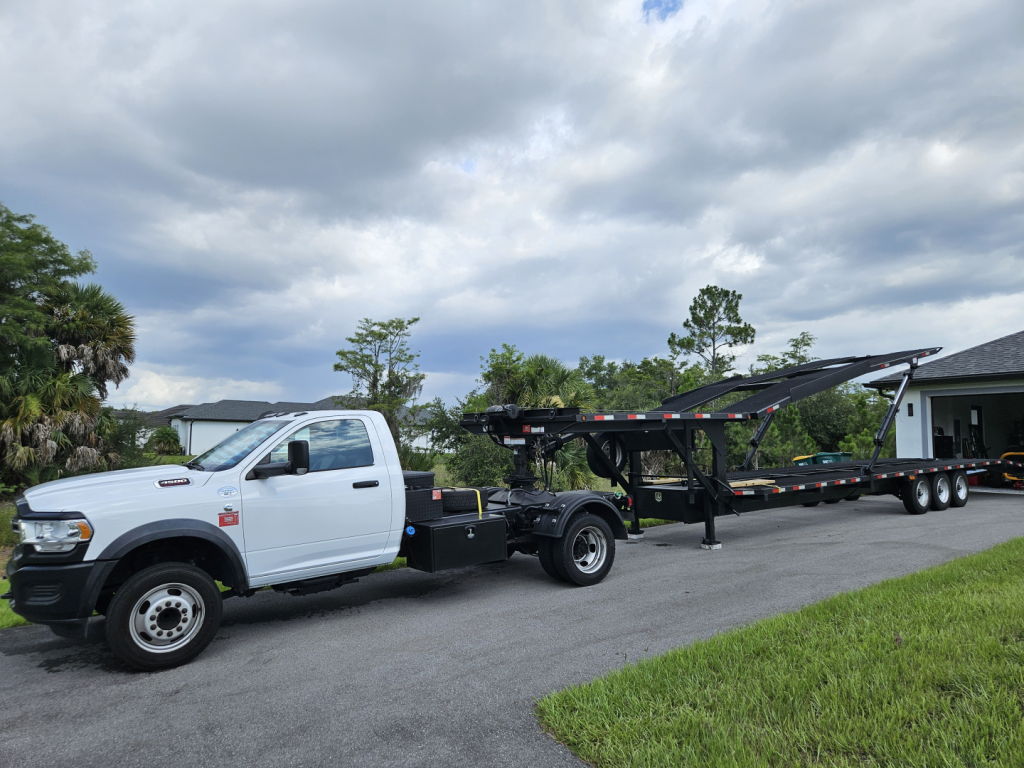
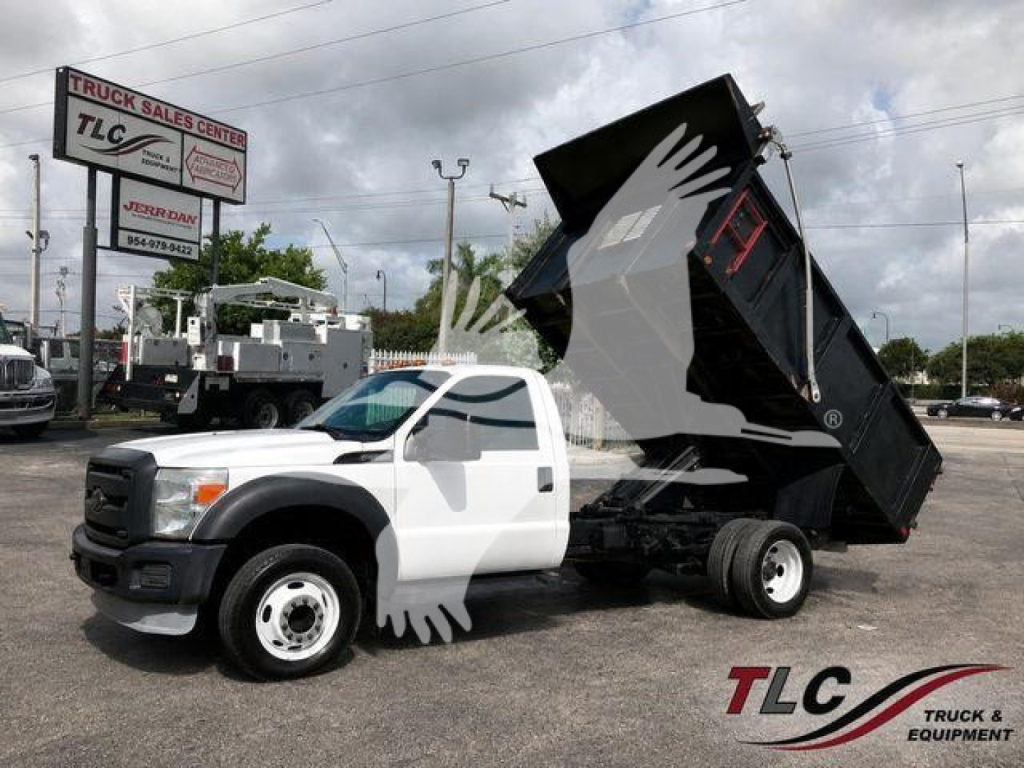
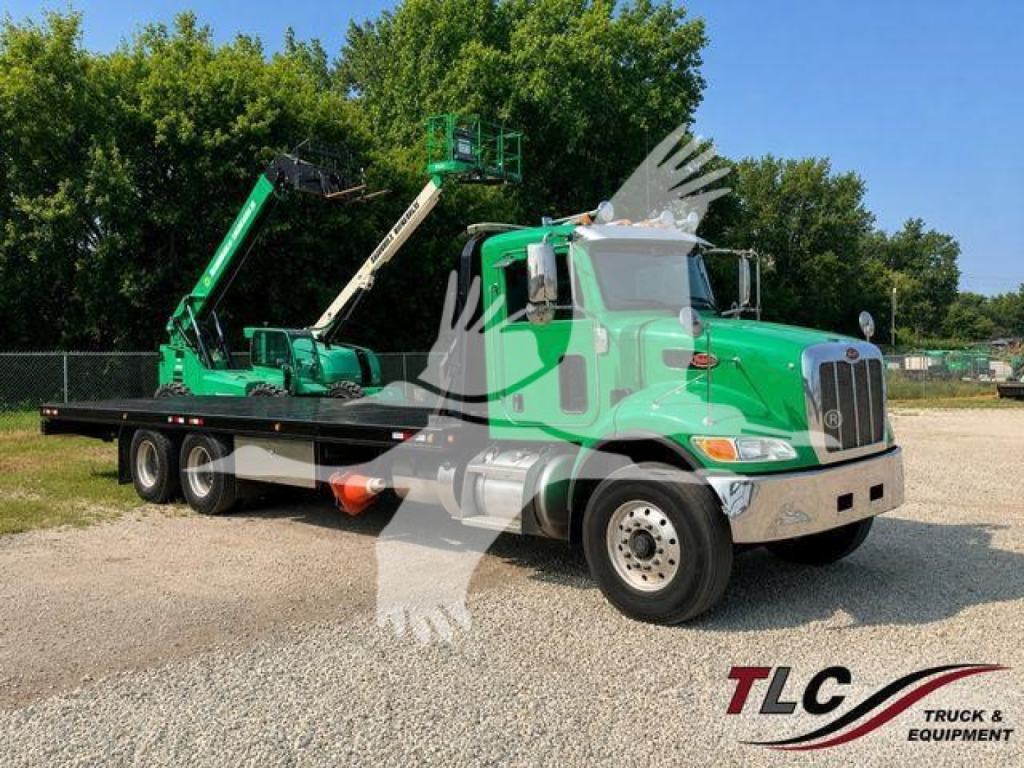
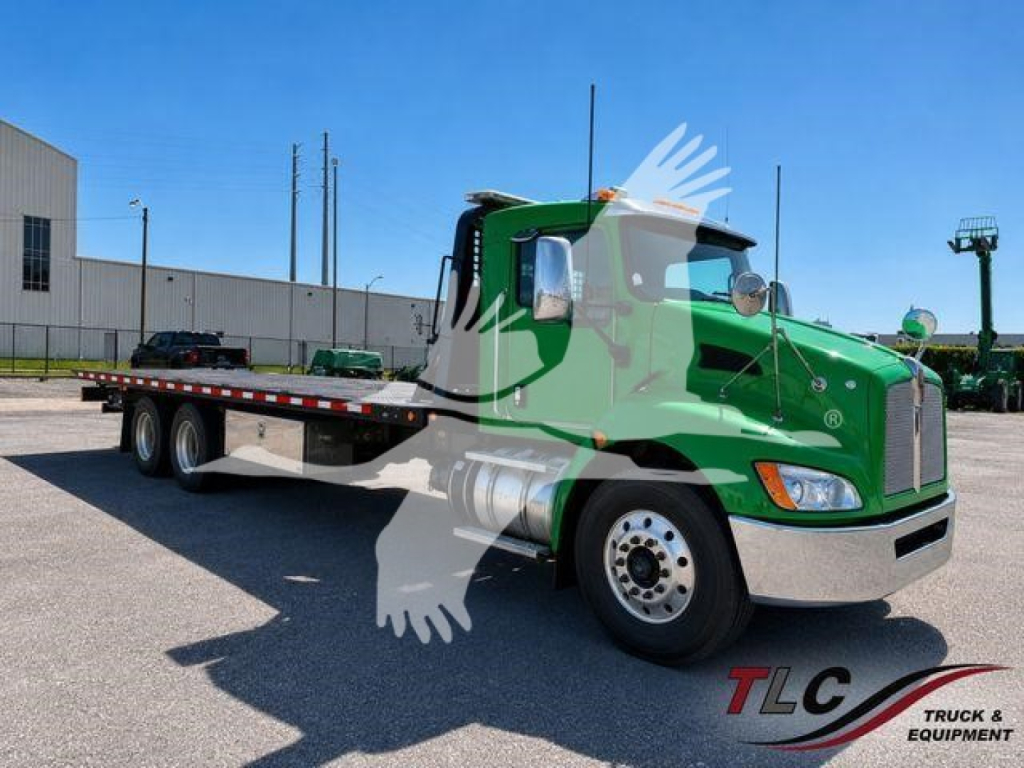
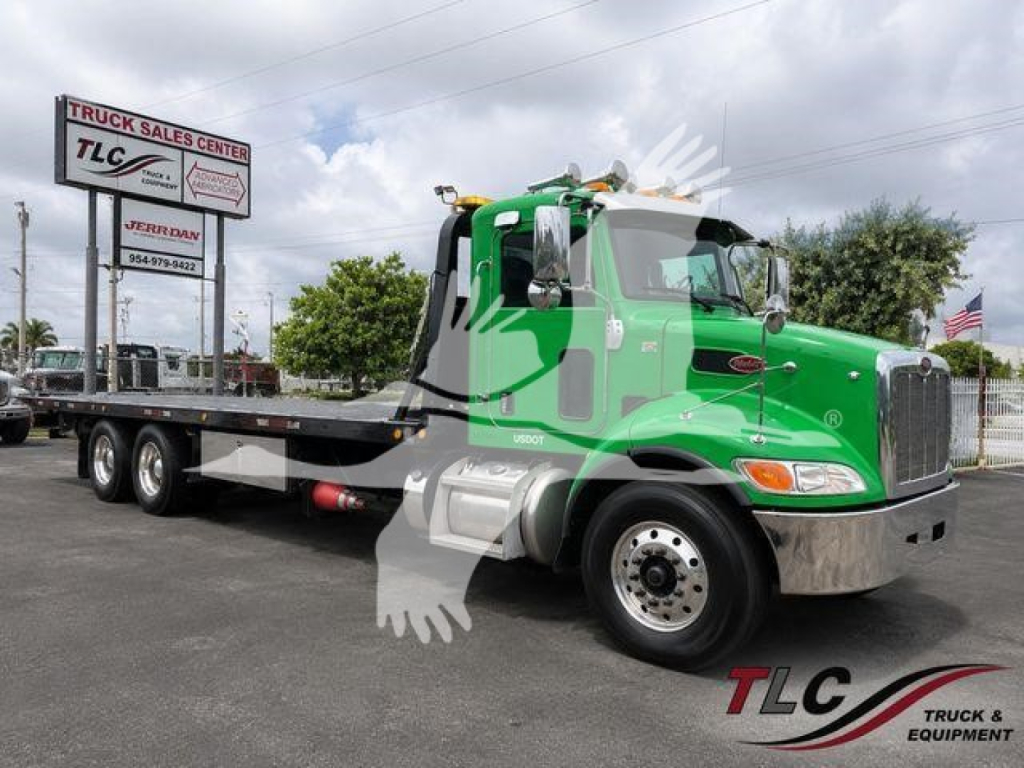
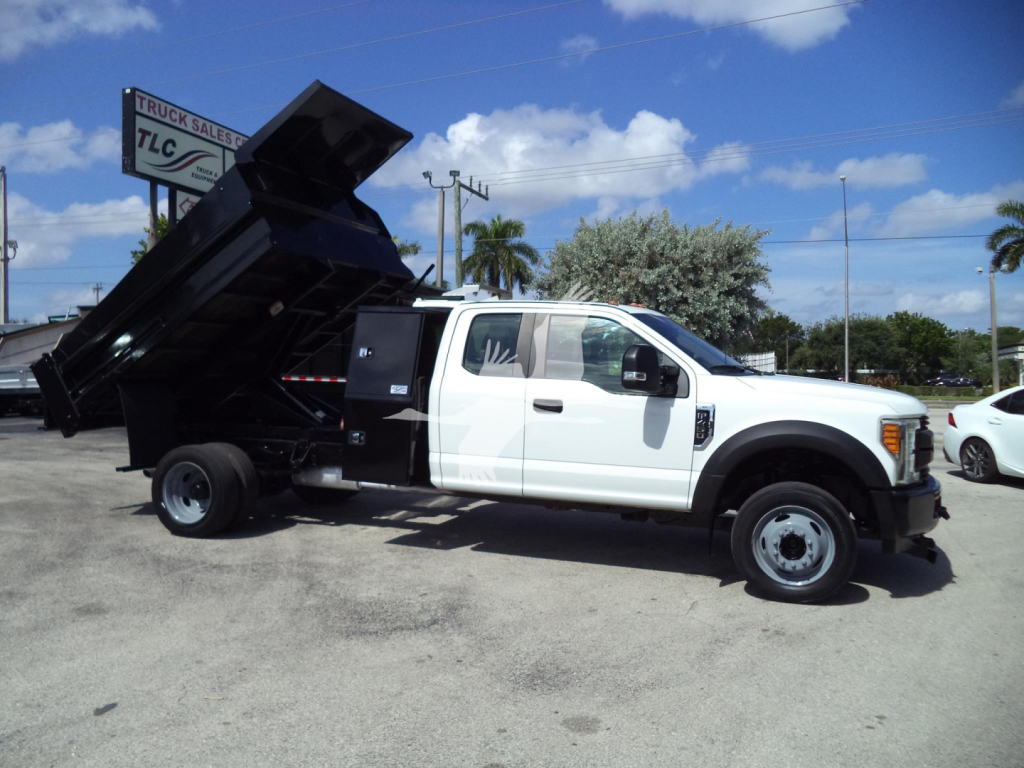
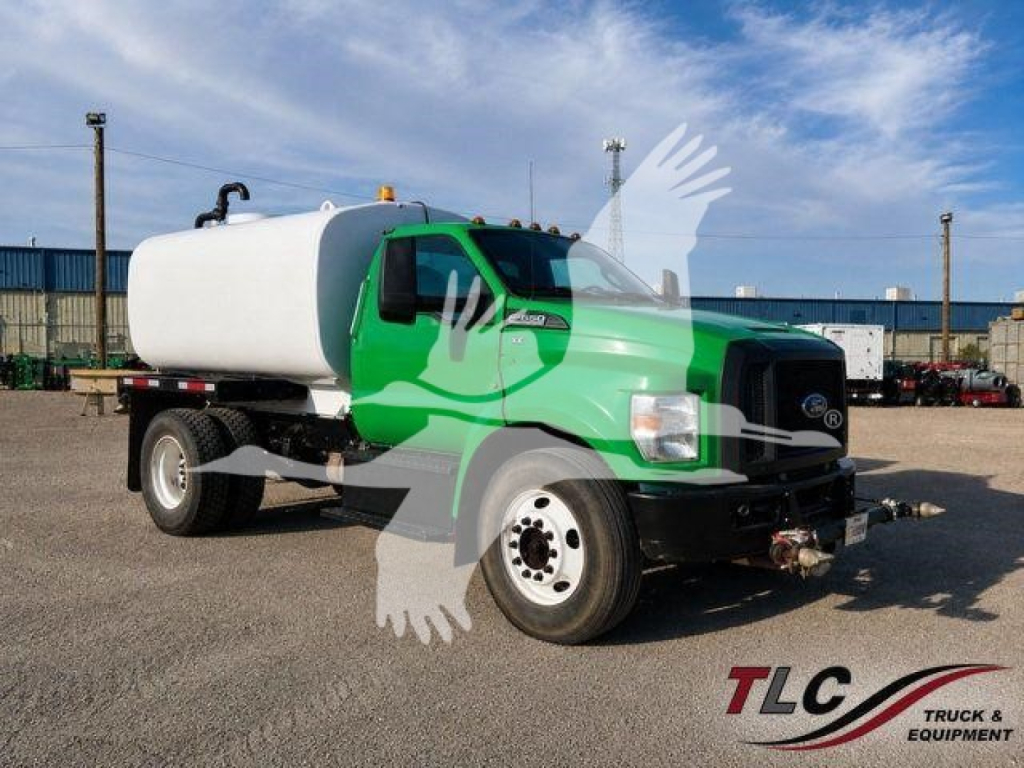
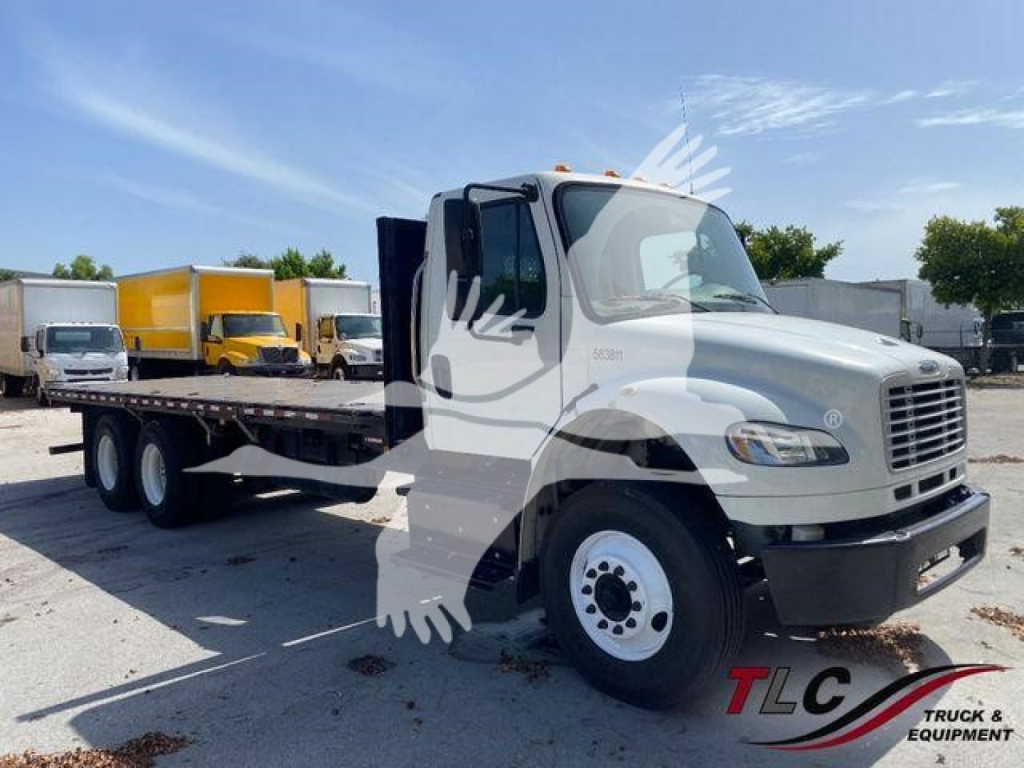
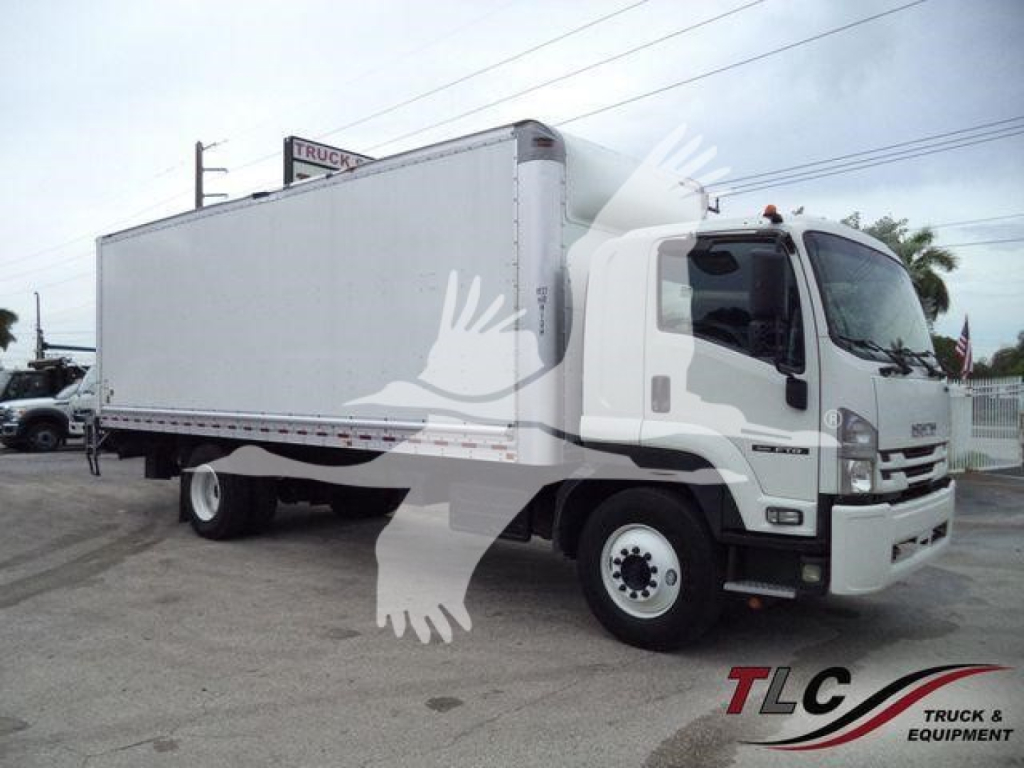
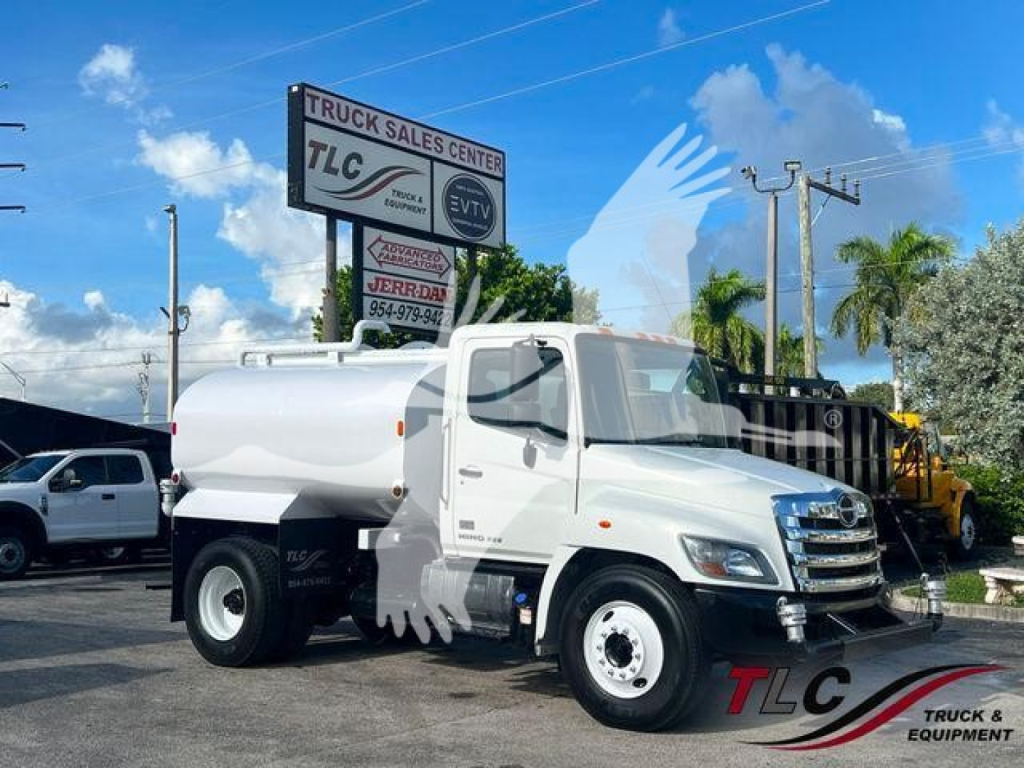
Showing 1 to 28 of 367 results
Selling a used commercial truck? List your used commercial truck for sale and reach thousands of commercial buyers.
Used Commercial Trucks in Florida
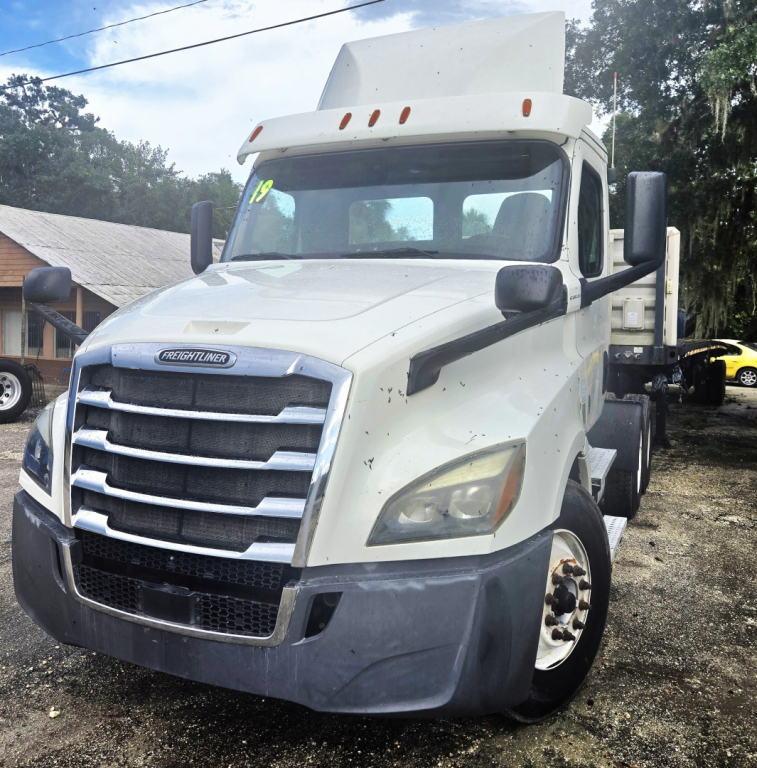
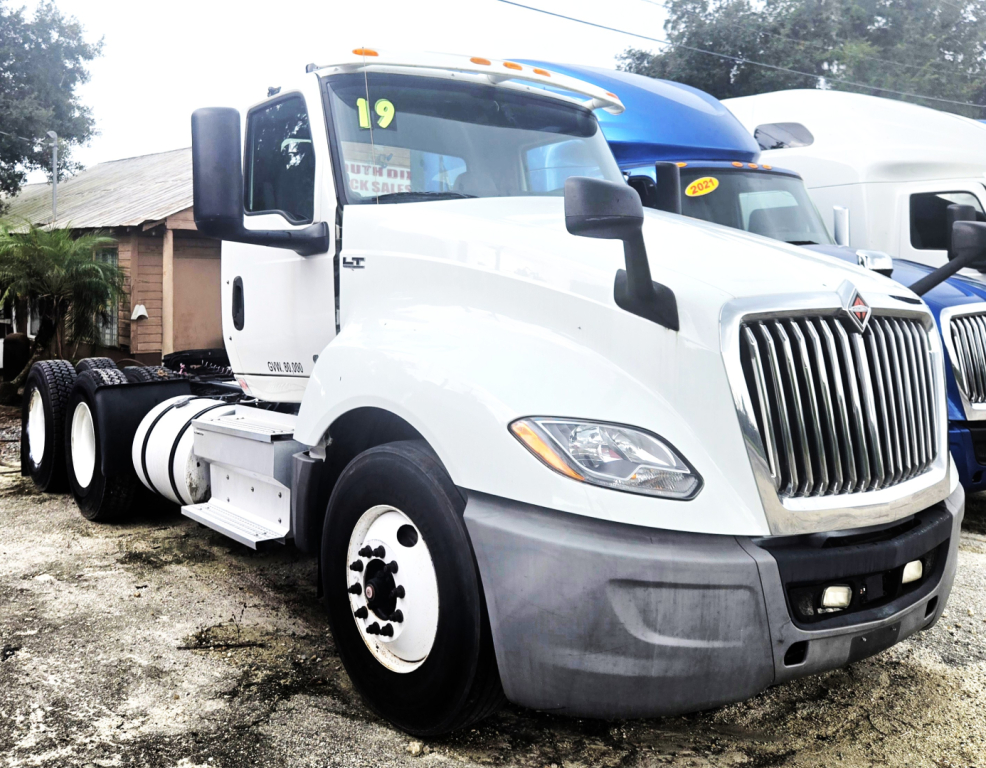
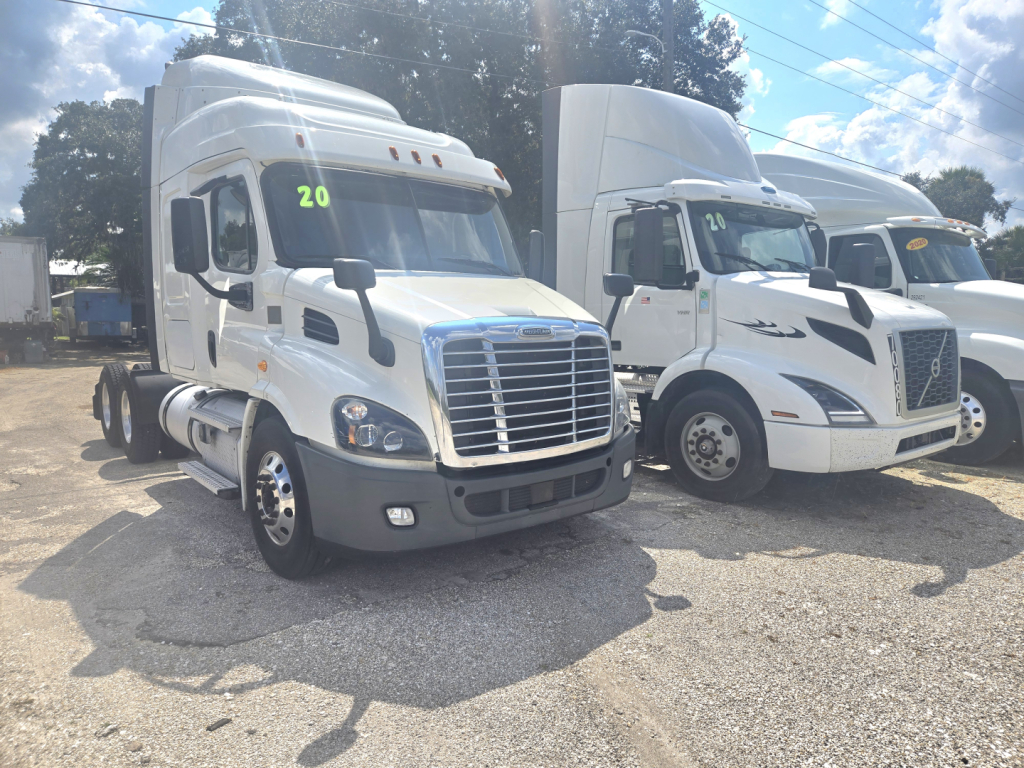
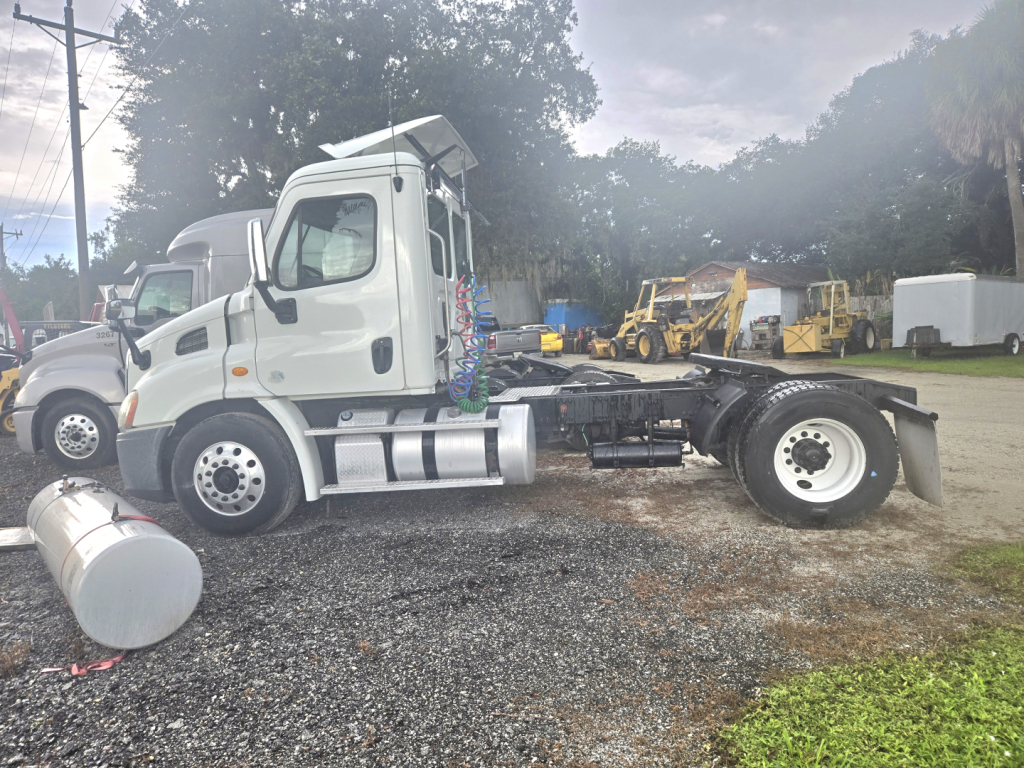
For highway tractors and day cabs, key specs usually include engine family, horsepower, torque, transmission type, rear axle ratio, wheelbase, suspension, and fifth wheel setup. A used Freightliner Cascadia, for example, may appeal to regional haul buyers looking for aerodynamic styling, automated manual transmission options, and fleet-friendly serviceability. On medium-duty and straight trucks, the focus shifts to GVWR, payload capacity, body dimensions, door configuration, liftgates, PTO-driven equipment, and CDL requirements. Many Florida buyers specifically look for under-CDL refrigerated trucks, 26-foot box trucks for final-mile and moving work, or cabover platforms from Hino and Isuzu for tighter urban routes and better visibility in crowded delivery zones.
Body and upfit condition matter as much as the chassis on a used commercial truck. Reefer buyers should inspect hours on the refrigeration unit, bulkhead and insulation condition, door seals, floor wear, and the reefer unit's temperature pull-down performance. Box truck buyers should check roof integrity, front wall damage, liftgate operation, and signs of repeated dock impact. Tow and rollback trucks need close review of deck condition, winches, hydraulics, wheel-lift components, and frame integrity. Dump and landscape trucks should be evaluated for hoist performance, body rust, hinge wear, tarp systems, and the condition of the PTO and hydraulic pump. A clean engine and transmission spec is important, but the truck still has to match the exact work cycle it will see every day.
Used trucks in Florida often come from delivery fleets, municipal operators, contractors, and regional carriers, so maintenance history can vary widely by application. Buyers should compare engine hours against mileage, verify service records, inspect brake and suspension wear, and confirm that emissions components, lift equipment, and auxiliary systems operate correctly. Cab comfort and safety technology also matter more than many buyers first assume, especially on trucks running daily routes. Features like collision mitigation, air ride suspension, engine brakes, power steering, and automatic transmissions can improve driver retention and reduce fatigue. The best used truck is not simply the lowest-mile unit. It is the truck with the right class, body, drivetrain, and vocational equipment for the revenue it is expected to produce.
Frequently Asked Questions about Used Commercial Trucks in Florida
What types of used trucks are most common for sale in Florida?
Florida's used truck market commonly includes highway day cabs, box trucks, refrigerated trucks, dump trucks, landscape trucks, tow trucks, and other medium-duty or vocational units. Cabover delivery trucks are especially common in urban and regional service because they offer tight turning radius and strong visibility. Tractor and straight truck availability often reflects local industries such as food distribution, construction, property maintenance, and port-related freight.
What should I check first on a used box truck or reefer truck?
Start with the body and the application-specific equipment before looking at cosmetic items. On a box truck, inspect the roof, front wall, floor, roll-up door, and liftgate for structural damage or wear from repeated loading. On a reefer truck, verify the refrigeration unit hours, operating condition, temperature performance, insulation integrity, and door seals. A good chassis cannot make up for a worn-out cargo body or a refrigeration system that is near overhaul.
Are under-CDL used trucks a popular option in Florida?
Yes. Under-CDL trucks are popular for local delivery, route service, and refrigerated distribution because they can offer useful payload and cargo volume while staying below the 26,001-pound CDL threshold. Buyers still need to confirm actual GVWR, body weight, and payload capacity, because a large body or reefer unit can reduce available carrying capacity quickly. Under-CDL does not always mean light-duty. Many of these trucks still use air brakes, diesel engines, and commercial-grade components.
How important is rust and corrosion on a used truck in Florida?
Corrosion matters even in a warm-weather market. Florida trucks may see less road salt than northern units, but humidity, coastal exposure, and standing water can still affect frames, wiring, fasteners, crossmembers, body mounts, and hydraulic components. Buyers should inspect the chassis underside, body subframe, electrical connections, and any steel upfit closely. Surface rust is common, but scaling, pitting, and corrosion around structural or hydraulic mounting points deserve extra attention.
What specs matter most when comparing used day cabs and vocational trucks?
The most important specs depend on the work, but buyers usually start with GVWR or GCWR, axle ratings, engine horsepower and torque, transmission type, wheelbase, suspension, and body or fifth wheel configuration. For highway day cabs, rear axle ratio and drivetrain efficiency can have a major impact on fuel economy and cruise speed. For vocational trucks, PTO compatibility, frame strength, body dimensions, hydraulic systems, and maneuverability are often more important than top-end road speed. Matching the truck's spec to the route and load profile is what protects uptime and operating cost.