
Used Service/Utility Trucks For Sale in Florida
Browse used service and utility trucks in Florida, including mechanic trucks with cranes, compressors, welders, PTO systems, and enclosed bodies.
Selling a used service/utility truck? List your used service/utility truck for sale and reach thousands of commercial buyers.
Used Service/Utility Trucks in Florida
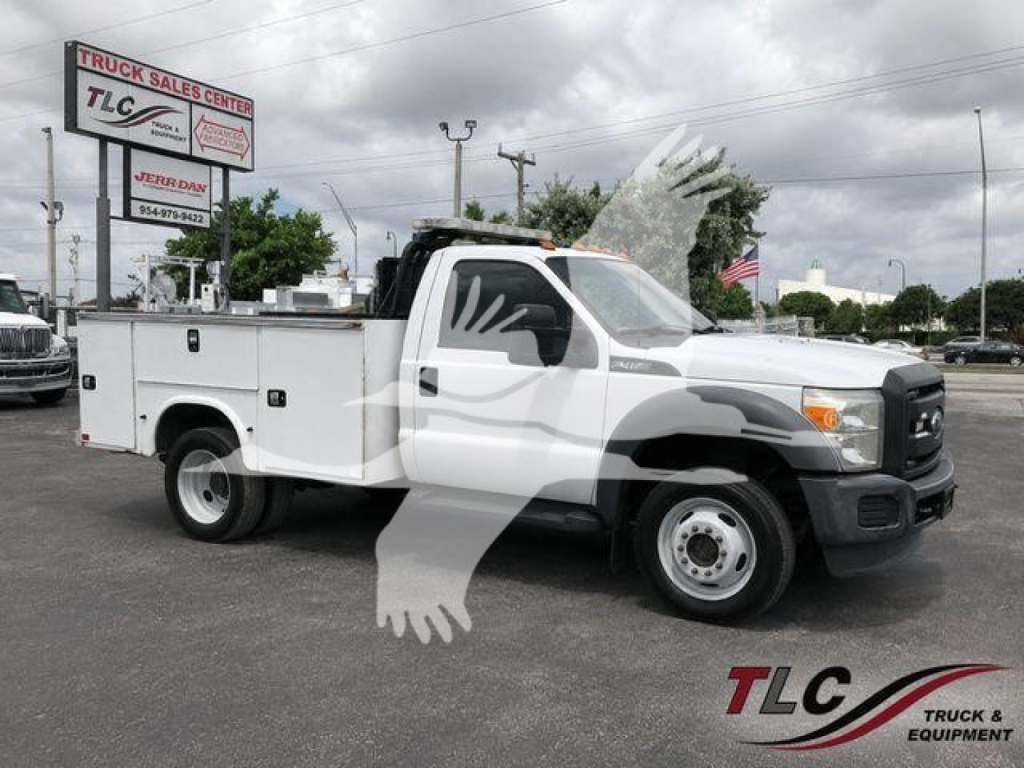
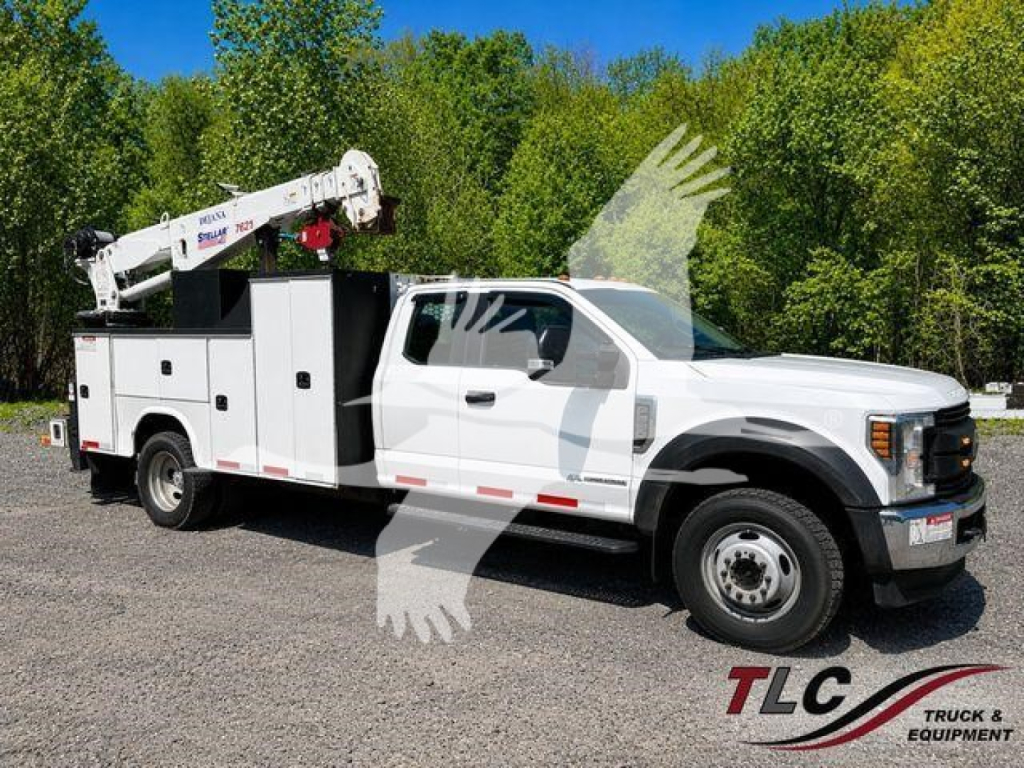
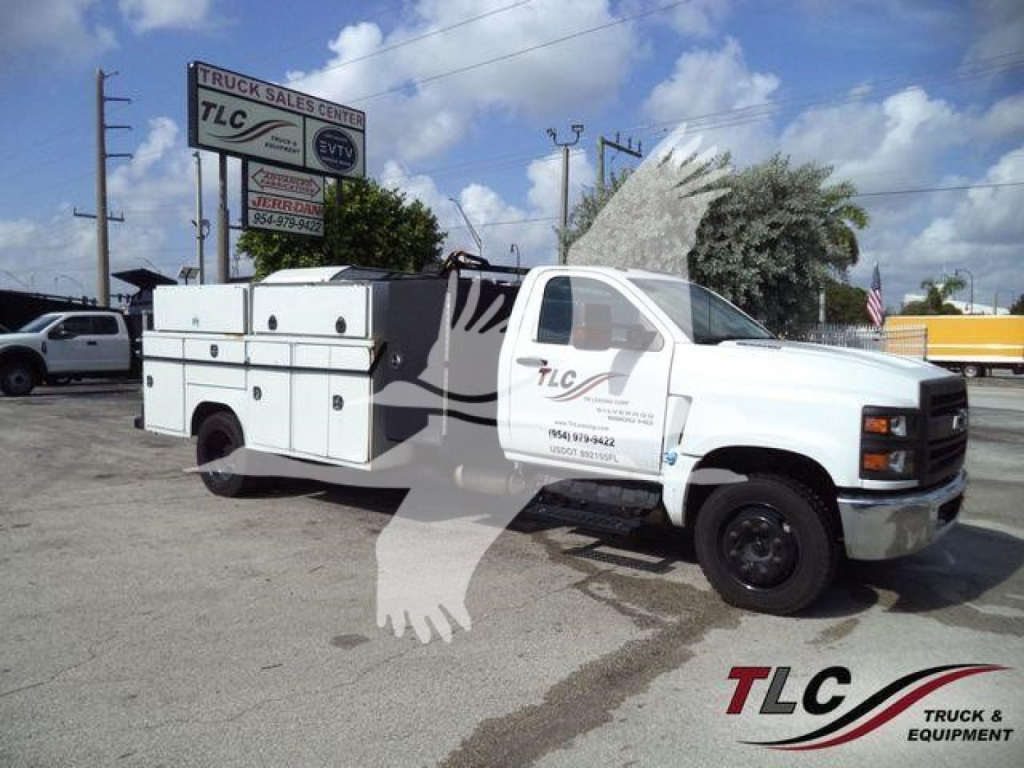
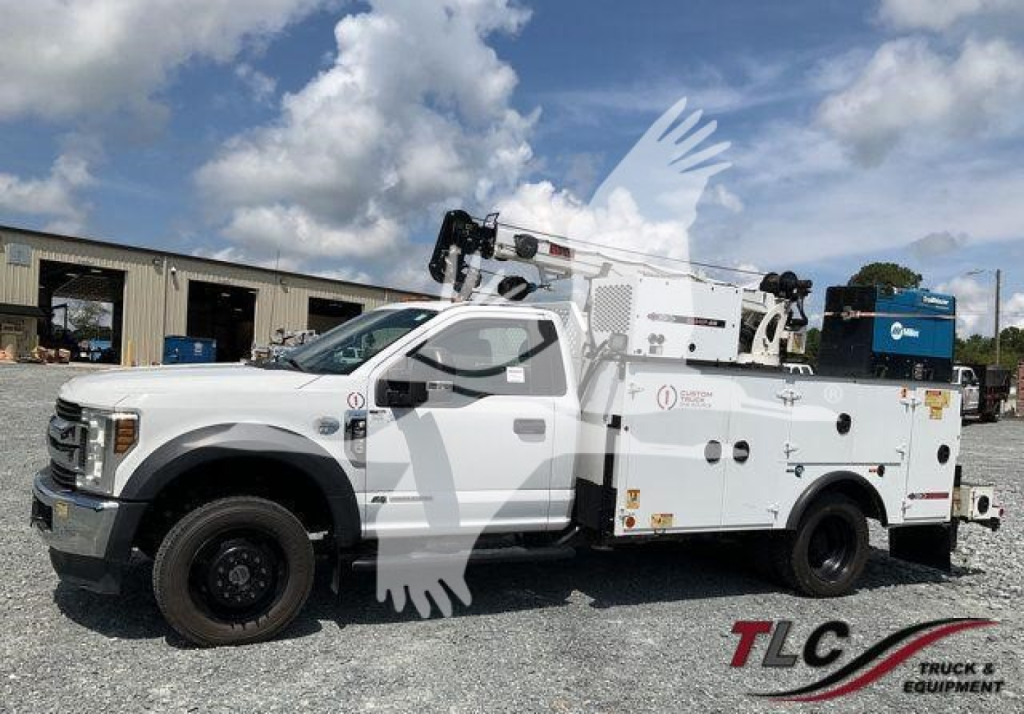
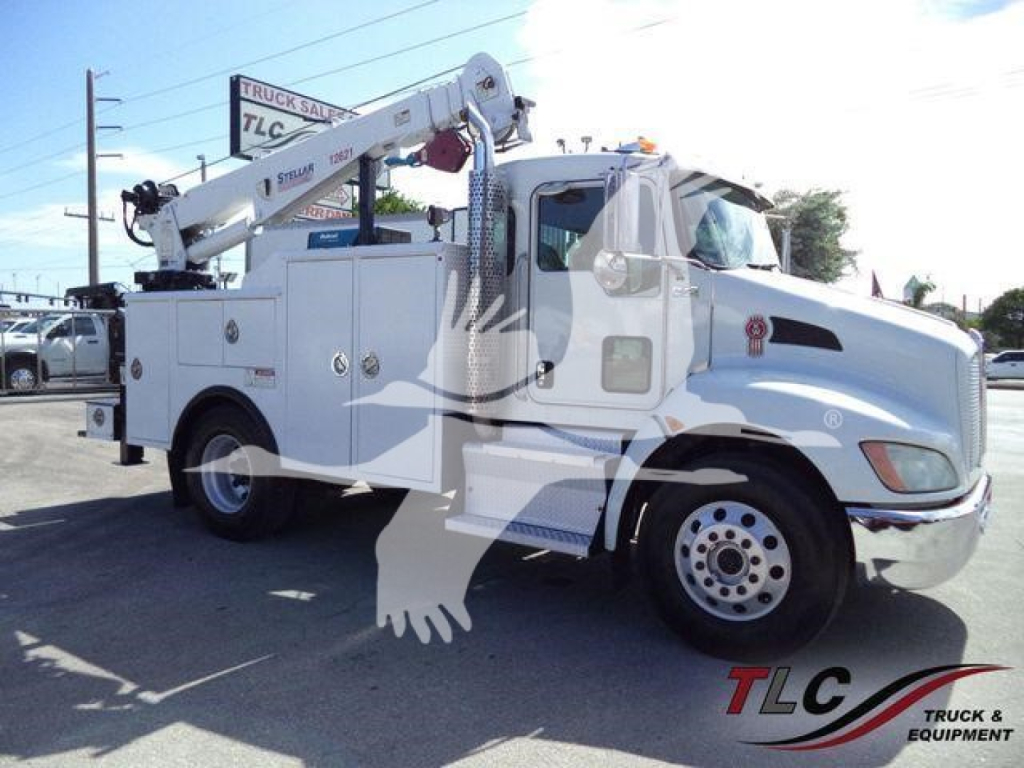
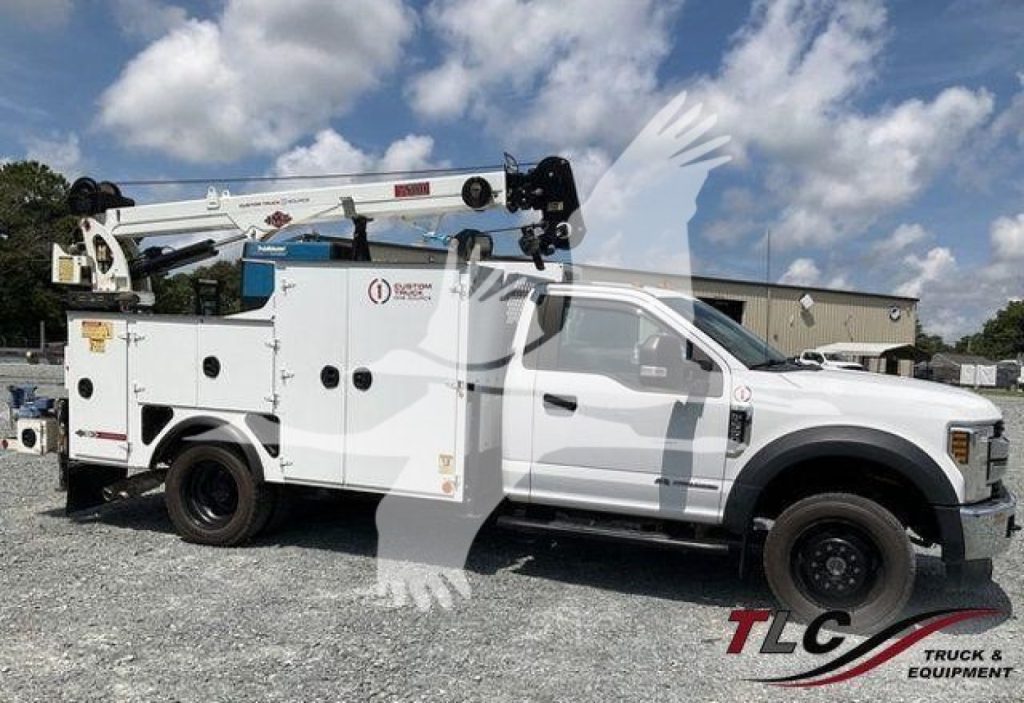
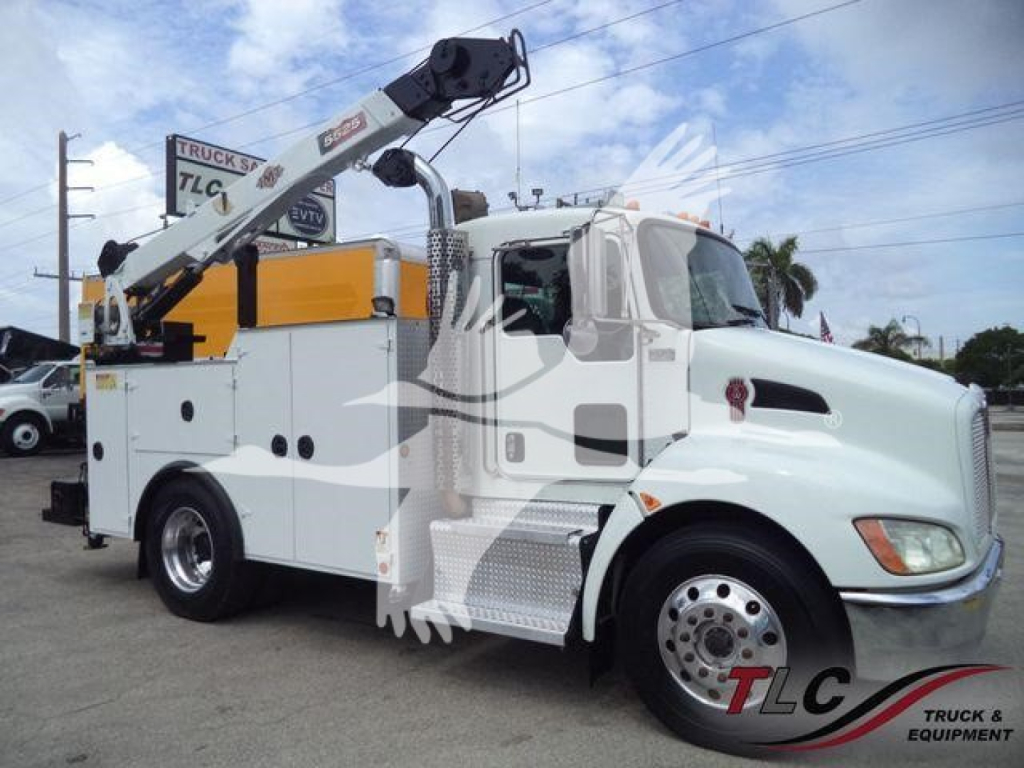
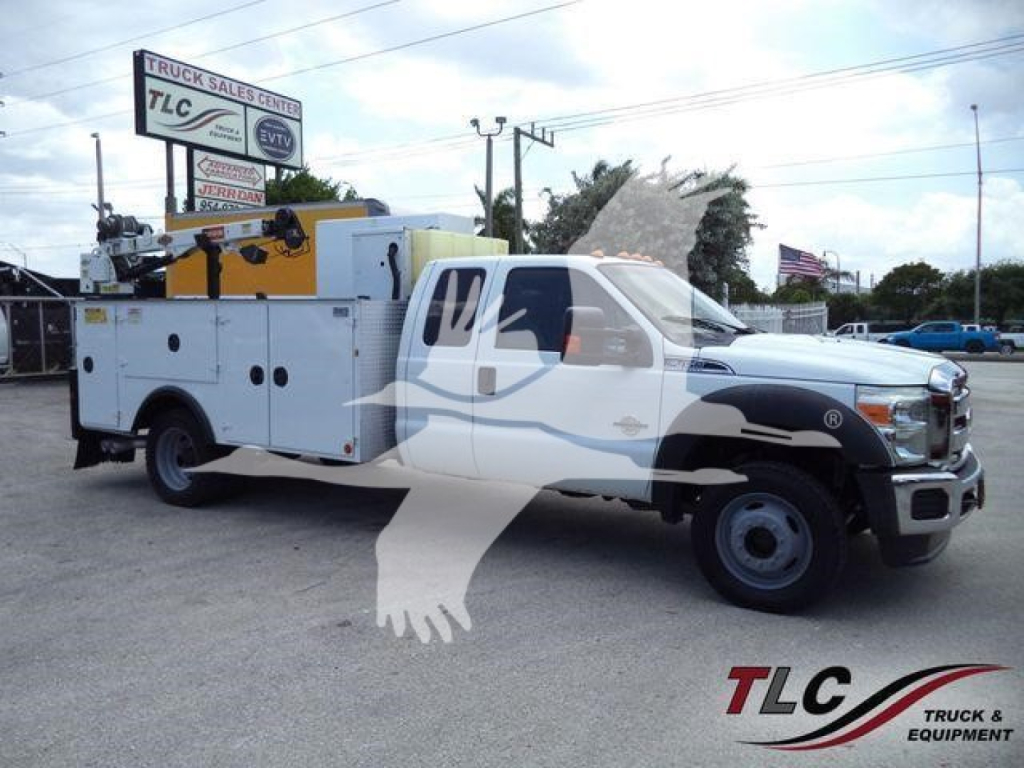
For many buyers, the body and work package matter more than the chassis. A true service truck often includes an IMT or similar utility body, locking side compartments, reinforced work deck, hose reels, air compressor, welder or generator, and a hydraulic crane with stabilizers. Crane capacity commonly ranges from around 4,000 to 10,500 pounds depending on boom length and service body spec. PTO-driven systems are common on diesel service trucks because they support continuous-duty operation for cranes and compressors. Remote crane controls, outriggers, power inverters, and work lighting are also worth checking closely because replacement and upfit costs add up fast.
Florida buyers should pay close attention to corrosion, electrical condition, and cab climate systems. Coastal exposure can accelerate rust on bodies, outriggers, and compartment hardware even when the cab looks clean. Air conditioning performance matters in a service truck that idles at jobsites, and buyers should inspect PTO engagement, compressor output, welder hours, and crane certification status. On used mechanic trucks, it is smart to evaluate not just engine hours and mileage, but also wear on latches, compartment floors, reel systems, stabilizer pins, and hydraulic hoses. A well-maintained fleet truck can be a strong value, but neglected auxiliary equipment can turn an attractive price into an expensive rebuild.
These trucks are commonly used by mobile diesel mechanics, construction contractors, equipment dealers, utility crews, municipalities, sign companies, and field service operations that need one unit to handle repair, fabrication, and light lifting. If the truck will support roadside repair or off-pavement work, 4x4, ground clearance, and axle ratings move up the priority list. If the goal is city or fleet maintenance, a 4x2 automatic with a non-CDL GVWR, compact wheelbase, and well-organized service body may be the better fit. The best used service or utility truck is the one with a body package matched to your daily work, not just the lowest miles on the odometer.
Frequently Asked Questions about Used Service/Utility Trucks in Florida
What is the difference between a service truck and a utility truck?
The terms are often used together, but buyers usually mean slightly different setups. A service truck, also called a mechanic truck, is typically built for field repair and includes a crane, compressor, welder, PTO-driven accessories, and tool storage. A utility truck may refer more broadly to a truck with an enclosed utility body used by telecom, electrical, municipal, or contractor fleets for tools, supplies, and service work. Many trucks in this category overlap, so the key is to look at the body equipment and intended job rather than the label alone.
What should I inspect first on a used mechanic or service truck?
Start with the auxiliary equipment before focusing only on the chassis. Confirm the crane model and capacity, inspect outriggers and hydraulic cylinders, test PTO engagement, check compressor performance, and verify that the welder or generator operates correctly under load. Then inspect the service body for compartment rust, broken latches, damaged shelving, and floor or deck cracking. After that, review engine condition, transmission operation, suspension, brakes, tires, and any maintenance records. On this type of truck, the work package can be the most expensive part to repair or replace.
Do I need a CDL for a service or utility truck?
Not always. Many service trucks are spec'd under 26,001 pounds GVWR so they can be operated without a CDL in many applications, which is why non-CDL mechanic trucks are in high demand. However, CDL requirements can still depend on actual truck GVWR, trailer combination weight, air brake rules, and state or employer requirements. Buyers should verify the door sticker GVWR, axle ratings, and intended trailer use before assuming a truck is non-CDL compliant for their operation.
Are PTO-driven service trucks better than self-contained setups?
PTO-driven systems are often preferred for heavier service work because they can run cranes, compressors, and hydraulic accessories continuously without relying on separate gas-powered units. They tend to deliver cleaner integration and strong jobsite performance, especially on medium-duty diesel chassis. Self-contained welders and compressors can still be a practical choice for lighter-duty work or simpler maintenance needs. The better setup depends on how often the equipment will be used, how much lifting is required, and how important uptime is in the field.
What chassis works best for a used service truck in Florida?
A lighter chassis such as a Ford F-450 or F-550 works well for contractors who need maneuverability, a non-CDL target GVWR, and access to tighter jobsites. A medium-duty chassis like a Kenworth T270 offers more body capacity, stronger component life, and a better platform for larger cranes and heavier PTO equipment. In Florida, buyers should also weigh cooling performance, corrosion exposure, and whether the truck will operate mainly on pavement, in soft ground, or in mixed municipal and construction conditions.