
Used Ford Service/Utility Trucks For Sale in Florida
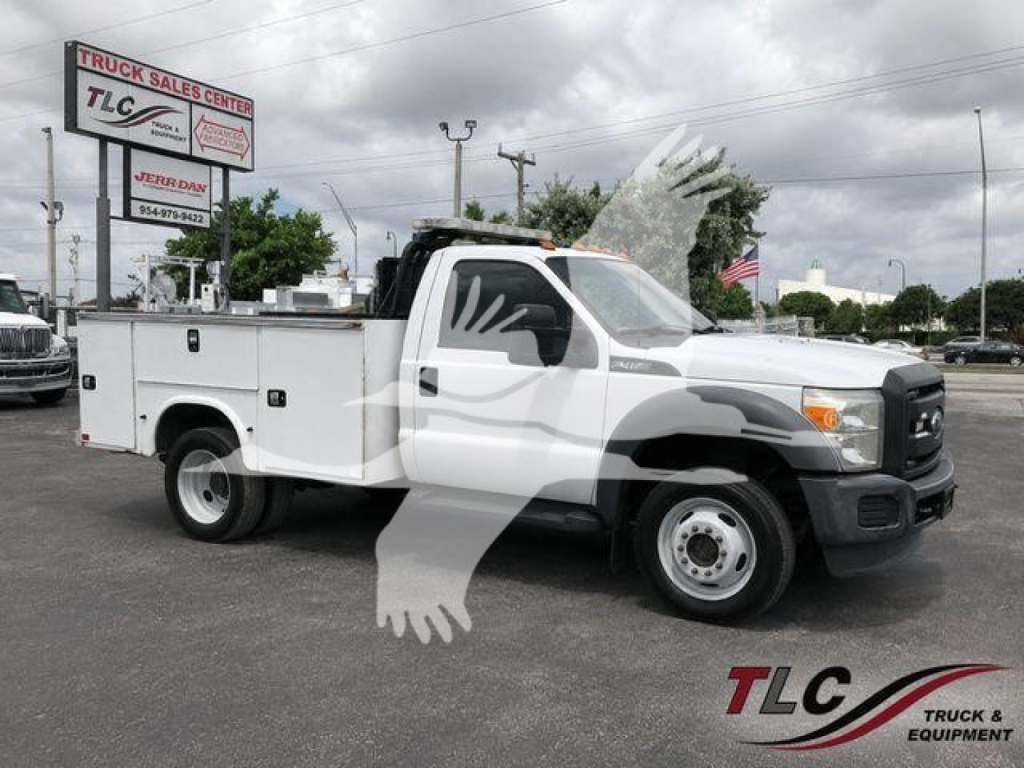
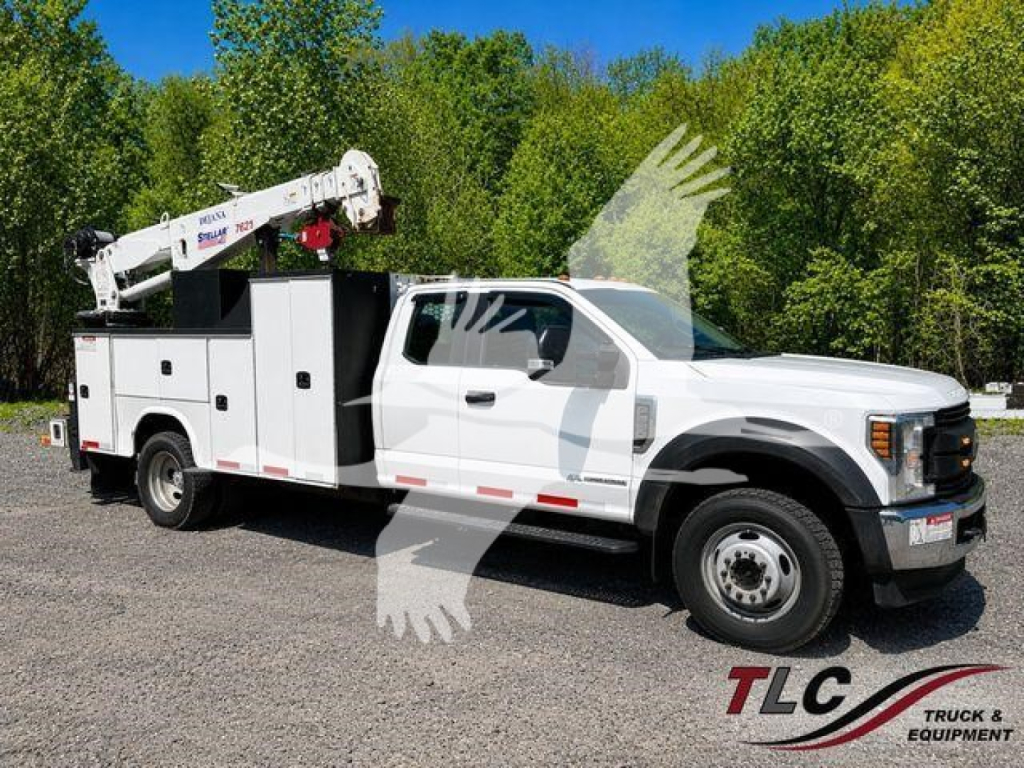
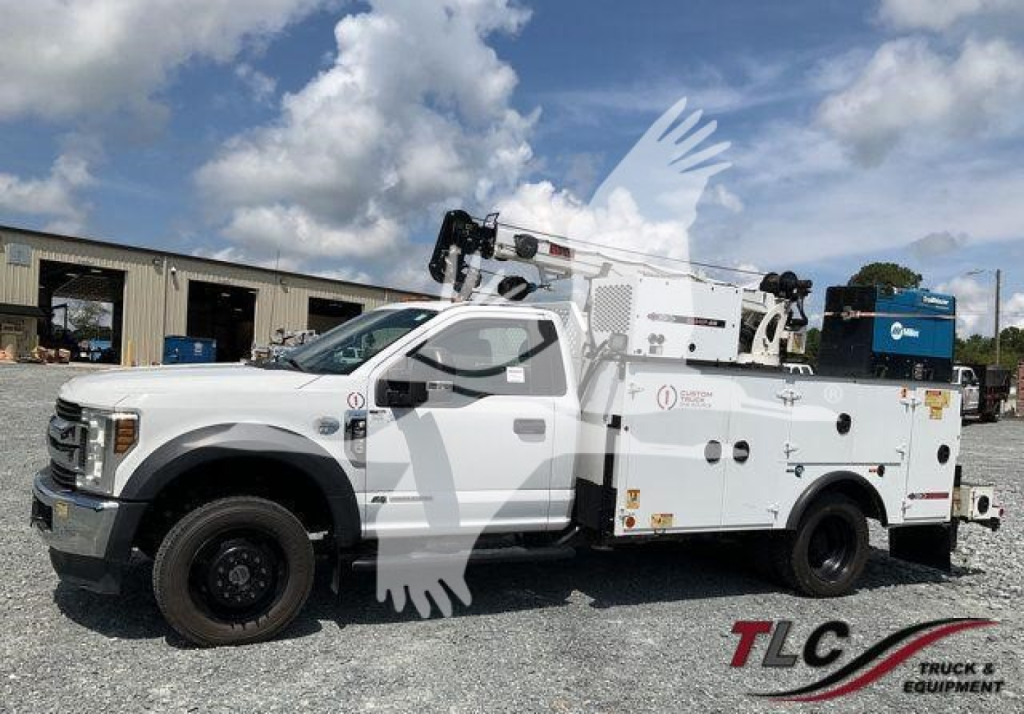
Used Ford service and utility trucks for sale in Florida, including F-450 chassis cab models with service bodies for fleet, municipal, and field work.
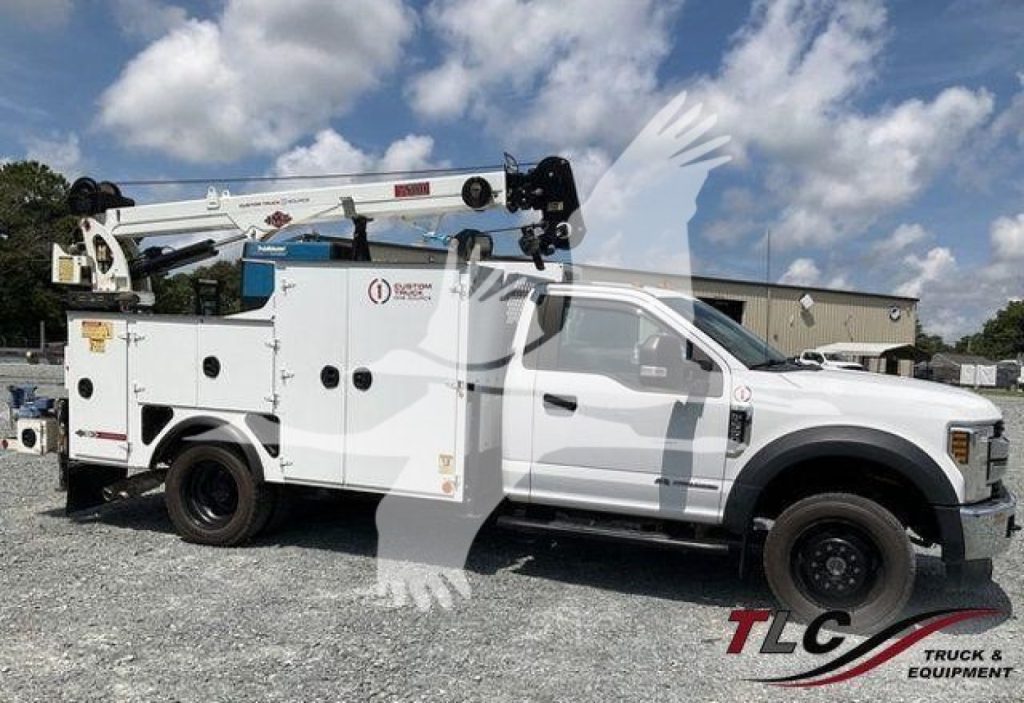
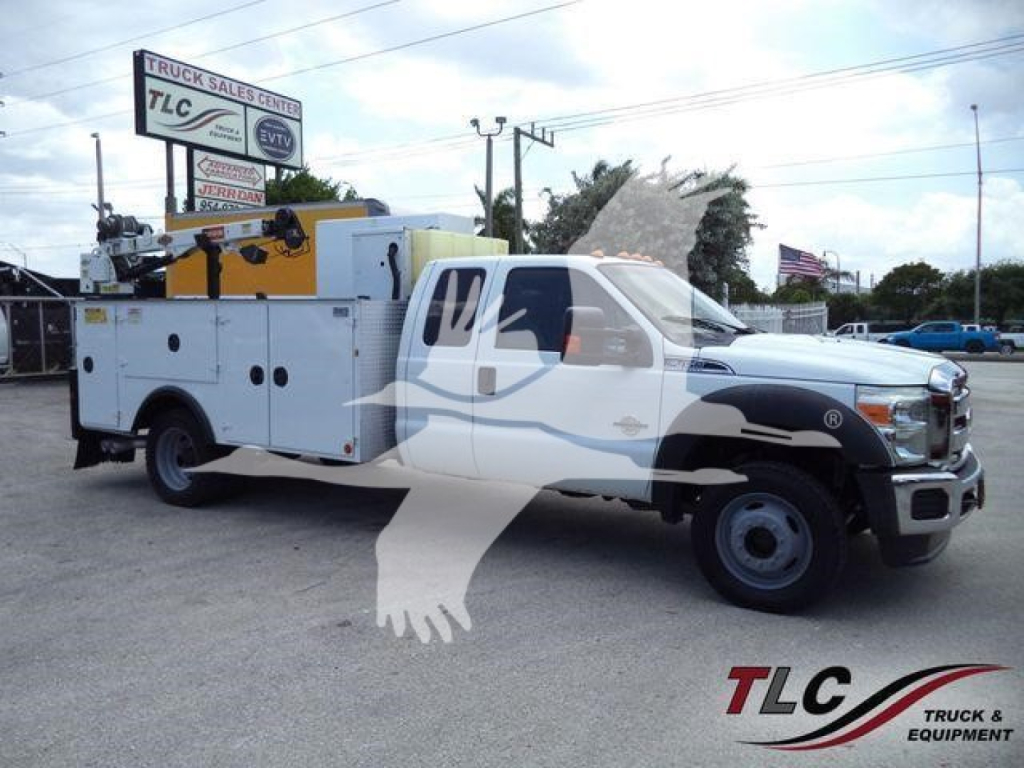
Selling a used ford service/utility truck? List your used ford service/utility truck for sale and reach thousands of commercial buyers.
Used Ford Service/Utility Trucks in Florida
The main buying decision is the match between chassis rating, engine, wheelbase, and body configuration. Many used Ford service trucks are built on regular cab chassis cabs with 4x2 drivetrains, dual rear wheels, and the 6.7L Power Stroke diesel, although gas V8 configurations are also common in lighter-duty applications. Body length, compartment layout, and rear work area matter as much as the cab and engine. Buyers should look closely at GVWR, rear axle rating, suspension condition, PTO or compressor provisions if equipped, hitch setup, upfitter switches, and whether the body includes ladder racks, reel holders, vise mounts, bumper work benches, or locking top compartments. If the truck will carry generators, welders, cranes, or fluid tanks, payload margin becomes more important than headline towing numbers.
On used units, body condition can tell you more than paint. Check compartment floors for corrosion, inspect door hinges and latches, and look for rust around body mounts, wheel openings, and underbody supports even in southern markets. Utility trucks that spent time in municipal or fleet service may have clean maintenance records, but idle hours, PTO usage, electrical add-ons, and previous upfit work should still be reviewed carefully. On Ford diesel trucks, buyers typically pay attention to service history, emissions system performance, cooling system condition, transmission operation under load, and signs of excessive idle time. A utility truck with a sound chassis but poorly planned storage can be less productive than a lighter truck with the right compartment package, so layout should be evaluated against the actual tools and parts the crew carries every day.
For buyers comparing used Ford service and utility trucks in Florida, corrosion exposure may be lower than in northern states, but sun exposure, humidity, and vocational wear are still real factors. Air conditioning performance, door seals, electrical accessories, and body lock integrity matter in daily field use. A well-spec'd Ford utility truck can serve as a mobile workshop, parts room, and tow-capable support unit in one platform, which is why this category remains a staple in commercial fleets. The best fit usually comes down to body design, service history, and whether the chassis has enough reserve capacity for the equipment the job requires.
Frequently Asked Questions about Used Ford Service/Utility Trucks in Florida
What is a Ford service or utility truck typically used for?
A Ford service or utility truck is typically used as a mobile workstation for trades and field service operations. Common applications include electrical service, HVAC repair, plumbing, telecom work, municipal maintenance, construction support, and general fleet service. The enclosed side compartments keep tools, fittings, and parts organized while the chassis cab platform provides enough payload and towing capacity for generators, compressors, ladders, and heavier jobsite equipment.
What should I check first on a used Ford utility truck?
Start with the body and the truck's vocational history. Inspect the utility body for compartment rust, damaged doors, weak hinges, worn latches, and cracked mounts. Then review chassis condition, service records, engine hours if available, transmission behavior, brake wear, tire condition, and signs of electrical modifications from strobes, inverters, compressors, or other add-on equipment. On diesel models, emissions system maintenance and idle history are especially important because service trucks often spend long periods running at low speed or stationary on site.
Is a Ford F-450 a good choice for a service body?
Yes, the Ford F-450 is a strong fit for many service body applications because it offers a useful balance of payload, frame strength, and towing capability without moving into a larger medium-duty cab chassis. It is commonly chosen when the truck needs to carry a heavier steel utility body, more tools, or support equipment such as compressors, welders, or fluid systems. The right choice still depends on the final body weight and daily load, so buyers should confirm axle ratings and remaining payload after the upfit is installed.
Are diesel or gas Ford service trucks better for fleet work?
It depends on duty cycle. Diesel Ford service trucks are often preferred for heavier payloads, frequent towing, and higher annual mileage because they deliver strong low-end torque and usually handle sustained vocational work well. Gas trucks can make sense for lighter-duty service routes, shorter trips, and fleets that want lower acquisition cost and simpler emissions-related maintenance. The best option is the one that matches the truck's actual load, idle time, and route pattern rather than choosing by engine type alone.
Why does body layout matter so much on a utility truck?
Body layout directly affects productivity because it determines how quickly technicians can access tools, stock common parts, and secure expensive equipment. A truck with the wrong compartment design can waste time on every stop even if the chassis is mechanically sound. Buyers should compare shelf depth, compartment height, drawer systems, ladder rack setup, rear workspace, and available room for items such as pipe, conduit, reels, or jobsite power equipment. The most valuable service truck is usually the one that matches the crew's workflow, not just the one with the highest weight rating.