
Used Sewer Rodder - Septic Trucks For Sale in Florida
Browse used sewer rodder and septic trucks in Florida. Compare tank size, vacuum pump output, chassis ratings, and service-ready upfit features.
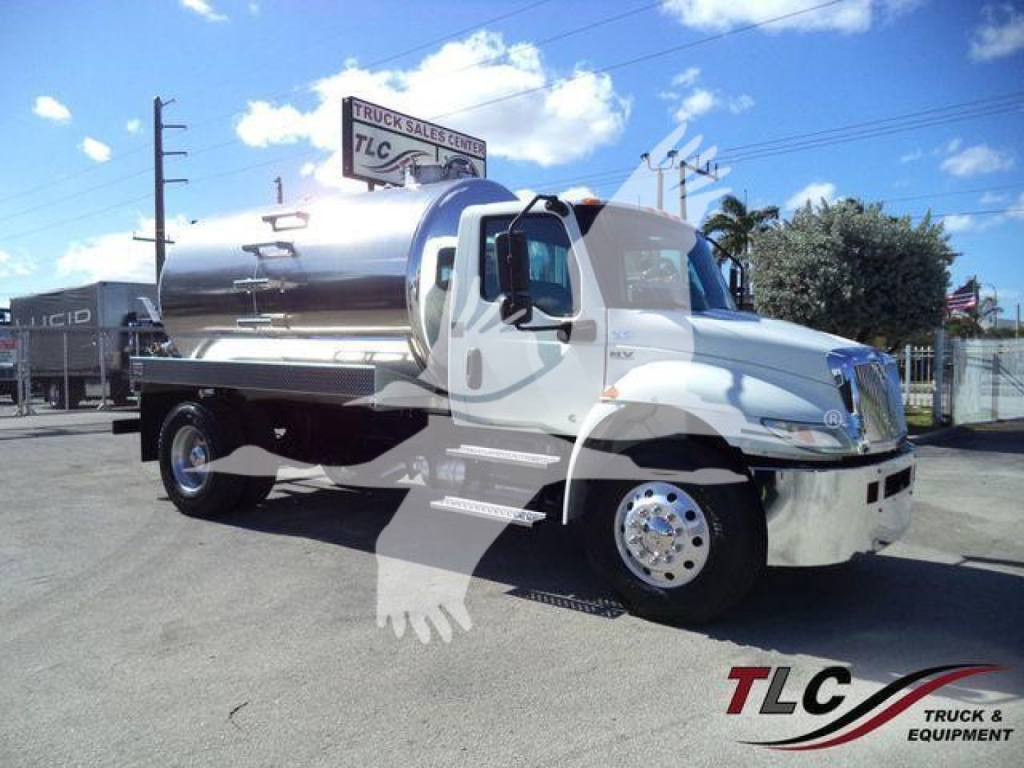
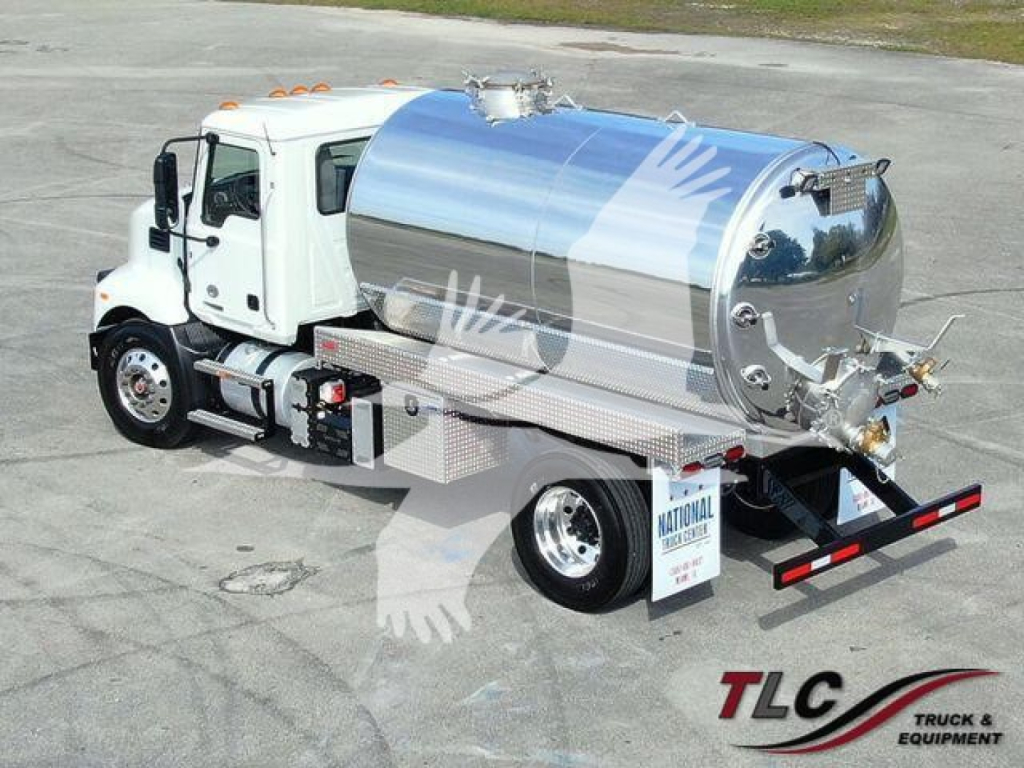
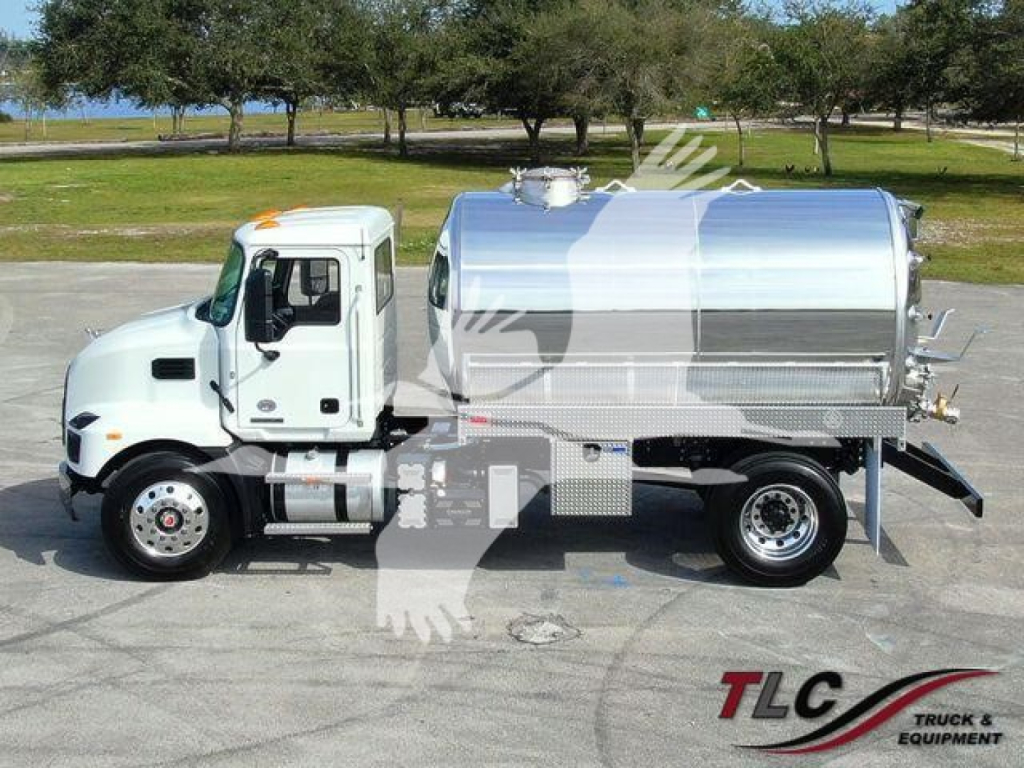
Selling a used sewer rodder - septic truck? List your used sewer rodder - septic truck for sale and reach thousands of commercial buyers.
Used Sewer Rodder - Septic Trucks in Florida
A buyer comparing used septic pumpers or sewer rodder trucks should look closely at the vacuum system, not just the truck chassis. Pump ratings in the range of roughly 393 CFM are common on service trucks handling septic tanks, grease traps, wastewater removal, and related liquid waste applications. Higher airflow helps shorten load times, but the overall performance also depends on hose size, plumbing layout, tank design, and how the PTO-driven system is integrated. If the truck is described as a vacuum septic truck, septic pumper truck, or wastewater removal truck, the core buying questions remain the same: how quickly it loads, how much it carries, and how reliably it can run a full day of stops.
Chassis specs matter because these trucks operate under constant stop-and-go stress and often carry a full tank on uneven entrances, tight driveways, and soft ground. Common specs in this class include diesel engines such as the Cummins ISB, Allison automatic transmissions, around 33,000-pound GVWR, and axle ratings in the 12,000-pound front and 21,000-pound rear range. Spring ride suspensions are still widely seen on vocational setups because they are simple, durable, and familiar to service fleets. Useful upfit details include heavy-duty rear bumpers, side guards, tool storage, work lighting, and clean hose routing that makes daily operation safer and faster.
For Florida buyers, corrosion resistance, pump condition, and tank history deserve extra attention on any used unit. Salt air, heat, and year-round use can accelerate wear on fittings, valves, seals, wiring, and exposed metal. A good used sewer rodder or septic truck should be evaluated as a complete working system: tank material, pump make and service record, PTO operation, hose condition, frame integrity, and legal weight capacity. If the truck will also handle grease trap pumping, sludge hauling, or used oil collection, confirm that the tank configuration, cleanout access, and pumping system match the material being hauled and the disposal requirements in your service area.
Frequently Asked Questions about Used Sewer Rodder - Septic Trucks in Florida
What size tank is common on a used sewer rodder or septic truck?
A common size for a service-oriented septic truck is about 2,000 to 2,500 gallons, especially on Class 7 chassis. That size gives a practical balance between legal payload, maneuverability, and route efficiency for residential septic work, grease trap service, and light commercial pumping. Larger tanks can reduce dump trips, but they also add weight and may limit access at tighter job sites.
How important is CFM on a septic vacuum truck?
CFM is one of the most important vacuum pump specs because it directly affects loading speed. A pump in the upper 300 CFM range is common on many septic service trucks and can provide solid productivity for routine pumping work. CFM should still be evaluated alongside pump condition, hose diameter, tank plumbing, PTO engagement, and overall system design because those factors also affect real-world performance.
What should I inspect first on a used septic truck?
Start with the vacuum pump, tank, and PTO system because those are the working components that generate revenue. Check for pump service records, vacuum performance, leaks, valve condition, tank corrosion, weld quality, and cleanout access. Then review the chassis for GVWR, axle ratings, suspension wear, brake condition, and transmission operation, since a septic truck spends much of its life in heavy stop-and-go service.
Are aluminum tanks a good choice for Florida septic trucks?
Aluminum tanks are a strong option in Florida because they help reduce weight and offer good corrosion resistance in humid and coastal conditions. They can support higher usable payload compared with heavier tank materials, depending on the chassis rating. Buyers should still inspect the full tank structure, mounts, fittings, and any dissimilar metal contact points because corrosion can still develop elsewhere in the system.
Can a sewer rodder or septic truck be used for grease trap or waste oil collection?
Some units in this category can be used for grease trap pumping, sludge hauling, or certain waste oil collection applications, but the truck must be matched to the material and regulatory requirements. Tank design, internal configuration, hose setup, cleanout access, pump compatibility, and disposal workflow all matter. A truck spec'd for septic service may be adaptable, but buyers should confirm the system is appropriate for the exact waste stream and service route.