
Used Day Cab Trucks For Sale in Florida
Shop used day cab trucks in Florida. Compare popular specs, engines, wheelbases, transmissions, and local haul applications.
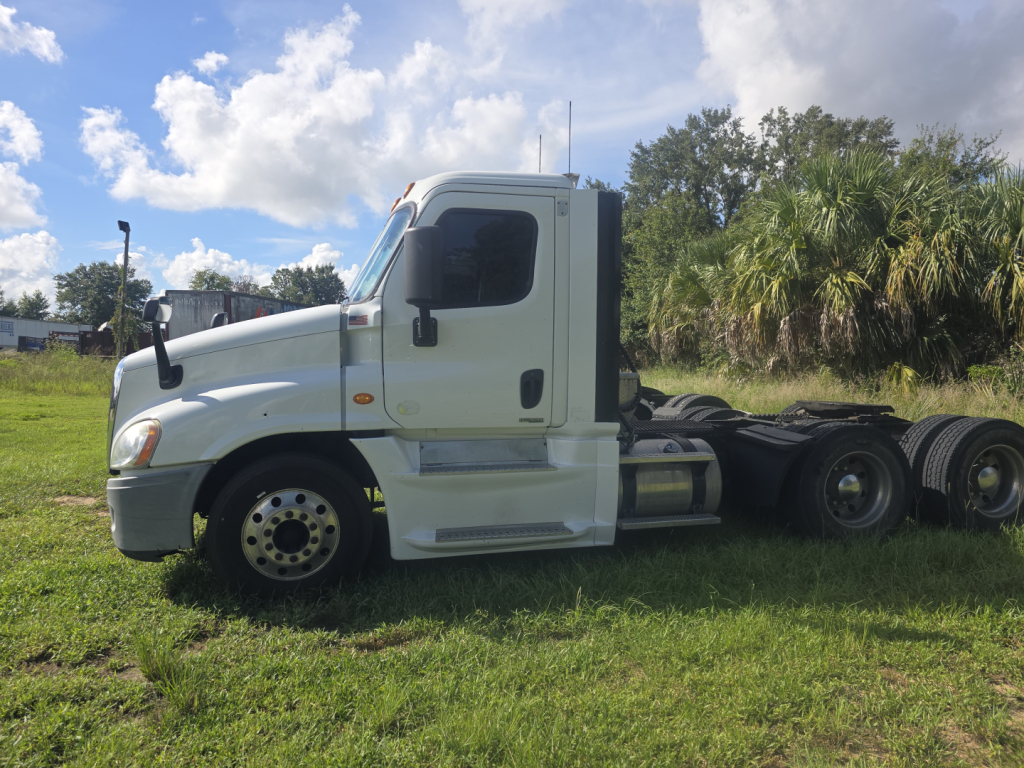
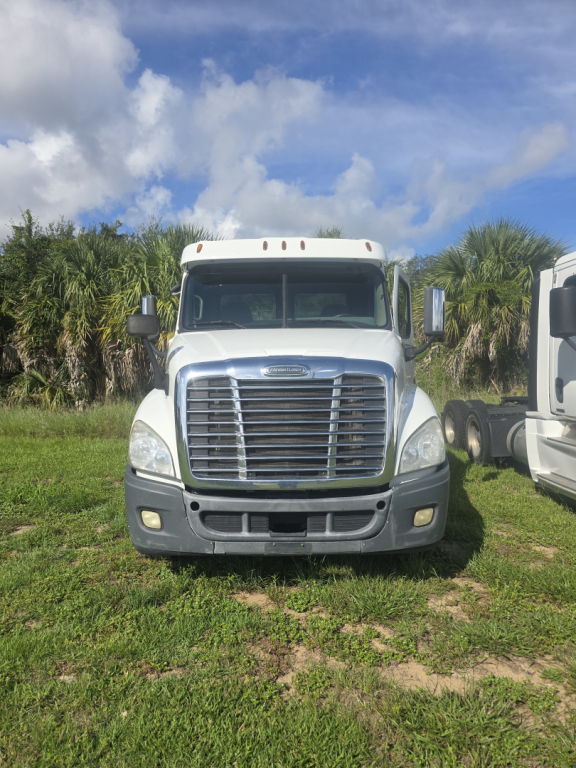
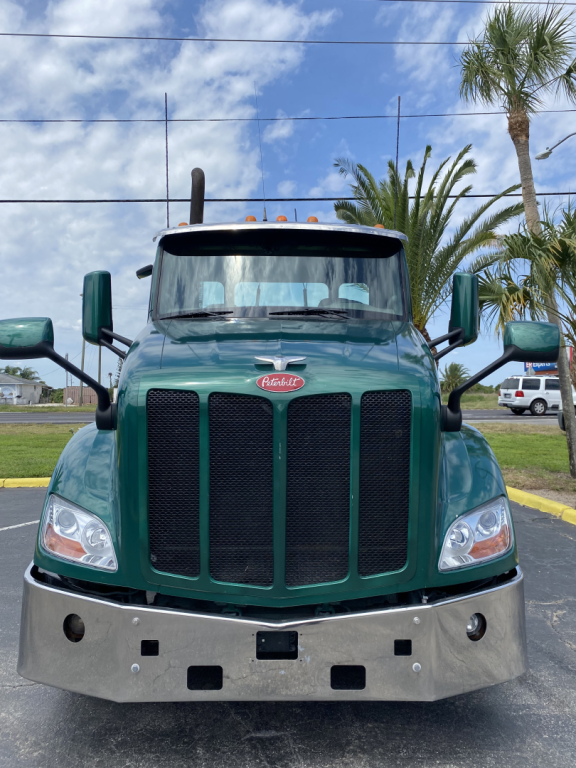
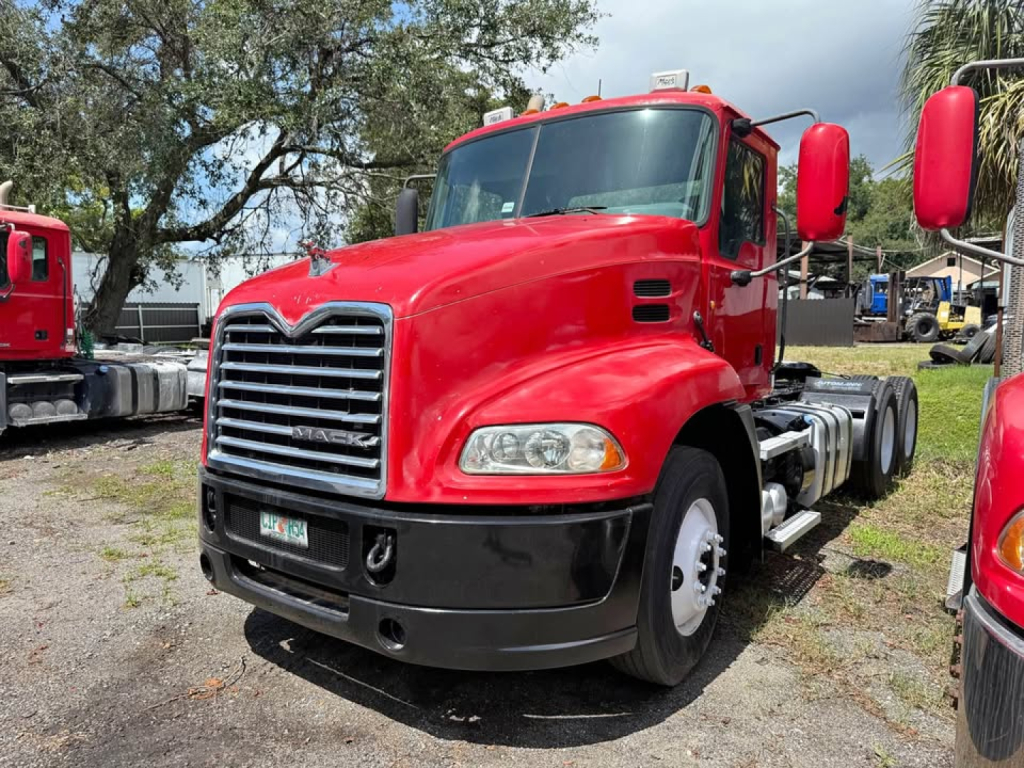
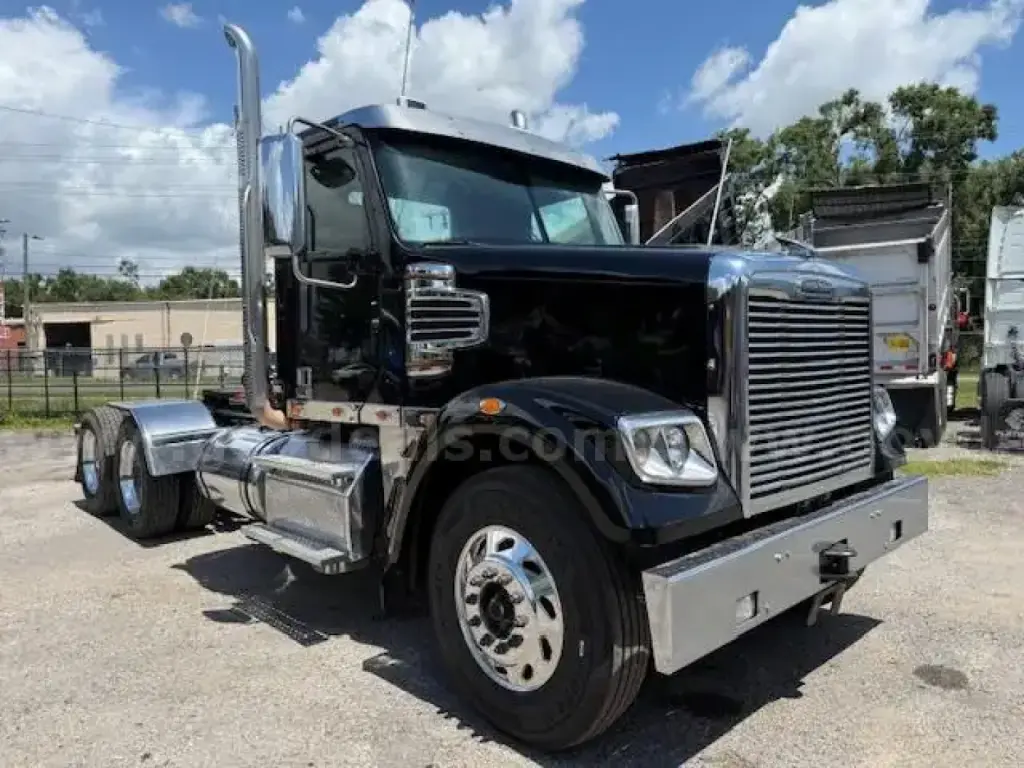
Selling a used day cab truck? List your used day cab truck for sale and reach thousands of commercial buyers.
Used Day Cab Trucks in Florida
The first buying decision is usually the powertrain. Common used day cab specs include Detroit DD13 and DD15, Cummins X15, Paccar MX-13, and Mack MP7 or MP8 engines, typically rated from about 400 to 505 horsepower. Transmissions are often automated manuals, though 10-speed and 13-speed manuals still show up in older or vocationally oriented units. Rear axle ratios, usually in the mid-2s to low-3s for highway work, affect launch feel, cruise rpm, and fuel economy. Wheelbase is equally important because it determines bridge compliance, trailer gap, and turning radius. A shorter wheelbase helps in ports and urban deliveries, while a longer wheelbase may better suit heavier loads or tractors equipped with wet kits and frame-mounted accessories.
Florida buyers should look closely at cooling system condition, air conditioning performance, and signs of corrosion from coastal exposure. Day cabs working near ports or in high-humidity environments can show wear in wiring, air systems, frame hardware, and cab mounts if maintenance has been inconsistent. A used day cab should be evaluated for fifth wheel wear, suspension condition, steer tire pattern, brake life, emissions system history, and idle hours in addition to engine hours and odometer miles. Many buyers also focus on practical spec items such as sliding fifth wheels, locking differentials, collision mitigation, lane departure systems, air ride suspension, and whether the truck has hydraulic lines or a PTO setup for specialized trailer applications.
Cab layout and serviceability also matter more than many buyers expect. A good day cab needs a durable interior, strong visibility, comfortable seating, and enough storage for paperwork, tools, and driver essentials without adding complexity. Models from Freightliner, Peterbilt, Kenworth, International, Volvo, and Mack are common in this segment, and parts support can vary by region and dealer network. The best used day cab truck is not just the newest or lowest-mile example. It is the truck with the right axle ratio, wheelbase, engine rating, transmission, and maintenance history for the routes, trailer types, and stop frequency your operation handles every day.
Frequently Asked Questions about Used Day Cab Trucks in Florida
What is a day cab truck used for?
A day cab truck is a road tractor without a sleeper compartment, designed for routes where the driver returns the same day. Common uses include regional freight, drayage, local delivery, LTL work, fuel and tanker service, dump or transfer applications, and dedicated distribution routes. The shorter cab and lighter overall package improve maneuverability and can increase payload flexibility compared with a sleeper tractor.
What should I check first on a used day cab truck?
Start with the maintenance records, engine and emissions history, transmission operation, and the condition of the suspension and brakes. Then inspect the fifth wheel, frame rails, tires, steering components, and any signs of corrosion or accident repair. On Florida trucks, air conditioning performance and evidence of coastal rust or electrical corrosion deserve extra attention because heat, humidity, and salt exposure can accelerate wear.
Are automatic or manual transmissions better in a used day cab?
That depends on the route and driver pool. Automated manual transmissions are common in modern day cabs because they reduce driver fatigue in stop-and-go traffic, improve shift consistency, and can support fuel economy goals. Manual transmissions still appeal to some fleets for driver preference, lower upfront cost on certain older trucks, and control in specialized vocational work. The better choice is the one that matches your drivers, terrain, maintenance capability, and duty cycle.
What wheelbase is best for a day cab truck?
The best wheelbase depends on trailer type, axle placement, and where the truck operates. Shorter wheelbases are easier to maneuver in ports, tight yards, and urban pickup-and-delivery work. Longer wheelbases can offer better ride quality, more room for accessories like hydraulic tanks, and improved fit for certain trailer setups. Buyers should confirm that the wheelbase works with kingpin settings, bridge laws, and the turning radius required by their lanes.
How many miles is too many for a used day cab truck?
Mileage alone does not determine remaining life in a used day cab. A well-maintained tractor with 600,000 miles can be a better buy than a neglected lower-mile unit. Engine hours, idle time, service documentation, transmission condition, emissions repairs, and overall chassis wear tell a more accurate story. The key is matching the truck's current condition and rebuild history to the amount of annual mileage and downtime risk your operation can tolerate.