
Used Rolloff Trucks For Sale in Florida
Browse used rolloff trucks for sale in Florida. Compare hoist types, GVWR, container sizes, winches, and chassis specs for debris hauling.
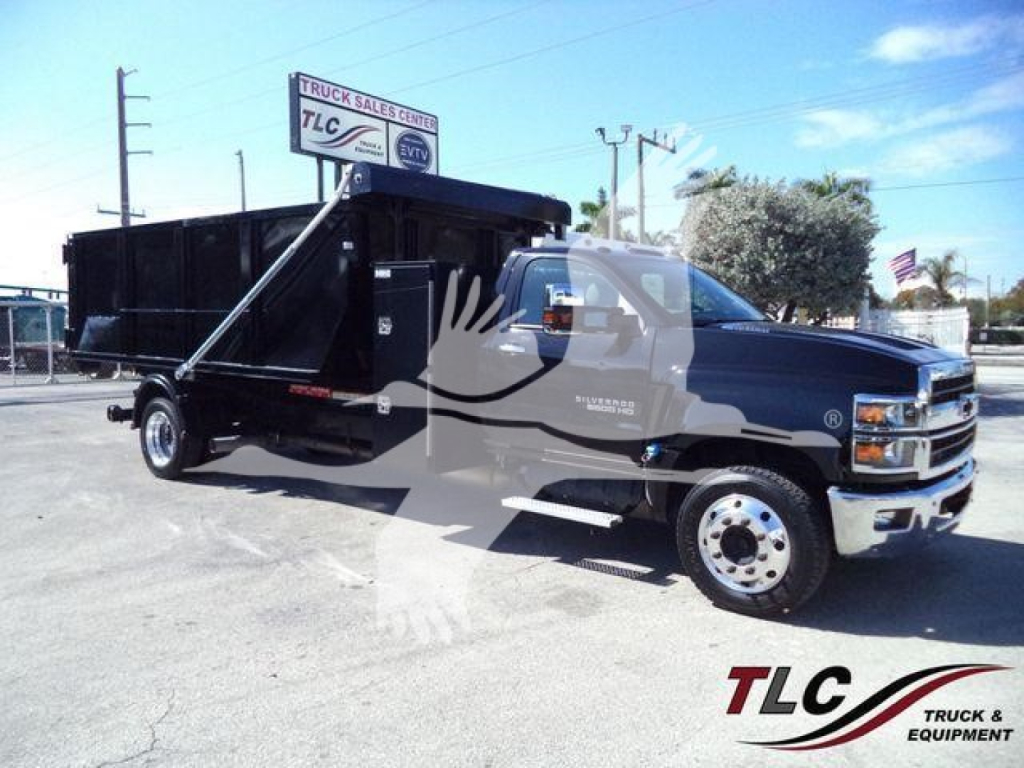
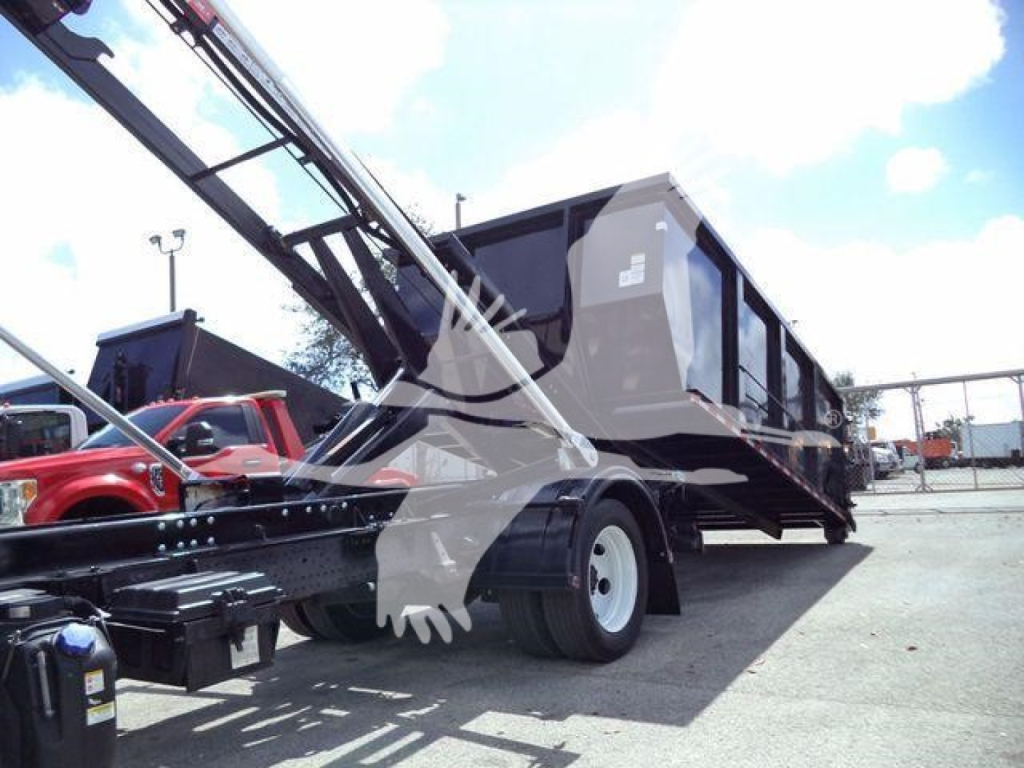
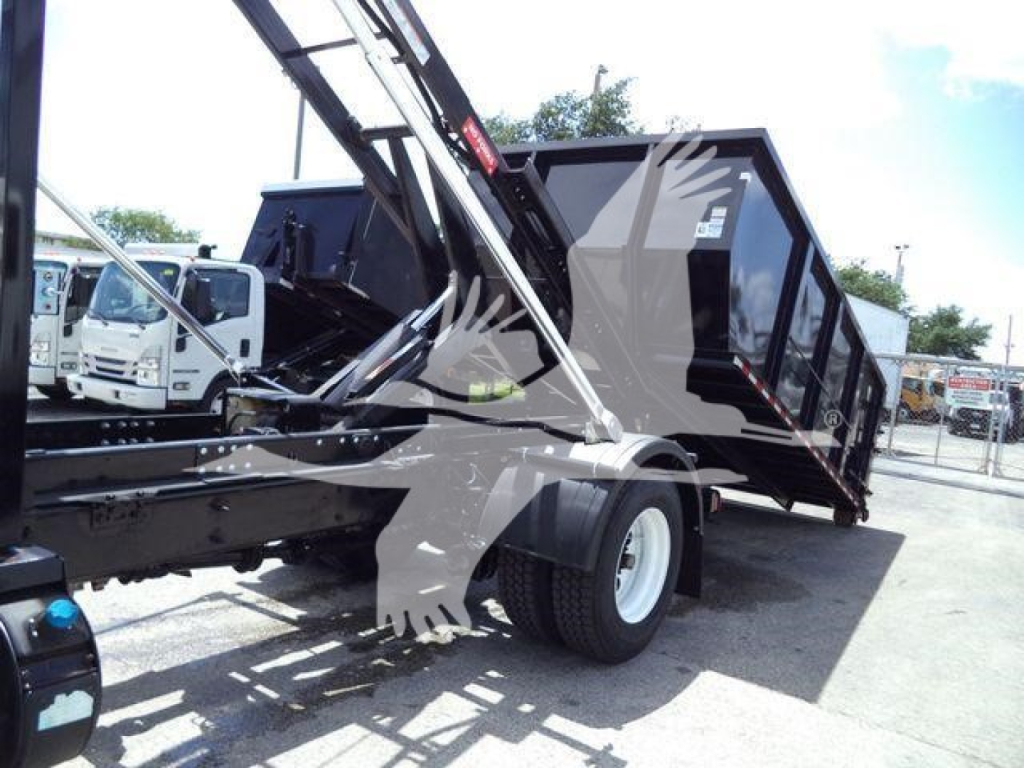
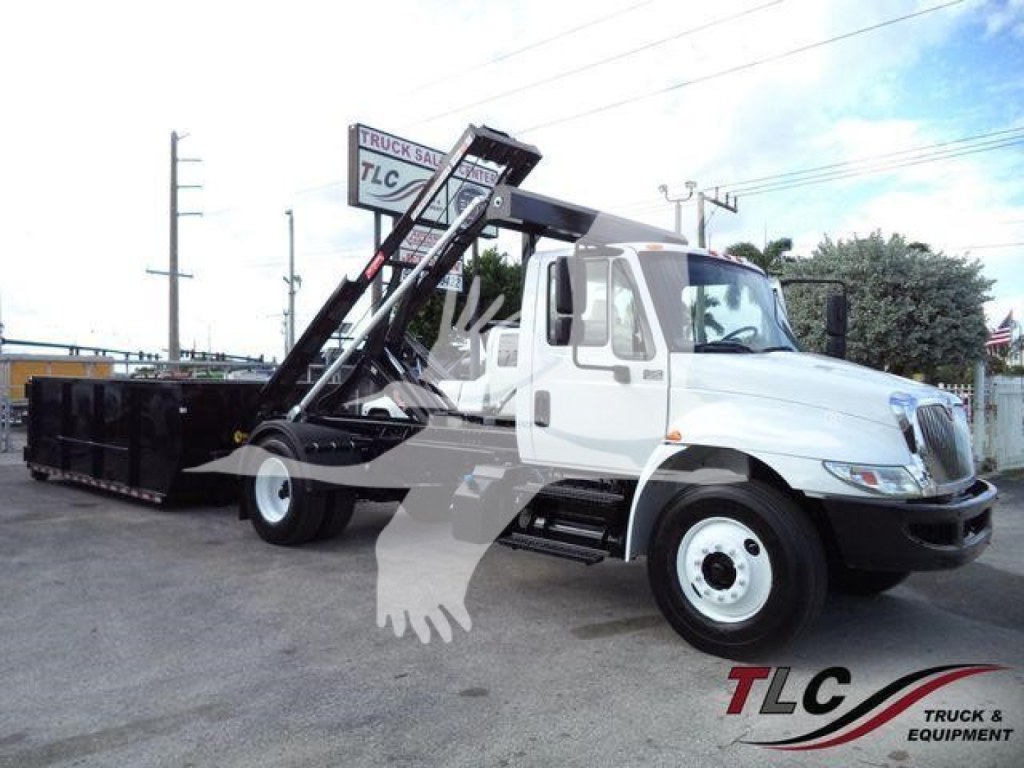
Selling a used rolloff truck? List your used rolloff truck for sale and reach thousands of commercial buyers.
Used Rolloff Trucks in Florida
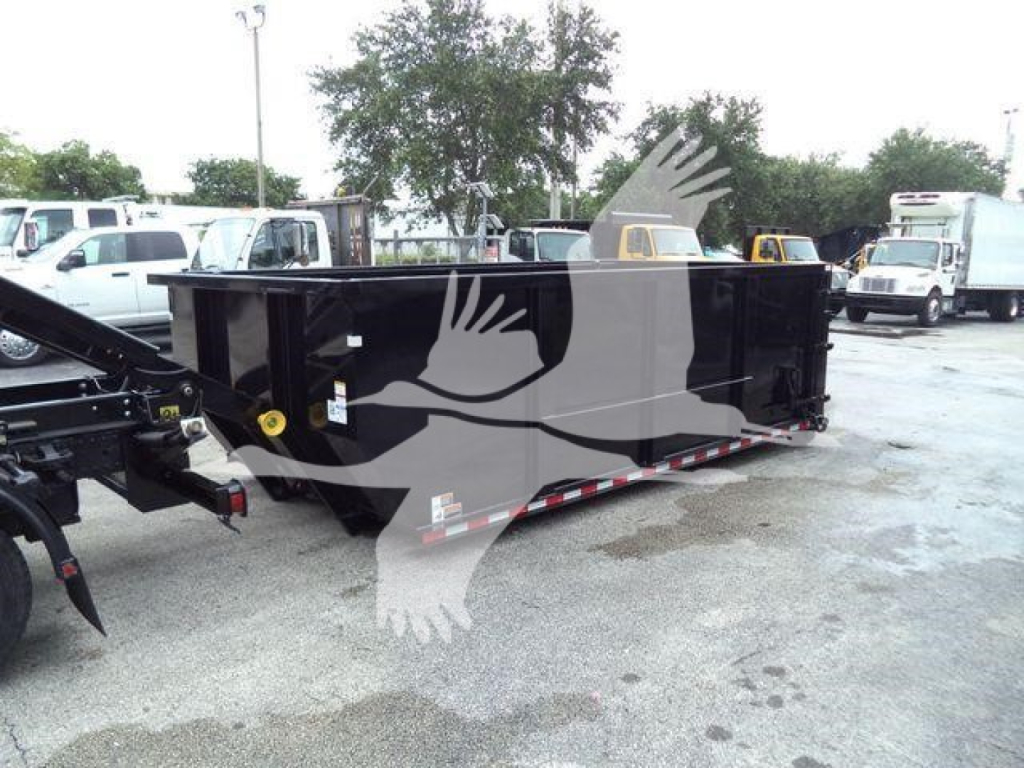
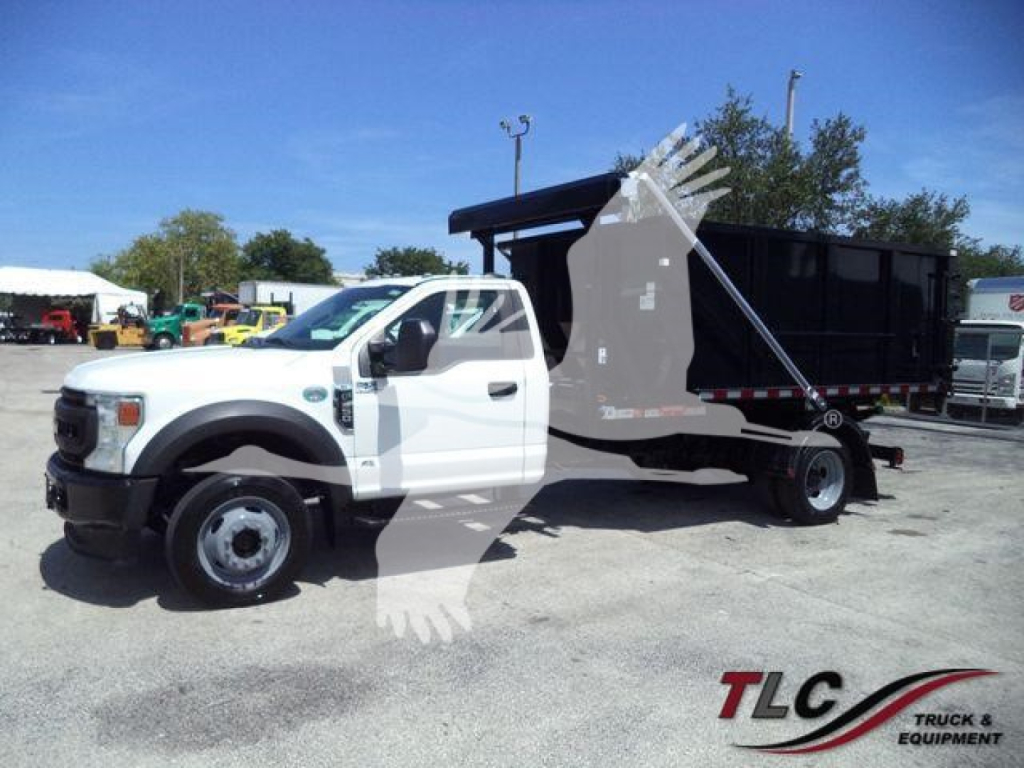
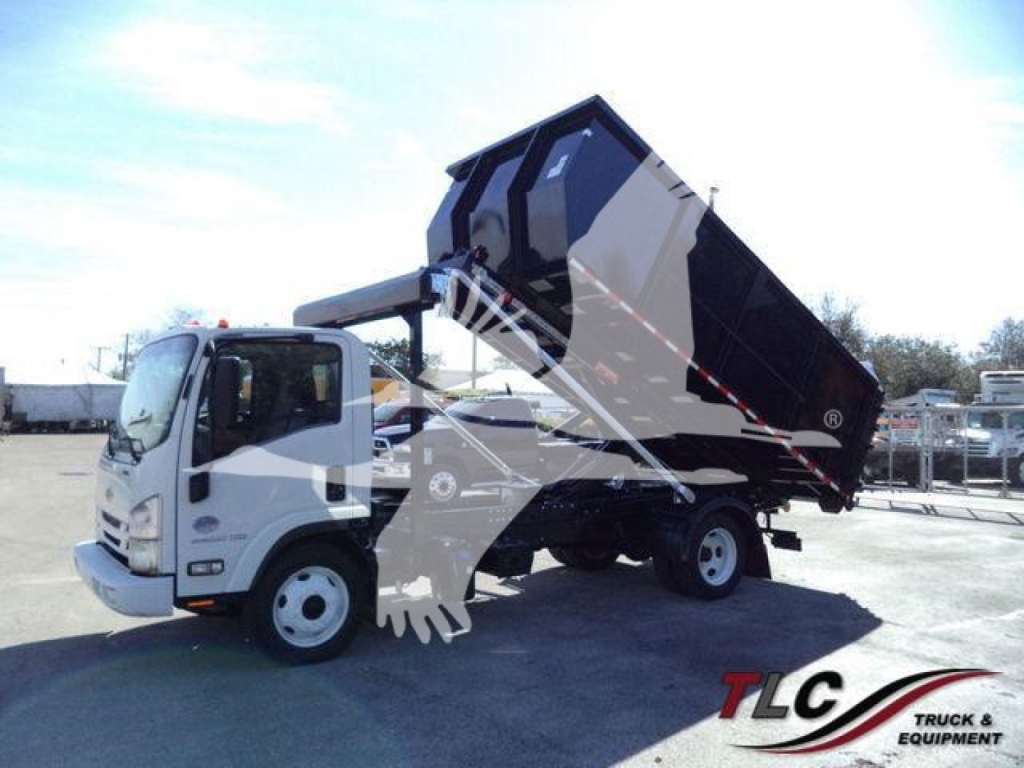
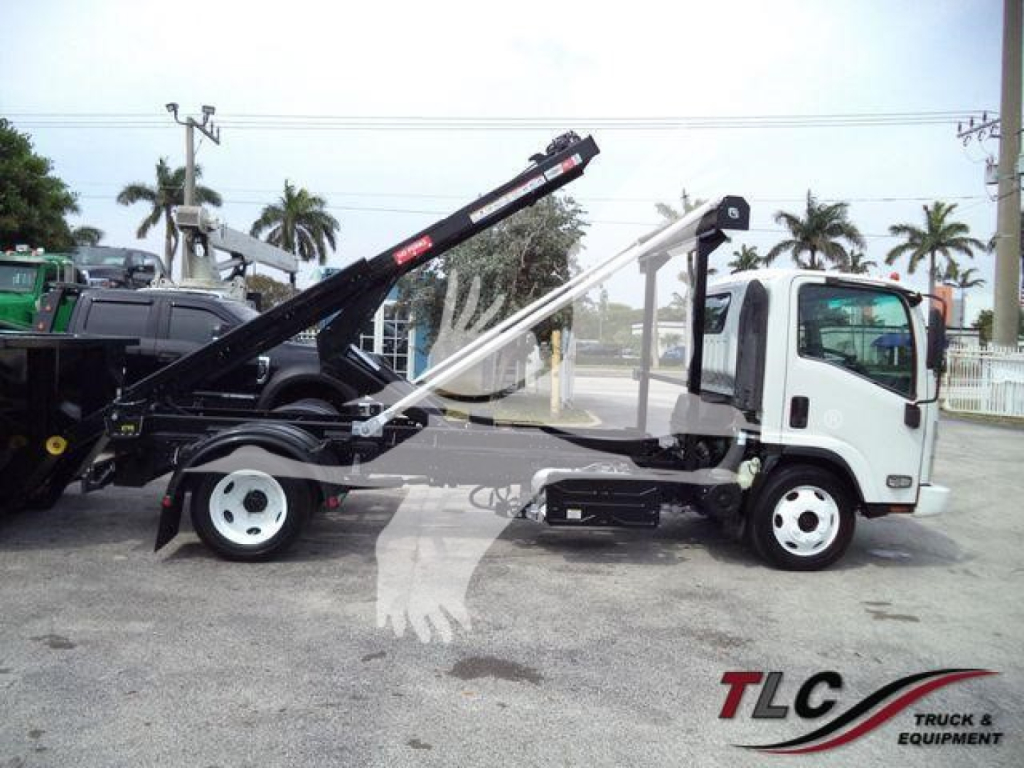
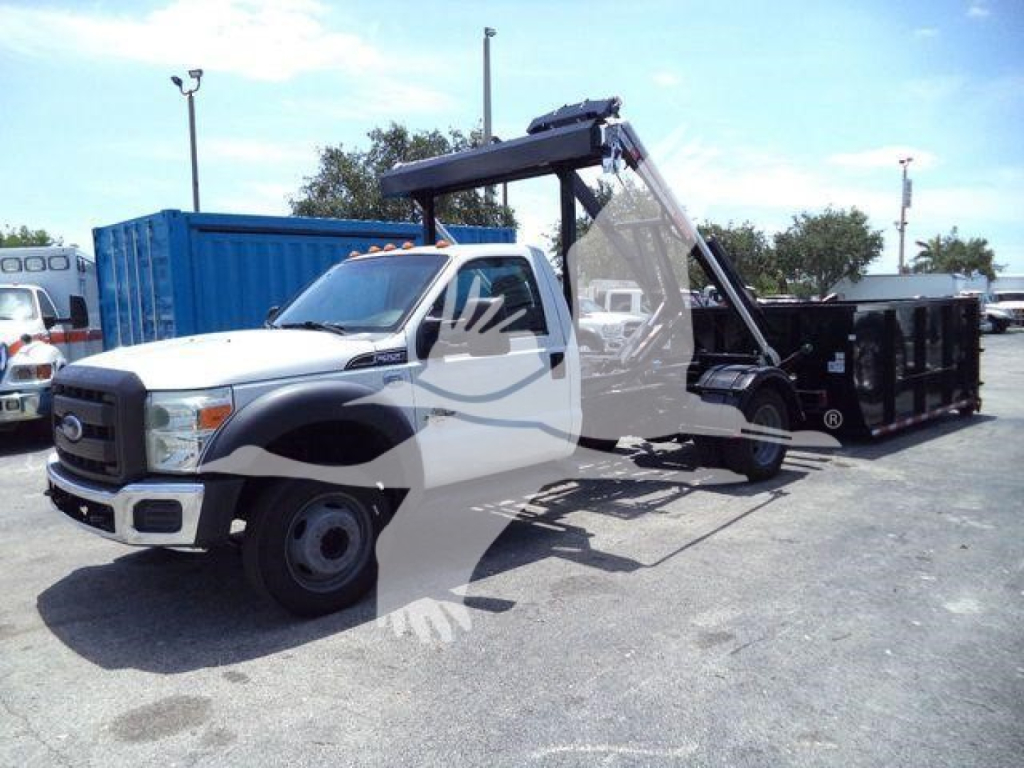
The first buying decision is usually chassis size and CDL impact. Non-CDL rolloff trucks around 19,500 GVWR are popular for smaller contractors, property maintenance, and residential debris routes because they are easier to place in tight neighborhoods and often cost less to operate. Trucks closer to 25,900 or 26,000 GVWR give you more payload and a stronger platform for heavier boxes, denser material, or added equipment like a grapple loader. Common body and container lengths in this segment run about 11 to 15 feet, often 8 feet wide, with side heights around 51 inches on landscape and debris boxes, though taller boxes are used for higher-volume loads. Cable length, winch capacity, rear door design, and tarp setup all matter because they affect cycle time, safety, and how cleanly the truck handles mixed debris.
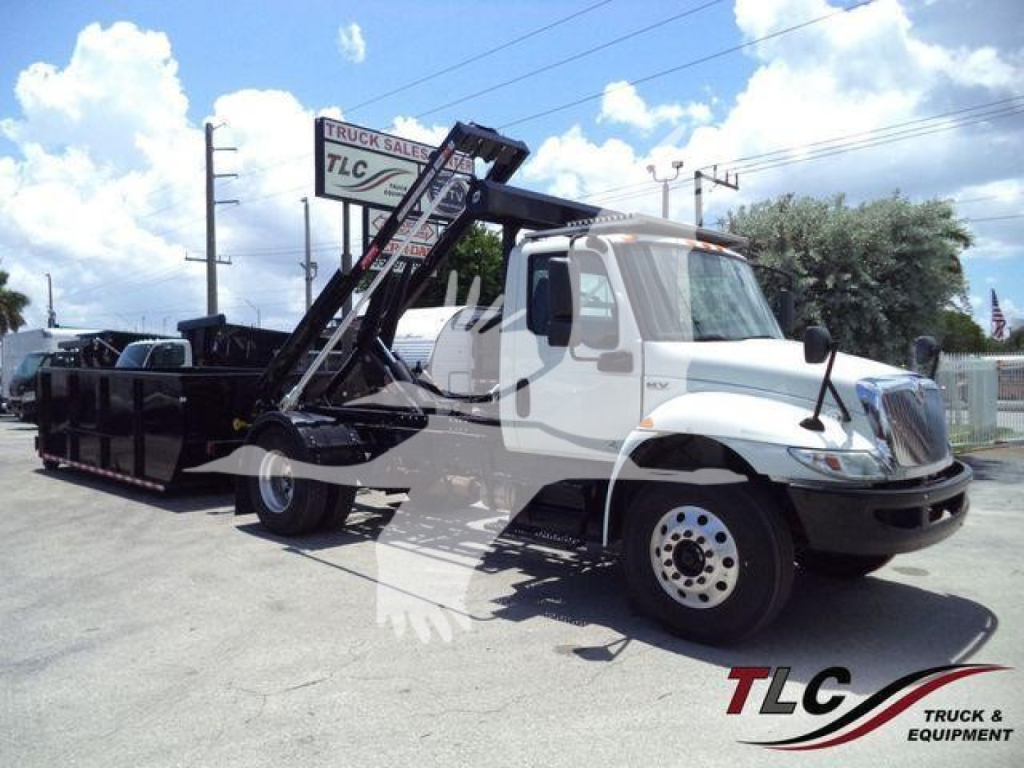
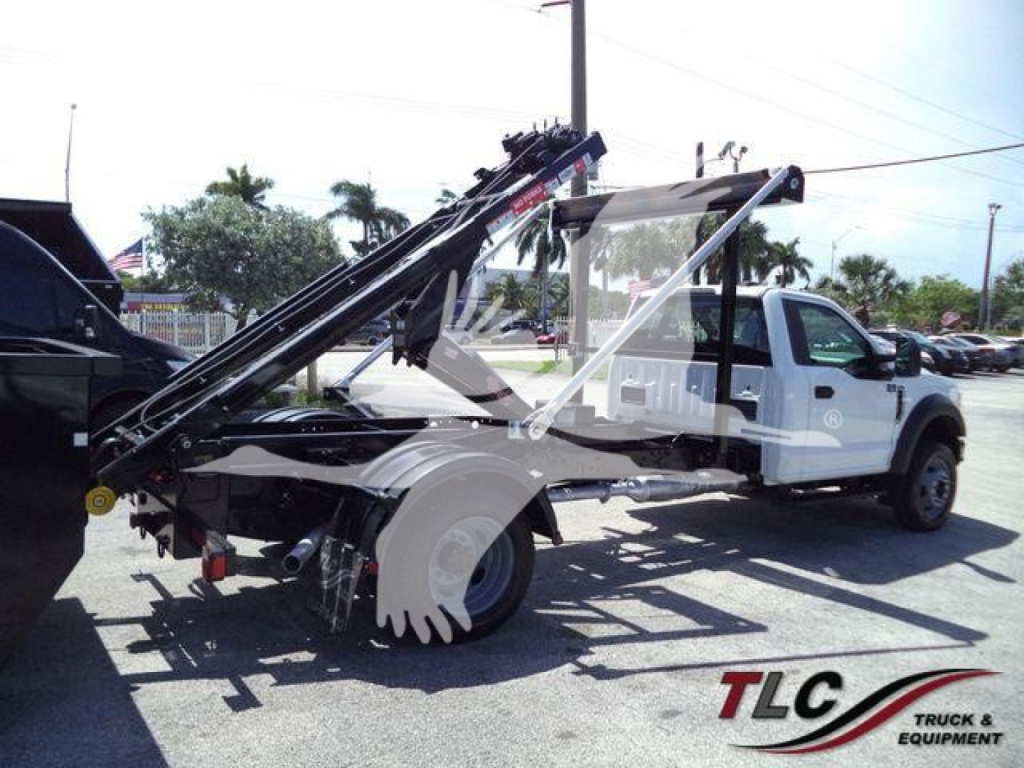
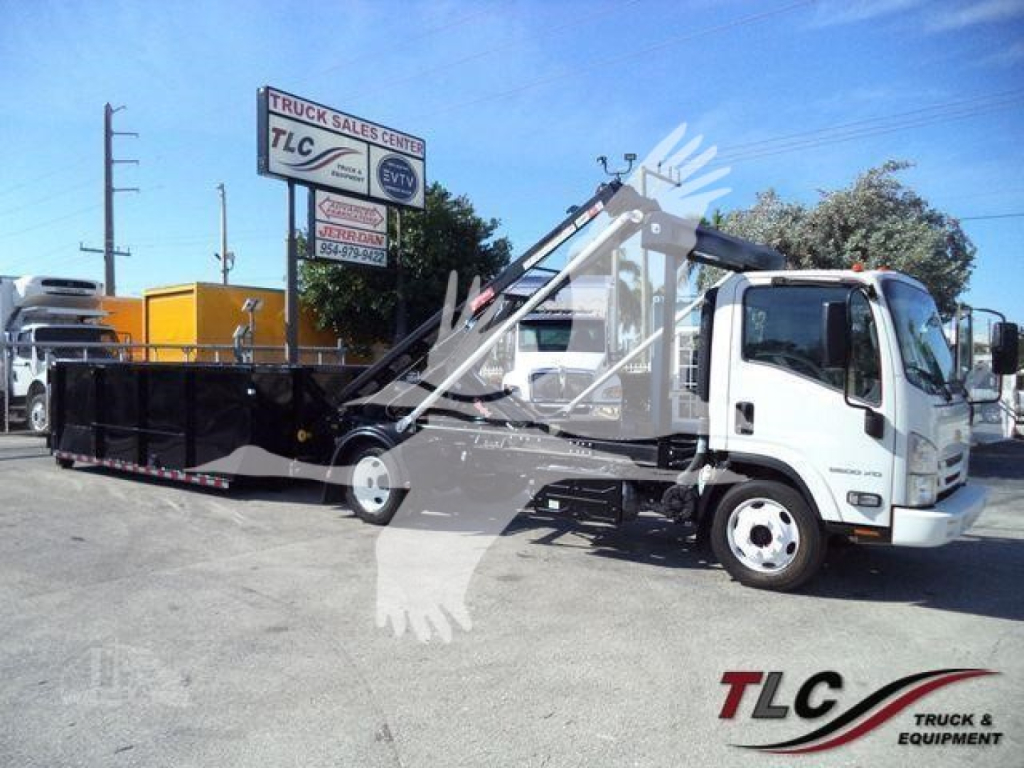
Hoist design deserves close attention on a used rolloff truck. Electric-over-hydraulic systems are common on lighter units and can be a good match for contractor fleets that want simple operation and lower initial complexity. PTO-driven hydraulic hoists are often preferred on heavier-use applications because they provide strong, repeatable lifting performance and can be better suited to frequent daily cycling. Look at hoist model ratings, subframe condition, winch wear, cable condition, sheaves, pivot points, and any cracking around body mounts. On the chassis side, brake type, wheel size, wheelbase, suspension, and rear axle rating should line up with the containers you plan to run. Florida buyers also tend to prioritize corrosion condition, A/C performance, electrical reliability, and tarp operation because heat, humidity, salt exposure, and frequent rain can accelerate wear on wiring, hydraulics, and hardware.
A good used rolloff truck should be judged as a working system, not just a chassis with a box. Verify container compatibility, inside and outside controls, hitch rating, trailer brake provisions, receiver setup, and whether the truck is configured for the type of dumpsters or drop boxes already in your fleet. If the truck will serve roofing, junk removal, or light construction, maneuverability and quick container swaps may matter more than maximum payload. If it will handle dense debris, concrete, or storm cleanup, axle capacity, brake spec, frame condition, and hoist performance move to the top of the list. The best unit is the one that matches your box inventory, route density, and operator requirements without running too close to weight limits on every load.
Frequently Asked Questions about Used Rolloff Trucks in Florida
What is the difference between a mini-rolloff truck and a full-size roll-off truck?
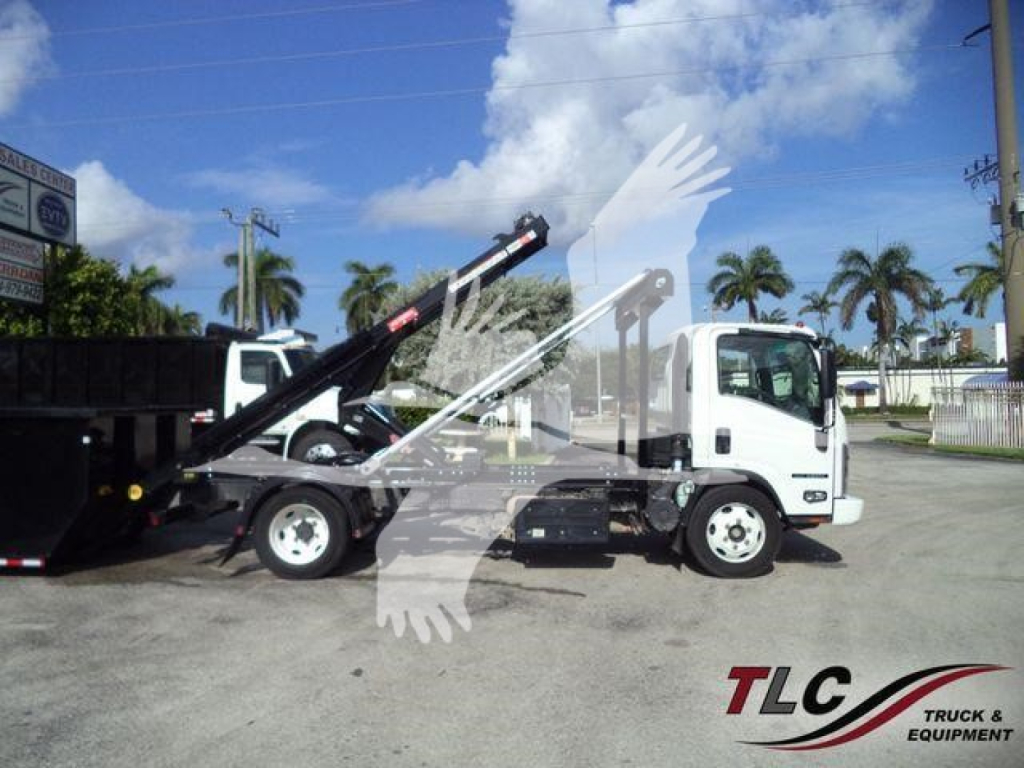
A mini-rolloff truck is usually built on a medium-duty chassis and carries smaller interchangeable containers, often in the 11-foot to 15-foot range. These trucks are common with contractor fleets, junk removal, landscaping, roofing, and light demolition because they fit tighter job sites and residential areas. A full-size roll-off truck is typically a heavier Class 8 truck designed for larger commercial dumpsters and much higher container weights. Buyers should match the truck class to the box size, payload, and access limitations of their typical jobs.
Do I need a CDL to operate a used rolloff truck?
That depends on the truck’s GVWR and the combined weight of the truck, container, load, and any trailer. Many used rolloff trucks in this category are set up at 19,500 GVWR, which is attractive for non-CDL operation in many situations. Trucks rated at 25,900 or 26,000 GVWR may still avoid CDL requirements by themselves, but actual licensing and compliance depend on state rules, combined weight, and how the truck is used commercially. Buyers should verify GVWR, GCWR, and local regulations before assigning drivers.
What should I inspect first on a used rolloff truck?
Start with the hoist system, subframe, and cable winch because those components determine whether the truck can safely load, unload, and retain containers. Check for hydraulic leaks, slow cycle times, damaged cylinders, worn pins and bushings, cable fraying, and cracks around mounts or crossmembers. Then inspect the chassis for brake condition, tire wear, suspension integrity, frame rust, and engine-transmission performance. A used rolloff truck is only as good as the compatibility between the chassis, hoist, and containers it is expected to handle.
What container size is most common on used rolloff trucks in this class?
Many used rolloff trucks in the medium-duty segment run containers around 11 feet, 14 feet, or 15 feet long and 8 feet wide. Side heights vary by application, with lower-side landscape bodies and taller debris boxes both common. The right size depends on material density, legal weight, and the kind of work the truck will do. Light bulky debris may justify taller boxes, while heavier material usually calls for more conservative box dimensions to keep payload within axle limits.
Are electric-over-hydraulic hoists good enough for commercial rolloff work?
They can be, especially on lighter-duty and non-CDL trucks used for contractor service, residential cleanup, and moderate daily cycling. Electric-over-hydraulic systems are common because they are straightforward to operate and widely used in the mini-rolloff market. For heavier loads or more demanding duty cycles, PTO hydraulic systems may offer better sustained performance and durability. The better choice depends on how often the truck cycles, how heavy the containers get, and how important service simplicity is to your operation.