
Used 2020 Rolloff Trucks For Sale in Florida
Browse used 2020 rolloff trucks for sale in Florida. Compare hoists, GVWR, bin sizes, and chassis options for waste and contractor work.
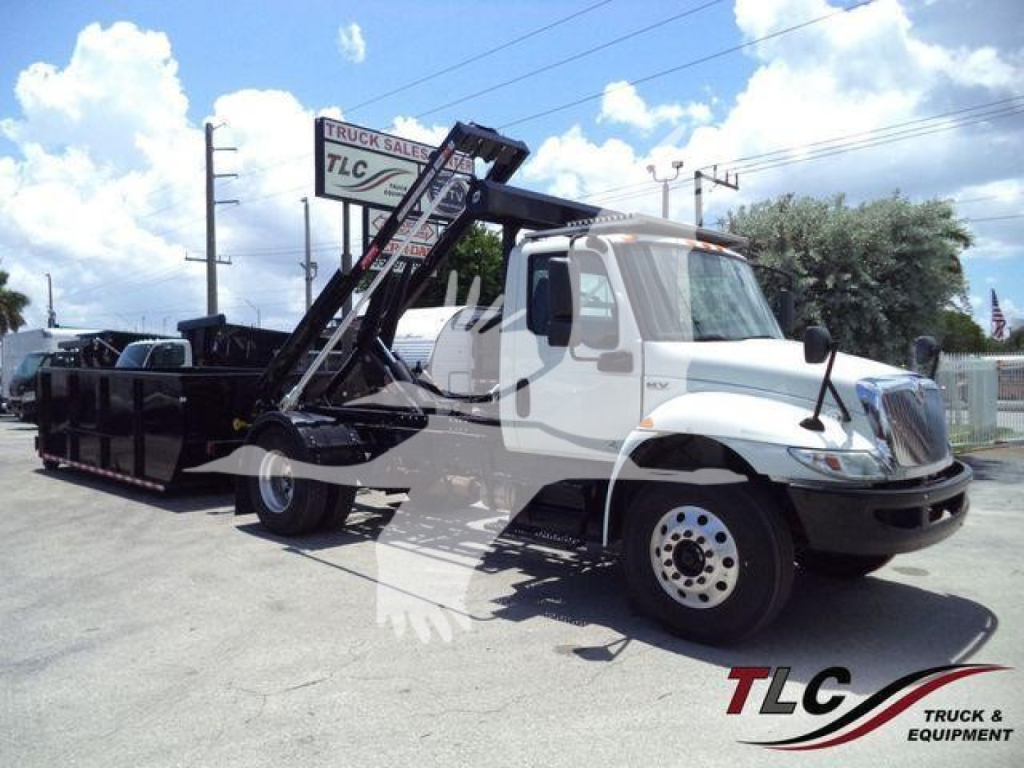
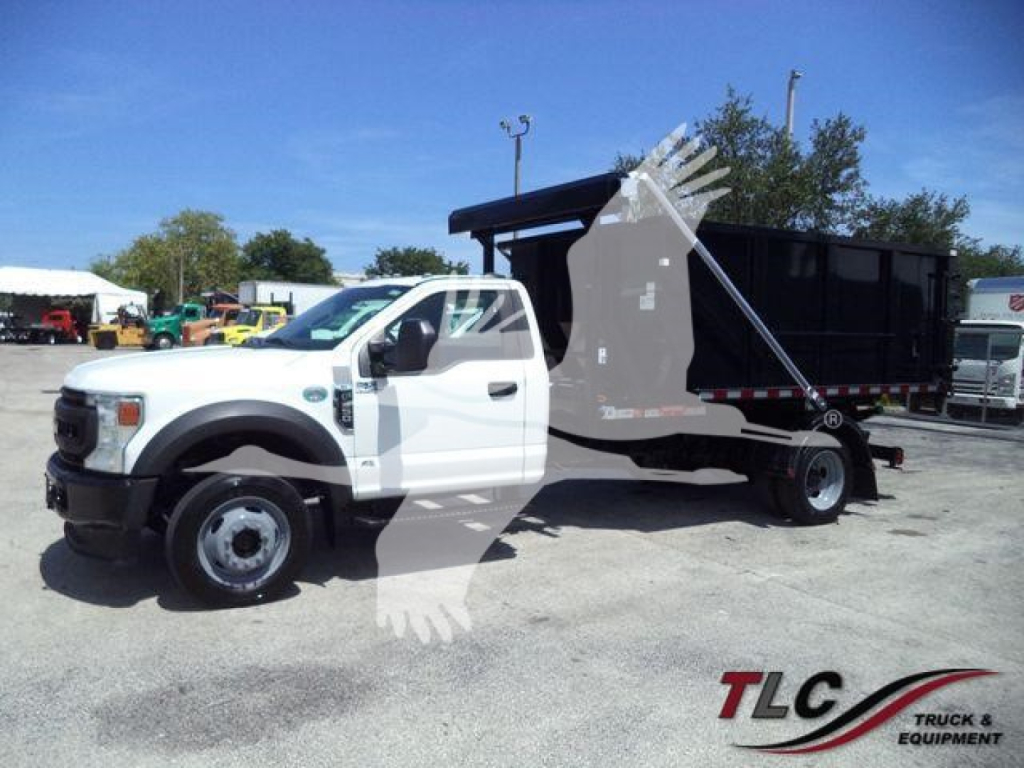
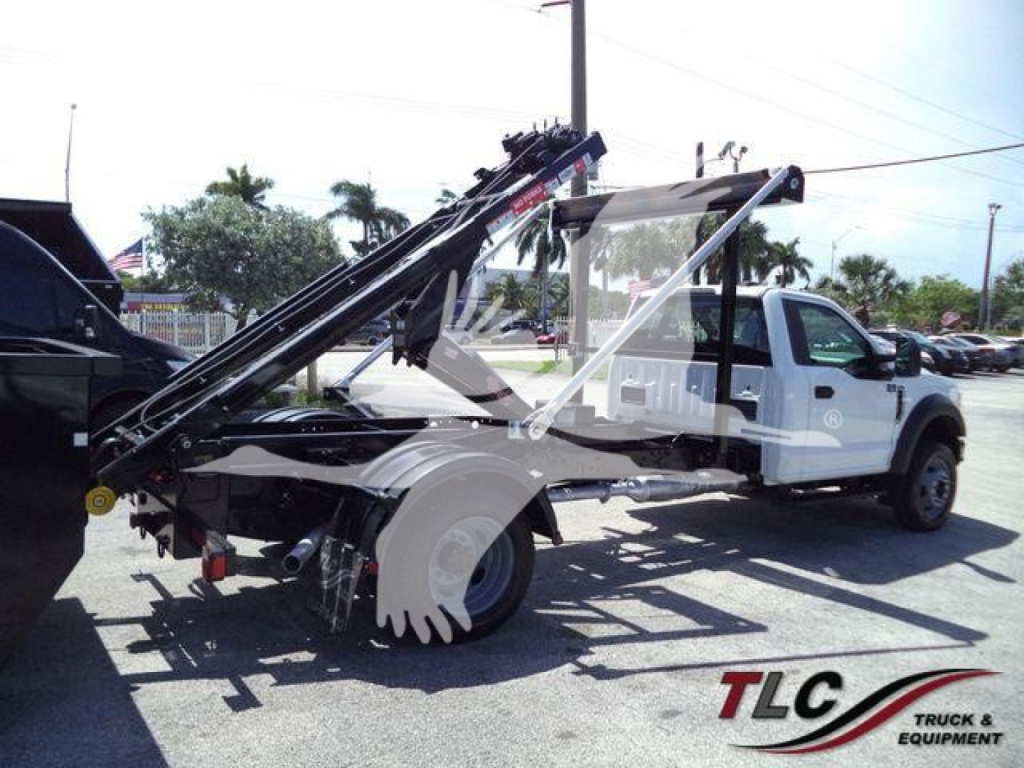
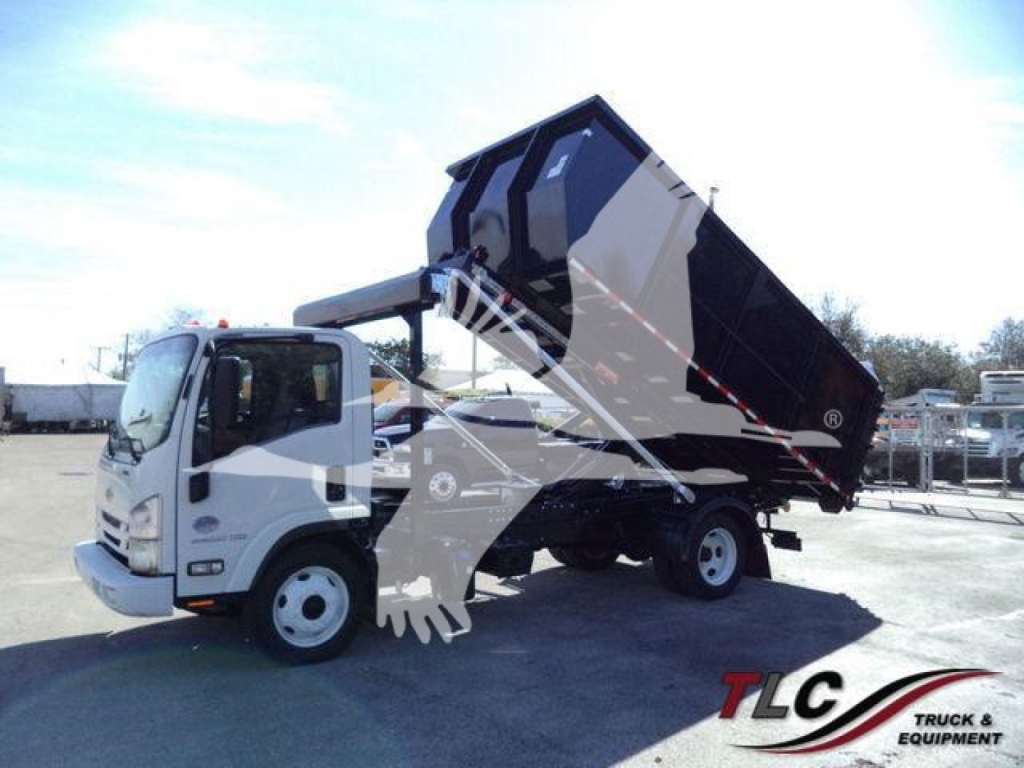
Selling a used 2020 rolloff truck? List your used 2020 rolloff truck for sale and reach thousands of commercial buyers.
Used 2020 Rolloff Trucks in Florida
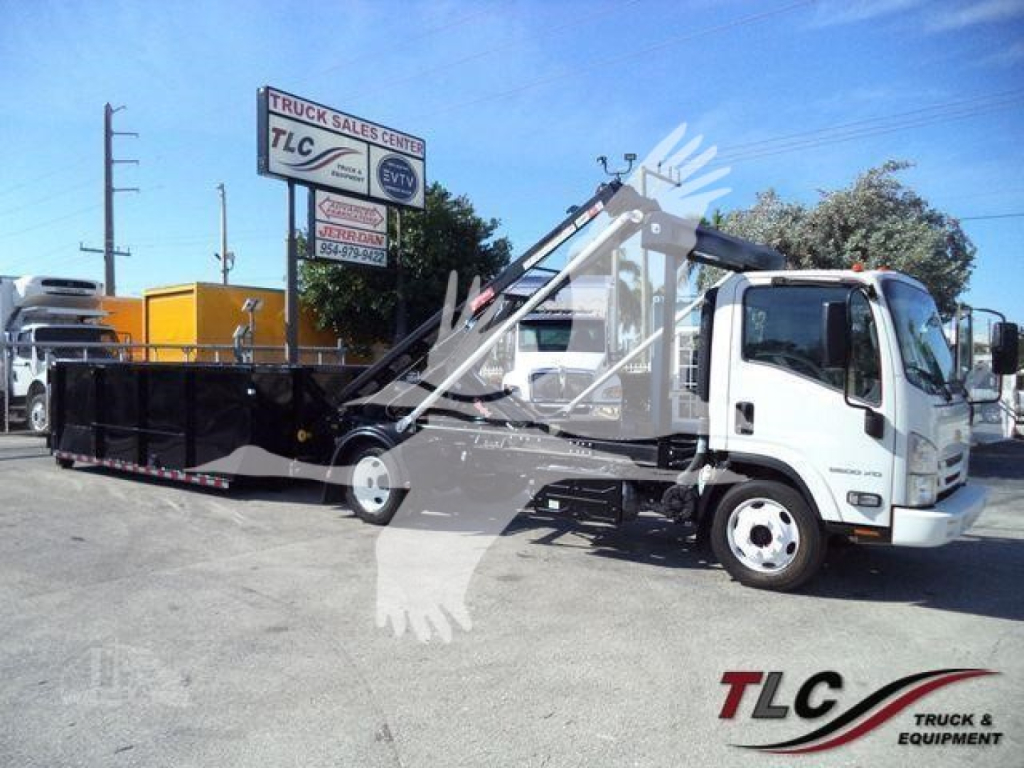
A lot of buyers focus first on the hoist system, and that is the right place to start. On 2020 rolloff trucks, you will commonly see electric-over-hydraulic or PTO-driven hydraulic hoists paired with cable systems and winches. Electric-over-hydraulic setups are common on lighter non-CDL trucks and can be a good match for stop-and-go local service. PTO hydraulic systems are often preferred when the truck will cycle containers hard throughout the day. Check hoist rating, winch capacity, cable length, control location, and cycle speed. A truck set up with inside and outside controls, a full electric tarp system, receiver hitch, trailer brake wiring, and a 7-way plug can add real versatility for crews moving equipment or handling mixed debris loads.
Container compatibility is just as important as chassis spec. Many 2020 rolloff trucks in Florida are configured for mini-rolloff or hook-and-cable style boxes used in residential cleanouts, roofing, landscape debris, and light construction waste. Typical boxes are all-steel, about 14 feet long and 8 feet wide, with side heights around 51 inches and a rear swing door. Buyers should confirm rail spacing, body length, hoist geometry, and whether the truck is intended for dedicated brand-specific boxes such as Switch-N-Go style containers. The wrong box interface can create daily headaches, even if the truck itself is sound.
Florida buyers should also pay attention to corrosion, hydraulic condition, and cooling performance. Salt air, humidity, and frequent rain can accelerate rust on bodies, cable hardware, electrical connections, and tarp components. Inspect the hoist pivots, rear rollers, winch, subframe, and crossmembers for wear or cracking. On used 2020 units, service history matters on both the chassis and the upfit. Engine and transmission spec will vary by make, but medium-duty diesel platforms from Isuzu, Chevrolet, and International are common in this class. The best truck for the job is usually the one that matches your container fleet, legal weight target, and route pattern without overspending on chassis capacity you will not use.
Frequently Asked Questions about Used 2020 Rolloff Trucks in Florida
What GVWR should I look for in a used 2020 rolloff truck?
The right GVWR depends on your payload, container size, and driver requirements. Trucks around 19,500 lb GVWR are popular because they can often stay in non-CDL service, which helps with hiring and route flexibility. Heavier trucks in the 23,500 to 25,900 lb range usually offer more payload and a stronger platform for frequent commercial use, but they may require CDL drivers depending on exact rating and operation. Always match GVWR to the loaded weight of the truck, container, debris, passengers, fuel, and any trailer you plan to pull.
What is the difference between electric-over-hydraulic and PTO hydraulic rolloff systems?
Electric-over-hydraulic systems use an electric motor to power the hydraulic pump and are common on lighter medium-duty rolloff trucks. They are straightforward and often well suited to local contractor or residential routes. PTO hydraulic systems draw power from the transmission and are typically favored for heavier-duty use or higher cycle counts because they can provide strong, consistent hydraulic performance. The better choice depends on how often the truck will load and unload containers and how much weight it will handle each day.
Are 14-foot containers standard on 2020 rolloff trucks?
Fourteen-foot containers are very common in this segment, especially on mini-rolloff and contractor-focused trucks, but they are not universal. Width is often around 8 feet, with side heights commonly near 51 inches, though body design varies by manufacturer and application. The key is not just length. Buyers need to verify rail design, hoist compatibility, cable setup, and rear door style so the truck matches the containers already in service or the box system they plan to adopt.
What should I inspect first on a used rolloff truck in Florida?
Start with the upfit, not just the engine. Inspect the hoist frame, winch, cable, sheaves, rear rollers, pivot points, hydraulic cylinders, and control system for wear, leaks, and structural damage. In Florida, corrosion can show up quickly on electrical connections, body seams, tarp motors, and exposed steel. After that, evaluate the chassis for brake condition, suspension wear, tire condition, cooling system health, and any signs that the truck has regularly operated near maximum weight.
Can a 2020 rolloff truck be used for more than waste containers?
Yes. Many rolloff trucks in this class are used for landscaping bodies, contractor dump boxes, debris bins, and other interchangeable work bodies. That flexibility is one of the main advantages of a rolloff setup. A properly spec'd truck can support roofing debris, yard waste, light demolition, scrap, and jobsite cleanup, provided the body, hoist rating, and GVWR are matched to the material being hauled.