
Used 2020 Rolloff Trucks For Sale
Shop used 2020 rolloff trucks with heavy-duty hoists, vocational chassis, and specs suited for waste, scrap, demolition, and container hauling.
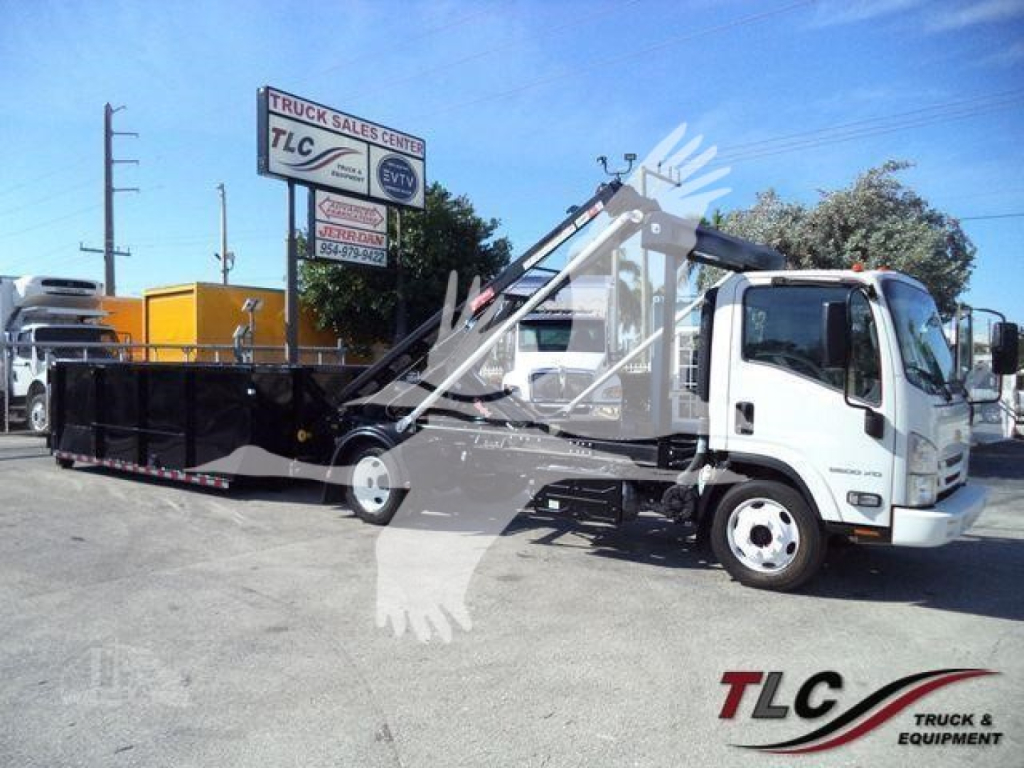
Selling a used 2020 rolloff truck? List your used 2020 rolloff truck for sale and reach thousands of commercial buyers.
Used 2020 Rolloff Trucks
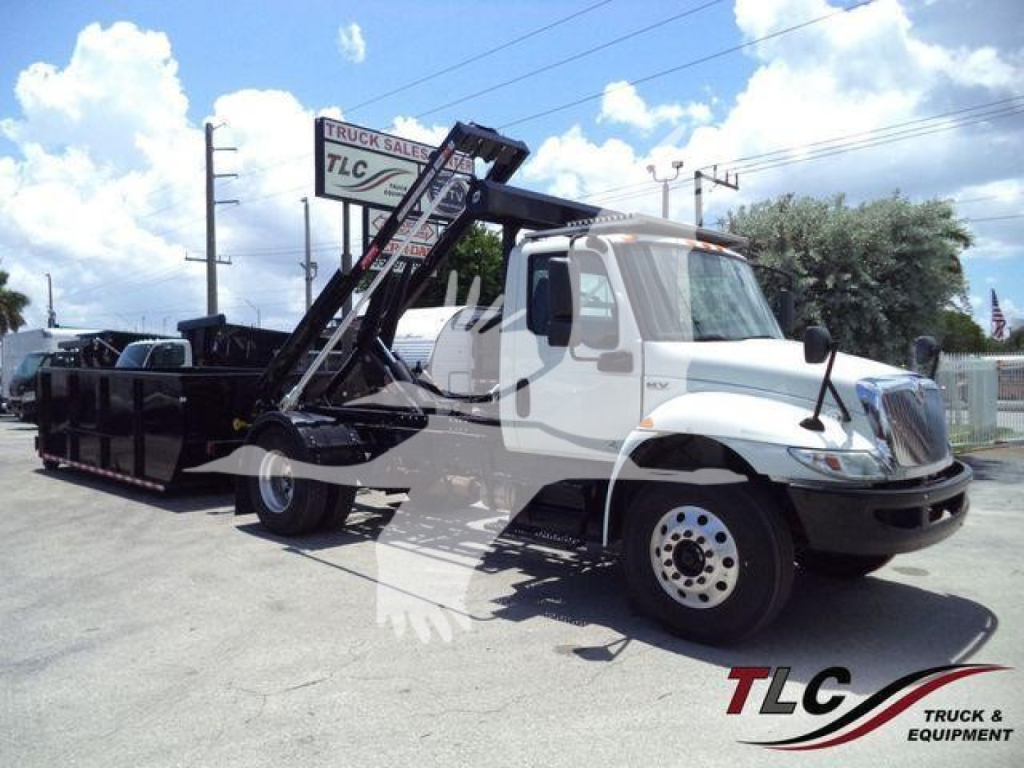
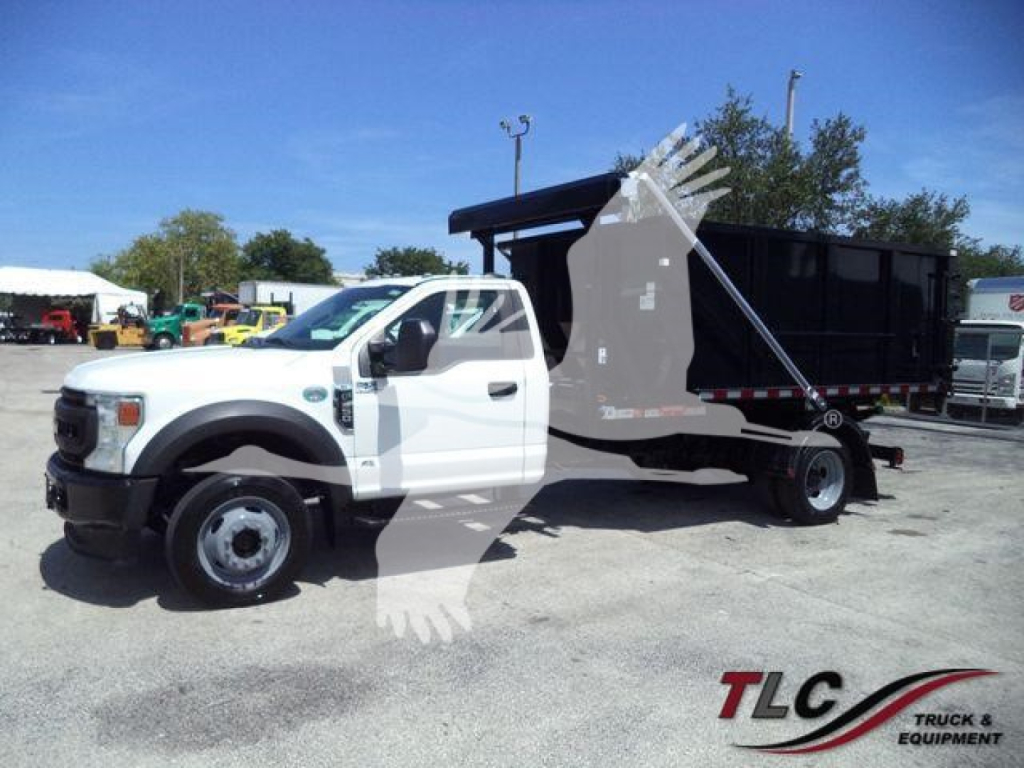
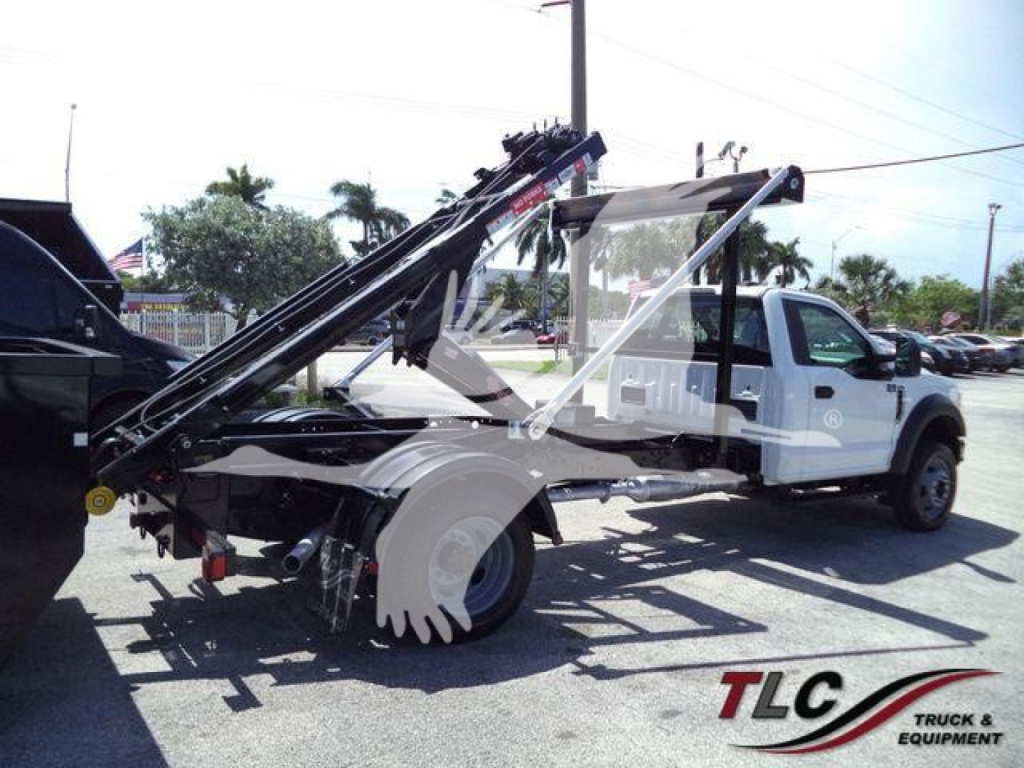
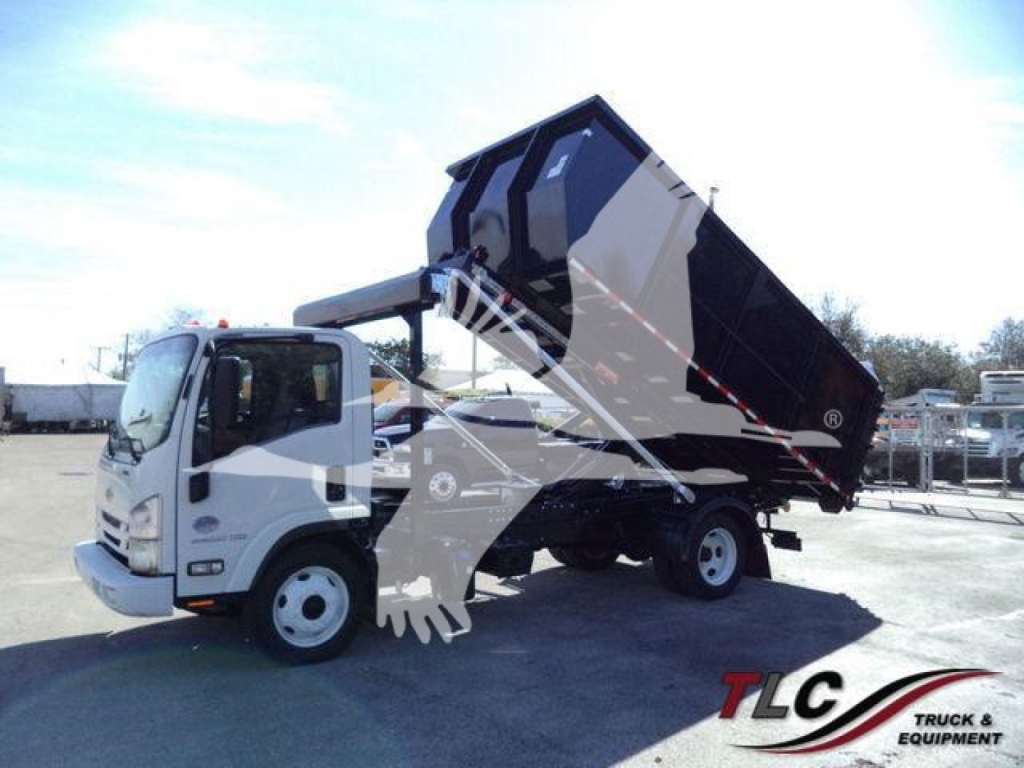
The hoist is the money-maker, so body spec matters as much as the truck underneath it. Buyers should confirm rail length, hoist brand, container compatibility, and whether the truck is set up for standard cans used in their region. Cable systems remain common for straightforward rolloff work and can be simpler to service, while hooklift-style units add versatility if the operation swaps between bodies. Look closely at tail roller condition, sheave wear, hydraulic leaks, PTO engagement, tarping system operation, and any frame reinforcement around the hoist mounting points. On a 2020 unit, it is also worth checking electronic controls, interlocks, and backup camera integration, since these systems affect both uptime and driver acceptance.
Powertrain choices on 2020 rolloff trucks typically center on diesel engines from Cummins, Mack, Volvo, PACCAR, or Detroit, paired with Allison automatics or manual transmissions depending on duty cycle and driver pool. Automatic transmissions are especially common in stop-and-go refuse and container service because they reduce driver fatigue and clutch wear. Rear axle ratios, suspension type, and axle ratings should match the route profile and the heaviest container loads expected. A truck doing urban waste routes with constant starts, short hauls, and tight alley access needs a different wheelbase and turning radius than one hauling construction debris on longer regional runs. Front axle ratings in the 18,000 to 20,000 pound range and rears around 40,000 to 46,000 pounds are common, with lift axles added where payload law and route density justify them.
Used 2020 rolloff trucks should also be evaluated with emissions compliance and service history in mind. At this age, DPF, DEF, EGR, and aftertreatment performance can separate a dependable truck from a costly one. Engine hours often tell more than odometer miles on vocational equipment that spends time idling at job sites or transfer stations. Buyers should review PTO hours if available, inspect hydraulic plumbing and tank condition, and verify that the frame has not been overstressed by repeated off-road loading or overweight cans. A well-spec'd 2020 rolloff truck can still deliver strong productivity if the hoist, hydraulics, axle package, and wheelbase are matched to the container sizes and legal payload targets the operation actually runs.
Frequently Asked Questions about Used 2020 Rolloff Trucks
What should I check first on a used 2020 rolloff truck?
Start with the hoist system, hydraulic components, and frame condition. A rolloff truck earns its keep through the body and hydraulic package, so inspect the hoist rating, cylinder condition, PTO operation, tail rollers, cable or hook components, and any cracking or reinforcement around mounting areas. After that, review engine hours, idle time, aftertreatment history, axle ratings, and tire wear to make sure the chassis matches the truck's actual vocational use.
What hoist capacity is common on a 2020 rolloff truck?
Many 2020 rolloff trucks are equipped with hoists in the 50,000 to 75,000 pound range, though the right rating depends on container size, material type, and local weight laws. Demolition, scrap, and construction debris operations often need heavier-capacity setups than light commercial waste routes. The listed hoist rating should be considered alongside axle configuration, lift axle presence, and legal gross vehicle weight limits, because hoist strength alone does not determine usable payload.
Are automatic transmissions better for rolloff trucks?
For many fleets, yes. Allison automatic transmissions are popular in rolloff service because they handle constant stop-and-go driving well, reduce driver fatigue, and limit clutch wear in tight loading areas and transfer stations. Manual transmissions still have a place in some operations, especially where drivers prefer them or the truck sees more highway time, but automatics are often easier to staff and more consistent in urban vocational work.
How important are wheelbase and axle layout on a rolloff truck?
They are critical because they affect turning radius, bridge law compliance, payload distribution, and container compatibility. A tandem axle truck with a lift axle can improve legal payload and route flexibility, but it may not maneuver as well as a shorter tandem in confined urban work. The right wheelbase depends on the container lengths you plan to handle, the roads and job sites you serve, and how often the truck operates at or near maximum legal weight.
Do miles matter as much as hours on a used rolloff truck?
Not always. Vocational trucks often accumulate substantial idle time and PTO use while loading, unloading, or waiting on site, so engine hours can be just as important as mileage. A 2020 rolloff truck with moderate miles but very high idle hours may show more wear in the engine, emissions system, and hydraulic equipment than the odometer suggests. Reviewing maintenance records, PTO usage, and aftertreatment service history gives a more accurate picture of remaining life.